What an Aggregate Production Line Idler Does
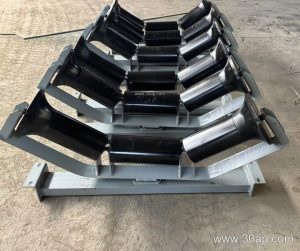
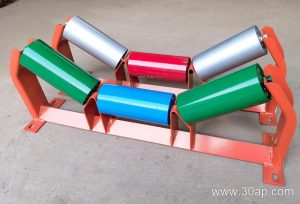
In a crushing and screening circuit, the aggregate production line idler is the rotating support that carries the conveyor belt between the head and tail of each conveyor. It is a seemingly simple component, yet it determines how smoothly material moves from the primary crusher through screening decks and onto stockpiles. Troughing idlers shape the belt into a cradle so that coarse rock stays centered, while return idlers support the empty strand on its way back. Without a properly matched idler set, even a well-built conveyor structure will suffer belt wander, spillage and premature wear.
The working environment matters as much as the mechanical duty. Dust, grit, moisture and occasional impact from oversized lumps all attack the idler frame and bearings. For this reason, aggregate plants usually favor sealed, maintenance-friendly designs over lightweight general-purpose rollers.
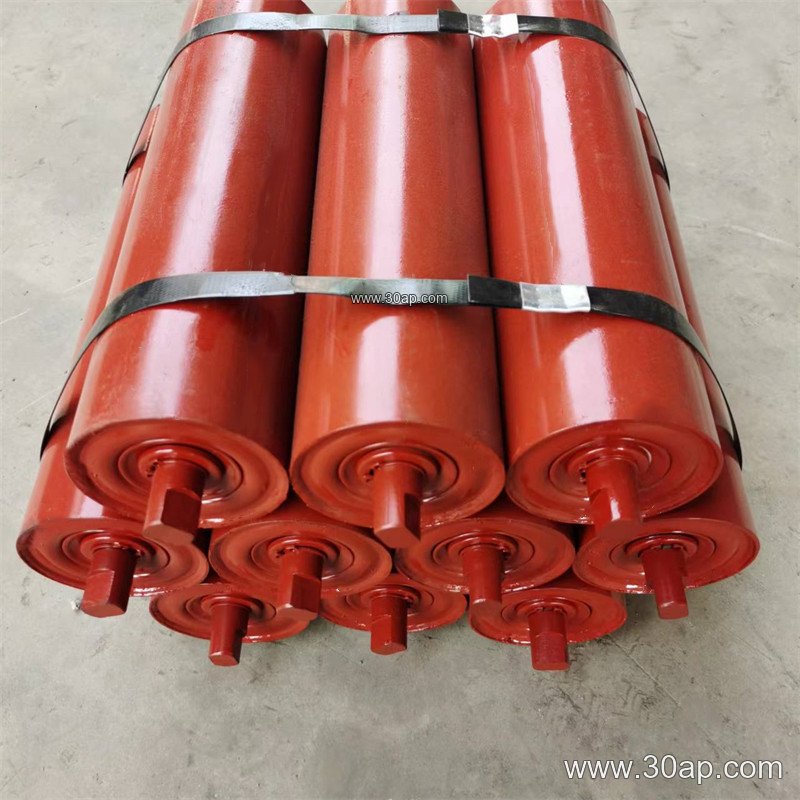
Construction Details That Affect Service Life
An idler is more than a tube with bearings at each end. The shell, shaft, bearing housing and sealing arrangement work together, and each part has to suit the load and the atmosphere.
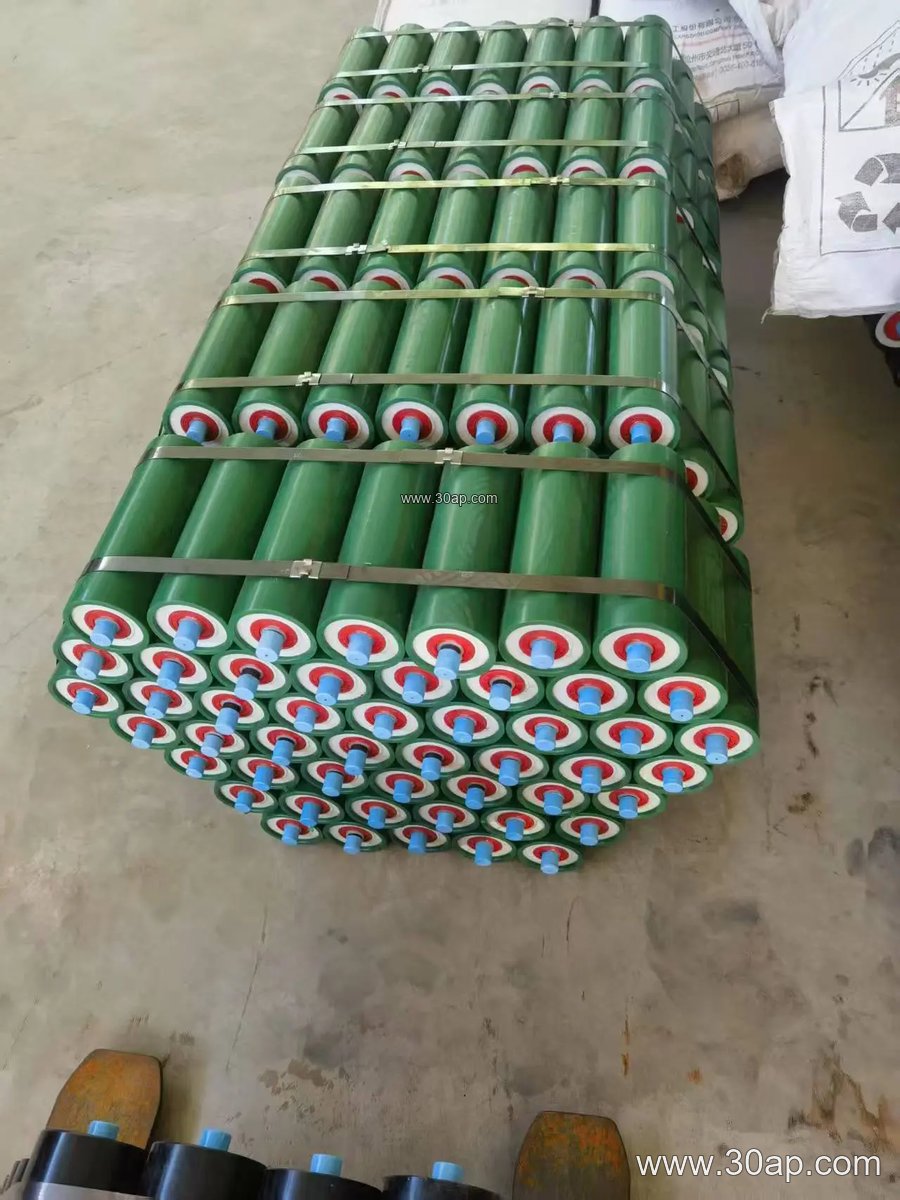
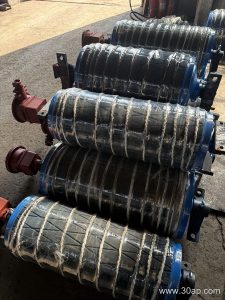
- Shell material: steel tube is the standard choice; nylon and ceramic-covered rollers are used where buildup or abrasion is a concern.
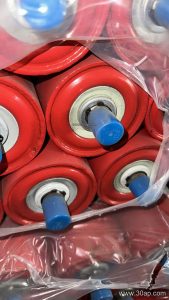
- Bearing grade: common sizes include 6204, 6205, 6305, 6306, 6308 and 6310, selected according to load and speed rather than belt width alone.
- Sealing: labyrinth or multi-stage seals resist fine stone dust, which is the main cause of early bearing failure in quarries.
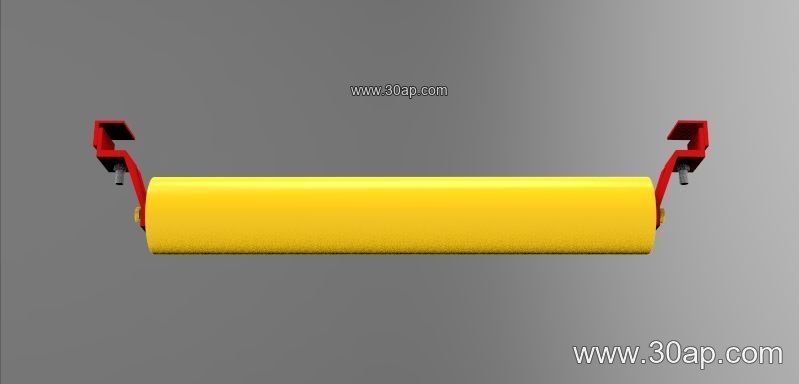
- Frame and brackets: the idler must sit correctly in the conveyor bracket so that the trough angle and alignment are maintained.
Roller diameters commonly range from Ø63 and Ø76 up to Ø219, with Ø89, Ø102, Ø108, Ø127, Ø133, Ø159 and Ø178 covering most aggregate duties. Larger diameters suit higher loads and longer spans; they are not automatically required on every conveyor.
Matching Idlers to the Conveyor and the Belt
Idler selection starts with the belt, not in isolation. A 500mm or 650mm conveyor belt on a small transfer conveyor needs a different idler set from a 1200mm or 1400mm belt on a main plant conveyor. Trough angles of 20, 30, 35 and 45 degrees are all used in aggregate service, and the roller length changes with belt width, trough angle and the number of rolls in the set. As a rough reference, three-roll troughing sets commonly use roller lengths of about 200 mm for B500, 250 mm for B650, 315 mm for B800, 380 mm for B1000, 465 mm for B1200, 530 mm for B1400, 600 mm for B1600, 670 mm for B1800 and 750 mm for B2000. Side rollers and center rollers can differ, so these figures are examples rather than fixed pairings.
| Item | Common options | Notes |
|---|---|---|
| Idler type | Troughing, transition, return, V-return, impact, spiral, self-aligning | Chosen by position on the conveyor |
| Roller diameter | Ø63 to Ø219 | Larger sizes for heavier loads |
| Belt width | B400 to B2400 | Roller length follows the set design |
| Trough angle | 20°, 30°, 35°, 45° | Affects material containment |
| Roller surface | Steel, nylon, ceramic, rubber rings | Rubber rings help at impact points |
Abrasion resistant conveyor belts and heavy-duty mining conveyor belts place greater radial loads on the rollers, so bearing capacity and shell thickness deserve attention. Where a conveyor receives directly from a crusher, rubber-ring impact idlers are often placed at the loading point, while standard troughing idlers handle the steady run. Self-aligning idlers are used on long runs to correct minor belt drift, but they are a correction device, not a substitute for proper pulley alignment.
Where These Idlers Are Used
Aggregate plants are the most common home for this equipment, but the same designs appear in limestone quarries, iron ore and copper ore handling, cement plants, power plant coal yards and concrete batching stations. In a wash plant the idlers may face wet, sticky fines; in a dry crushing circuit the challenge is abrasive dust. Transfer points, stockpile conveyors and screen feed conveyors each impose a different duty, and the idler layout should follow that duty.
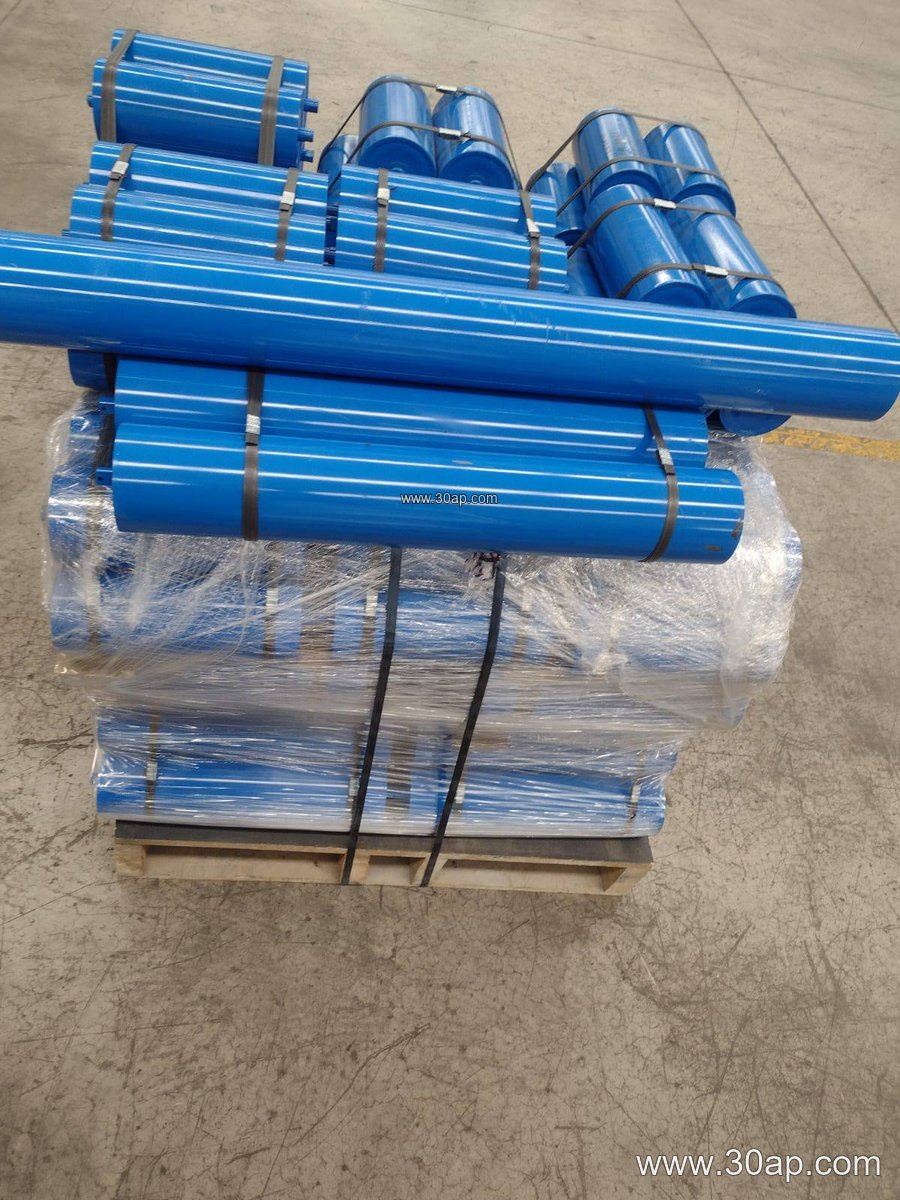
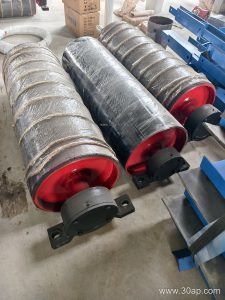
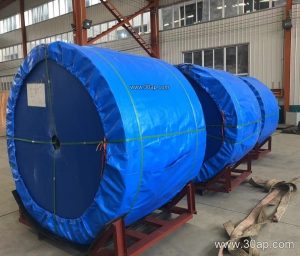
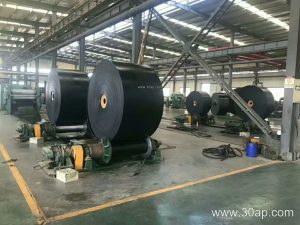
Related components such as the conveyor pulley, conveyor bracket and the belt itself must be coordinated with the idler set. A correctly specified EP conveyor belt or steel cord conveyor belt will still track poorly if the idlers are misaligned or worn flat.
Buyer Checklist
- Confirm belt width, trough angle and the number of rolls per set before ordering.
- State the material, lump size and whether impact idlers are needed at the loading zone.
- Ask about bearing size, seal type and shell thickness rather than comparing price alone.
- Check roller diameter against load and speed, not against belt width by itself.
- Plan a spare-parts stock for the most heavily loaded positions.
For a reliable aggregate production line idler supply, match the roller to the real operating conditions and keep the specification consistent across the plant. Further details on idler, roller and conveyor belt matching are available at https://www.jsjustconveyor.com/aggregate-production-line-idler/ for reference during selection.