What the Discharge Pulley Does at the Head of a Conveyor
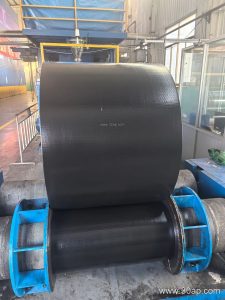
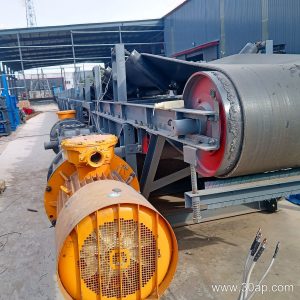
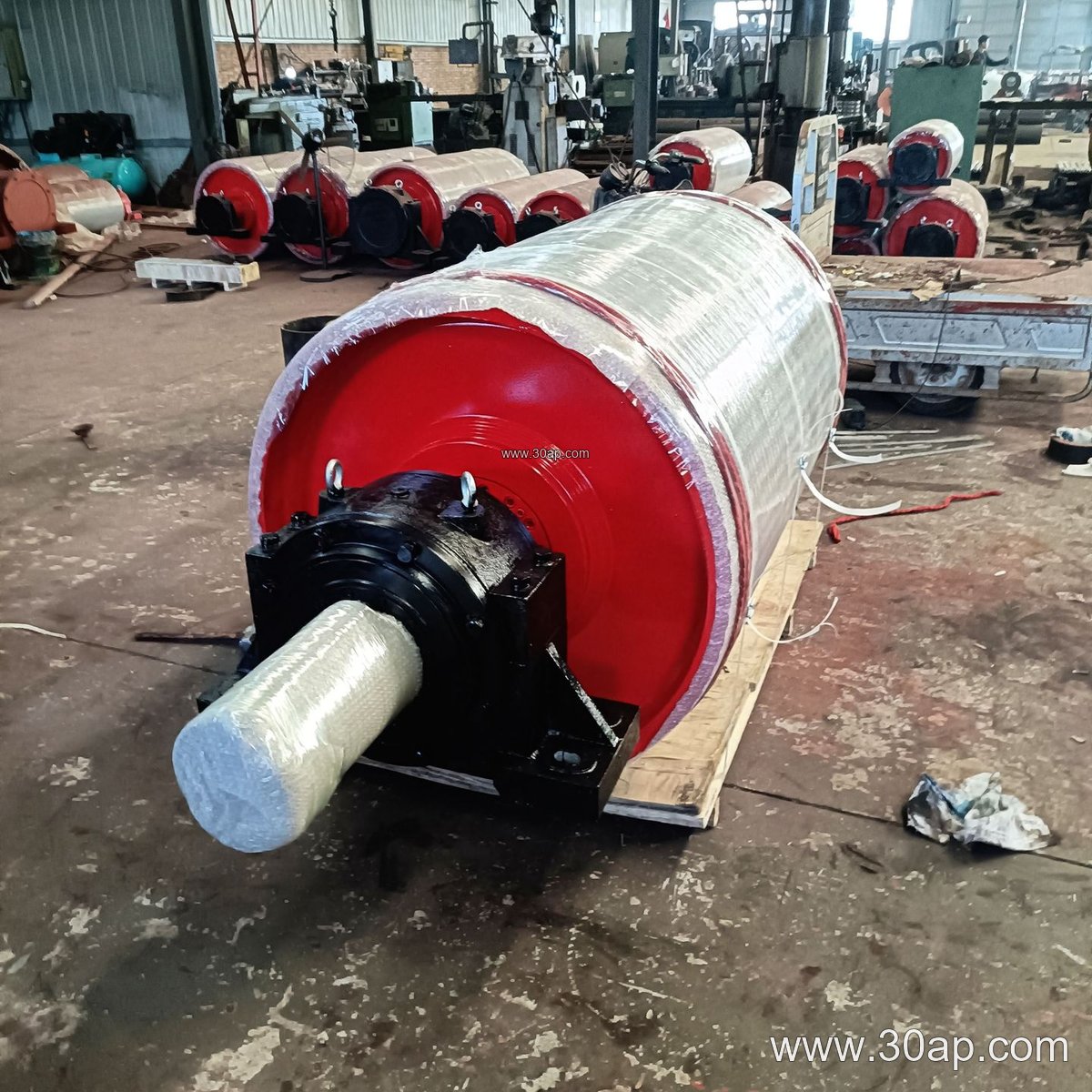
The discharge pulley is the pulley at the head end of a belt conveyor where the conveyor belt releases its load into the next process. It is also called a head pulley or delivery pulley, and it combines two jobs: it transmits the driving torque that keeps the belt moving, and its diameter and surface set the point where material leaves the belt. In a quarry conveyor line feeding a crusher, or a power plant conveyor delivering coal to a bunker, this is the pulley that determines how cleanly the material discharges and how much carryback the belt brings back.
Because the discharge pulley is a drive position, it is usually the largest and most heavily loaded pulley on the machine. A bend pulley or tail pulley may share the same belt width, but those positions are not interchangeable with the discharge pulley, and each has its own load case.
Construction of a Head Pulley
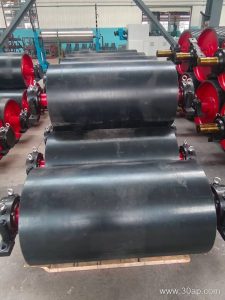
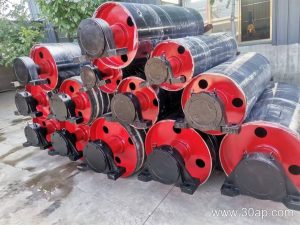
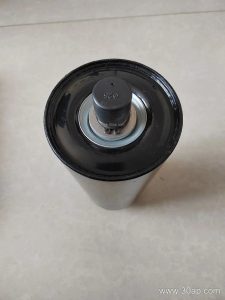
A typical discharge pulley consists of a cylindrical shell, two end discs, a shaft, and bearing housings mounted on a frame or on conveyor brackets welded to the main structure. The shell is machined and the lagging is applied afterwards. Common lagging forms include plain rubber, diamond grooved rubber, herringbone rubber, and ceramic tiles for high slip risk. Lagging thickness is often 8, 10, 12, 15, or 20 mm, chosen according to the drive duty rather than the belt width alone.
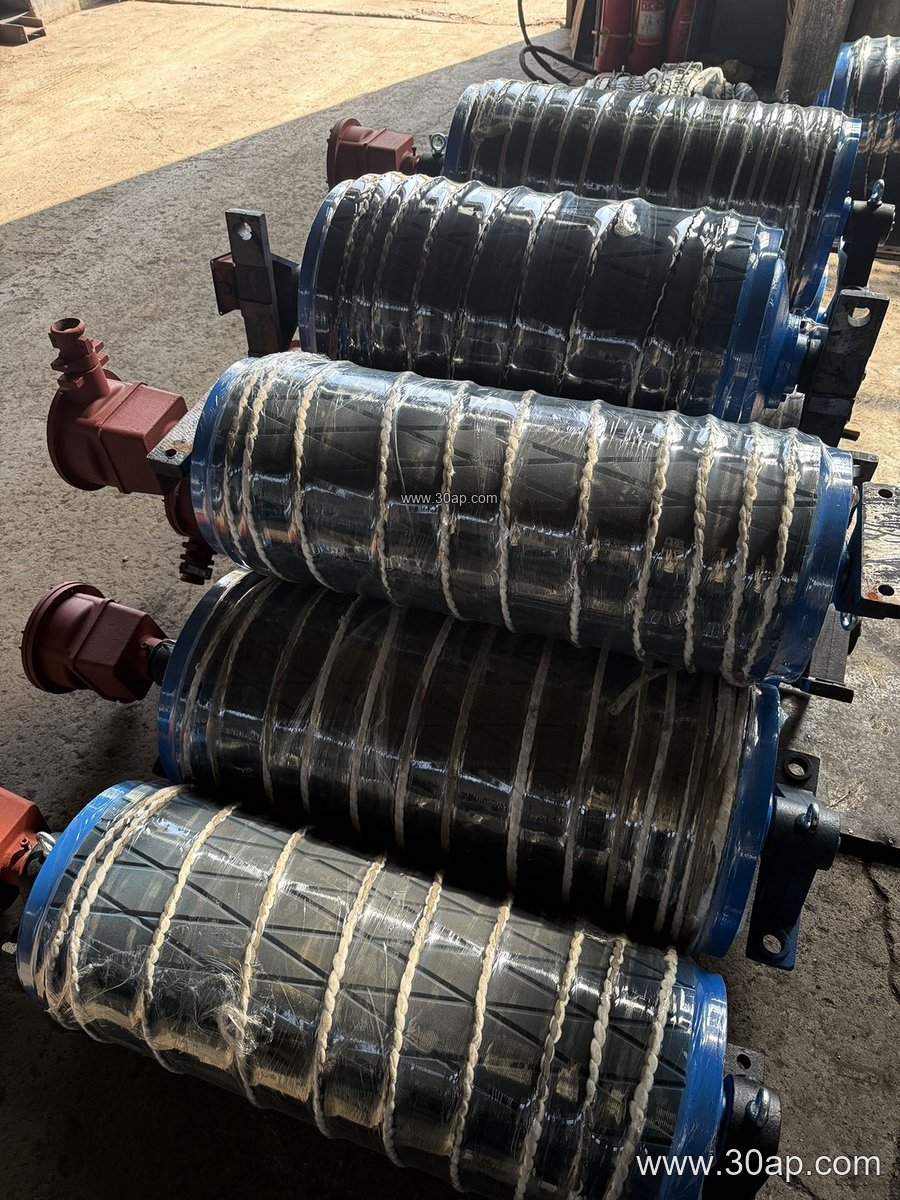
The shaft diameter is determined by torque and bearing load, not by belt width. Common shaft sizes range from Ø50 up to Ø200 mm, and the same B1000 head pulley may use different shafts on two different conveyors depending on the drive power and the belt tension involved.
Surface speeds matter as well. A high-speed discharge pulley on a long overland conveyor needs good dynamic balance, while a slow head pulley on a short feeder can be built more simply.
Matching Diameter and Face Width to the Belt
The pulley face width is normally somewhat wider than the belt so that the belt is supported across its full width. Reference values often used in design work include the following, though actual dimensions should always follow the conveyor design.
- B400 belt — roughly 500 mm face width
- B650 belt — roughly 750 mm face width
- B800 belt — roughly 950 mm face width
- B1000 belt — roughly 1150 mm face width
- B1200 belt — roughly 1400 mm face width
- B1400 belt — roughly 1600 mm face width
- B1600 belt — roughly 1800 mm face width
- B1800 belt — roughly 2000 mm face width
Diameter is selected from belt tension, the number of plies or steel cords, and the minimum bending ratio recommended for the belt. Typical head pulley diameters run from Ø500 and Ø630 on medium belts up to Ø1000, Ø1250, and Ø1400 on heavy-duty mining conveyors. A B800 × Ø500 combination and a B1400 × Ø800 combination are both normal, and no single belt width is tied to one diameter.
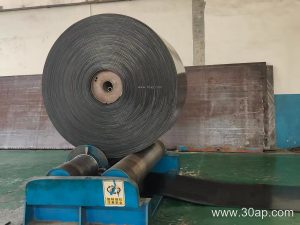
The belt itself is part of this decision. A stiff steel cord conveyor belt needs a larger head pulley than a flexible multi-ply fabric core belt of the same width, and a heat resistant conveyor belt used in a cement plant may need extra clearance for the lagging.
Where Discharge Pulleys Are Used
In a sand and aggregate plant, the discharge pulley sits at the top of the final incline and throws stone into a stockpile or screening house. In an iron ore or copper ore concentrator, it works under continuous load with abrasive dust, so abrasion resistant lagging and sealed bearing housings are important. Coal mining conveyors and underground coal mining installations add flame retardant requirements to the belt and often to the lagging as well. Port bulk terminals use large head pulleys on ship loading conveyors, while a concrete mixing plant may use a much smaller unit on a short batching conveyor.
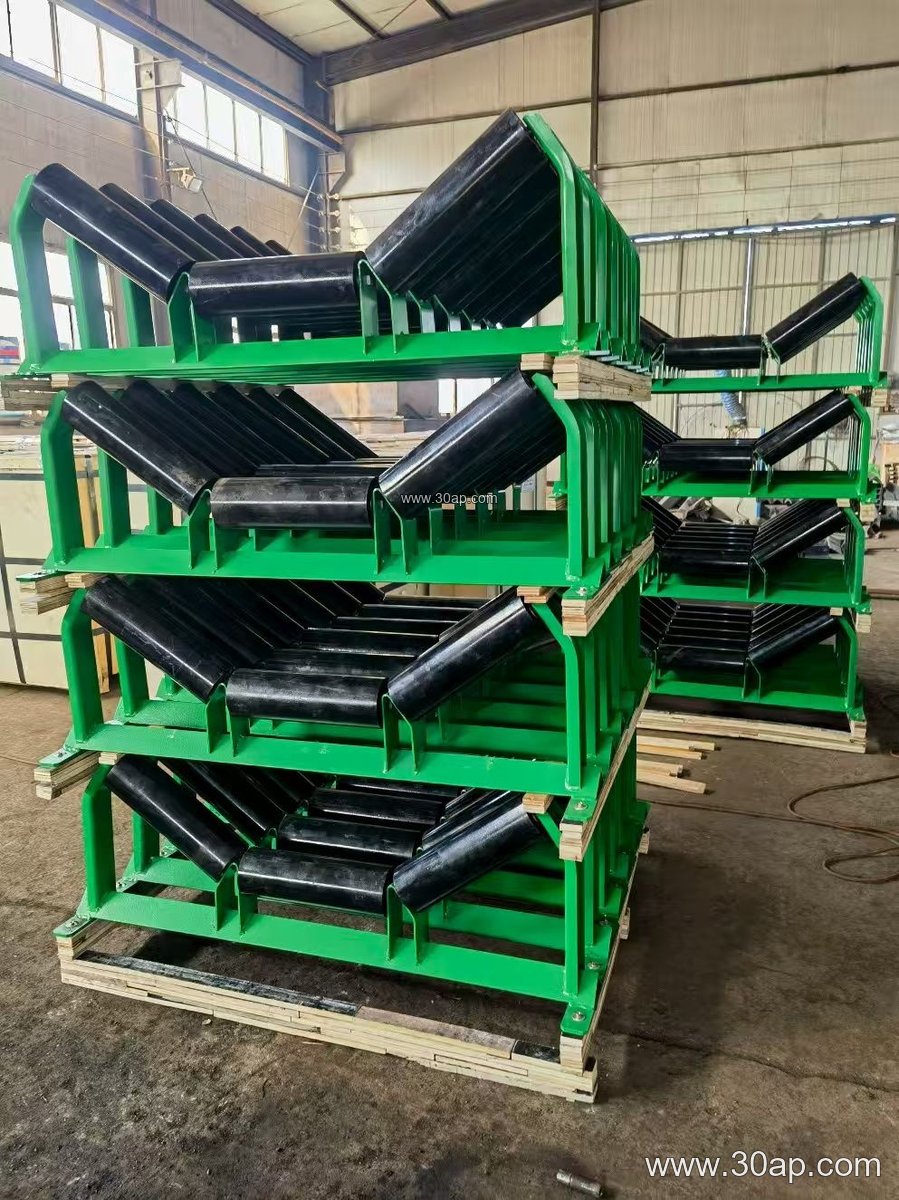
In every case the pulley works together with the conveyor belt, idler roller sets, and the frame. A poorly aligned discharge pulley causes belt mistracking that no amount of idler adjustment will fully correct.
What Buyers Should Confirm Before Ordering
First, confirm the position: a discharge pulley at the head is a drive pulley, so the order should state the drive power, belt speed, and belt tension. Second, confirm the belt data — width, type, and thickness — since an EP conveyor belt and a steel cord conveyor belt impose different bending requirements. Third, decide the lagging form and thickness. Fourth, confirm shaft diameter, bearing type, and the mounting interface, including whether the pulley will bolt onto existing conveyor brackets.
- Belt width and pulley face width
- Pulley diameter and shell thickness
- Lagging type and thickness
- Shaft diameter and bearing size
- Balancing grade and surface finish
Maintenance is mostly about the lagging and the bearings. Worn lagging reduces grip and increases slip, and a slipping head pulley can glaze the belt cover. Inspect lagging wear, check bearing temperature, and verify that the belt is centered on the pulley face. Spare lagging sheets and a spare bearing set shorten downtime in a busy quarry or wash plant.
For more on matching pulleys with conveyor belt and idler roller components, see the technical notes at beltconveyorparts.com.