What a Conveyor Belt Tracking Idler Does
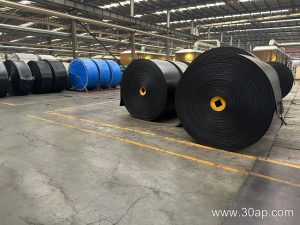
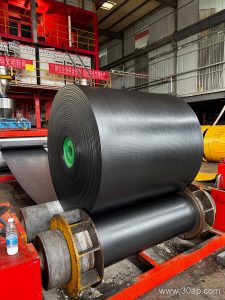
A conveyor belt tracking idler is a roller assembly installed on the carrying or return side of a conveyor to keep the belt centered. It combines two jobs: supporting the belt and correcting small lateral drift before it becomes a serious misalignment. In a quarry, cement plant, or coal handling line, a belt that wanders off center can spill material, fray edges, and damage the Rubber Conveyor Belt long before the belt is worn out. The tracking idler gives maintenance crews a mechanical way to counter that drift without touching the drive pulley or tail pulley.
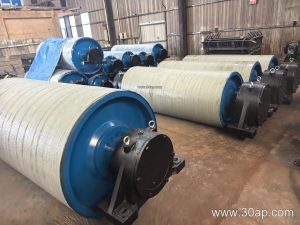
Unlike a plain carrying idler, this roller is usually mounted on a pivoting frame or shaped with a tapered profile so that belt contact produces a self-centering action. It is not a substitute for a drive pulley, tail pulley, or bend pulley. Those pulleys transmit power and set belt path; the tracking idler only guides and supports.
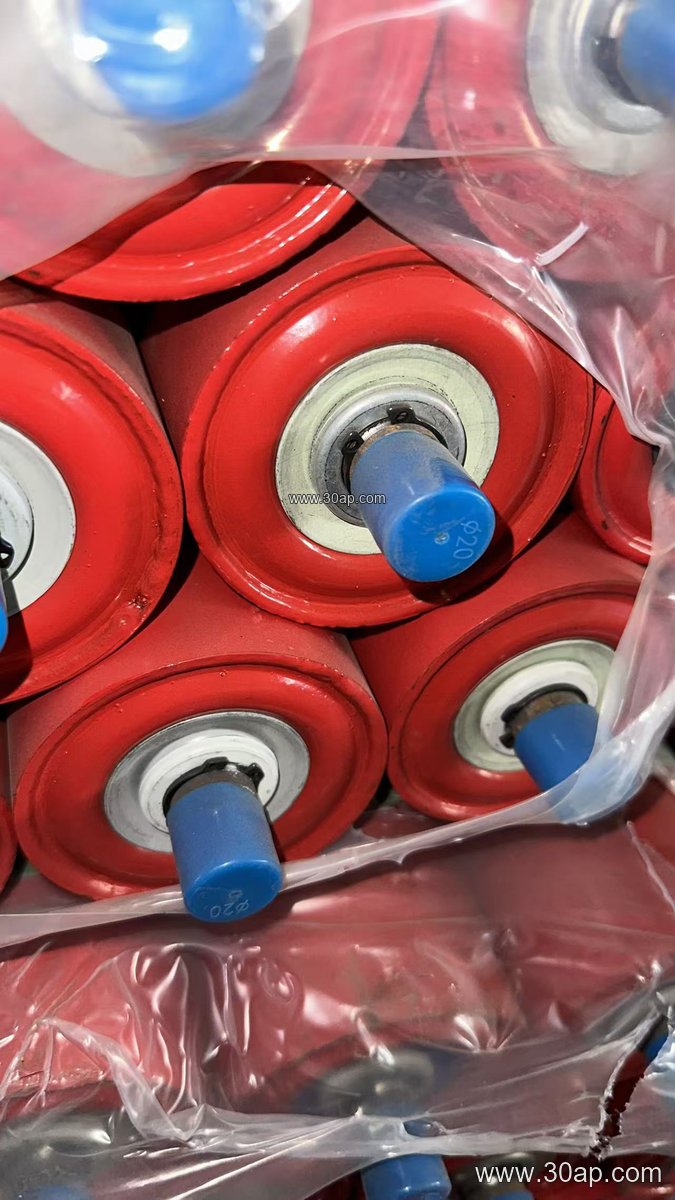
How the Roller Is Built
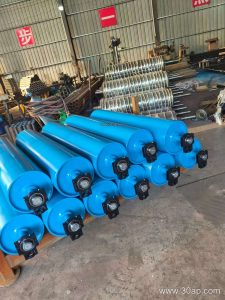
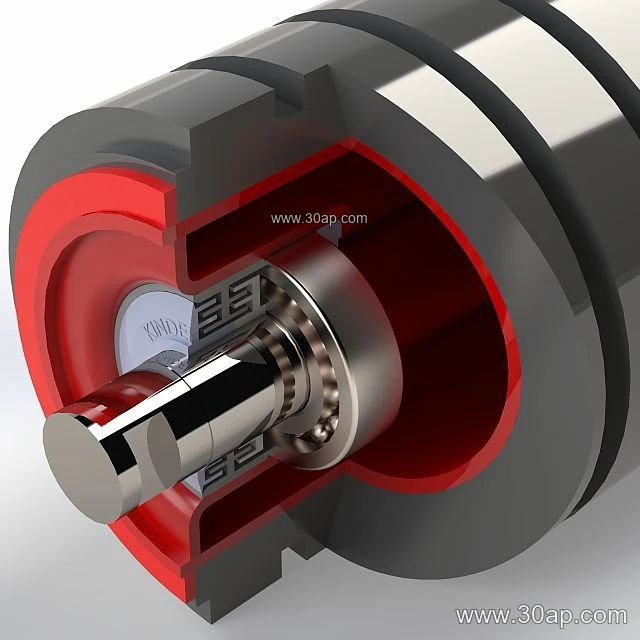
A typical unit uses a steel tube shell, a through shaft, and sealed ball bearings housed at each end. Common shell diameters include Ø89, Ø108, Ø127, Ø133, and Ø159 mm, with larger sizes such as Ø178 or Ø194 mm used on heavy conveyors. Bearing sizes often follow the shaft load, and common choices include 6205, 6305, 6308, and 6310. The roller surface may be plain steel, nylon, rubber lagged, or ceramic covered, depending on whether the goal is friction, wear resistance, or material release.
Tracking versions frequently take one of three forms:
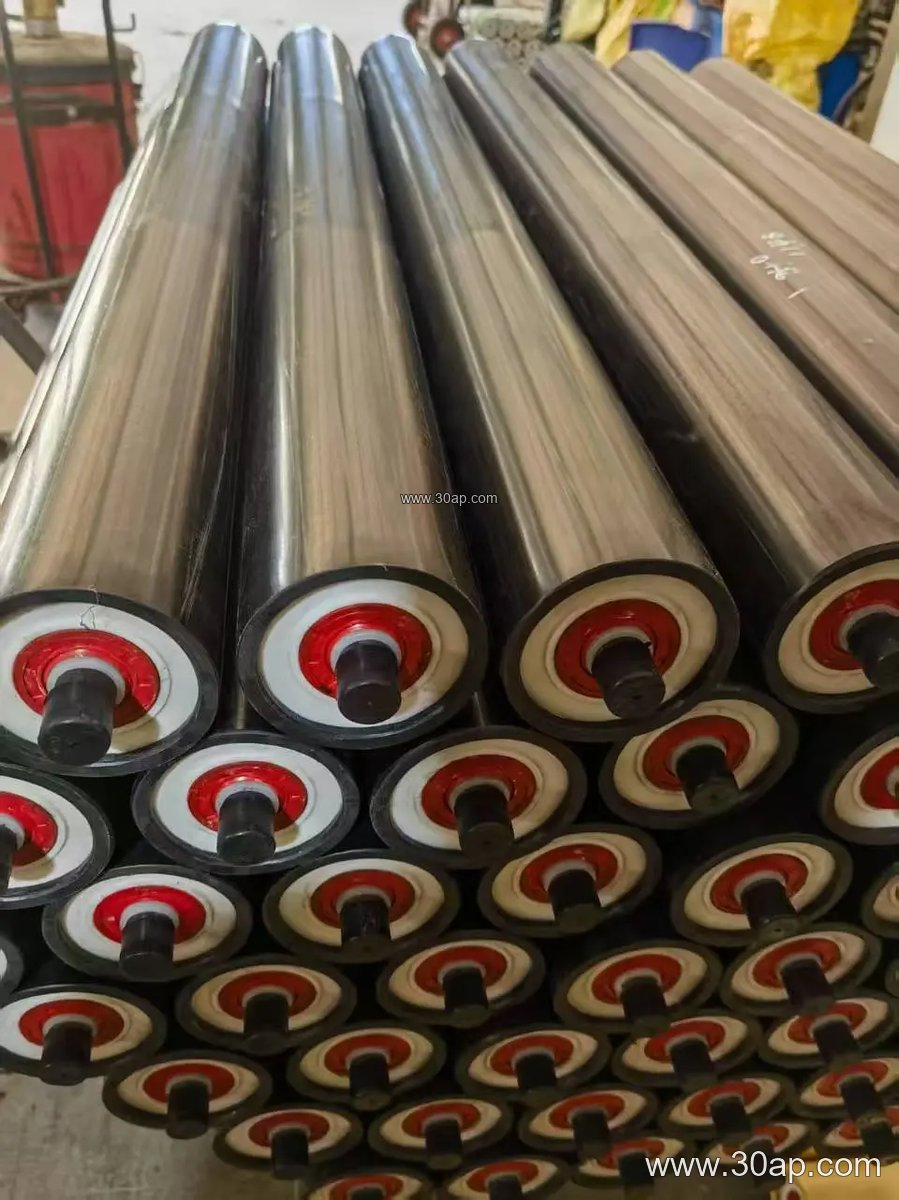
- Tapered self-aligning idler – two conical rollers on a common frame that steer the belt back to center.
- Friction tracking idler – a pivoted frame that swings when the belt touches a vertical guide roller.
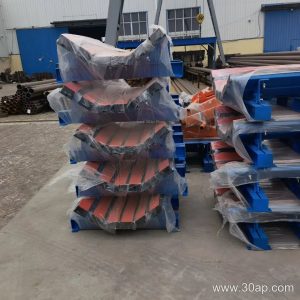
- V-return tracking idler – a V-shaped return roller set that also helps shed spillage and keep the belt on the return run.
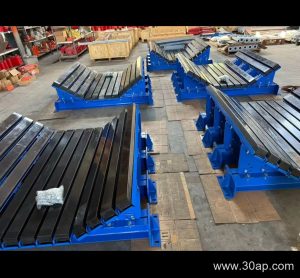
These are distinct from a standard troughing idler, impact idler, or spiral return roller. A troughing idler carries the load in a 20 to 45 degree trough; a tracking idler is chosen for alignment duty. A rubber-disc impact idler is used at load points to absorb shock, not to steer the belt.
Where It Fits on the Conveyor
Tracking idlers are usually placed on the return strand, just ahead of the tail pulley, or on the carrying side before the belt enters a critical transfer point. In a sand and gravel plant, a single self-aligning return idler may be enough on a short conveyor. On a long overland line carrying EP Conveyor Belt or steel cord belting, several tracking stations may be spaced along the run. In underground coal mining, flame retardant belting and anti-static rollers are common, and tracking idlers help keep the belt away from side frames in restricted spaces.
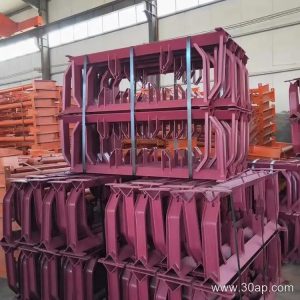
Belt width and roller length are linked by design, not by a fixed rule. A three-roll troughing set on a B800 belt commonly uses roller lengths around 315 mm, while a B1200 set often uses about 465 mm. A tracking idler on the same belt may use a different frame and roller length. The correct combination depends on belt width, trough angle, belt tension, and the space available for the bracket.
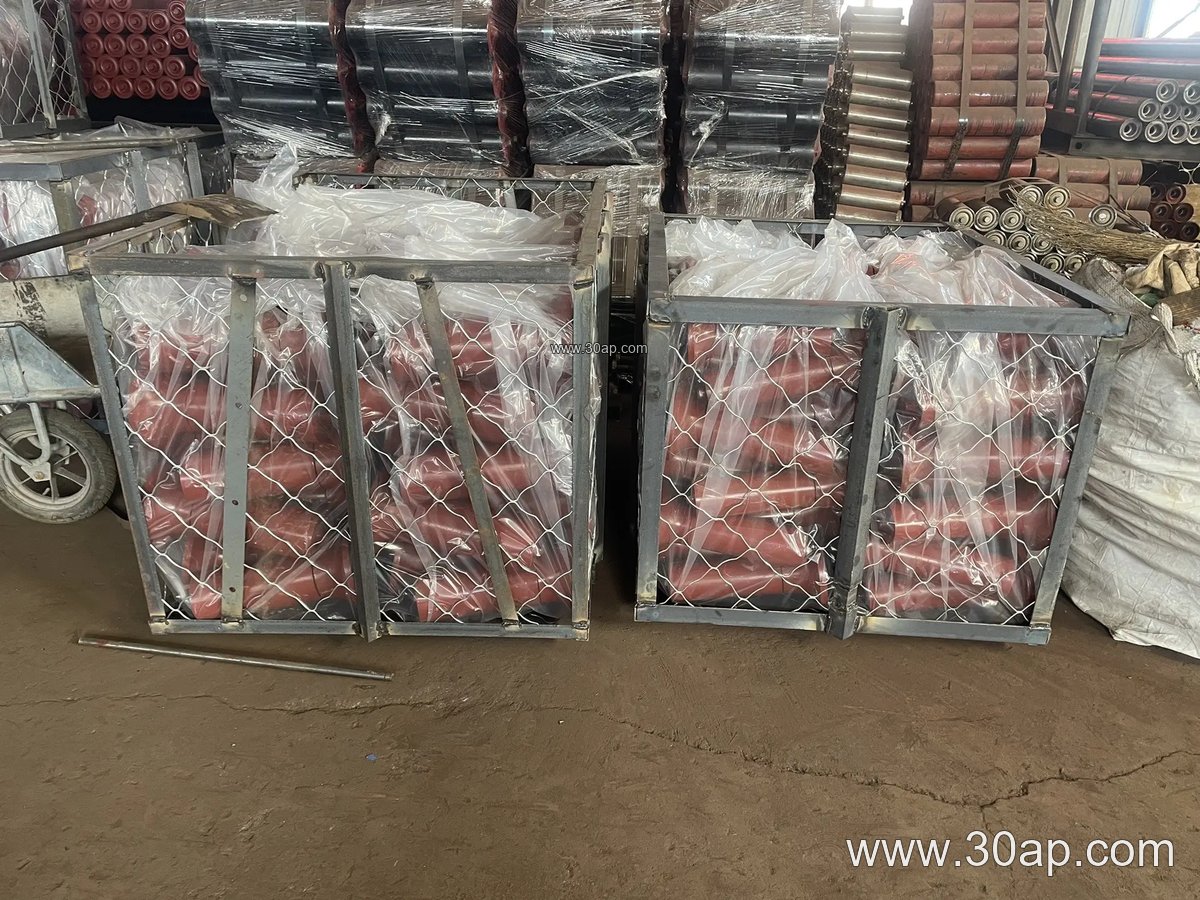
Specifications a Buyer Should Check
When specifying a conveyor belt tracking idler, confirm the mounting dimensions and the roller diameter rather than assuming a size from belt width alone. The table below gives common reference values; actual supply should follow the conveyor design.
| Parameter | Common reference values |
|---|---|
| Roller diameter | Ø63, Ø76, Ø89, Ø102, Ø108, Ø127, Ø133, Ø159, Ø178, Ø194, Ø219 mm |
| Belt width | B400, B500, B650, B800, B1000, B1200, B1400, B1600, B1800, B2000 mm |
| Trough angle | 20°, 30°, 35°, 45° |
| Bearing | 6204, 6205, 6305, 6306, 6308, 6310 |
| Roller surface | Steel, nylon, rubber ring, ceramic |
Also check shaft end type, bracket hole spacing, and sealing arrangement. A good seal keeps dust out of the bearing in a crusher or screening plant, while a worn seal lets grit in and shortens roller life. The conveyor bracket must match the frame and allow the tracking frame to pivot freely.
Selection and Maintenance Notes
Do not oversize the tracking idler for the sake of it. A roller that is too large for the belt may not contact the belt edge correctly, and a frame that is too stiff will not self-align. Match the idler to the belt type: a heavy-duty mining conveyor belt on a primary crusher line may need a reinforced frame, while a food grade or oil resistant belt in a processing plant may need a smooth, non-marking roller surface.
Inspect tracking idlers during routine belt checks. Look for a seized bearing, a flattened roller, or a frame that no longer swings. A tracking idler that stops rotating can act as a drag and actually cause the misalignment it was meant to correct. Keep the belt tension even and the loading centered; no idler can compensate for a badly loaded conveyor or a damaged splice. Used together with well-aligned pulleys and clean skirtboards, a tracking idler is a low-cost way to protect the belt and keep material moving in mines, power plants, and aggregate yards.