What a Power Plant Conveyor Belt Does
A power plant conveyor belt is the continuous moving surface that carries coal, biomass, limestone, ash, or other bulk fuels and residues between unloading, stockyard, crusher, boiler, and ash handling areas. In a coal-fired station, the belt often runs long distances, climbs inclines, and passes through transfer towers where dust, heat, and impact are part of daily operation. The same product family appears in cement plants, mining operations, and port terminals that feed power generation sites.
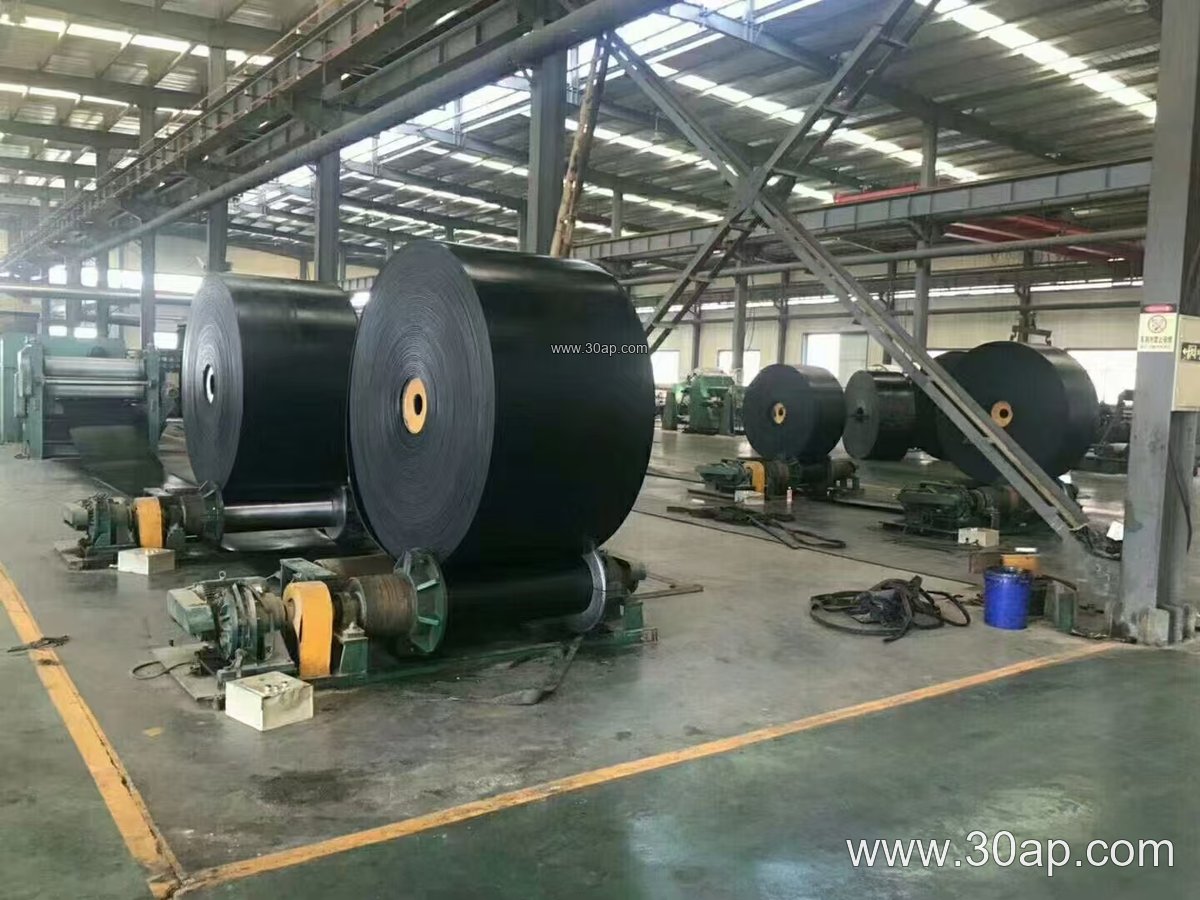
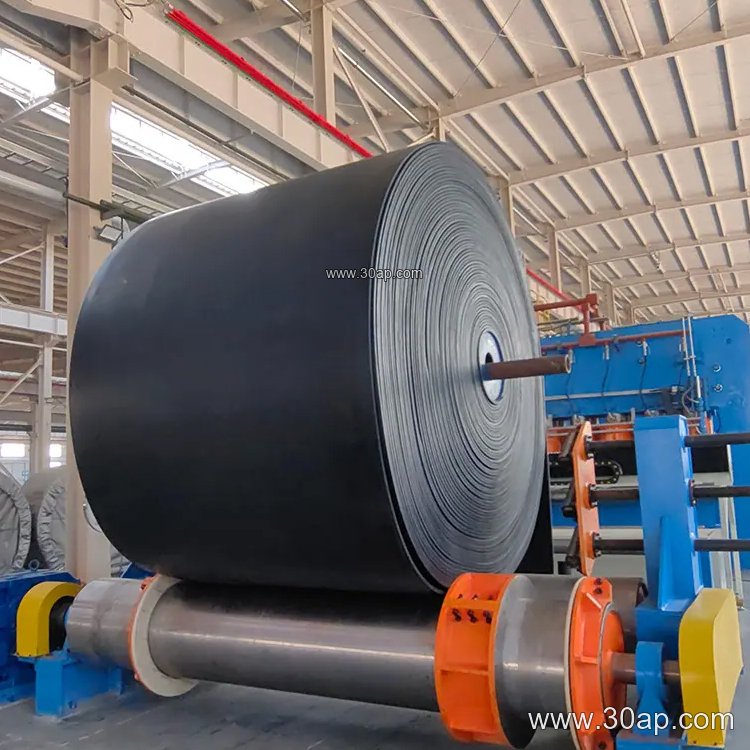
The belt itself is a composite: a carcass that carries tension, and rubber covers that protect the carcass from abrasion, heat, oil, and weather. The carcass may be fabric (EP or NN) or steel cord, and the cover compound is selected for the local duty. Because a power plant may handle several materials, one conveyor line might call for a different specification than the next.
Construction and Common Specifications
Fabric-core belts use multiple plies of synthetic fabric, usually EP (polyester warp, nylon weft) or NN (nylon warp and weft). Steel cord belts use parallel steel wires for high tension over long spans. Cover rubber is specified in top and bottom thicknesses, for example 4+2 mm or 6+2 mm, and the carcass may have 2 to 6 plies depending on load. Flame retardant and anti-static properties are often requested for coal handling, while heat resistant covers suit areas near hot ash or clinker.
Typical reference values include:
- Fabric types: EP200, EP315, EP400, EP500, EP630, EP800, EP1000, EP1250, EP1600, EP2000
- Steel cord grades: ST1000, ST1250, ST1600, ST2000, ST2500, ST3150
- Belt widths: B500, B650, B800, B1000, B1200, B1400, B1600, B1800, B2000
- Cover thickness: 3+1.5, 4+2, 5+2, 6+2, 8+3 mm
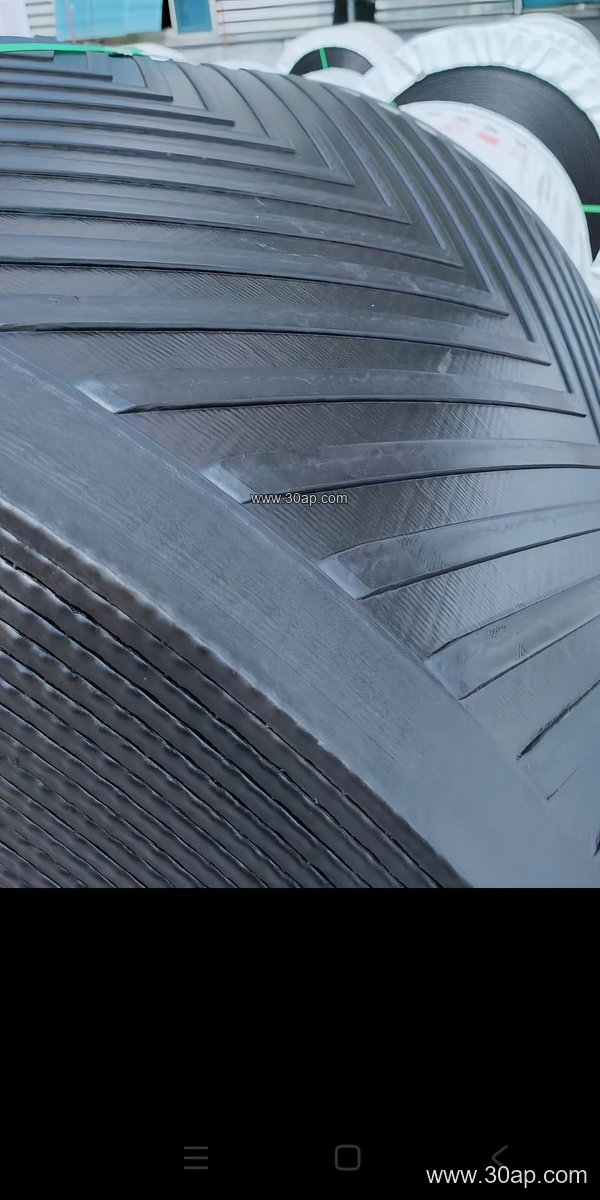
These are common reference ranges, not fixed matches. A wider belt does not dictate one pulley diameter, and shaft size is determined by the conveyor design, not by belt width alone. For inclined transfers, a chevron or corrugated sidewall belt may be considered, but a flat belt remains the standard choice for most main fuel lines.
Where It Fits in the Plant
Power plant belts appear in coal yards, coal handling systems, limestone preparation, biomass reception, and ash conveying. In a mining or quarry setting that supplies the plant, a heavy-duty mining conveyor belt may feed a crusher conveyor belt, while a cement plant conveyor belt handles clinker and additives. Port conveyor belts and ship loading conveyors often use similar carcass designs with covers suited to salt air and bulk cargo.
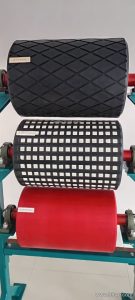
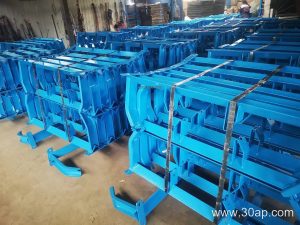
Supporting components matter as much as the belt. A conveyor pulley at the drive, tail, and bend positions transfers motion and maintains tension, while idler rollers support the belt along the run. Conveyor brackets hold idlers and pulleys in alignment. These are separate components with their own specifications and should not be treated as interchangeable with the belt itself.
Buyer Checklist
Before ordering, confirm the material being carried, lump size, moisture, temperature, and any oil or chemical exposure. Check the conveyor profile: length, lift, trough angle, and transfer points. Ask for the belt’s tensile grade, ply count, cover thickness, and any required flame retardant or anti-static behavior. For replacement, match the existing belt width and pulley face, but verify the drive and take-up capacity rather than assuming a direct swap.
On site, keep the belt tracking straight, maintain idler alignment, and inspect splices and edges for wear. Dust control and cleaning reduce buildup on return rollers. Spare belts should be stored away from sunlight and heat. A well-matched power plant conveyor belt, supported by correct pulleys and idlers, keeps fuel moving predictably through every shift.