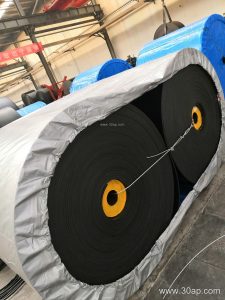
What a Fire Resistant Conveyor Belt Is
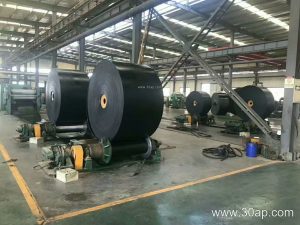
A fire resistant conveyor belt is a rubber conveyor belt designed to slow the spread of flame and reduce the risk of fire propagation along a conveyor line. It is not a substitute for good housekeeping or fire detection, but it adds a layer of protection in places where sparks, hot material, or friction heat can occur. In mining, coal preparation, power plants, and cement plants, this belt is often specified alongside flame retardant conveyor belt and anti-static constructions to meet site safety policies.
The same product is also called a fire retardant conveyor belt or flame resistant belt. These terms refer to the same family of belts with cover compounds and carcass designs that resist ignition and self-extinguish after the ignition source is removed. The exact performance depends on the compound and the test method agreed between buyer and supplier.
Construction and Materials
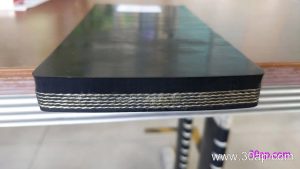
Most fire resistant belts use a fabric core or steel cord carcass. A common choice is an EP conveyor belt with multiple plies of polyester-nylon fabric, covered by a rubber compound with flame retardant additives. For heavier tensions and long overland lines, a steel cord conveyor belt may be used. The cover grade matters: a fire resistant cover is usually combined with abrasion resistance or heat resistance to suit the cargo.
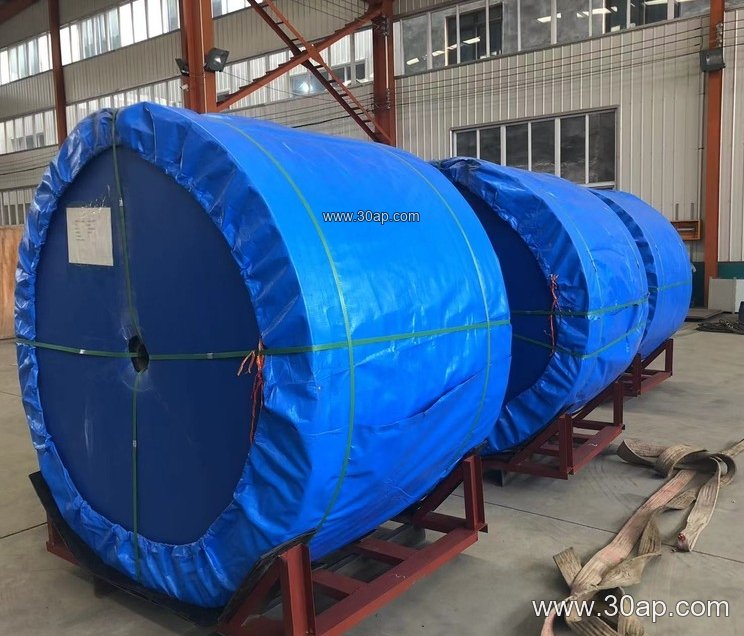
Typical constructions include:
- Multi-ply EP or NN fabric core, 2 to 6 plies, with fire resistant cover.
- Steel cord core for high strength and low elongation.
- PVC or PVG solid-woven belts for underground coal mining, often with anti-static properties.
Cover thickness is commonly given as top plus bottom, for example 4+2 mm, 5+2 mm, or 6+2 mm. The right combination depends on impact, abrasion, and the temperature of the material.
Where It Is Used
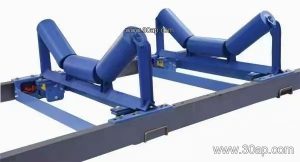
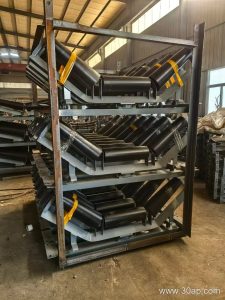
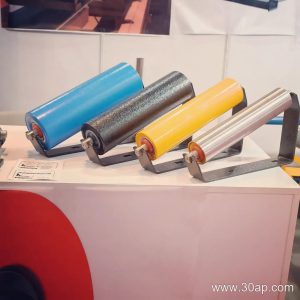
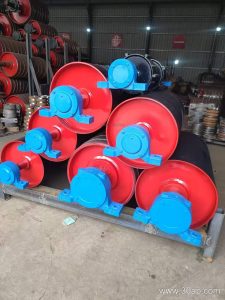
Fire resistant belts are common in underground coal mining, coal handling in power plants, cement plants, and bulk terminals where combustible dust is present. They also appear in steel plants and foundries where hot sinter or sparks may contact the belt. In these environments, the belt works with conveyor pulley, idler roller, and conveyor bracket assemblies that must be aligned and maintained to avoid friction heating.
A fire resistant belt is not the same as a heat resistant belt. A heat resistant conveyor belt is built for hot cargo such as clinker or sinter, while a fire resistant belt focuses on flame propagation. Some belts combine both properties, but the buyer should state both requirements clearly.
Specifications and Selection
Fire resistant belts are available in a range of strengths and widths. The table below shows common reference values; actual supply depends on the manufacturer and the application.
| Property | Common Range | Notes |
|---|---|---|
| Belt width | B500, B650, B800, B1000, B1200, B1400, B1600, B1800, B2000 | Match to conveyor design and lump size |
| Fabric strength | EP200, EP315, EP400, EP500, EP630, EP800, EP1000, EP1250, EP1600, EP2000 | EP = polyester-nylon carcass |
| Steel cord strength | ST1000, ST1250, ST1600, ST2000, ST2500, ST3150 | For high tension and long distance |
| Cover thickness | 3+1.5, 4+2, 5+2, 6+2, 8+3 mm | Top + bottom cover |
| Ply count | 2 to 6 | Multi-ply fabric core |
When selecting, consider the material being carried, the temperature, the risk of sparks, and the available space. A wider belt such as 1200 mm or 1400 mm may be needed for high capacity, but belt width alone does not determine pulley diameter or shaft size. Those are set by the conveyor designer based on tension and load.
Buyer Checklist
Before ordering, confirm the fire resistance standard or test method required by the site. Ask for the cover grade, carcass type, ply count, and strength. Check whether anti-static properties are needed, especially in coal mining. Verify that the belt matches the conveyor belt splicing method and that the supplier provides consistent roll lengths. For underground use, a PVG800S or similar solid-woven belt may be compared with a multi-ply rubber belt, but the final choice should follow the mine’s approval and the conveyor design.
Finally, plan maintenance: keep idlers turning freely, avoid material build-up, and inspect the belt for cuts and exposed carcass. A fire resistant belt performs best when the whole conveyor system is kept in good condition.