What a Bend Pulley Does on a Conveyor
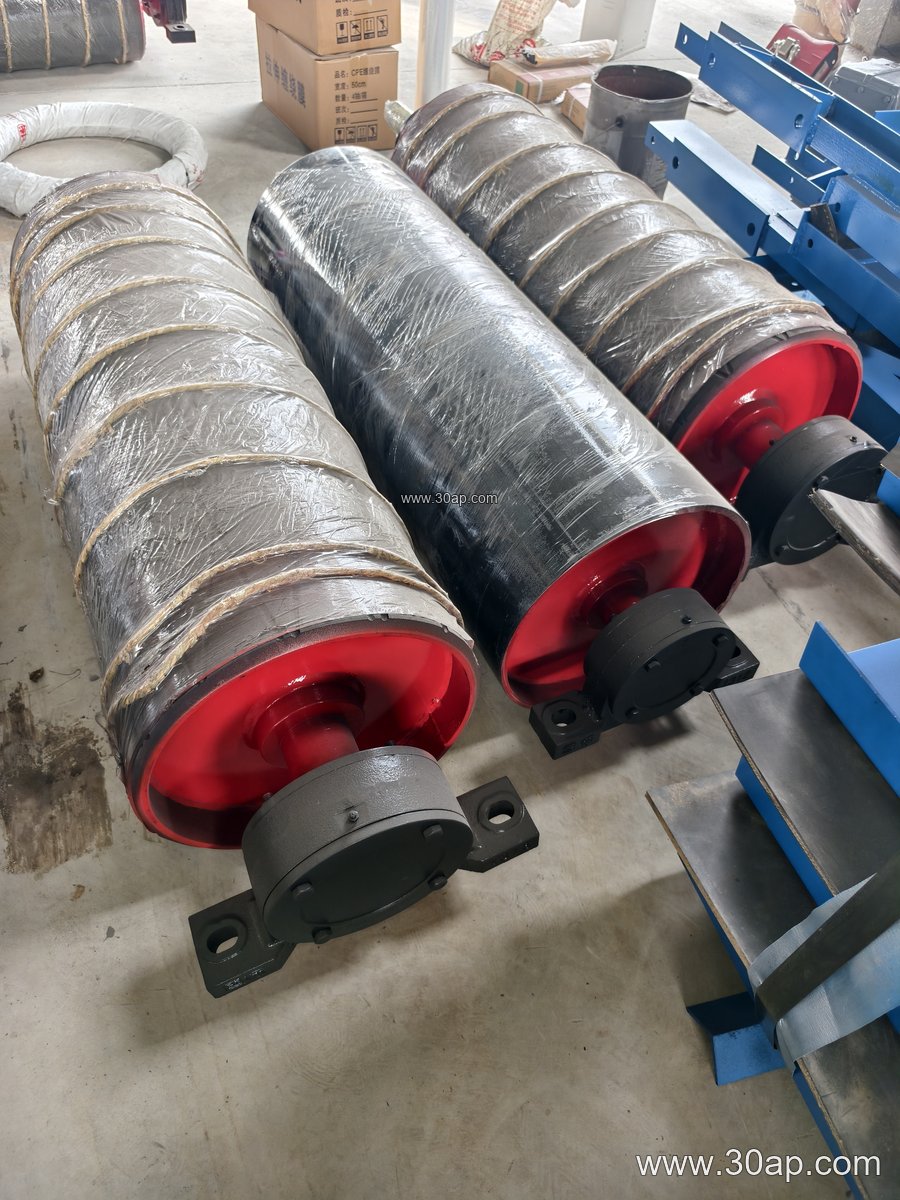
A bend pulley is a direction-changing drum placed where the belt path needs to turn without driving or tensioning the belt. Unlike a drive pulley, which transmits torque, or a tail pulley, which redirects the returning belt at the loading end, a bend pulley simply guides the belt around a curve. It is often used at the head, tail, or take-up section to increase wrap angle, route the belt around obstructions, or shorten the conveyor structure. In a quarry conveyor line or a coal mining conveyor system, a bend pulley helps maintain belt alignment and reduce unnecessary stress on the belt and frame.
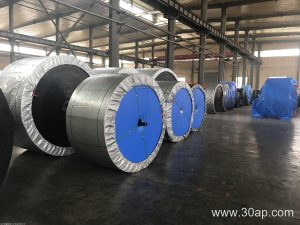
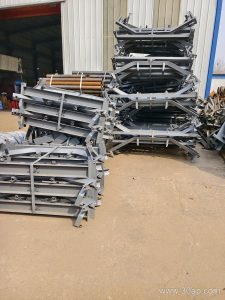
Because it does not drive the belt, the bend pulley is built for smooth rotation and low rolling resistance. It works together with the conveyor belt, idler roller, and conveyor bracket to keep the belt tracking correctly. A properly sized bend pulley can extend belt life by avoiding sharp bends that cause edge damage or ply separation.
Construction and Surface Options
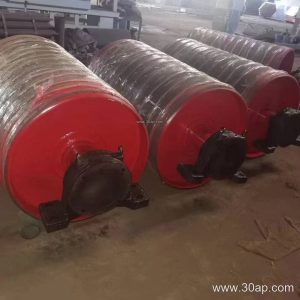
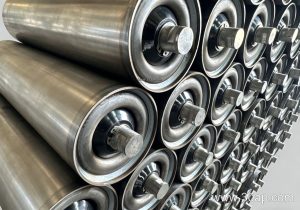
A bend pulley typically consists of a cylindrical shell, shaft, bearing housings, and a lagging surface. The shell is usually made from steel tube or rolled plate, machined for balance. The shaft is sized according to torque and radial load, not simply by belt width. Common shaft diameters include Ø50, Ø60, Ø70, Ø80, Ø90, Ø100, Ø120, Ø140, Ø160, Ø180, and Ø200, but the final choice depends on the conveyor design and belt tension.
Surface lagging improves friction and protects the shell. For a bend pulley, plain surface, rubber lagging, or ceramic lagging may be used depending on the environment. Common lagging thicknesses are 8, 10, 12, 15, and 20 mm. Diamond or herringbone grooving can help with water drainage in wet conditions. In a cement plant or power plant coal handling system, a lagged bend pulley reduces belt slip and wear.
Common Bend Pulley Reference Dimensions
| Belt Width (mm) | Typical Pulley Face Width (mm) | Common Diameter Range (mm) |
|---|---|---|
| B400 | 500 | Ø200–Ø315 |
| B500 | 600 | Ø250–Ø400 |
| B650 | 750 | Ø315–Ø500 |
| B800 | 950 | Ø400–Ø630 |
| B1000 | 1150 | Ø500–Ø800 |
| B1200 | 1400 | Ø630–Ø1000 |
| B1400 | 1600 | Ø800–Ø1250 |
| B1600 | 1800 | Ø1000–Ø1400 |
| B1800 | 2000 | Ø1250–Ø1600 |
| B2000 | 2200 | Ø1400–Ø1800 |
These values are for reference only; actual selection depends on belt tension, wrap angle, and space constraints. A bend pulley for a B1200 belt might use a Ø1000 diameter in one system and a smaller diameter in another if the belt is more flexible or the load is lower.
Where Bend Pulleys Are Used
In a limestone quarry or aggregate conveyor line, bend pulleys are often installed at the head section to route the belt back toward the tail. In underground coal mining, they help guide the belt around tight corners and take-up loops. A cement plant may use them on clinker conveyors where heat and dust are present, so heat resistant lagging or a heat resistant conveyor belt may be paired with the pulley. In a port bulk terminal or ship loading system, bend pulleys help manage long belt runs with multiple curves.
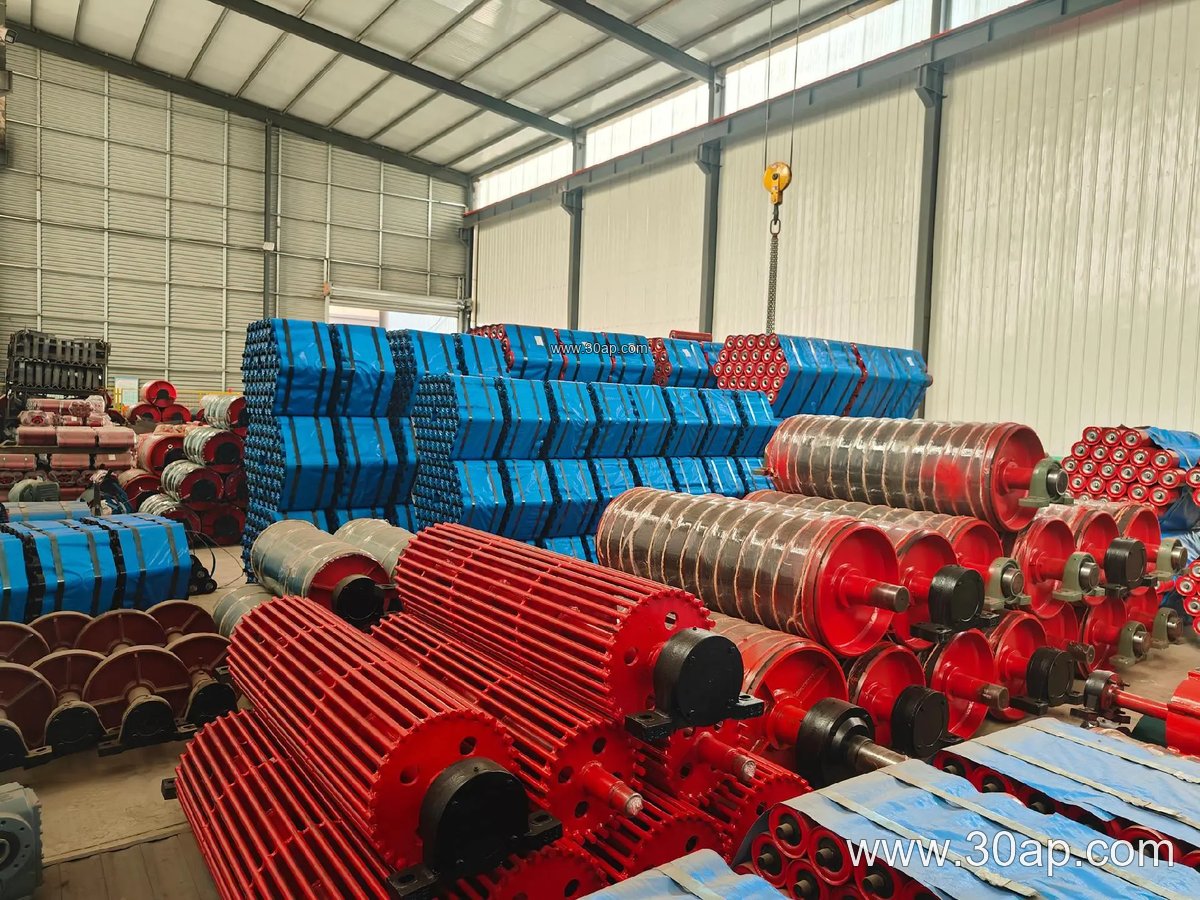
The bend pulley also works with the take-up system. A screw or gravity take-up may use a bend pulley to increase belt wrap around the take-up pulley, improving tension control without adding extra length. In such cases, the bend pulley diameter should be large enough to avoid excessive bending stress on the belt, especially with steel cord conveyor belt or thick fabric core belt.
Buyer Checklist for Bend Pulleys
- Belt width and pulley face width: The pulley face is usually wider than the belt. For example, a B800 belt often uses a 950 mm face, but confirm with the conveyor design.
- Diameter: Larger diameters reduce belt bending stress but take more space. Typical diameters range from Ø200 to Ø1800 depending on belt width and tension.
- Shaft diameter: Do not assume a shaft size from belt width alone. Shaft size depends on torque, load, and bearing selection.
- Lagging: Choose plain, rubber, or ceramic lagging based on grip and wear. Lagging thickness of 10 or 12 mm is common, but 8 to 20 mm is available.
- Bearing type: Self-aligning ball or spherical roller bearings are common; the housing must suit the conveyor bracket.
- Application environment: For coal mining or underground mining, flame retardant and anti-static properties may be required for the belt and pulley lagging.
When specifying a bend pulley, also consider the conveyor belt type. A heavy-duty mining conveyor belt with high tension may need a larger pulley diameter than a lightweight fabric core belt. For abrasive materials such as iron ore or copper ore, abrasion resistant lagging helps. For food or clean environments, a food grade belt may require a stainless or coated pulley surface.
Maintenance and Compatibility
Regular inspection of the bend pulley should include checking bearing temperature, lagging wear, and shell runout. Misalignment can cause belt tracking problems and premature idler roller failure. Keep the pulley clean and ensure the conveyor bracket bolts remain tight. A bend pulley is not interchangeable with a drive pulley or tail pulley; each has a distinct role. Using the correct subtype for the location prevents belt slip and extends the life of the entire conveyor system.
For more information on conveyor components, visit conveyor pulley and conveyor belt resources. Selecting the right bend pulley for your quarry, coal mine, or cement plant helps keep material flowing efficiently.