What a Four-Roll Idler Bracket Does
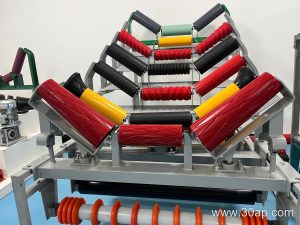
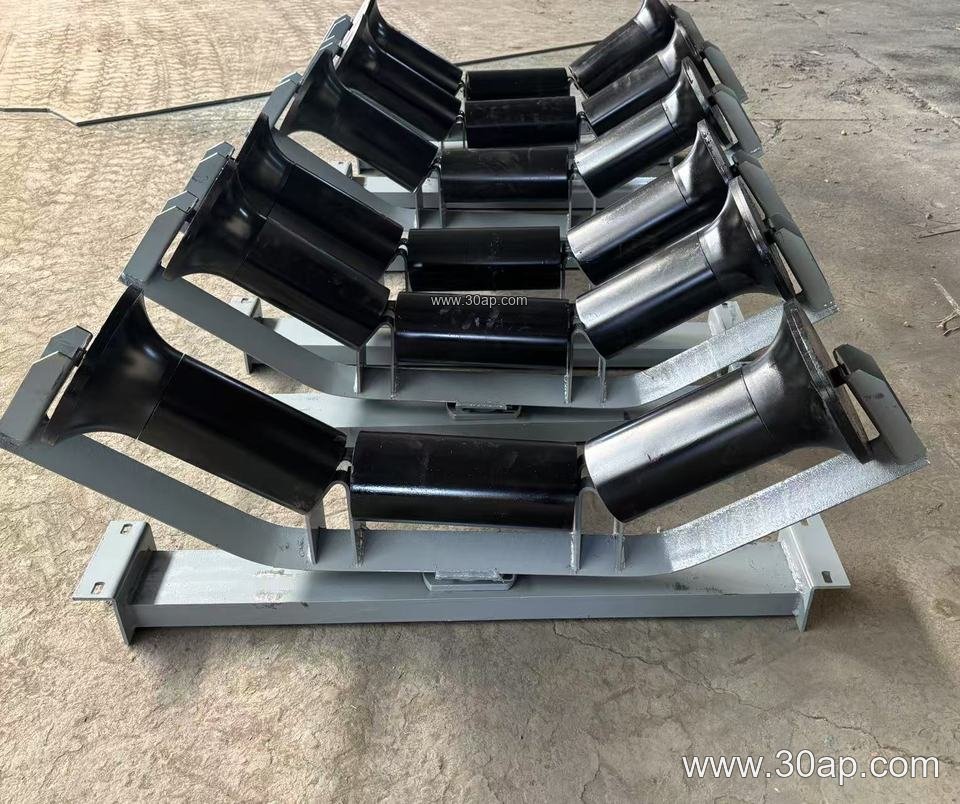
A four-roll idler bracket is the steel support assembly that carries four idler rollers under a loaded conveyor belt. Instead of the usual three-roll trough, it spreads the belt load across a wider, flatter arc, which helps on high-capacity lines where a standard trough would pinch the belt or overload a single roller. In a quarry, a coal washing plant, or a cement clinker line, this bracket keeps the belt tracking steadily while the material rides deep in the trough.
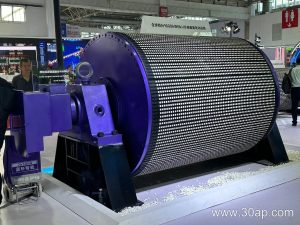
The bracket is not a pulley. Drive pulleys, tail pulleys, and bend pulleys all turn the belt and transmit tension, while a four-roll bracket simply holds idlers in position. It is also different from a V-return bracket or a plain lower flat bracket, which sit under the empty strand. The four-roll design belongs to the carrying side and works together with the conveyor belt, the idler roller set, and the frame stringers.
How the Assembly Is Built
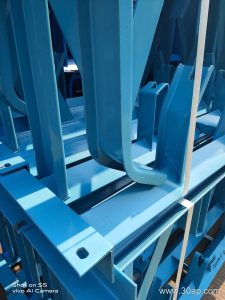
Most units are fabricated from angle steel, channel steel, or folded steel plate, welded into a base beam with two outer wings and an inner pair of seats. The four rollers sit in two shallow V shapes or along a gentle curve, giving the belt a wide support cradle. Common workshop practice includes drilling or slotting the mounting holes so the bracket can be bolted to the middle stringers, and adding gussets at the wing joints to resist vibration.
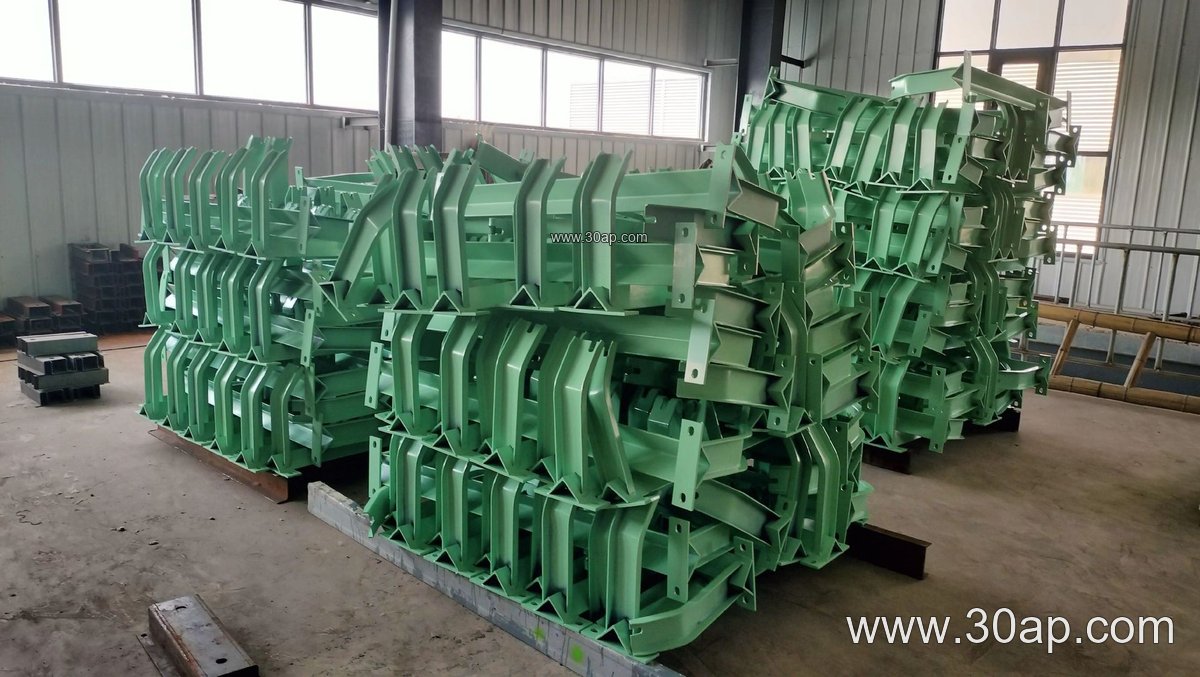
Surface treatment is usually hot-dip galvanizing or a primer and topcoat, chosen to suit dusty, wet, or corrosive service. On a coal mining conveyor or an iron ore line, the bracket may be specified with thicker plate and reinforced welds. Buyers should ask for the weld quality, plate thickness, and coating system rather than assuming every frame is built for the same duty.
Where It Fits on the Conveyor
The four-roll bracket is often used at transfer points, under crusher discharge, and along long overland runs where belt width is large and tonnage is high. It can appear in a stone crushing plant feeding an aggregate conveyor belt, in a power plant coal yard, or in a port ship loading line. Because the belt is supported over a wider span, the arrangement can reduce edge stress and help control spillage on wide belts.
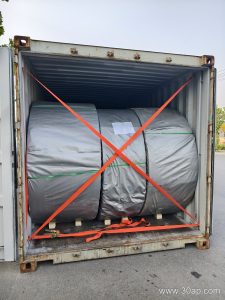
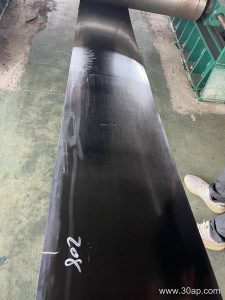
In dusty service, the bracket should be paired with the right roller seal and a belt that suits the environment, such as a flame retardant conveyor belt underground or a heat resistant conveyor belt near kilns and sinter lines. A heavy-duty mining conveyor belt with a strong fabric or steel cord carcass is a common match for this kind of support, but the final choice depends on the load, speed, and lump size.
Matching Bracket, Belt, and Roller
Selection starts with belt width and the required trough angle. Typical carrying brackets are made for B500 up to B2200, with trough angles of 20, 30, 35, or 45 degrees. Roller diameter is chosen from the load and belt speed, with Ø89, Ø108, Ø133, Ø159, and Ø194 being common. A B800 belt at 35 degrees with Ø108 rollers is a normal light-to-medium arrangement, while a B1200 line at 45 degrees with Ø133 rollers suits heavier ore duty. These are reference combinations, not fixed rules, and the mounting hole spacing and beam length change with width and angle.
- Fixed bracket: welded angle set at one trough angle, simple and rigid.
- Adjustable bracket: slotted or pivoting wings that allow the trough angle to be changed on site.
- Impact bracket: reinforced frame placed under loading zones to absorb lump impact.
The four-roll frame is sometimes compared with a three-roll trough bracket, which is lighter and cheaper but gives a narrower cradle. For a very wide belt or a high tonnage transfer, the extra support of the four-roll layout can be worthwhile. On a smaller sand making plant conveyor, a standard three-roll set may be enough, so the choice should follow the duty rather than habit.
Buyer Checklist
Before ordering, confirm the belt width, the target trough angle, the roller diameter, and the bolt hole pattern on the existing stringers. Ask for a drawing that shows the overall length, the roller seat spacing, and the mounting holes, because these dimensions are set by the conveyor design. Check that the steel grade and coating suit the site, whether that is a limestone quarry, a fertilizer plant, or a tunnel muck line. Also confirm whether the frame is fixed or adjustable and whether impact reinforcement is needed at the load point.
Good maintenance is simple: inspect for loose bolts, bent wings, and worn roller seats, and clean out packed material that can distort the trough. A bracket that stays square and tight keeps the idler roller turning freely and protects the conveyor belt from edge damage. For more conveyor components, visit beltconveyorparts.com and review idler, bracket, and belt options together.