What a Motorized Pulley Is
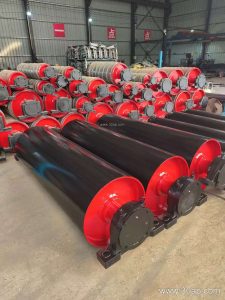
A motorized pulley is a self-contained drive unit in which the electric motor and gear reducer are mounted inside the drum shell. Because the drive train is enclosed, the unit takes up very little space at the head of a conveyor and needs no external gearbox, coupling guard or exposed chain. Maintenance staff in a quarry, a cement clinker line or a power plant coal yard often prefer this arrangement because there is nothing swinging or spinning outside the frame. The product is also known as a drum motor, and both names describe the same component.
In a typical belt conveyor the drive function is performed by a drive pulley; a tail pulley turns the belt at the return end, and a bend pulley changes belt direction. These roles are not interchangeable, and a motorized pulley is specifically a drive solution, not a substitute for a tail or bend pulley.
How the Unit Is Built
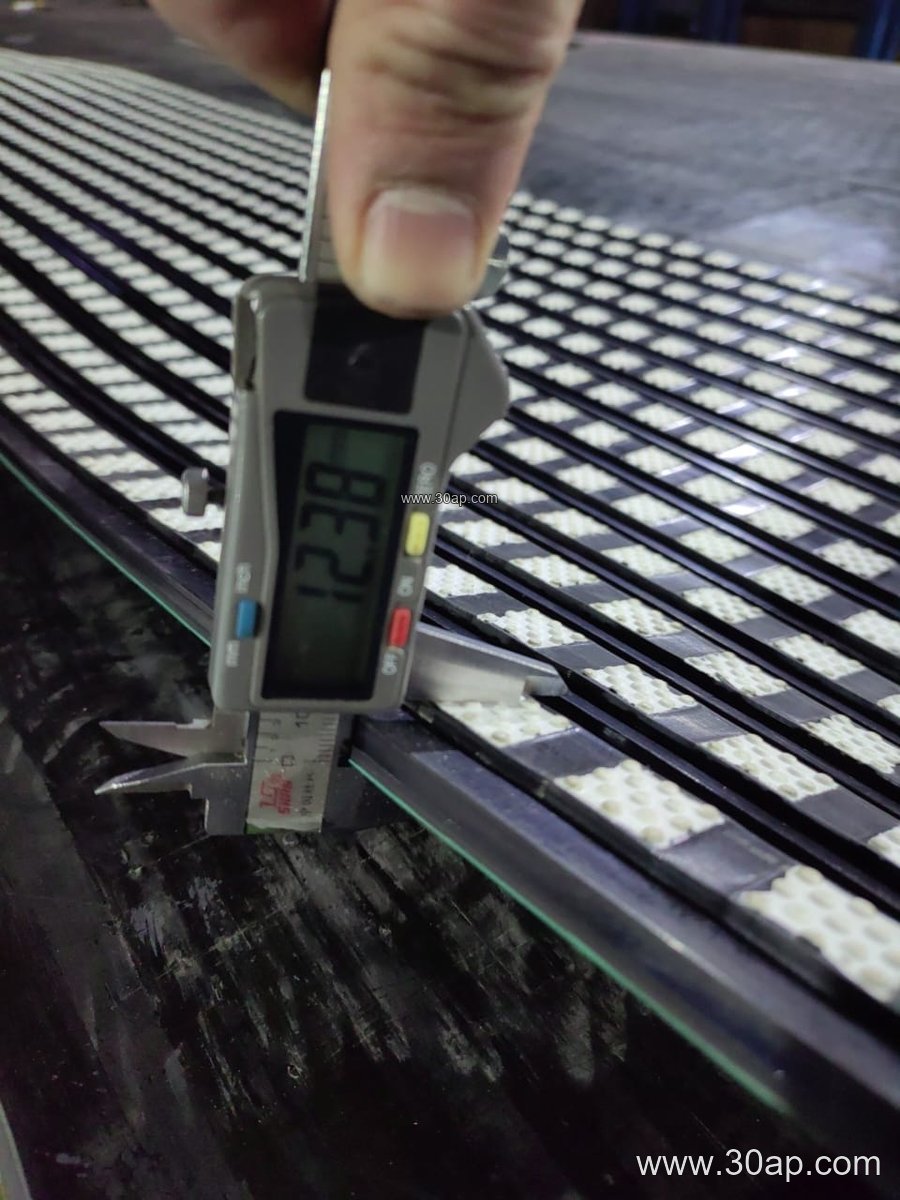
Inside the shell sit the stator and rotor, a planetary or helical gear stage, bearings and a sealing system. Lubricating oil both cools the motor and carries heat to the shell, which then dissipates it to the moving belt and the surrounding air. Shells are usually machined steel; the surface may be plain, or covered with rubber lagging applied by vulcanizing or cold bonding. Diamond or herringbone lagging improves grip on wet or dusty belts, while ceramic lagging suits very abrasive service.
Common surface options include plain, molded rubber, cold-bonded rubber, hot-vulcanized rubber, diamond lagging, herringbone lagging and ceramic lagging, with lagging thickness often 8, 10, 12, 15 or 20 mm depending on duty. Sealing quality matters most in washing plants and underground coal mining, where water and fines attack bearings.
Where It Fits on the Line
Motorized pulleys are common on short and medium conveyors in aggregate plants, sand and gravel pits, fertilizer handling, grain silos and tunnel spoil removal. They also appear on ship loaders and in recycling lines where a compact head end is an advantage. On a long overland conveyor carrying iron ore or copper ore, the required power usually favors a conventional drive pulley with an external gearbox, so the drum motor is not automatically the right answer for every duty. A drive pulley paired with a heavy-duty conveyor belt remains the standard for very high tension and power.
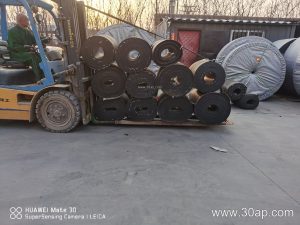
Because the belt wraps the shell directly, the drum motor works closely with the belt specification. A thick, stiff belt such as a steel cord conveyor belt needs a larger diameter to limit bending stress, while a lighter EP conveyor belt or multi-ply fabric core belt can run on a smaller drum. Abrasion resistant conveyor belt grades in a stone crushing plant will wear the lagging faster, so thicker rubber is worth considering.
Sizing Notes for Buyers
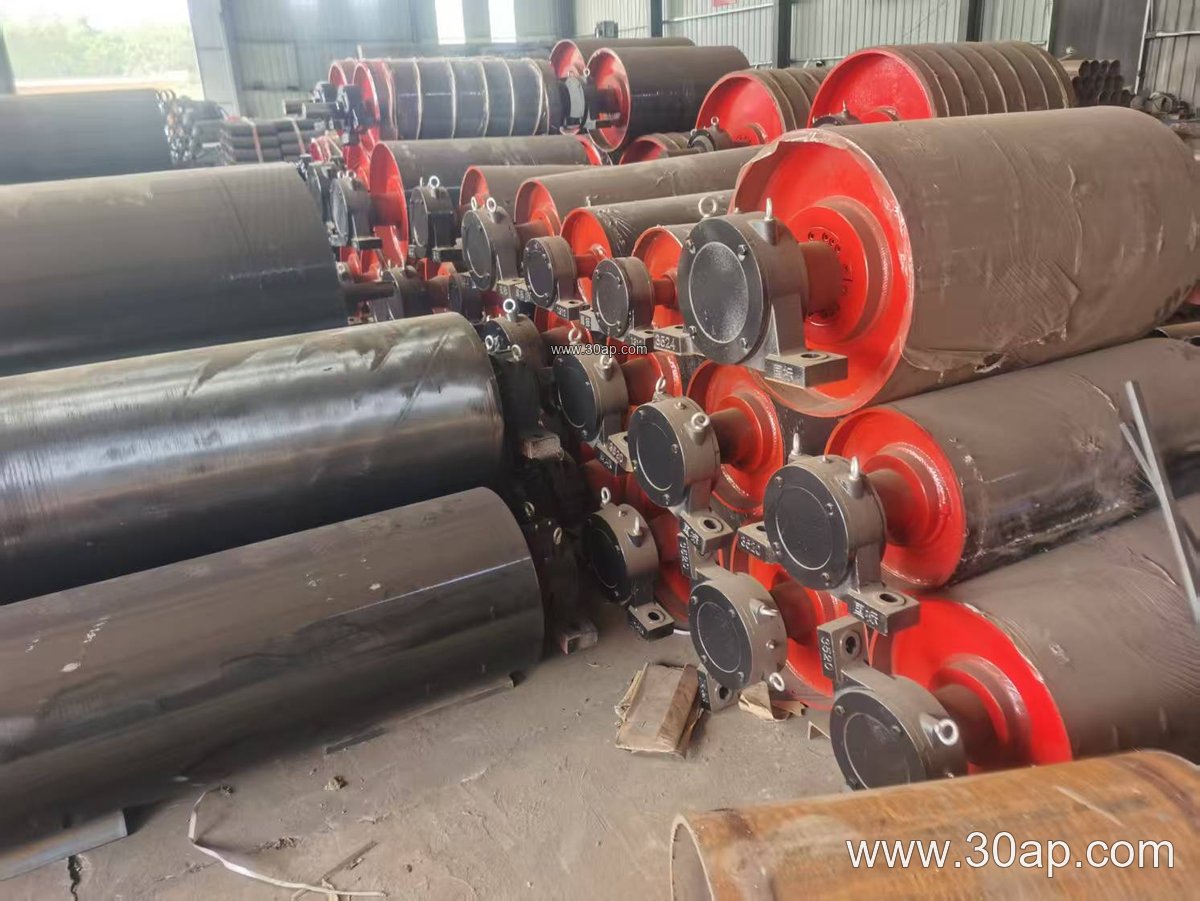
Belt width and pulley diameter are related but not locked together. The shell face is normally wider than the belt, for example B800 with a face of about 950 mm, or B1200 with about 1400 mm. Diameter is chosen from belt tension, belt thickness, speed and the allowable bending radius. Shaft diameter follows torque and load, not belt width alone. The table below lists reference values that are common in the market; they are not fixed combinations.
| Item | Common reference values |
|---|---|
| Belt width | B400, B500, B650, B800, B1000, B1200, B1400, B1600, B1800, B2000 |
| Shell diameter | Ø200, Ø250, Ø315, Ø400, Ø500, Ø630, Ø800, Ø1000 |
| Lagging thickness | 8, 10, 12, 15, 20 mm |
| Shaft diameter | Ø50, Ø60, Ø70, Ø80, Ø90, Ø100, Ø120, Ø140, Ø160 |
Typical combinations seen in practice include B800 x Ø500 and B1200 x Ø1000, but a buyer should confirm each case with the conveyor designer. Do not assume that one belt width can only match one diameter.
Selection and Maintenance Checklist
- Confirm the duty: continuous or intermittent, hours per day, ambient temperature and dust level.
- Check belt type and tension; a heat resistant conveyor belt in a cement plant kiln area may need a heat-tolerant drum and lagging.
- Match the lagging to conditions: diamond for wet belts, ceramic for sharp aggregate, plain for light duty.
- Verify sealing class for washdown or underground service, and confirm the oil fill and change interval.
- Allow access for oil level checks and for lifting the unit during replacement.
- Check that the conveyor bracket and frame can carry the drum motor weight and reaction torque.
Routine checks should cover oil condition, seal leakage, shell wear and lagging condition. A worn lagging surface reduces grip and can cause belt slip, especially on a quarry conveyor belt carrying damp stone. Re-lagging is usually cheaper than replacing the whole unit.
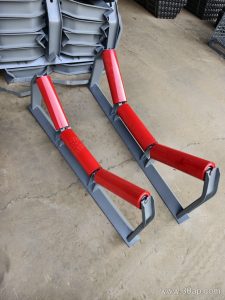
For conveyors that also use idler roller sets and a standard conveyor pulley at the tail, the drum motor simply replaces the head drive assembly. Buyers comparing options should weigh energy efficiency, enclosure protection and maintenance access against initial cost, then confirm the final size with the belt supplier and the conveyor designer.