What an Ore Conveyor Idler Does on a Belt Line
An ore conveyor idler is the rotating roller assembly that supports the loaded belt and keeps it tracking between the head and tail of a conveyor. In a hard rock circuit it carries broken rock, screened aggregate or damp concentrate, so the roller has to cope with sharp edges, dust and a steady load rather than a clean, light product. The idler is not a drive component; it is a support element that works together with the conveyor pulley, the conveyor belt and the conveyor bracket that holds the frame.
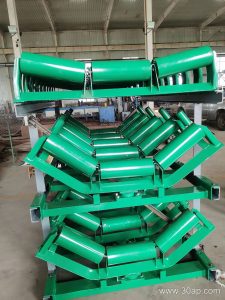
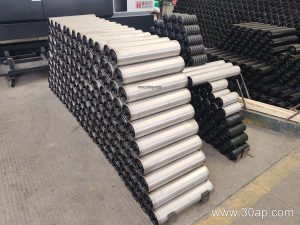
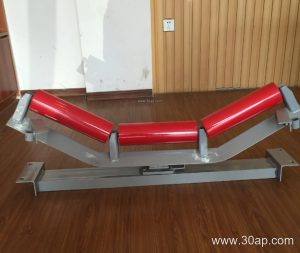
Because the load is heavy and often abrasive, the idler roller is usually built around a steel tube shell, welded end discs and a shaft running through sealed bearing housings. Roller diameter and wall thickness are chosen together with belt width and belt speed, not in isolation. A typical troughing set may use three rolls at a 30 or 35 degree trough angle, while a return side may use a single flat roll or a V-shaped return set.
Construction Details That Matter Underground and in a Quarry
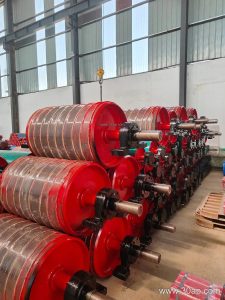
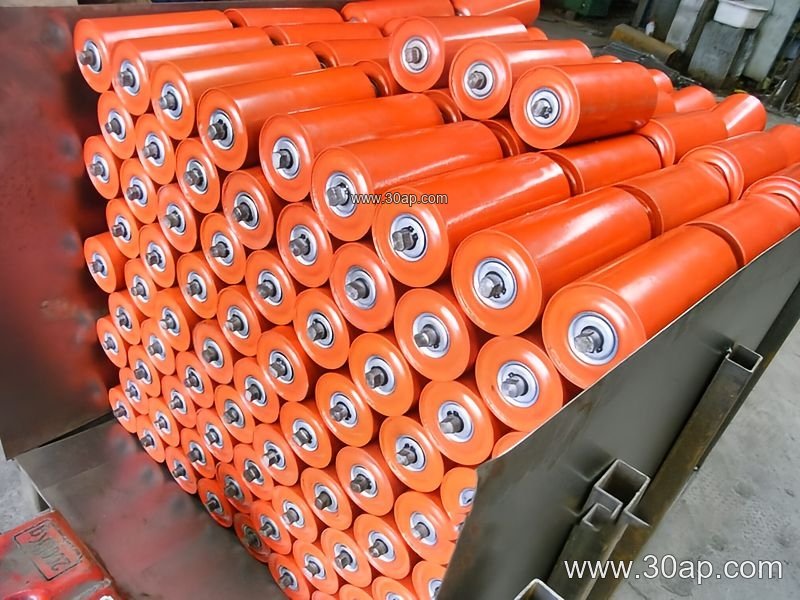
The shell is often a steel tube, though nylon, ceramic or rubber-ring surfaces appear where wear or impact is concentrated. Rubber rings are common at transfer points, where falling ore would otherwise dent a plain steel shell. Seals and bearing choice decide how long the roller survives in a dusty quarry or a wash plant. Common bearing numbers include 6204, 6205, 6305, 6306, 6308 and 6310, but the bearing is matched to shaft and load by the designer rather than fixed to one roller diameter.
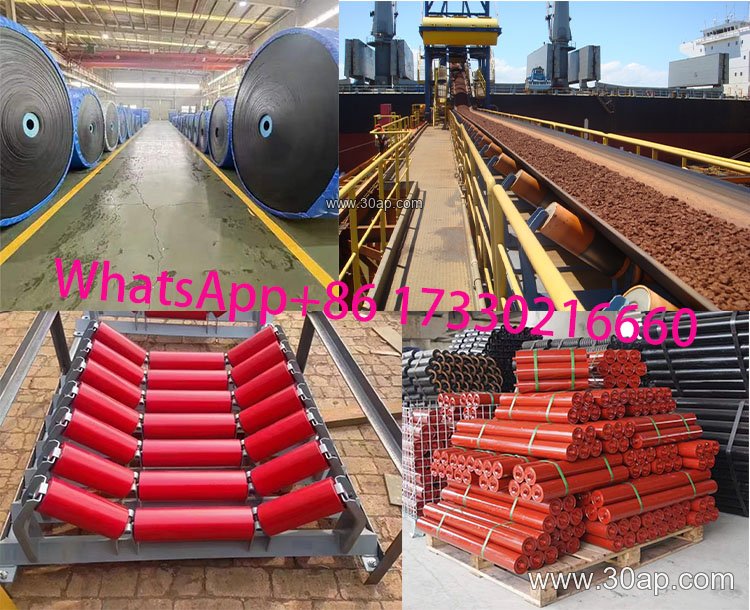
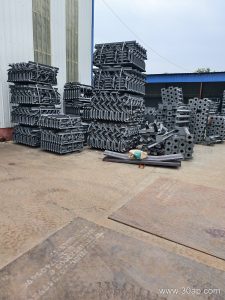
On a heavy-duty mining conveyor belt line, the difference between an ordinary carrying idler and a buffer idler is mostly in the surface and the frame. A buffer idler with rubber rings absorbs impact under a crusher discharge, while a plain troughing idler further along the line simply carries the settled load. The same logic applies on an iron ore conveyor belt or a copper ore conveyor belt: the first rows after the chute need more impact tolerance than the long carrying run.
Where These Rollers Are Used
Ore conveyor idlers appear in limestone mines, iron ore plants, copper concentrators, coal preparation plants, cement plants and power station coal handling. In a crushing and screening circuit they sit under a crusher conveyor belt and around the screen feed. In a port or stockyard they support a wide conveyor belt moving bulk material at high tonnage. The working environment changes the specification: a wash plant favours sealed, corrosion-aware assemblies, while a sintering or cement line may need heat-resistant grease and careful clearance.
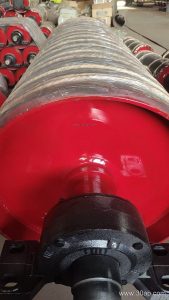
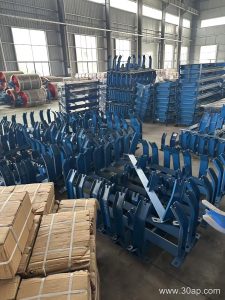
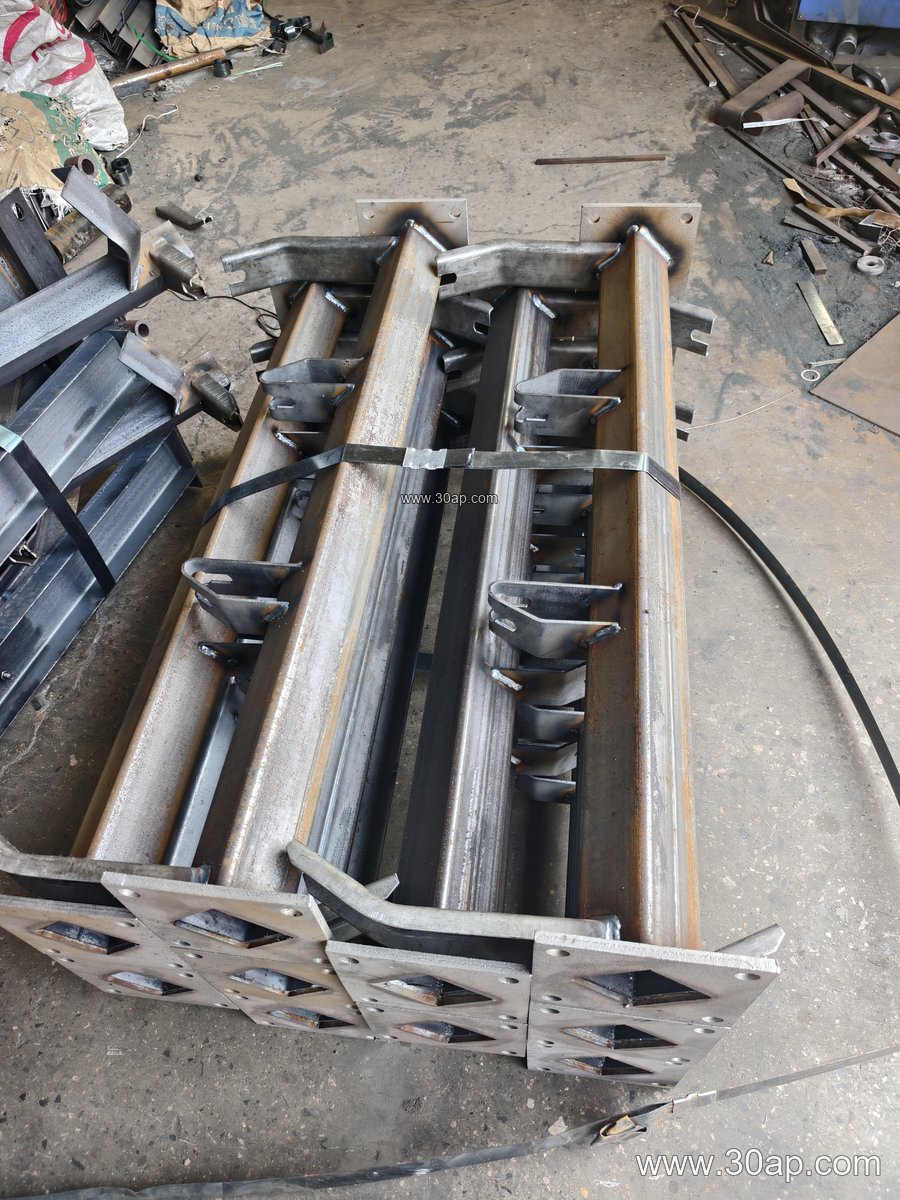
Elsewhere on the same conveyor, the conveyor pulley at the drive and tail does the pulling and redirecting, and the conveyor bracket ties the idler frame to the stringer. Keeping those roles separate helps when ordering spares, because an idler is not a substitute for a bend or tail pulley.
Common Sizes and How They Pair With Belt Width
The table below gives reference values only. Roll length, trough angle and roll diameter are confirmed by the conveyor design, and side rolls may differ from the centre roll.
| Belt width | Typical roll length, three-roll troughing | Common trough angles |
|---|---|---|
| B500 | about 200 mm | 20, 30, 35 degrees |
| B650 | about 250 mm | 20, 30, 35 degrees |
| B800 | about 315 mm | 30, 35, 45 degrees |
| B1000 | about 380 mm | 30, 35, 45 degrees |
| B1200 | about 465 mm | 30, 35, 45 degrees |
| B1400 | about 530 mm | 35, 45 degrees |
| B1600 | about 600 mm | 35, 45 degrees |
| B1800 | about 670 mm | 35, 45 degrees |
Roller diameters commonly range from Ø63 and Ø76 on lighter runs up to Ø159, Ø178 or Ø219 on heavy carrying positions. A larger diameter lowers rotation speed for a given belt speed, which can help bearing life on a long overland line. None of these values should be read as a fixed match: a 1200 mm belt can be served by more than one roller diameter depending on load and spacing.
Buyer Checklist Before Ordering
- Confirm the belt width and the actual roll length, including side-roll dimensions.
- State the trough angle and whether the set is two-roll or three-roll.
- Identify the position: carrying, impact, transition, return or self-aligning.
- Describe the material, moisture and temperature so seals and grease can be chosen.
- Check shaft ends, frame centres and bracket type against the existing conveyor.
For a coal mining conveyor belt or an underground coal mining conveyor belt, flame retardant and anti-static properties are usually specified for the belt itself, and the idler specification follows the same safety logic. Matching an abrasion resistant conveyor belt with a well-sealed roller reduces the chance of a seized idler cutting the cover. On a quarry conveyor belt or aggregate conveyor belt, impact idlers under the hopper and self-aligning idlers on the long run are often the two positions that need the most attention.
Spare parts planning is simpler when the plant keeps a small set of common roller diameters and bearing sizes rather than a unique idler for every conveyor. A short walk along the line, recording belt width, trough angle and roll length, gives the buyer enough information to order an ore conveyor idler that fits the first time.