Understanding Conveyor Brackets in Bulk Material Handling
When specifying a conveyor system for a quarry, coal preparation plant, or power station coal yard, the conveyor bracket is a structural component that directly influences idler alignment and belt tracking. Often referred to as an idler bracket or conveyor support bracket, this part forms the interface between the conveyor frame and the idler roller, holding the roller at the correct angle and elevation. Procuring the right bracket means matching it to belt width, idler diameter, and the specific load conditions of the site.
Construction and Common Configurations
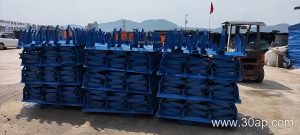
Most conveyor brackets are fabricated from angle steel, channel steel, or bent steel plate. The choice of material and thickness depends on the required load capacity and environmental conditions. For a 1200mm wide conveyor belt carrying abrasive aggregate, a heavy-duty bracket made from 5mm bent plate is typical. In contrast, a smaller B650 system in a sand and gravel line may use lighter angle steel brackets.
Common bracket types include troughing brackets (upper), transition brackets, return brackets, V-return brackets, impact brackets, self-aligning brackets, and adjustable brackets. Each serves a distinct purpose:
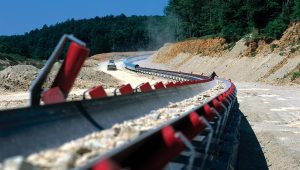
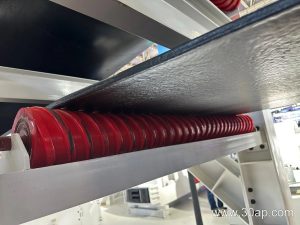
- Troughing bracket: Supports three idlers at a trough angle (often 20°, 30°, 35°, or 45°) to form the belt into a trough shape.
- Transition bracket: Gradually changes belt shape near pulleys to prevent stress concentration.
- Return bracket: Supports the return strand, either flat or in V-form.
- Impact bracket: Reinforced to absorb shock at loading points, often used with impact idlers.
- Adjustable bracket: Allows field adjustment of trough angle, useful for optimizing belt capacity and tracking.
For example, a B1000 conveyor with 35° troughing and Ø108 idlers would typically use a troughing bracket designed for that combination. However, belt width does not dictate a single trough angle or idler diameter; the design engineer selects these based on material characteristics and throughput.
Where Conveyor Brackets Are Used
Conveyor brackets are found wherever a conveyor belt is supported by idlers. In a limestone mine, troughing brackets hold the belt as it carries crushed rock to the primary crusher. In a cement plant, transition brackets ensure smooth belt travel near the head and tail pulleys. In a port ship loader, return brackets keep the belt aligned on the return run. The bracket must resist vibration, corrosion, and impact while maintaining precise idler spacing.
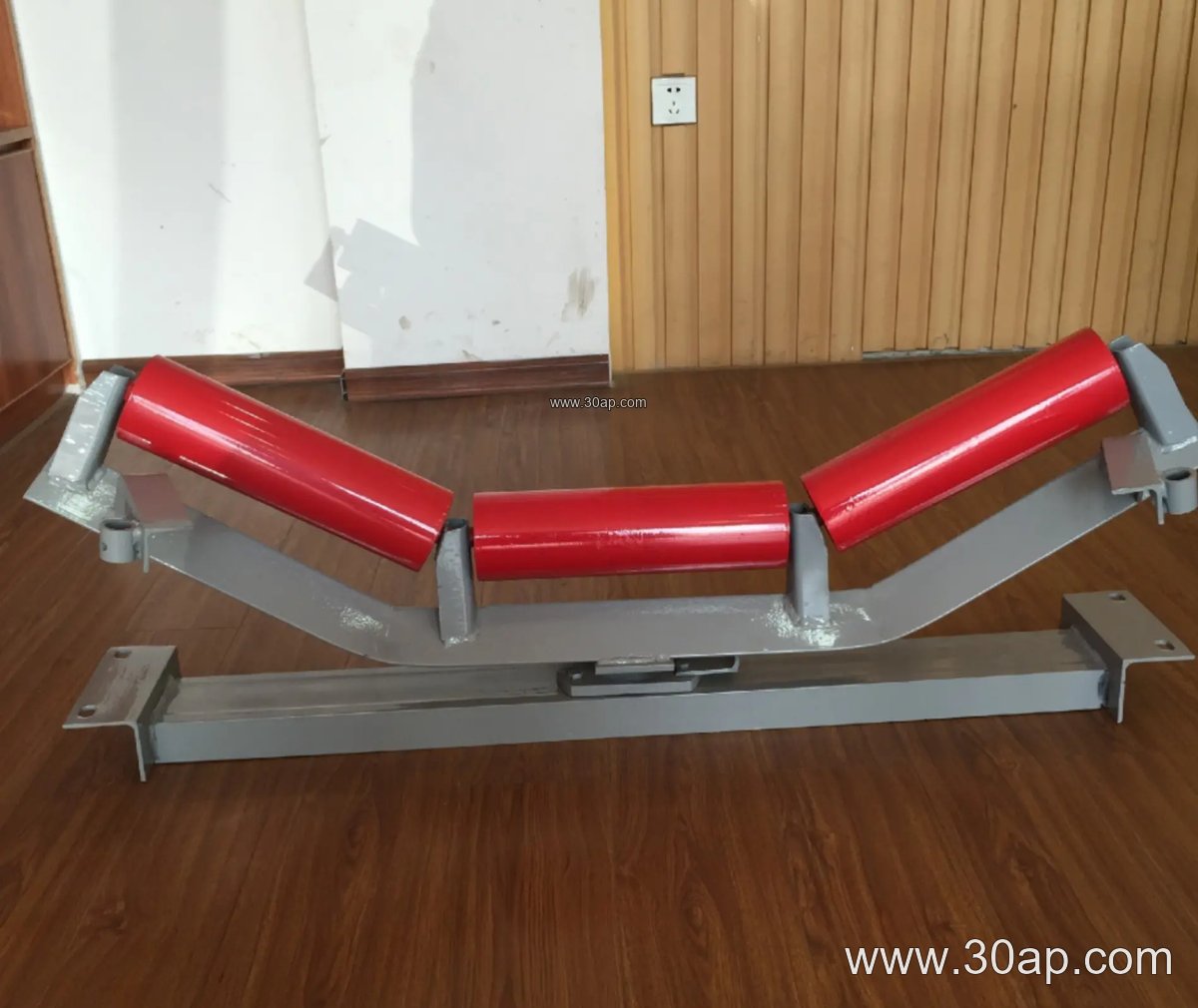
Procurement teams should consider the operating environment: a coal mining conveyor belt may require flame-retardant and anti-static properties, but the bracket itself is typically mild steel unless corrosion protection is specified. In fertilizer or food-grade applications, stainless steel or coated brackets may be needed.
Key Procurement Considerations
Buyers should specify belt width (B500 to B2200), trough angle (20°, 30°, 35°, 45°), and idler diameter (Ø89, Ø108, Ø133, Ø159, Ø194) when ordering. Installation hole spacing and crossbeam length vary with these parameters and should be confirmed with the manufacturer. Adjustable brackets offer flexibility for sites that may handle different materials or need fine-tuning of belt tracking.
For high-abrasion environments such as iron ore or copper ore handling, brackets should be inspected for weld quality and plate thickness. In cold climates, material toughness matters to prevent brittle fracture. Always request dimensional drawings and material certificates where available, and verify that the bracket matches the idler roller mounting dimensions.
Integration with Conveyor Components
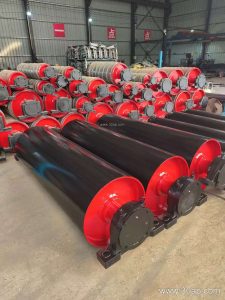
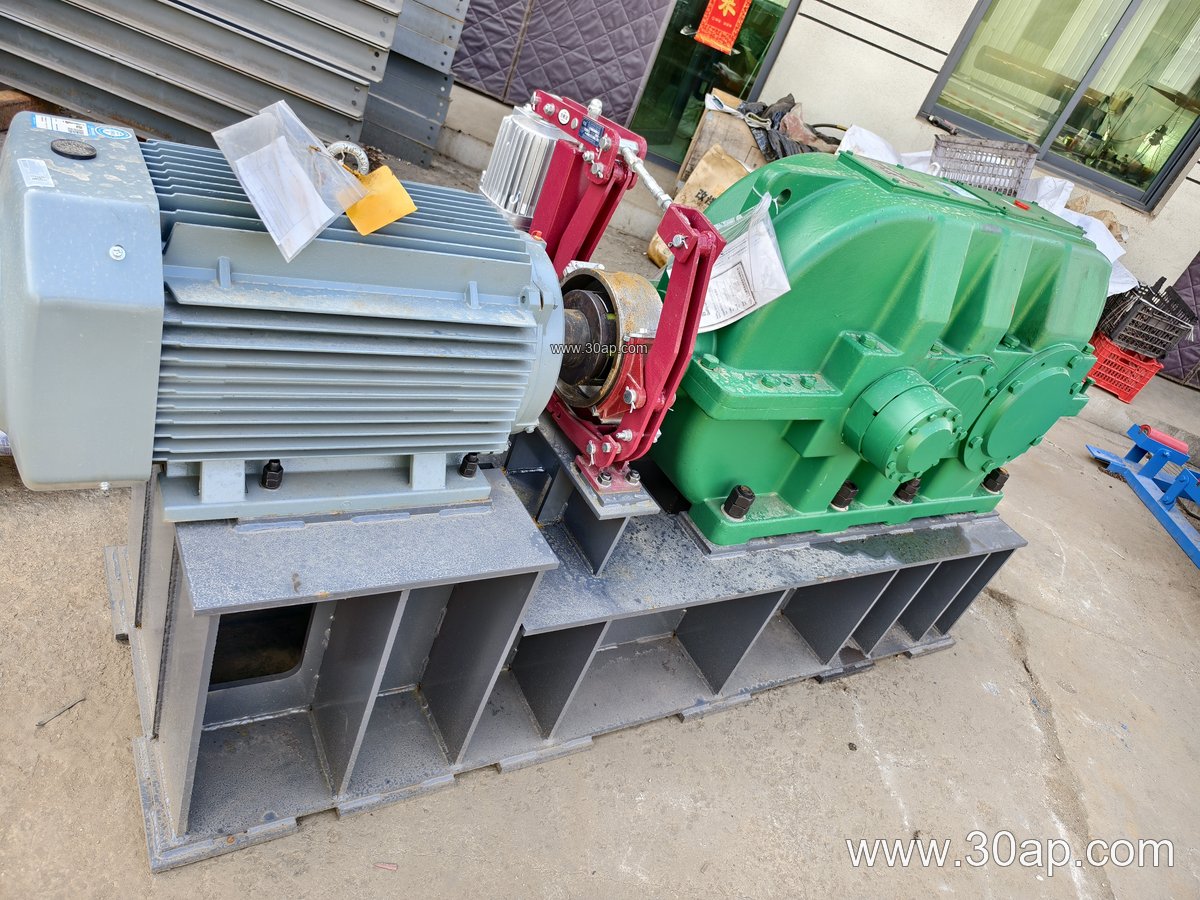
A conveyor bracket does not function in isolation. It must interface correctly with the conveyor pulley, idler roller, and conveyor belt. For instance, a misaligned bracket can cause the belt to run off-center, leading to edge damage and premature wear. During procurement, consider the entire conveyor system: the drive pulley, tail pulley, and bend pulley each have specific requirements for belt approach and wrap angle, and brackets near these pulleys may need transition or self-aligning designs.
When sourcing brackets, it is practical to coordinate with the supplier of the conveyor belt and idler rollers to ensure compatibility. For a 1400mm wide belt with 45° troughing and Ø133 idlers, the bracket must be designed to accommodate the idler shaft and provide adequate clearance. Bulk material conveyor belt systems often use standardized bracket series, but custom fabrication is common for special widths or angles.
Specification Examples for Typical Applications
The following table illustrates common bracket configurations; actual values are determined by design and should be confirmed for each project.
| Application | Belt Width | Trough Angle | Idler Diameter | Bracket Type |
|---|---|---|---|---|
| Quarry primary conveyor | B1000 | 35° | Ø108 | Troughing, heavy-duty |
| Coal preparation plant | B1200 | 30° | Ø133 | Troughing, flame-retardant option |
| Power station coal yard | B1400 | 35° | Ø159 | Troughing, adjustable |
| Sand and gravel line | B800 | 20° | Ø89 | Troughing, standard |
| Port ship loader | B1600 | 45° | Ø194 | Transition and return |
Note that these are illustrative combinations; a B1000 belt can be used with different trough angles or idler diameters depending on the conveyor design. Always refer to the conveyor layout and idler manufacturer’s recommendations.
Maintenance and Replacement Planning
During procurement, consider the lifecycle of the bracket. In abrasive service, such as a crusher conveyor belt handling rock, brackets may experience wear at contact points with idlers. Specifying wear plates or thicker steel can extend service life. For easy replacement, keep spare brackets for critical conveyors, especially those in continuous operation like a coal mining conveyor belt system. Standardizing bracket types across a plant reduces inventory and simplifies maintenance.
To support reliable operation, ensure that brackets are properly aligned during installation. A laser alignment tool or string line can help. Periodic inspection of bracket bolts and welds is recommended. When replacing a bracket, verify that the new part matches the original dimensions and load rating.
Conclusion
Effective conveyor bracket procurement requires attention to belt width, trough angle, idler diameter, and the specific demands of the site. By understanding the bracket’s role and specifying it correctly, buyers can contribute to the overall efficiency and longevity of the conveyor system. For further information on related components such as the conveyor belt or idler roller, consult your system designer or a qualified supplier.