What an 1800mm Conveyor Belt Is
An 1800mm conveyor belt is a wide-profile belt built for conveyor lines that must move high tonnages or bulky, coarse material in a single pass. At 1.8 meters across, it sits near the top of common production widths, so it is usually specified where narrower belts would need higher speed or multiple lines to keep up with the duty. The same product is often called an 1800mm wide conveyor belt, and both terms describe the same 1800mm belt width, not a different belt family.
Width alone does not define the belt. The carcass, cover grade, and edge construction decide how the 1800mm conveyor belt performs on a given conveyor. Buyers should treat the width as the starting point and confirm the rest against the actual conveyor design.
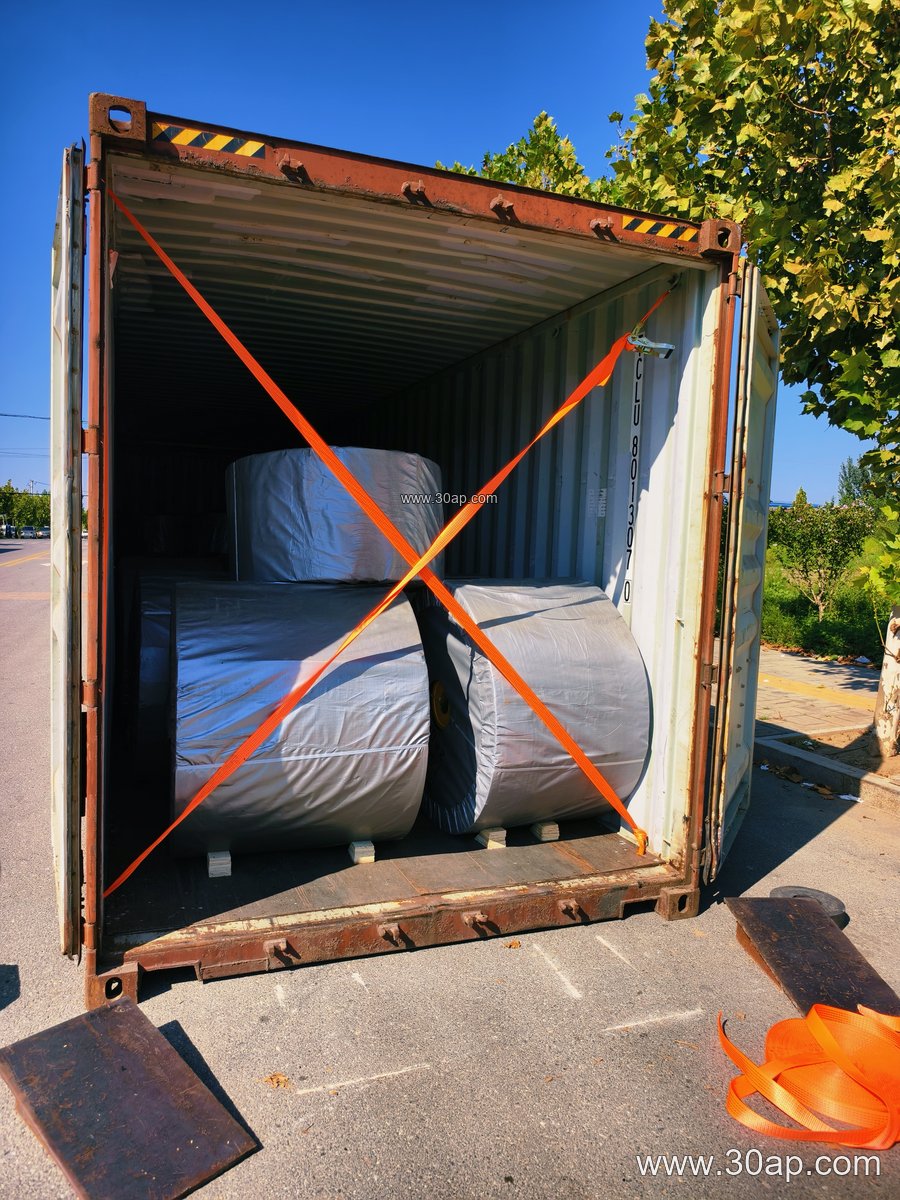
Construction and Common Belt Types
Most 1800mm belts use a fabric core or a steel cord carcass. Fabric-core designs include EP conveyor belt (polyester-nylon) and NN conveyor belt (nylon-nylon), usually supplied as a multi-ply fabric core conveyor belt with two to six plies. Steel cord conveyor belt is chosen when tension and impact are high over long centers. Surface and cover options follow the material being carried: abrasion resistant conveyor belt for sand and stone, heat resistant conveyor belt for clinker and sinter, oil resistant conveyor belt for oily scrap, flame retardant conveyor belt and anti-static conveyor belt for coal handling, and cold resistant conveyor belt for outdoor winter operation.
Where material must be contained on an incline, a corrugated sidewall conveyor belt or skirted conveyor belt can be considered. Chevron conveyor belt is another option for steep slopes. These are separate designs, not substitutes for a plain 1800mm belt, and each changes the pulley and support requirements.
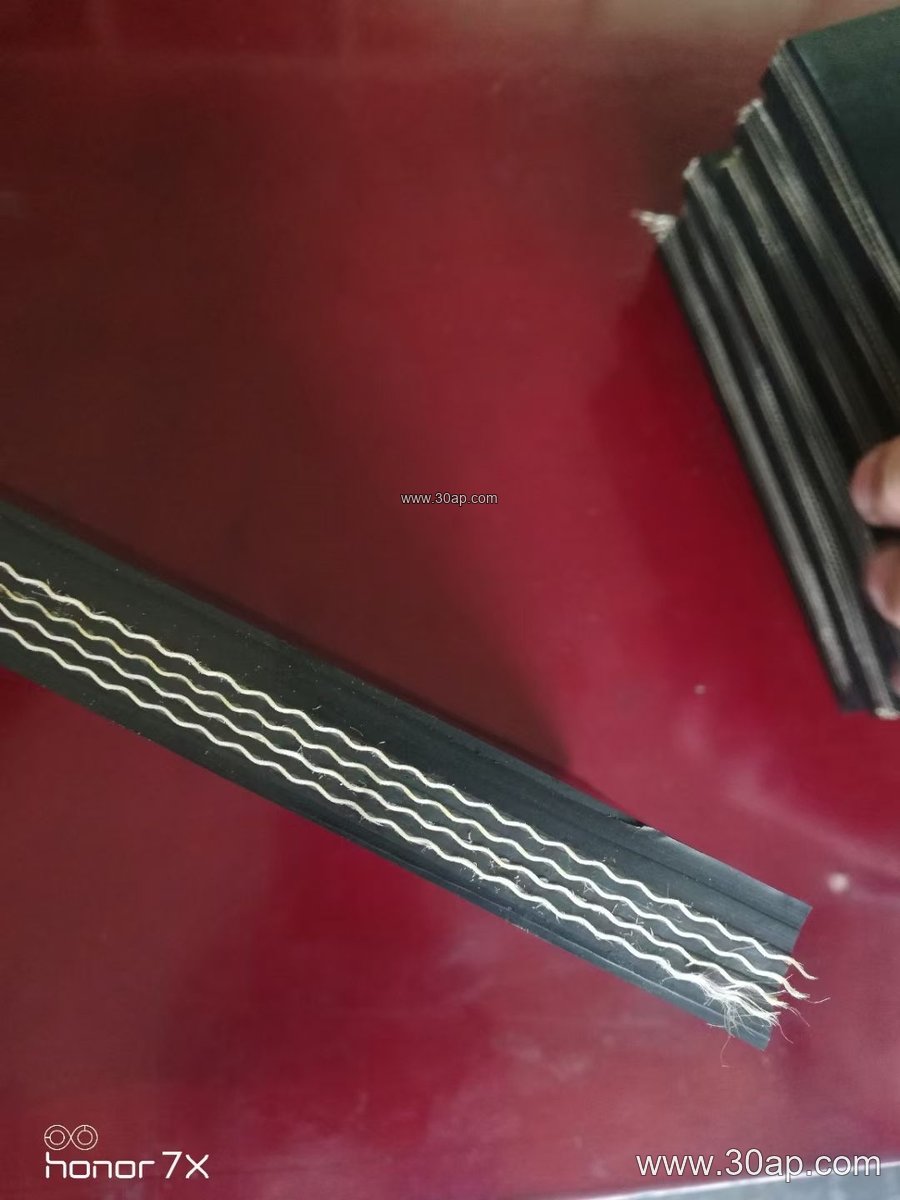
Reference Specifications
The values below are typical reference ranges, not fixed supply promises. Final construction is confirmed by design and by the belt manufacturer.
| Item | Common reference values |
|---|---|
| Belt width | B1800 (1800mm) |
| Fabric core types | EP200, EP315, EP400, EP500, EP630, EP800, EP1000, EP1250, EP1600, EP2000 |
| Steel cord grades | ST1000, ST1250, ST1600, ST2000, ST2500, ST3150 |
| Cover thickness | 4+2, 5+2, 6+2, 8+3 mm |
| Ply count | 2 to 6 plies, fabric core |
| Special grades | PVG800, PVG800S for underground coal use |
An EP1250 1800mm conveyor belt, for example, pairs a high-strength EP carcass with the wide format. A 10mm thick cover may suit abrasive rock, while a thinner cover is often enough for lighter bulk material.
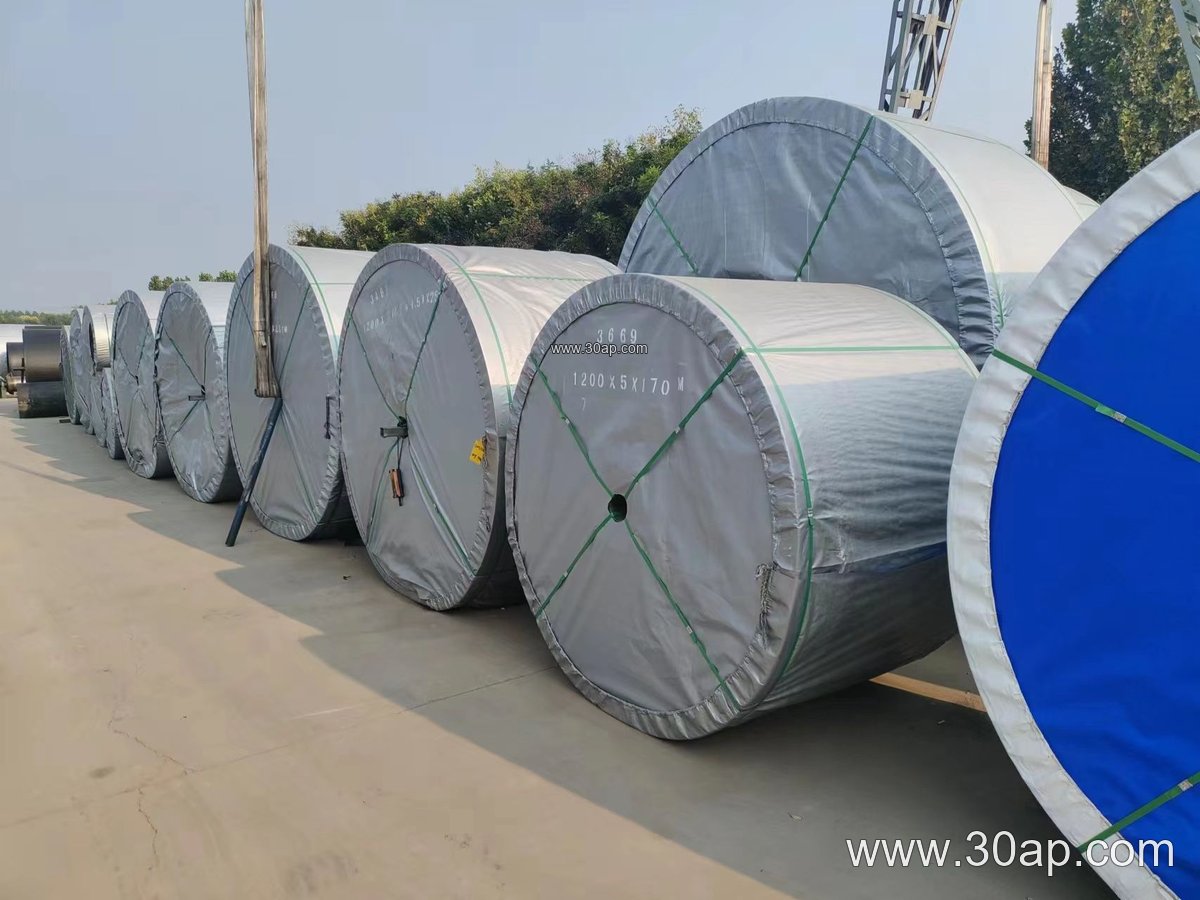
Where the Width Fits
Wide belts appear in mines, coal preparation plants, cement works, power stations, steel plants, quarries, sand and gravel yards, crushing circuits, ports, and ship loading systems. An 1800mm conveyor belt is common on primary crusher discharge, stockyard and yard conveyors, and main haulage lines in mining conveyor belt duty where lump size is large. In a cement plant it may carry limestone or clinker; in a power plant, coal; in a quarry, run-of-mine rock. Underground coal mining conveyor belt service usually calls for flame retardant and anti-static grades, often PVG constructions.
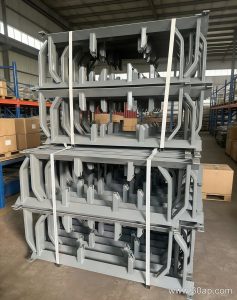
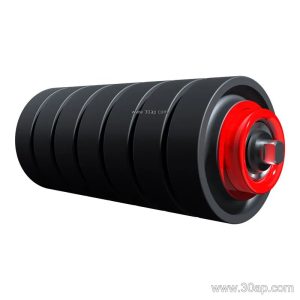
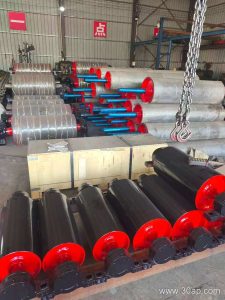
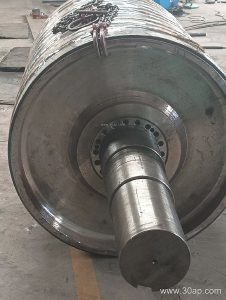
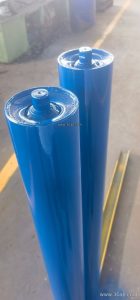
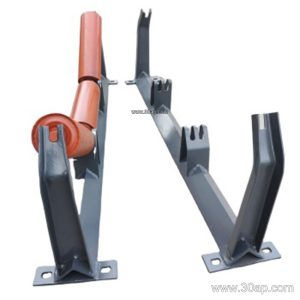
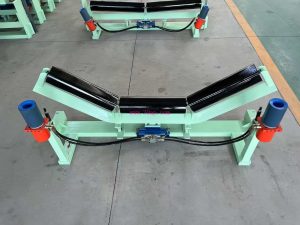
Supporting equipment matters as much as the belt. Idler roller spacing, conveyor pulley diameter, and conveyor bracket strength must match the loaded belt weight and tension. A wide belt carries more mass per meter, so the frame and pulleys are sized for that load; belt width alone does not fix pulley diameter or shaft size.
Buyer Checklist
- Confirm the actual duty: material, lump size, tonnage per hour, incline, and center distance.
- Match the carcass grade to the calculated tension, with a sensible safety margin.
- Select the cover grade for abrasion, heat, oil, flame, or cold exposure as applicable.
- Check splice type and whether an endless conveyor belt is required for the installation.
- Verify pulley face width, idler roller load rating, and take-up travel for the 1800mm format.
- Ask for the manufacturer’s data sheet for the exact construction offered.
For related components such as the conveyor pulley, idler roller, and conveyor bracket, confirm dimensions against the conveyor drawing rather than assuming a match from belt width. More belt and component references are available at conveyor belt and steel cord conveyor belt pages. A well-specified 1800mm conveyor belt, matched to its pulleys and idlers, keeps a heavy-duty line running with fewer stoppages.