What a Friction-Type Self-Aligning Idler Does
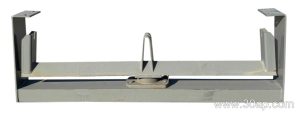
A friction-type self-aligning idler is a training idler that corrects belt misalignment by using the friction between the rotating roller and the conveyor belt itself. Unlike a fixed carrying idler, this idler is mounted on a pivot or bracket that allows the roller assembly to swing slightly. When the belt drifts to one side, the friction force on the roller increases on that side, causing the idler to angle itself and gently steer the belt back to the center. This self-correcting action is continuous and requires no external power or sensors. It is a common choice for keeping a conveyor belt centered on long overland systems, transfer points, and mobile crushing plants.
Construction and Key Components
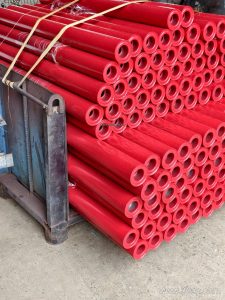
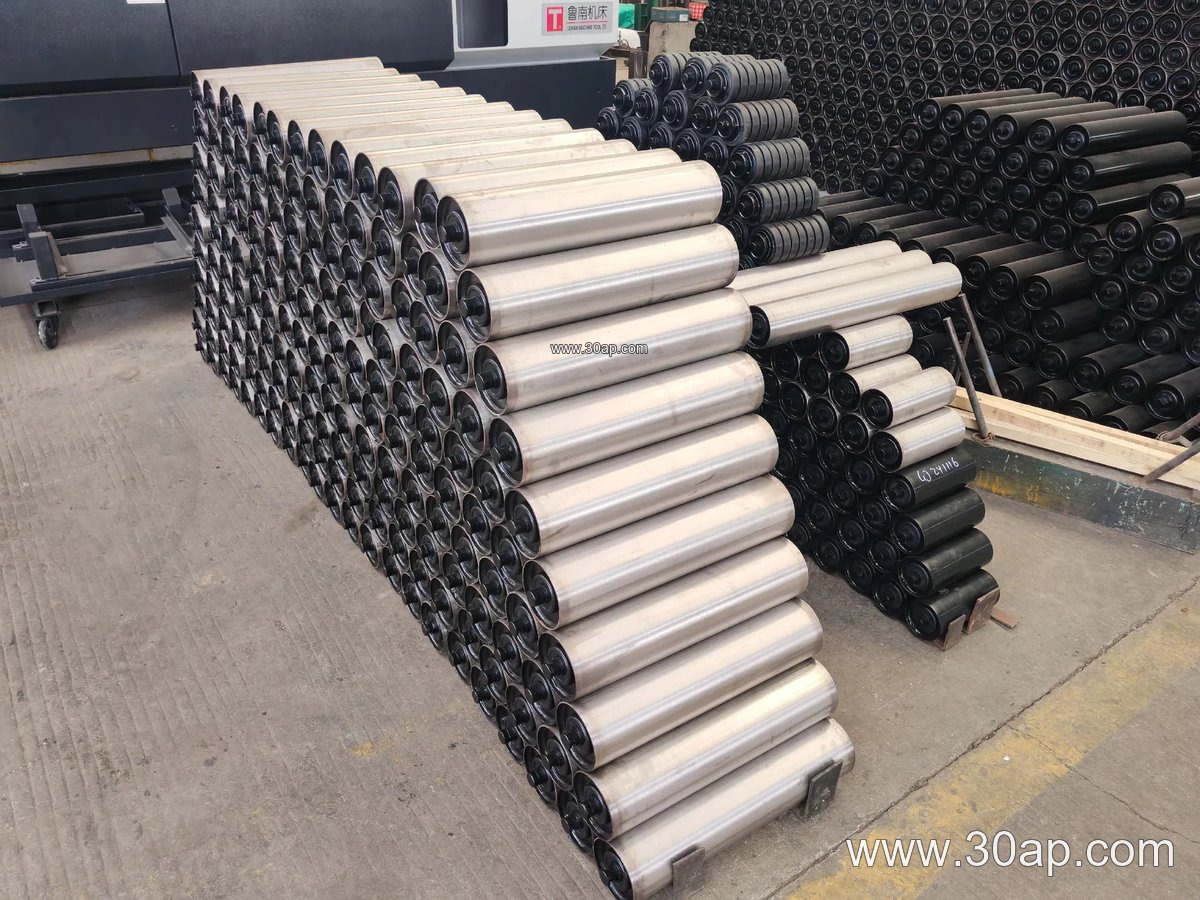
The typical friction-type self-aligning idler consists of a steel roller shell, bearing housings, a central shaft, and a pivoting bracket. The roller surface may be plain steel, nylon, or covered with rubber rings for extra grip. The pivot mechanism is the defining feature: it allows the idler to rotate horizontally around a vertical axis, so the roller can skew relative to the belt path. Bearings such as 6204, 6205, 6305, or 6308 are often used, depending on the roller diameter and load. Common roller diameters for this type include Ø89, Ø108, Ø127, and Ø133 mm, while belt widths from B500 to B2000 are frequently handled. The idler is usually installed on the carrying side, just after the loading point or at intervals along the conveyor, and works with the conveyor bracket to maintain alignment.
Where It Fits in a Conveyor System
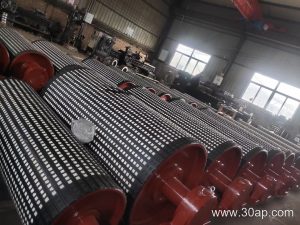
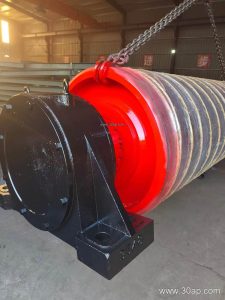
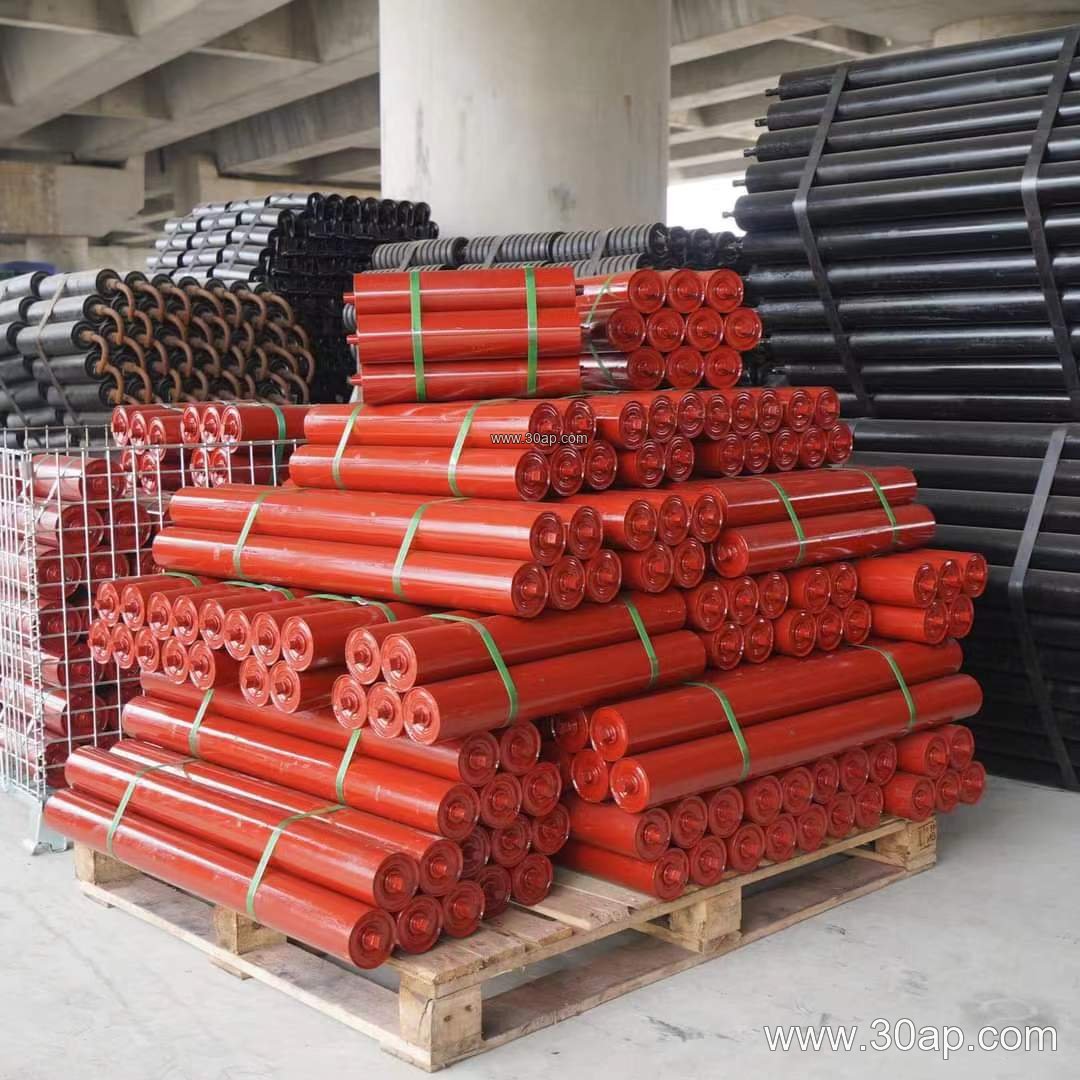
Friction self-aligning idlers are widely used in quarry conveyor belts, aggregate conveyor belts, and crusher conveyor belts where material loading can easily push the belt off-center. In a coal mining conveyor belt or underground mining conveyor belt, they help counteract the tendency of the belt to wander due to uneven loading and ground movement. They are also found in cement plants, power plant coal handling, and port ship loading systems. The idler is not a substitute for a drive pulley, tail pulley, or bend pulley; those components have different roles in power transmission and belt direction change. Instead, the friction-type self-aligning idler works alongside them as a belt training device, often paired with a return idler or impact idler for complete belt control.
Selection and Sizing Notes
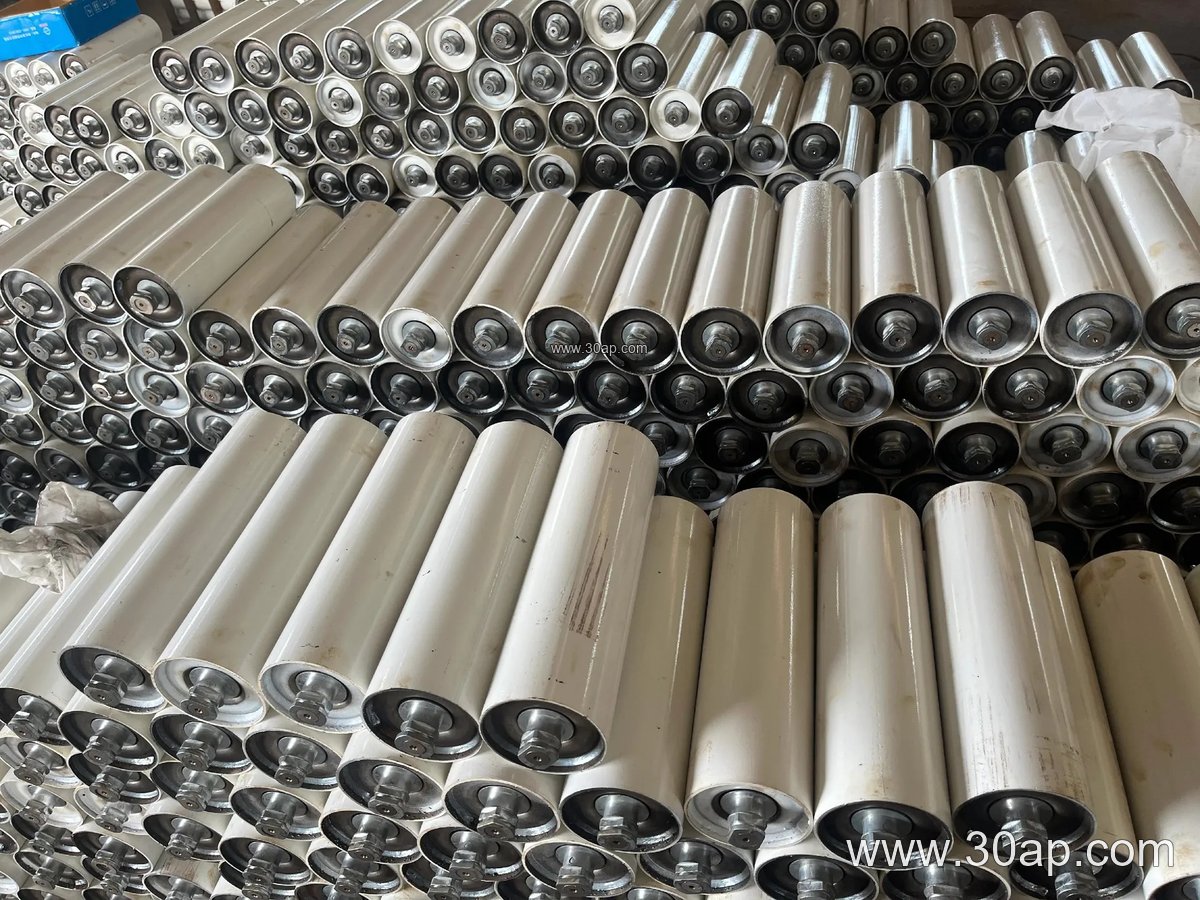
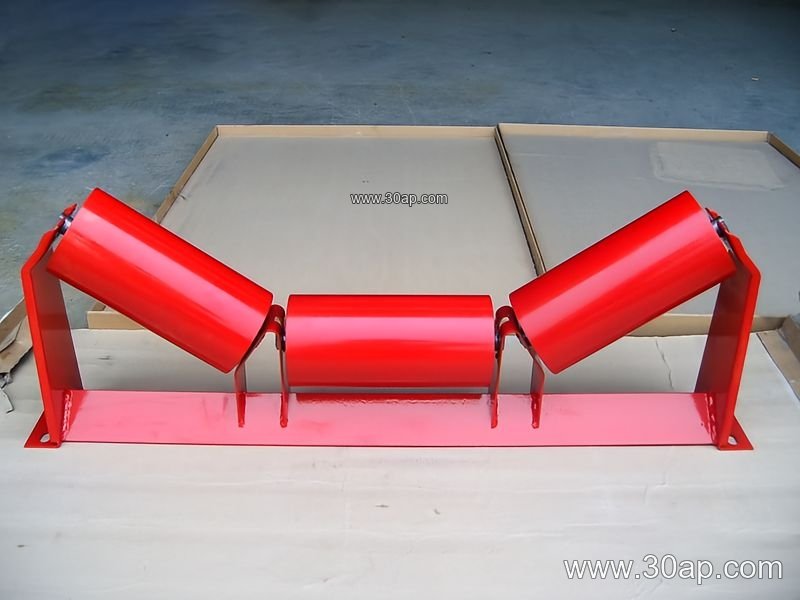
Buyers should consider belt width, roller diameter, and the available mounting space. A common configuration uses a three-roller troughing set with a 30-degree or 35-degree trough angle, but the self-aligning function is usually applied to a single roller or a two-roller set. The roller length varies with belt width; for example, a B800 belt may use a roller around 315 mm long in a three-roller arrangement, while a B1200 belt might use about 465 mm. These are typical examples, not fixed rules. Bearing size should be selected based on load and speed, not solely on roller diameter. The pivot bracket must be sturdy enough to resist vibration and material build-up. For abrasive conditions, a rubber-covered roller can improve friction consistency. It is also wise to check compatibility with the conveyor belt type, such as an abrasion resistant conveyor belt or a heat resistant conveyor belt, since surface friction characteristics affect self-aligning performance.
Maintenance and Practical Tips
Keep the pivot mechanism clean and free of stuck material; a jammed bracket will prevent the idler from self-aligning. Inspect bearings regularly for noise or play, and replace seals if dust or water ingress is suspected. The roller shell should be checked for wear or build-up that could change friction. In dusty environments like a lime kiln or a fertilizer plant, more frequent cleaning is advised. Lubricate pivot points according to the manufacturer’s schedule, but avoid over-lubrication that attracts grit. When replacing a friction-type self-aligning idler, verify that the new unit matches the original mounting height and roller diameter to avoid introducing new tracking problems. For heavy-duty mining conveyor belt systems, consider using a reinforced bracket and a larger shaft to handle shock loads.
Buyer Checklist
- Confirm belt width and required roller length for your troughing configuration.
- Select roller diameter and bearing size based on load and speed, not just belt width.
- Check that the pivot bracket fits your existing conveyor bracket and frame.
- Choose roller surface (steel, nylon, rubber) according to material abrasiveness and moisture.
- Plan a maintenance routine for pivot cleaning and bearing inspection.
For more information on compatible conveyor components, visit china-conveyorbelt.com or explore our range of idler roller and conveyor pulley solutions at china-conveyorbelt.com. Our team can help you match a friction-type self-aligning idler to your specific conveyor belt and operating conditions.