What a Conveyor Bracket Quotation Covers
A conveyor bracket quotation is more than a price for a piece of folded steel. It is the commercial summary of how a support frame will fit a specific conveyor structure, carry the idler roller, and hold the conveyor belt at the intended trough angle. Buyers in a limestone quarry, a coal washing plant, or a cement kiln line often request several quotations for the same duty and then find the documents are not directly comparable. The reason is usually that each supplier has quoted a different bracket type, material, or adjustment range without stating the assumptions clearly.
The bracket is a structural interface. It does not move the belt, and it does not tension the belt. It positions the idler roller so the belt runs in the required profile. A quotation for this item should therefore describe the bracket family, the belt width it is built for, the trough angle, the roller diameter it accepts, and the mounting arrangement.
Types and Where They Sit on the Conveyor
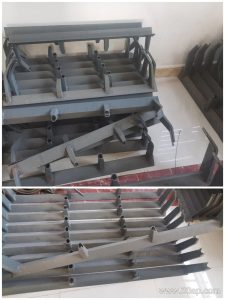
Different positions on a conveyor call for different brackets, and these are not interchangeable. A troughing bracket carries the carrying-side idlers and sets the trough angle. A transition bracket sits near the head or tail pulley, where the belt changes from flat to troughed. A return bracket supports the return-side idlers, and a V-return bracket is used where belt tracking on the return strand needs extra control. Impact brackets are placed under loading points to support impact idlers. Self-aligning brackets are used where belt misalignment is a known issue.
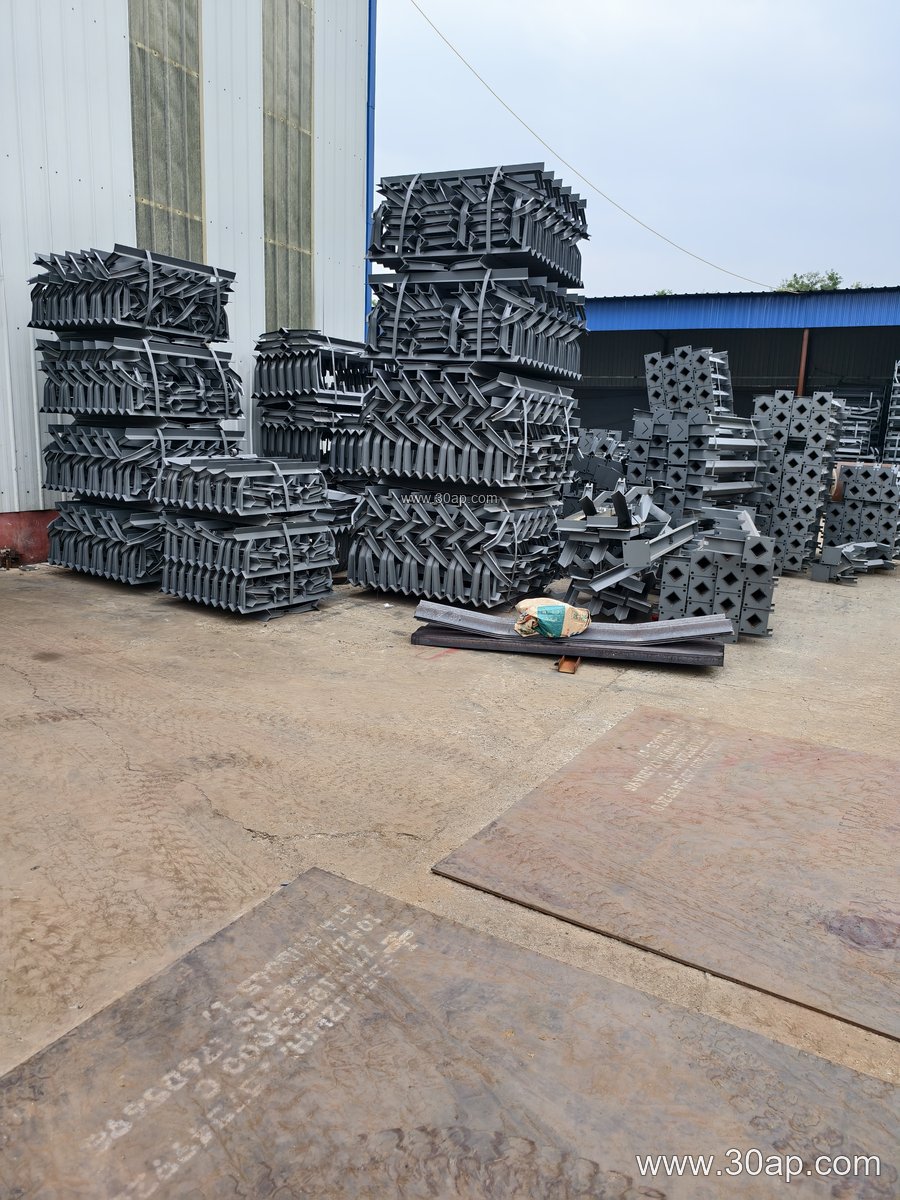
When comparing quotations, check that each line names the position and function. A quotation that lists only a generic support frame leaves the buyer guessing whether it is a carrying bracket or a return bracket.
Materials and Construction Details
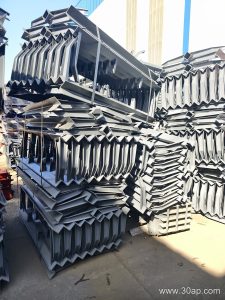
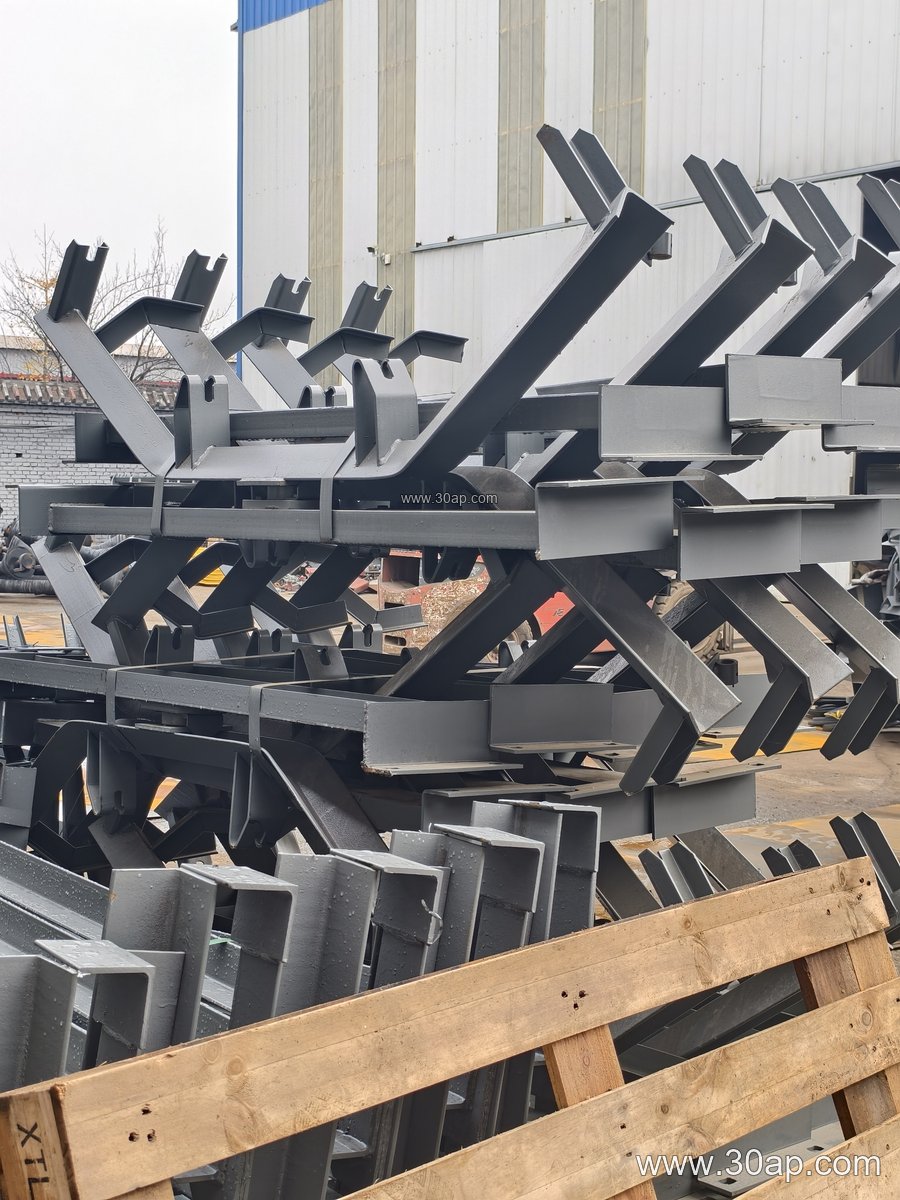
Common bracket materials are angle steel, channel steel, and folded steel plate. The choice affects stiffness, weight, and how the bracket interfaces with the conveyor stringer. A quotation should state the material and the surface treatment, such as painting or galvanizing, because these influence service life in dusty or wet conditions.
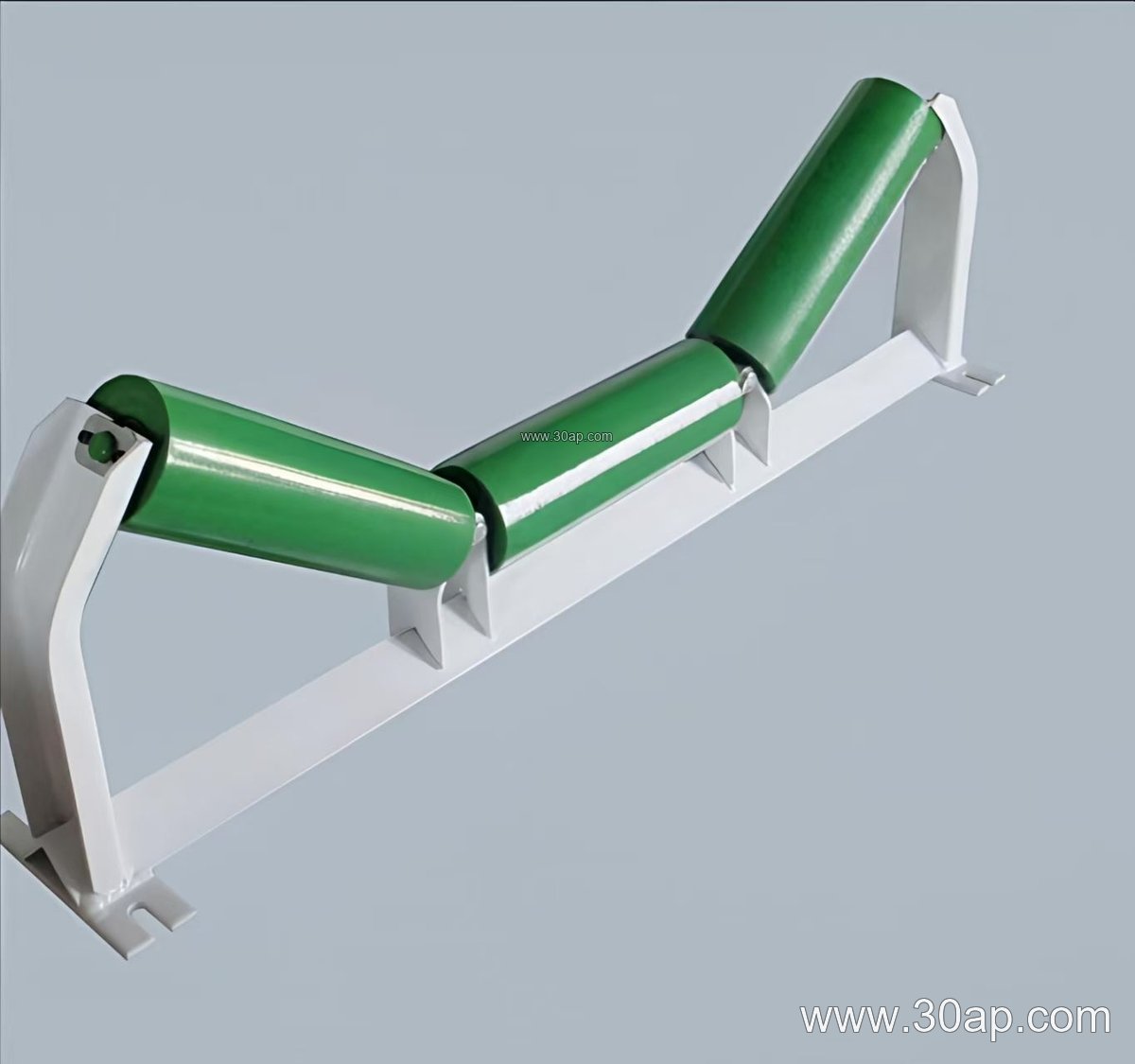
For a coal handling plant or a power station coal yard, dust and moisture are constant concerns. For a sand and gravel line, abrasion and occasional impact matter more. The bracket itself does not contact the material, but it must keep the idler roller stable so the belt and rollers do their job.
Key Parameters in a Quotation
The table below shows the kind of reference data a quotation may include. These are common ranges, not fixed rules, and the final values should be confirmed against the conveyor design.
| Parameter | Common reference values | Notes |
|---|---|---|
| Belt width | B500, B650, B800, B1000, B1200, B1400, B1600, B1800, B2000, B2200 | Bracket length and hole spacing change with width |
| Trough angle | 20°, 30°, 35°, 45° | Adjustable brackets can be set within a range |
| Idler diameter | Ø89, Ø108, Ø133, Ø159, Ø194 | Must match the idler roller actually supplied |
| Material | Angle steel, channel steel, folded plate | Surface treatment stated separately |
A common combination might be written as B800, 35°, Ø108, but this is an example, not a requirement. A B1200 conveyor with a 45° trough and Ø133 idlers is equally normal. Do not assume that one belt width can only match one trough angle or one roller diameter.
Adjustable Versus Fixed Brackets
An adjustable bracket allows the trough angle to be changed on site, which is useful during commissioning or when the belt profile needs correction. A fixed bracket is simpler and often stiffer. The quotation should say which one is offered. If the angle is described as adjustable, ask for the range, for example 20° to 45°, and confirm the locking method.
Front-leaning brackets, often around 1.5° to 2°, are a separate feature used for belt training. They should not be confused with a standard troughing bracket.
What to Confirm Before Accepting the Price
- Bracket type and mounting position on the conveyor.
- Belt width and trough angle, with hole spacing and crossbeam length confirmed by drawing.
- Idler roller diameter and whether the roller is included or supplied separately.
- Material, plate thickness where relevant, and surface treatment.
- Quantity per conveyor section and spare allowance.
- Delivery scope, packing, and documentation.
A quotation that states these points clearly is easier to compare and less likely to cause fitting problems when the brackets arrive at a quarry, a port terminal, or a grain silo site. The lowest price is not useful if the bracket does not match the stringer or the idler roller.