What the Bend Pulley Assembly Does on a Conveyor
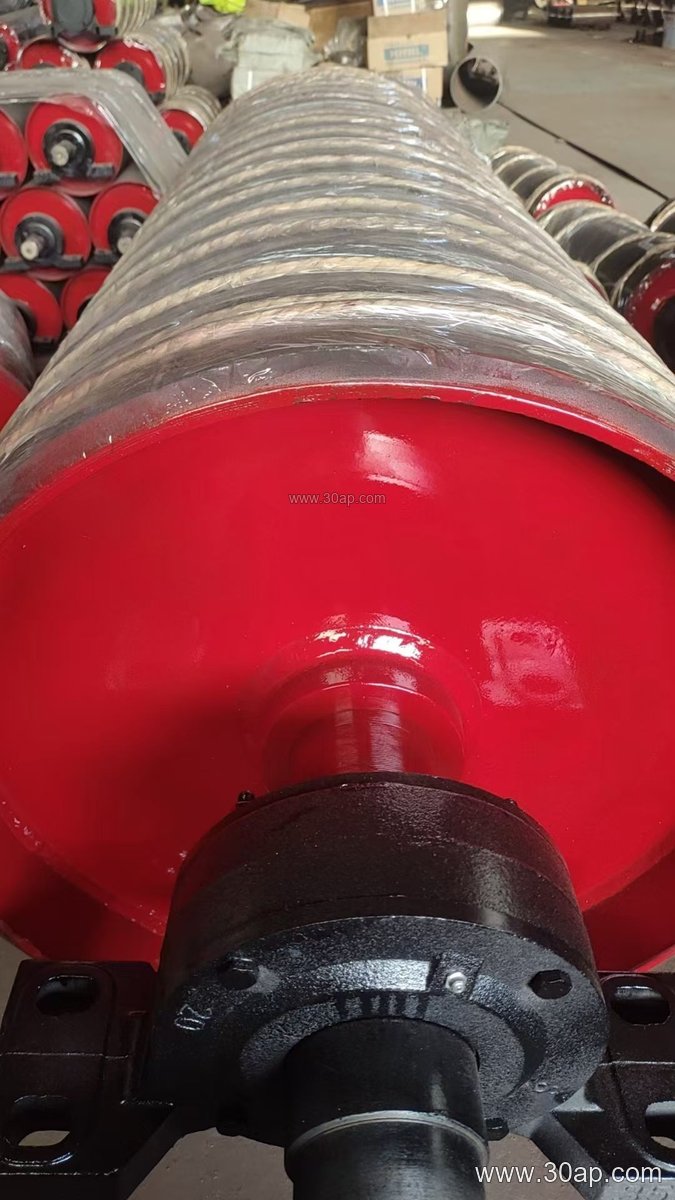
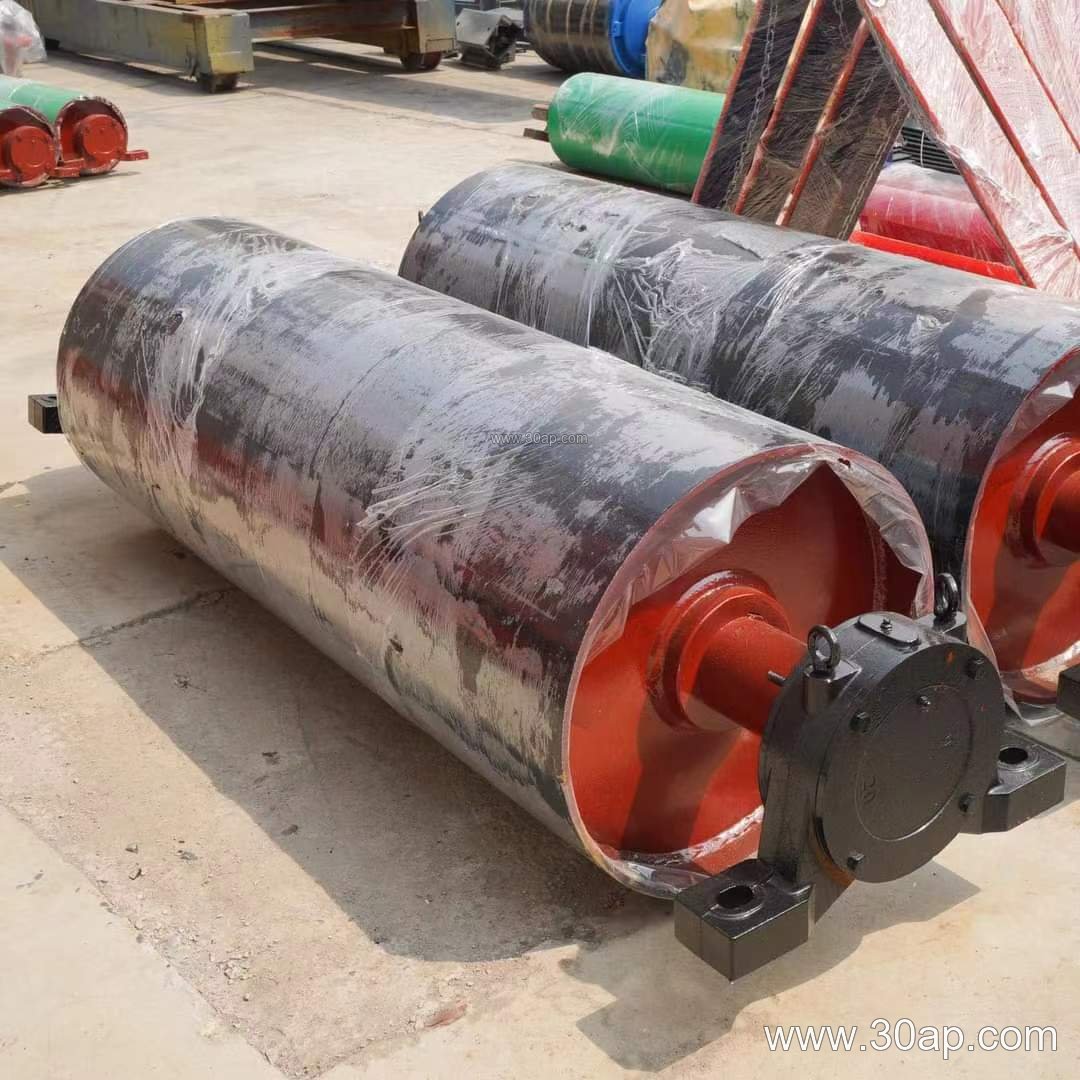
In a belt conveyor, the bend pulley assembly is the group of components that changes the direction of the conveyor belt without driving it. It is often installed near the tail, at a tensioning station, or where the belt path needs to be redirected. Unlike the drive pulley, which transmits power, or the tail pulley, which returns the belt, the bend pulley simply guides the belt and maintains proper wrap around other pulleys. A typical assembly includes the pulley shell, shaft, bearings, bearing housings, and a supporting frame or conveyor bracket. It may also include lagging on the shell to improve grip or protect the belt.
How the Assembly Is Built
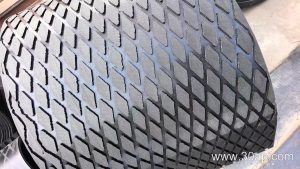
The core of the bend pulley is a cylindrical shell, usually made of steel, with end discs welded to the shaft. The shaft is sized according to torque and load, not simply belt width. Common shaft diameters include Ø50, Ø60, Ø70, Ø80, Ø90, Ø100, Ø120, Ø140, Ø160, Ø180, and Ø200 mm. Bearings are mounted on the shaft and held in housings that bolt to the conveyor frame. Surface options range from plain finish to rubber lagging, including cold-bonded rubber, hot vulcanized rubber, diamond grooved, herringbone, and ceramic lagging. Lagging thickness often falls between 8 mm and 20 mm. The assembly may also include a protection plate or a scraper to keep material from building up on the shell.
Where It Is Used
Bend pulley assemblies appear in many bulk material handling operations. In a quarry or limestone mine, they help route the conveyor belt around obstacles and into transfer points. In a coal washing plant, they maintain belt tension on the return side. In a cement plant, they work alongside idler rollers and conveyor brackets to keep clinker and raw material moving. In a power plant coal yard, they guide the belt through long overland sections. The assembly is not a drive or tail pulley, but it is essential for keeping the belt aligned and tensioned. A properly selected bend pulley reduces belt wear and helps the conveyor run smoothly.
Key Parameters and Common Configurations
When specifying a bend pulley assembly, several dimensions matter. Belt width and pulley diameter are related but not fixed one-to-one. The pulley face width is usually slightly larger than the belt width. For example, a B400 belt often uses a pulley face around 500 mm, while a B1200 belt may use about 1400 mm. Diameter can range from Ø200 mm up to Ø1800 mm depending on the application. A smaller diameter may suit a short conveyor with low tension, while a larger diameter is chosen for high-tension or heavy-duty lines. The table below shows common reference combinations, but these are not mandatory pairings.
| Belt Width | Typical Pulley Face Width | Common Diameter Range |
|---|---|---|
| B400 | ≈500 mm | Ø200 – Ø400 mm |
| B650 | ≈750 mm | Ø250 – Ø500 mm |
| B800 | ≈950 mm | Ø315 – Ø630 mm |
| B1000 | ≈1150 mm | Ø400 – Ø800 mm |
| B1200 | ≈1400 mm | Ø500 – Ø1000 mm |
| B1400 | ≈1600 mm | Ø630 – Ø1250 mm |
| B1600 | ≈1800 mm | Ø800 – Ø1400 mm |
| B1800 | ≈2000 mm | Ø1000 – Ø1600 mm |
These values are for reference only; actual selection depends on belt tension, speed, material, and available space. The shaft diameter is determined by torque and load, not by belt width alone. A bend pulley assembly for a B800 belt might use a Ø80 mm shaft in one design and a Ø100 mm shaft in another, depending on the load. Lagging type also affects performance: diamond or herringbone grooves help with water and fines, while ceramic lagging offers high wear resistance in abrasive conditions.
What a Buyer Should Consider
Before ordering a bend pulley assembly, clarify the belt width, pulley diameter, shaft diameter, bearing type, and lagging requirement. Check the conveyor bracket dimensions and the available space. Confirm whether the assembly is for a tensioning station, a snub pulley, or a simple direction change. Do not assume that a drive pulley or tail pulley can substitute for a bend pulley; each has a different function. Also consider the environment: dusty, wet, or corrosive conditions may call for sealed bearings and specific lagging. Regular maintenance includes checking bearing lubrication, lagging wear, and belt alignment. A worn bend pulley can cause belt tracking problems, so timely replacement is important.
Installation and Maintenance Tips
- Ensure the pulley shaft is parallel to the drive and tail pulleys to avoid belt misalignment.
- Use a conveyor bracket that matches the bearing housing bolt pattern.
- Inspect lagging for cracks or missing sections; replace if the rubber is worn down to the shell.
- Lubricate bearings according to the manufacturer’s schedule, but do not over-grease sealed units.
- Keep the area around the bend pulley clean to prevent material buildup that can damage the belt.
By understanding the role of the bend pulley assembly and selecting the right combination of shell, shaft, bearings, and lagging, you can improve conveyor reliability in mining, cement, power, and aggregate operations.