What Is a Large Conveyor Pulley
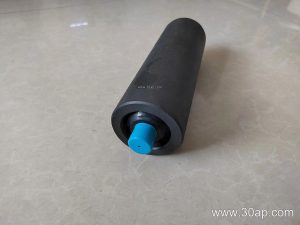
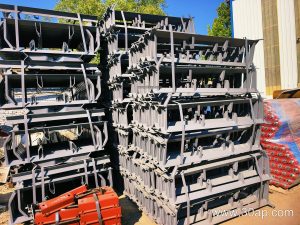
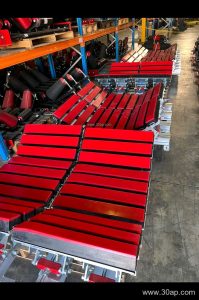
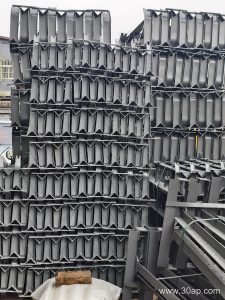
A large conveyor pulley is the cylindrical drum that drives, redirects, or tensions the conveyor belt in a bulk material handling system. In heavy industries such as mining, cement, and power generation, these pulleys are built to withstand high loads, continuous operation, and harsh environments. Unlike small pulleys used in light-duty conveyors, a large conveyor pulley typically features a robust shell, heavy-duty shaft, and often specialized lagging to improve grip and extend service life. It works in concert with the conveyor belt, idler rollers, and conveyor brackets to keep material moving efficiently.
Construction and Design Features
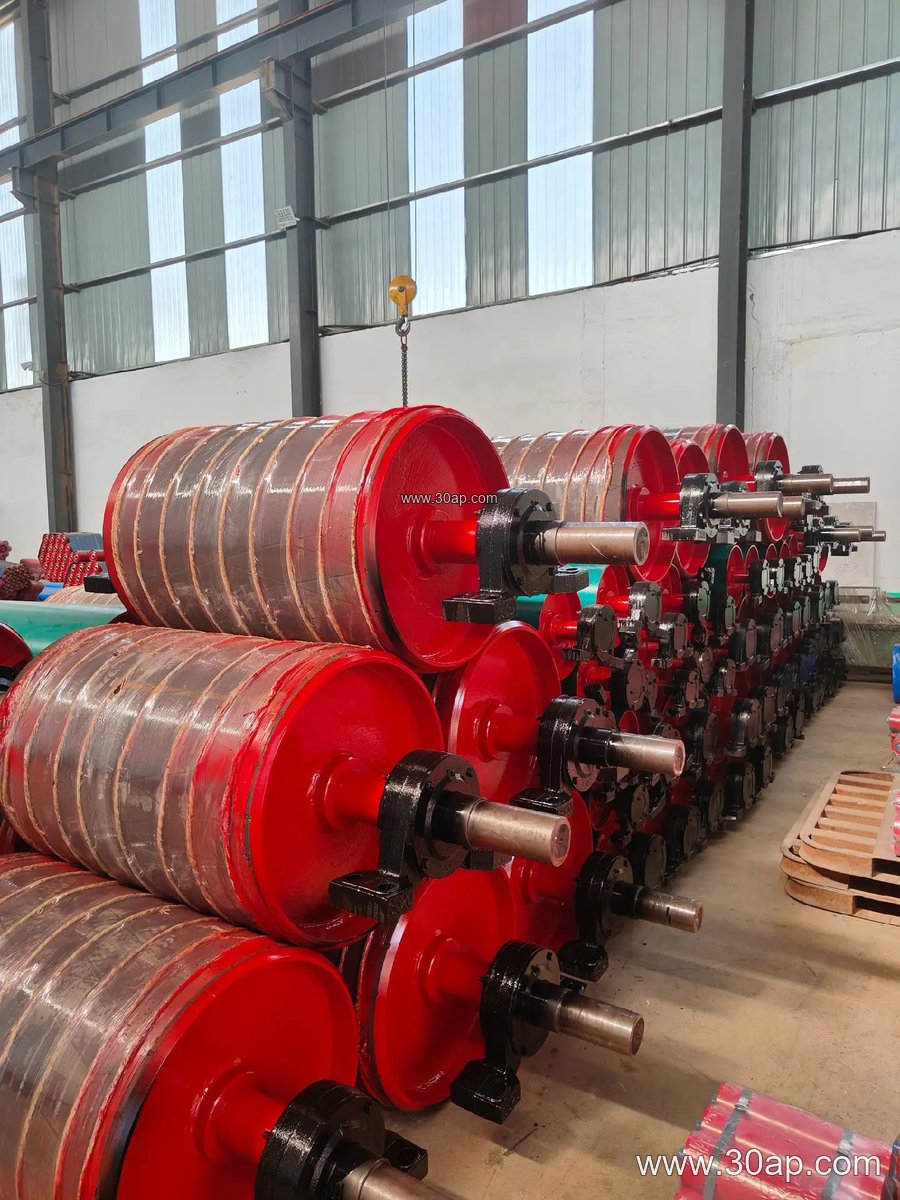
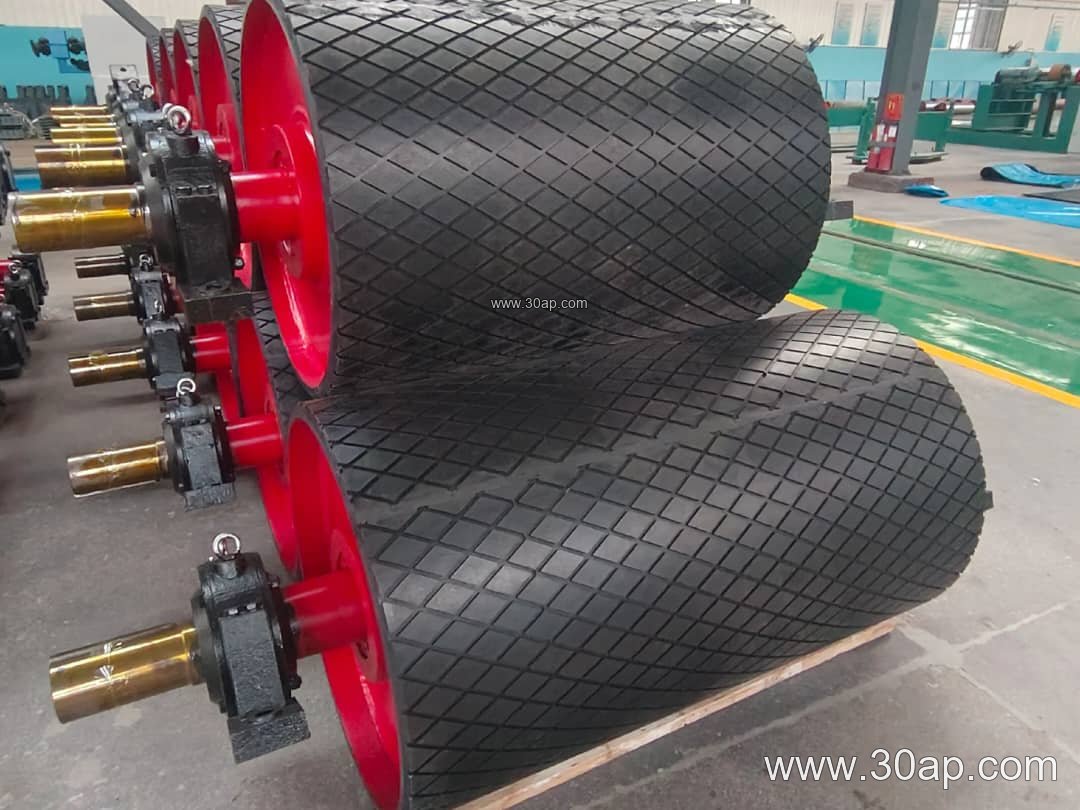
The construction of a large conveyor pulley focuses on strength and durability. The drum shell is usually made from rolled steel or seamless pipe, machined to precise concentricity. The shaft is sized according to torque and bending loads, not simply by belt width. Common shaft diameters include Ø50, Ø60, Ø70, Ø80, Ø90, Ø100, Ø120, Ø140, Ø160, Ø180, and Ø200 mm, but the final choice depends on the application. End discs or hubs connect the shell to the shaft, and the assembly is often welded or bolted. Surface options include plain, rubber lagged, ceramic lagged, and various patterns like diamond or chevron. Lagging thickness commonly ranges from 8 mm to 20 mm. For instance, a large conveyor pulley for a 1200 mm wide belt might have a drum face width of about 1400 mm and a diameter of Ø1000 mm, but these are reference examples, not fixed rules.
Main Types and Their Roles
Large conveyor pulleys come in several subtypes, each serving a distinct function. The drive pulley, also called the head pulley, transmits power to the belt and is often the largest and most heavily lagged. The tail pulley at the loading end redirects the belt and may include a take-up mechanism. Bend pulleys are used to change the belt direction or increase wrap angle around the drive pulley. Other types include take-up pulleys, snub pulleys, and wing pulleys for self-cleaning. It is important to note that drive, tail, and bend pulleys are not interchangeable; each is designed for a specific location and duty. For example, a bend pulley might be smaller in diameter than a drive pulley but still classified as a large conveyor pulley when used in high-capacity systems.
Where Large Conveyor Pulleys Are Used
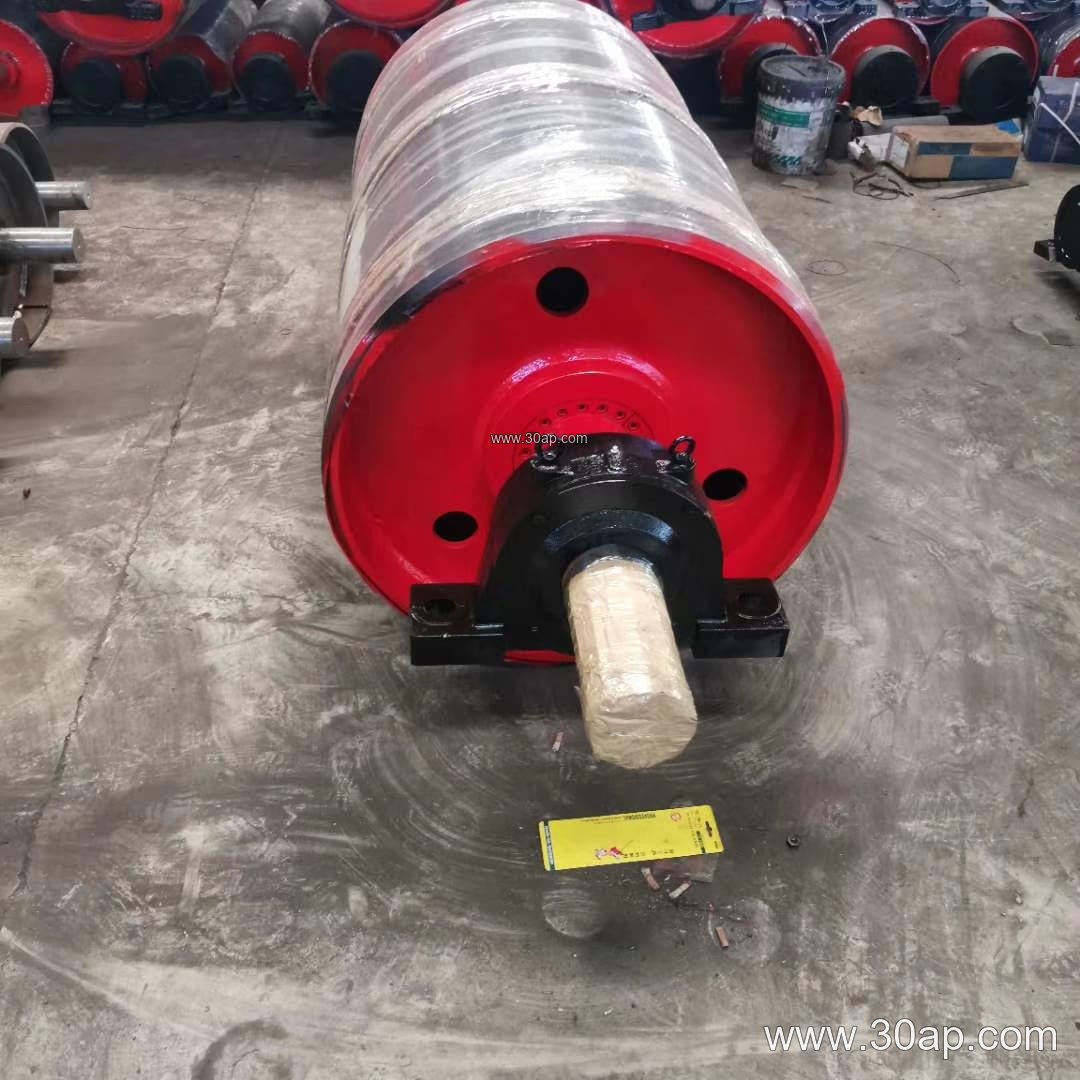
These pulleys are essential in quarry and aggregate operations, where they handle abrasive rock and gravel. In cement plants, they transport clinker and raw materials under dusty, high-temperature conditions. Power plants rely on them for coal handling, and steel mills use them in sinter and ore transport. Ports and ship loading facilities employ large conveyor pulleys to move bulk cargo efficiently. The choice of lagging and pulley design often depends on the material being conveyed; for example, a chevron conveyor belt may require a matched pulley surface for optimal tracking.
Specifications and Selection Considerations
When specifying a large conveyor pulley, several parameters must be considered. Belt width is a starting point, but pulley diameter and shaft size are determined by the actual torque, belt tension, and load. The table below lists common belt widths and corresponding pulley face widths as a general guide.
| Belt Width (mm) | Typical Pulley Face Width (mm) | Common Diameter Range (mm) |
|---|---|---|
| B400 | 500 | Ø200–Ø400 |
| B500 | 600 | Ø250–Ø500 |
| B650 | 750 | Ø315–Ø630 |
| B800 | 950 | Ø400–Ø800 |
| B1000 | 1150 | Ø500–Ø1000 |
| B1200 | 1400 | Ø630–Ø1250 |
| B1400 | 1600 | Ø800–Ø1400 |
| B1600 | 1800 | Ø1000–Ø1600 |
| B1800 | 2000 | Ø1250–Ø1800 |
Note that these values are indicative and should be confirmed with the pulley manufacturer based on specific load calculations. Shaft diameter is never derived from belt width alone; it must be calculated from torque and radial loads. Lagging type and thickness also affect grip and wear life. For high-abrasion applications, ceramic lagging may be preferred, while rubber lagging offers good all-around performance.
Buyer Checklist
Before purchasing a large conveyor pulley, verify the following:
- Belt width and required pulley face width (usually wider than the belt).
- Pulley diameter based on belt speed and wrap angle requirements.
- Shaft diameter and material grade from torque calculations.
- Lagging type and thickness suited to the conveyed material (e.g., abrasion-resistant, oil-resistant, or flame-retardant).
- Bearing type and housing compatibility with conveyor brackets.
- Balancing and concentricity tolerances for smooth operation.
- Compatibility with the conveyor belt and idler roller arrangement.
Proper selection and maintenance of the large conveyor pulley will minimize downtime and extend the life of the entire conveyor system. For expert guidance on matching pulleys with conveyor belts, idlers, and brackets, consult our engineering team at www.example.com/conveyor-pulley.