What a Large-Diameter Conveyor Idler Is
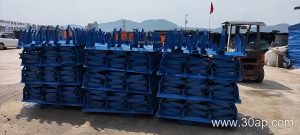
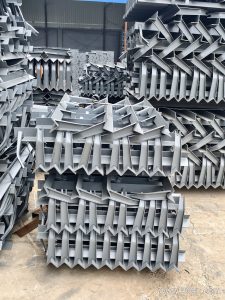
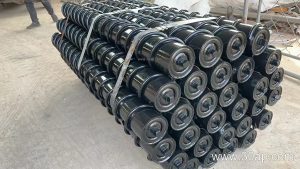
A large-diameter conveyor idler is a roller assembly with an outside diameter typically above the common small sizes, used to support the conveyor belt and the material load on a bulk handling conveyor. In practice, the term refers to idler rollers with diameters such as Ø159, Ø178, Ø194, or Ø219 mm, which are chosen when belt widths, load weights, or operating speeds call for more robust support. These idlers are part of the upper carrying run or the lower return run, and they work together with the conveyor belt, conveyor pulley, and conveyor bracket to keep the belt tracking and turning smoothly.
On high-capacity lines—whether in a quarry, a cement plant, or a power plant coal yard—the large-diameter conveyor idler helps distribute load over a wider contact area and can reduce rolling resistance compared with smaller rollers. The exact size is not universal; it should be matched to belt width, material density, and the conveyor design.
Construction and Common Configurations
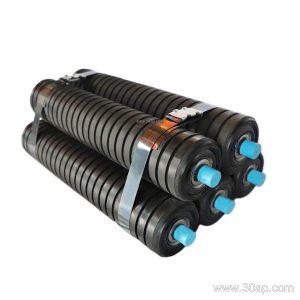
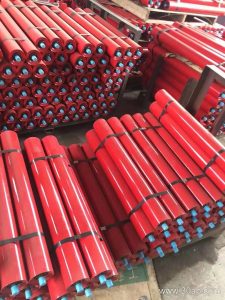
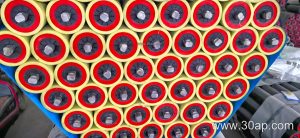
A typical large-diameter conveyor idler includes a steel tube shell, bearing housings, a shaft, and seals. The roller surface may be plain steel, nylon, ceramic, or covered with rubber rings for impact absorption. Bearing sizes often range from 6205 to 6310, but the bearing choice depends on load and speed rather than on roller diameter alone. Common trough angles for carrying idlers are 20, 30, 35, and 45 degrees, and a three-roll trough set is widely used for wider belts.
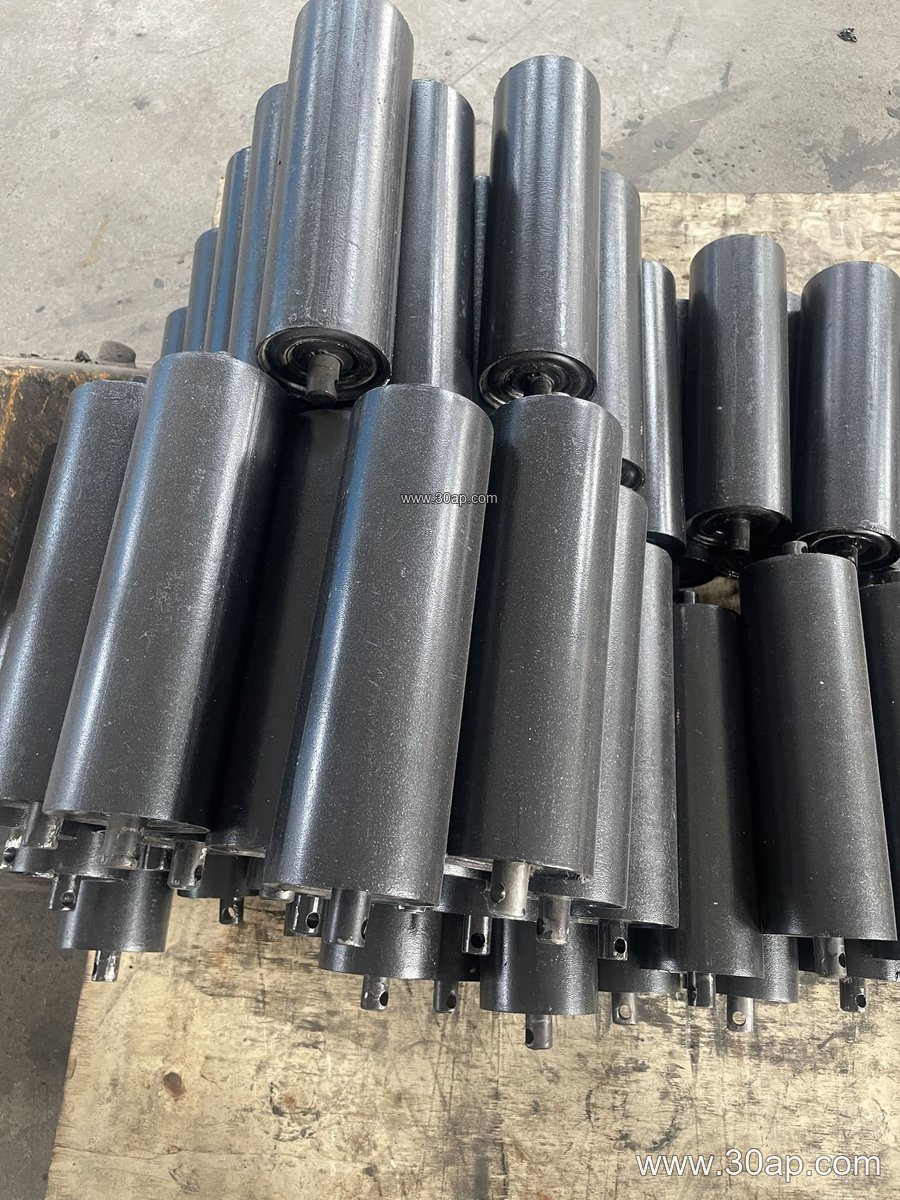
The table below shows representative reference values for large-diameter idlers; these are examples, not fixed supply commitments.
| Reference Item | Typical Range or Example |
|---|---|
| Idler diameter | Ø159, Ø178, Ø194, Ø219 mm |
| Belt width examples | B1000, B1200, B1400, B1600, B1800, B2000 mm |
| Roll length for three-roll trough (example) | Approx. 380 mm for B1000; 465 mm for B1200; 530 mm for B1400; 600 mm for B1600; 670 mm for B1800; 750 mm for B2000 |
| Common bearing sizes | 6205, 6305, 6306, 6308, 6310 |
| Trough angle | 20°, 30°, 35°, 45° |
For comparison, a smaller idler roller in the Ø89 to Ø127 mm range is often used on lighter conveyors, while the large-diameter version is selected for heavier belts and higher loads. Drive pulleys, tail pulleys, and bend pulleys are different components and are not interchangeable with idlers.
Where Large-Diameter Idlers Are Used
These idlers appear in bulk material handling where the conveyor belt carries heavy or abrasive loads. In a limestone quarry or a sand and aggregate line, they support a quarry conveyor belt under crushed rock. In a coal mining operation, a flame retardant conveyor belt may run over large-diameter idlers in the main haulage system. Cement plants use them on clinker and raw material conveyors, and power plants rely on them in coal handling. The idler works alongside the conveyor pulley and conveyor bracket, and it must be compatible with the belt type—whether an EP conveyor belt, a steel cord conveyor belt, or a multi-ply fabric core conveyor belt.
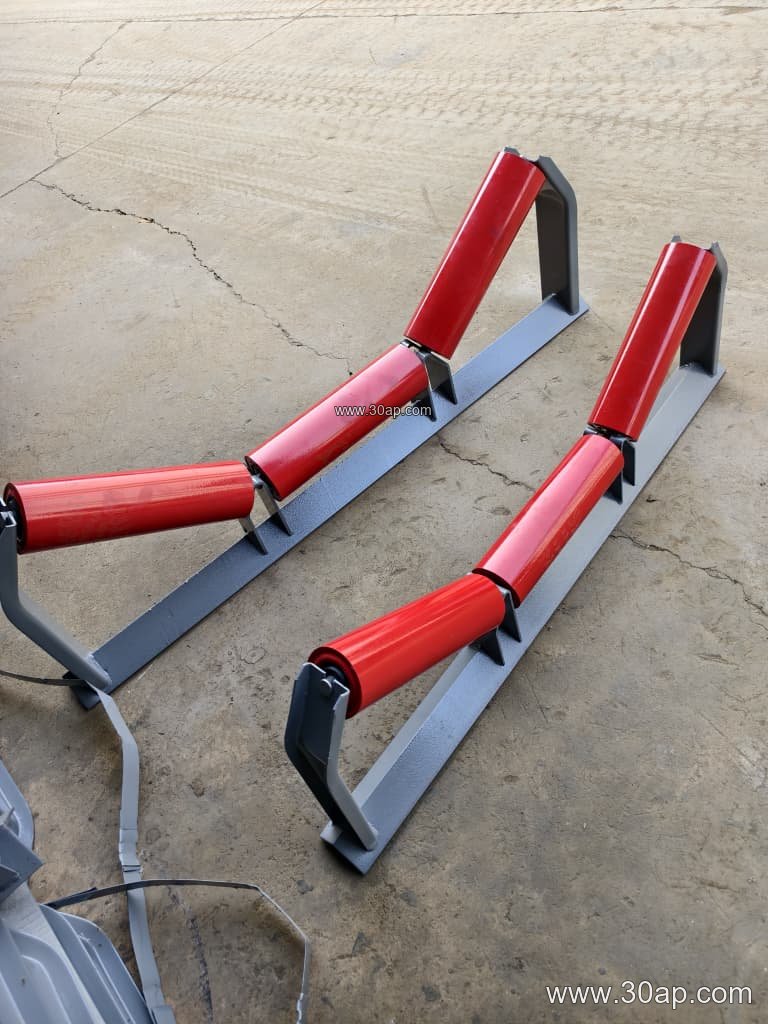
In crushing and screening circuits, a heavy-duty mining conveyor belt often needs robust idler support to handle impact and surge loads. The same applies to iron ore and copper ore conveyors, where abrasion resistant conveyor belt grades are common.
Selection and Maintenance Notes
Buyers should consider belt width, material weight, trough angle, and operating environment. A wide conveyor belt such as 1200mm or 1400mm may use larger idler diameters to reduce belt stress, but there is no rule that one belt width matches only one pulley diameter or idler size. Shaft diameter should be confirmed from the conveyor design, not assumed from belt width. For dusty or wet conditions, seal quality and bearing protection matter. In food or clean applications, food grade conveyor belt may be used, but the idler selection still follows load and hygiene requirements.
- Check that the idler diameter and roll length suit the trough set and belt width.
- Confirm bearing size and seal type for the actual load and speed.
- For impact zones, consider rubber ring buffer idlers rather than standard carrying idlers.
- Keep spare idlers matched to the installed conveyor bracket and shaft dimensions.
Regular inspection of idler rotation, seal condition, and shell wear helps prevent belt damage. When replacing idlers, verify that the large-diameter conveyor idler matches the original mounting and that the conveyor belt is not misaligned. For more information on related components such as conveyor idler, conveyor pulley, and conveyor bracket, consult the conveyor design data for your specific line.