Bearing choice inside an idler roller
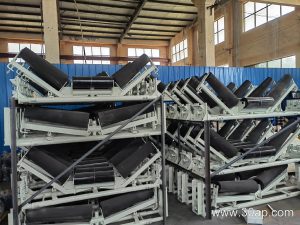
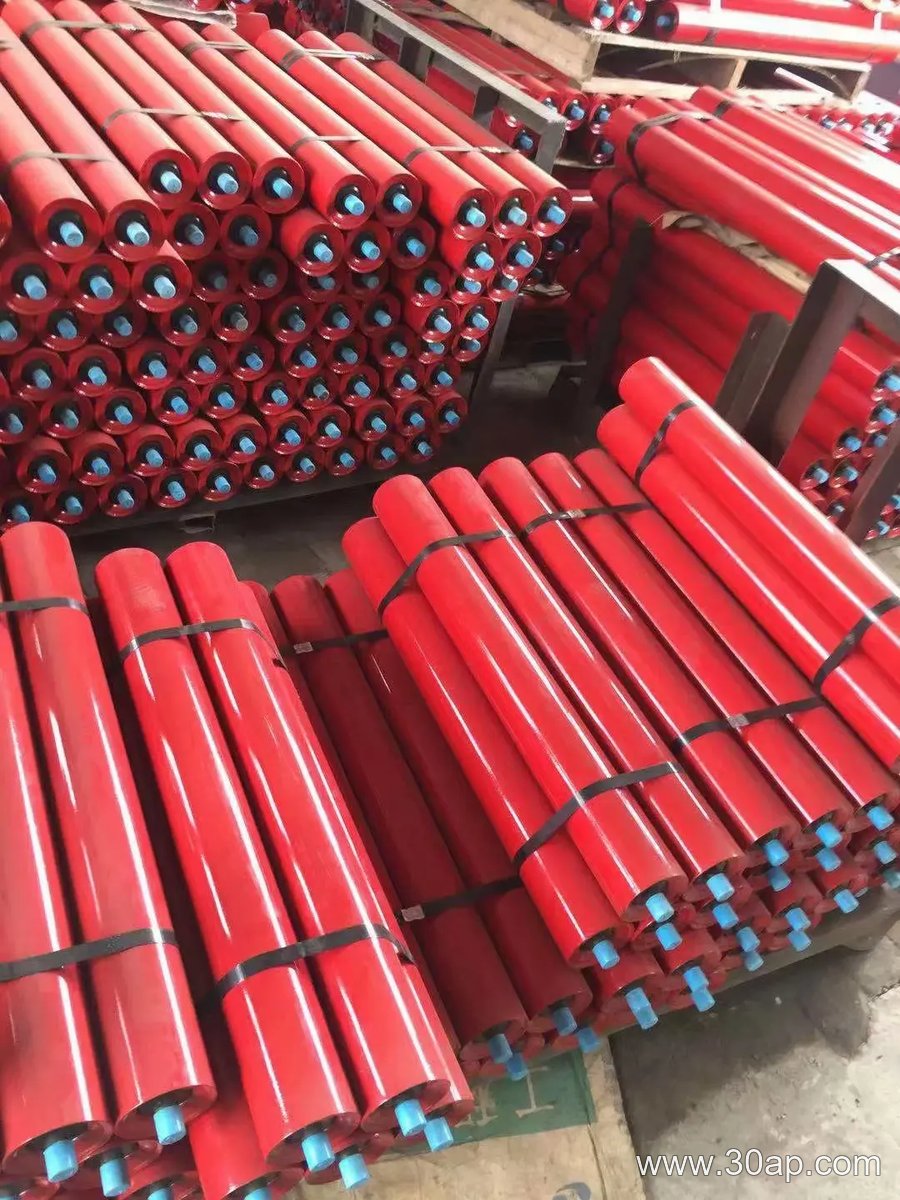
An idler roller in a cement plant carries abrasive dust and heavy belt loads. The bearing type decides how the roller handles combined radial and axial forces, and how long it turns freely.
When tapered bearings help
- High radial load per station
- Misalignment or thrust from belt tracking
- Slow speed, heavy duty service
The trade-off
Tapered bearings tolerate load but need better sealing and more careful lubrication. Ball bearings spin easily at higher speed but resist less thrust. Match the idler roller to the actual duty, not to the lowest price.
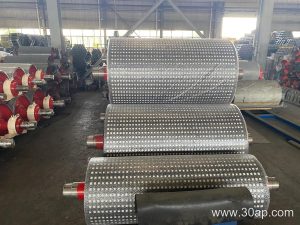
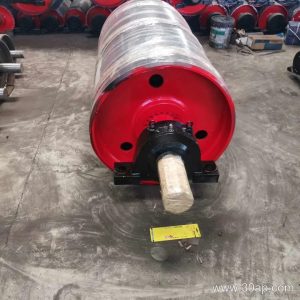
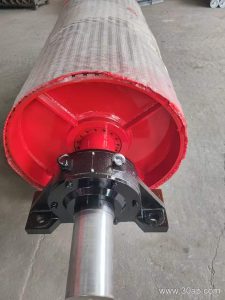
Can a General Manufacturing Line Reduce Belt Mistracking by Changing Only the Conveyor Pulley Crown
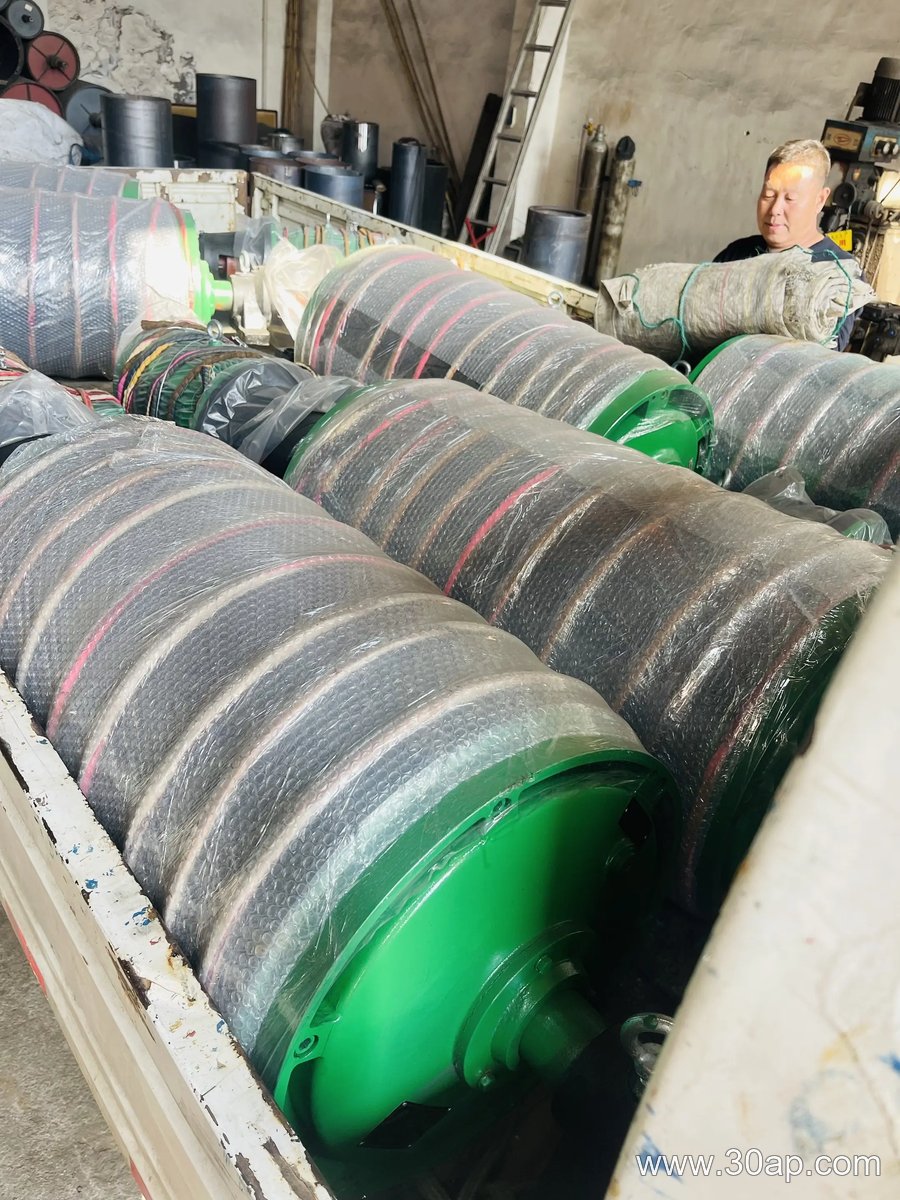
Mistracking often appears at the conveyor pulley before it shows anywhere else. On a general manufacturing line, a crowned conveyor pulley can help center the belt, but only when the rest of the geometry is already sound. The crown is a steering aid, not a cure for a skewed frame or a seized idler.
What the Crown Actually Does
A crowned conveyor pulley has a slightly larger diameter at the center than at the edges. As the belt runs, the higher linear speed at the middle gently pulls the belt back toward the center. This effect is small, so it works best when the belt has adequate tension and the pulley is level and square to the line of travel.
Checks Before Changing Anything
- Confirm the pulley shaft is level and perpendicular to the belt path.
- Check that the belt is not already damaged or unevenly stretched.
- Verify that loading is centered, not offset to one side.
- Inspect the lagging for uneven wear that mimics a tracking fault.
If those checks pass and mistracking persists, a crowned conveyor pulley may help. If they fail, correcting the frame or loading first is usually cheaper and more reliable than replacing the pulley.
When does a conveyor bracket need a slotted base instead of fixed holes?
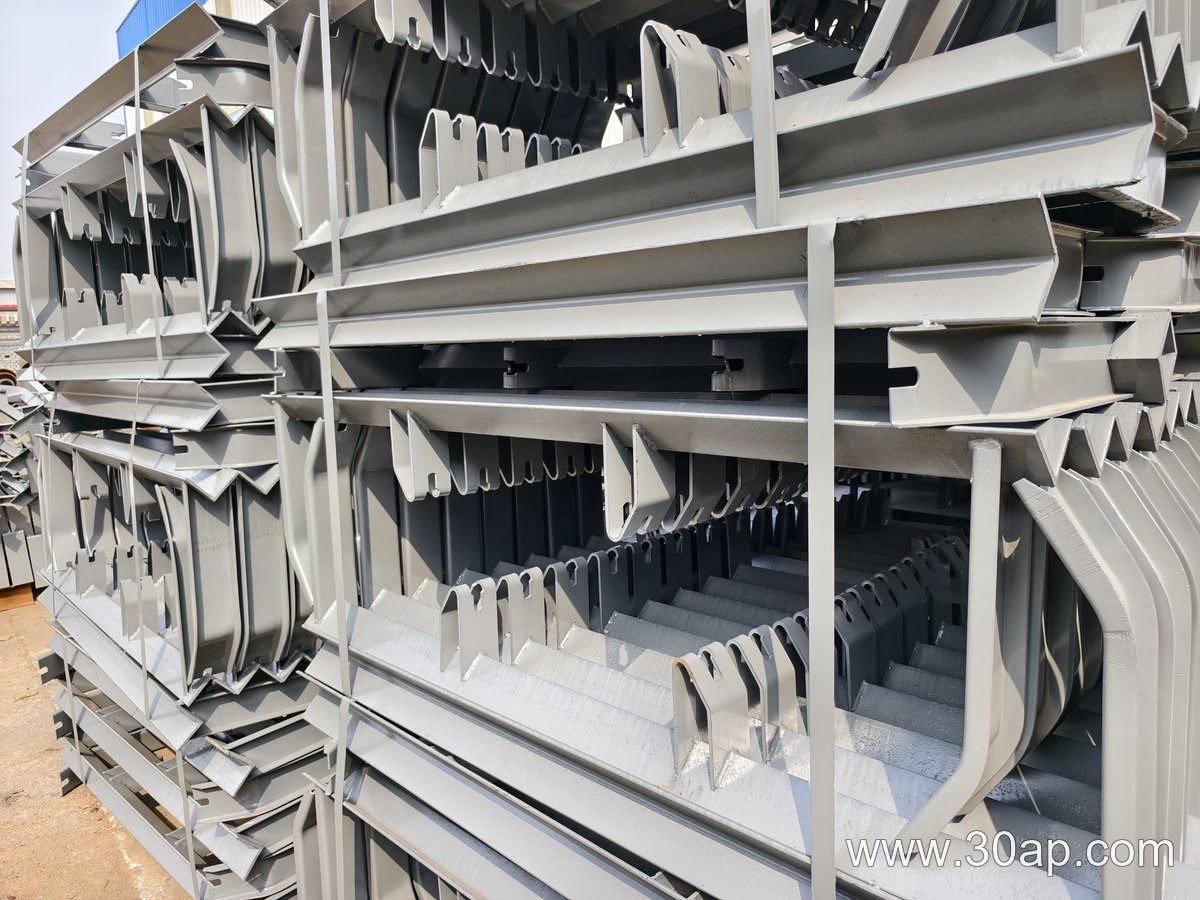
A conveyor bracket with fixed holes only works when the supporting steel is perfectly square and the idler alignment is set by other means. Slotted bases let you shift the bracket sideways or lengthwise during installation, so you can correct belt drift without re-drilling the frame. In a cement plant, for example, a transfer tower may settle slightly after commissioning; a slotted base lets maintenance crews re-align the bracket rather than replace the whole stringer section.
What checks decide between fixed and slotted?
- Is the supporting steel already drilled and aligned within tight tolerance? If yes, fixed holes are simpler and cheaper.
- Will the conveyor see temperature swings or foundation movement? Slots add adjustment range.
- Can you access the bracket for future alignment? If not, slots reduce long-term downtime.
Slotted bases are not a substitute for proper engineering. They still need hardened washers or serrated plates to lock position after adjustment, otherwise the bracket can creep under vibration.
Are there trade-offs?
Yes. Slots reduce the bearing area under the bolt head, so you may need thicker base plates or larger washers. Fixed holes are stronger in pure shear. The decision is practical: use slots where alignment may need correction, and fixed holes where the frame is rigid and permanent.
What Checks Should You Complete Before a Conveyor Belt Is Tensioned on a General Manufacturing Line
Installation is not one task. A conveyor belt is set in place, squared, aligned, and only then tensioned. Skipping the order creates mistracking that no take-up adjustment will fix.
Preparation and Mounting
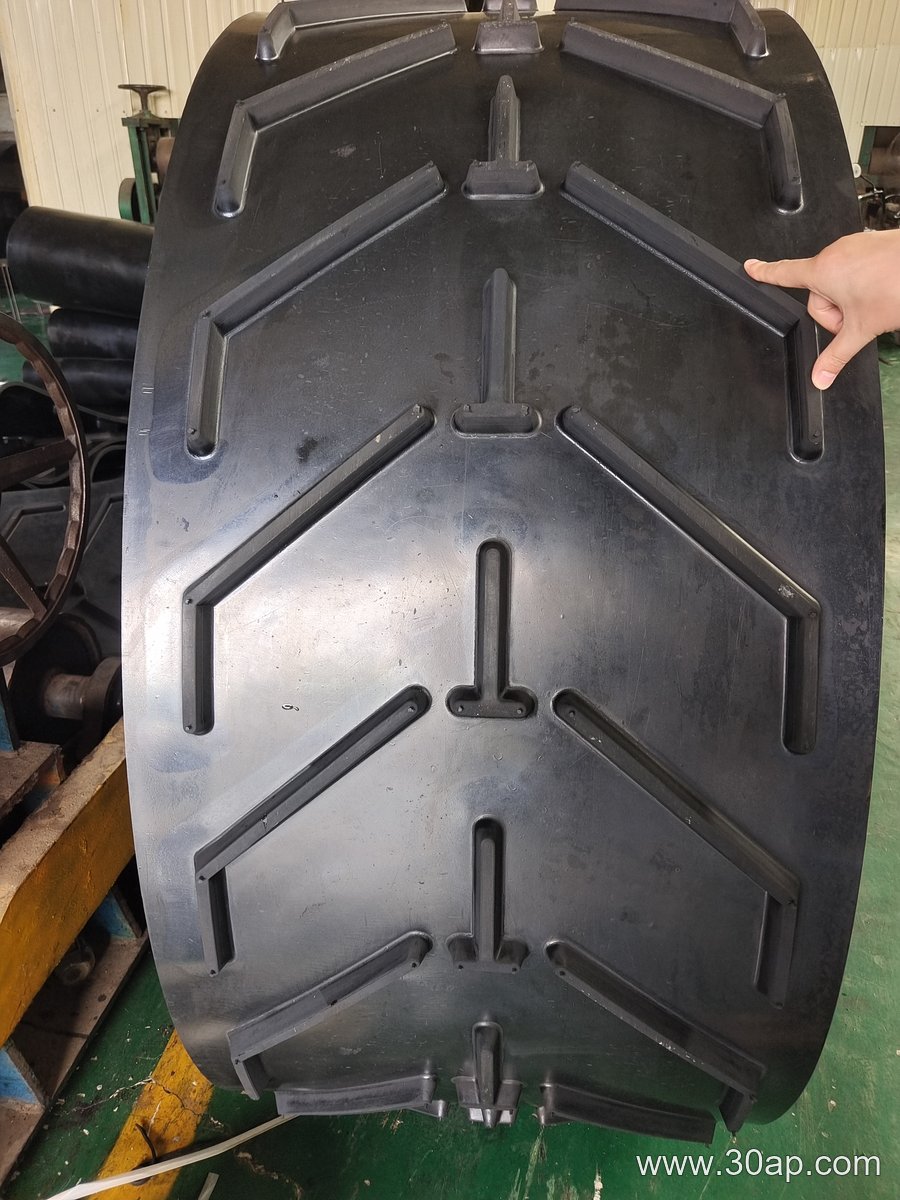
Confirm the structure is level and the pulleys are square to the centerline. Store the conveyor belt so it stays clean and protected from sunlight. Pull it into position without dragging it over sharp edges.
Alignment Before Tension
- Check pulley and idler squareness first.
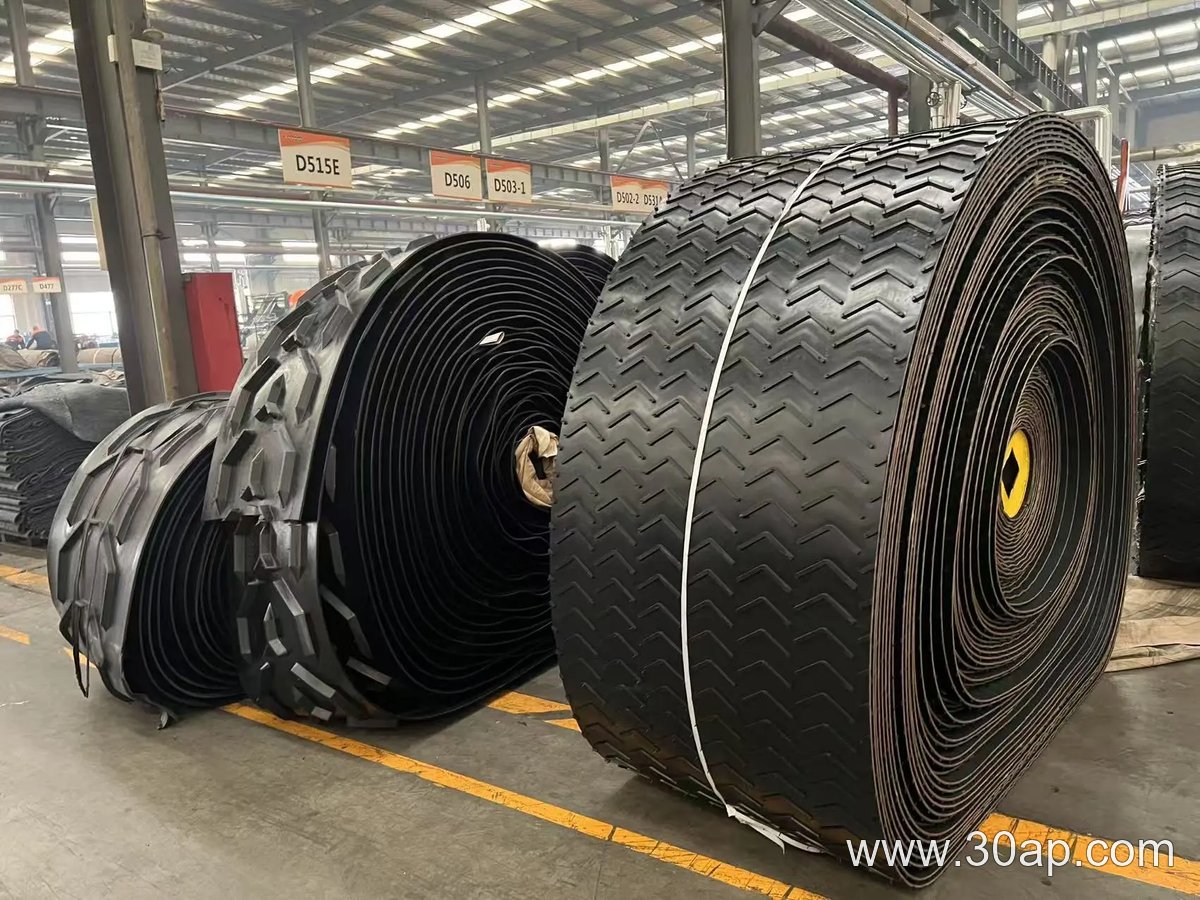
- Set the belt centered on all pulleys.
- Adjust take-up gradually, not in one step.
Commissioning Checks
Run the conveyor belt briefly at low speed. Watch tracking at the head and tail. Correct any drift before running at full load. Recheck tension after the first hours of operation, since a conveyor belt seats itself under load.