What the V-Type Idler Bracket Does
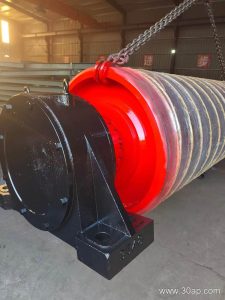
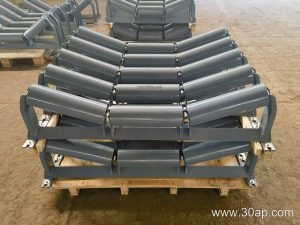
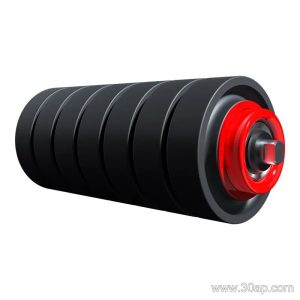
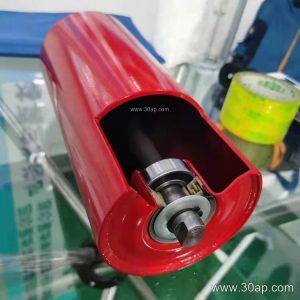
A V-Type Idler Bracket holds the return-side idler rollers in a V-shaped trough beneath the carrying run of a conveyor belt. In a quarry, a coal washing plant, or a cement kiln line, spilled fines and damp dust tend to cling to the belt’s return strand. The V configuration trains the belt toward the center, sheds loose material to the sides, and keeps the belt from wandering as it travels back to the tail. The bracket is a fabricated steel component, usually bolted to the conveyor’s longitudinal beams, and it works together with the conveyor belt, the idler roller set, and the conveyor pulley at the drive end to keep the whole circuit tracking cleanly.
Construction and Mounting Position
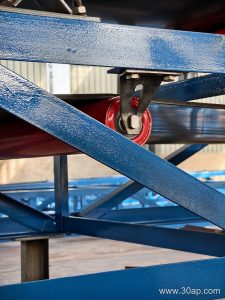
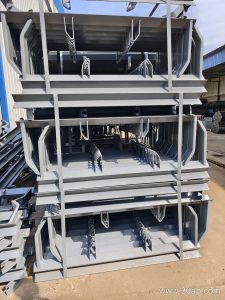
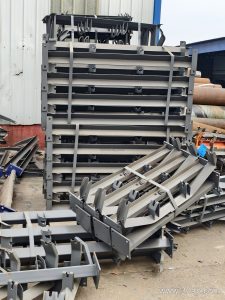
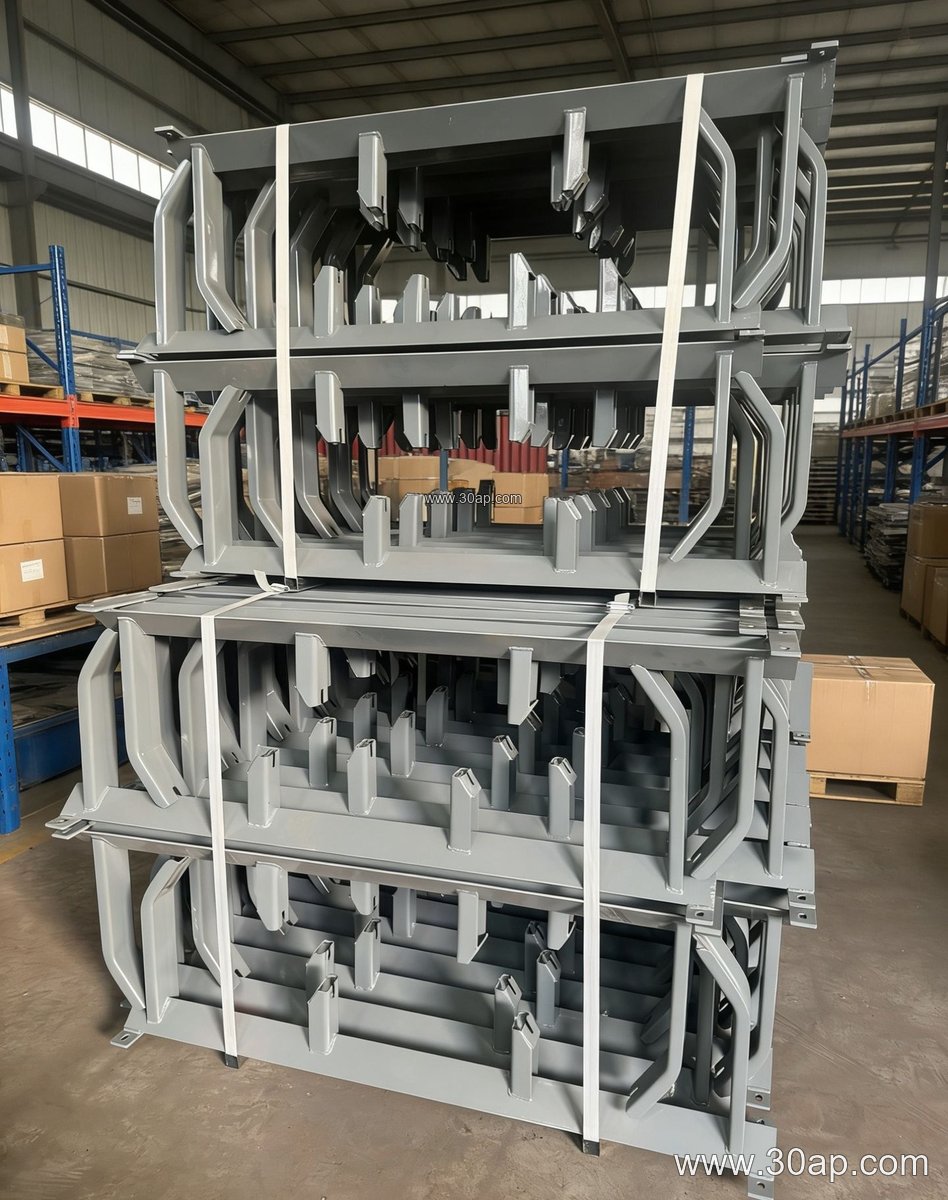
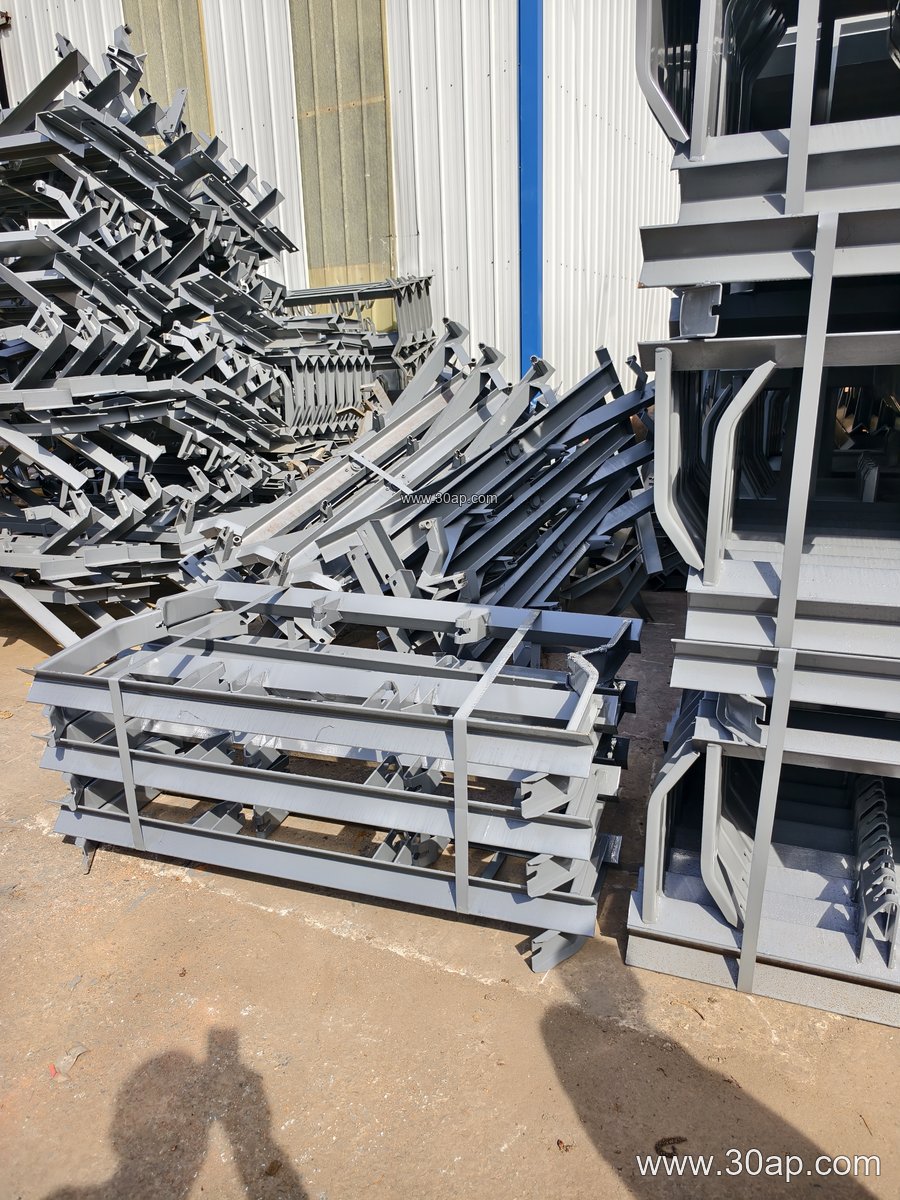
The bracket is normally built from angle steel, channel steel, or folded steel plate, welded into a pair of inclined arms that meet at a shallow V. Each arm carries a mounting slot or hole pattern for a return idler roller, and the two arms are joined to a common base or cross member. Because the return strand sits below the main frame, the bracket hangs from or bolts onto the underside of the stringer, with the V opening upward to cradle the belt.
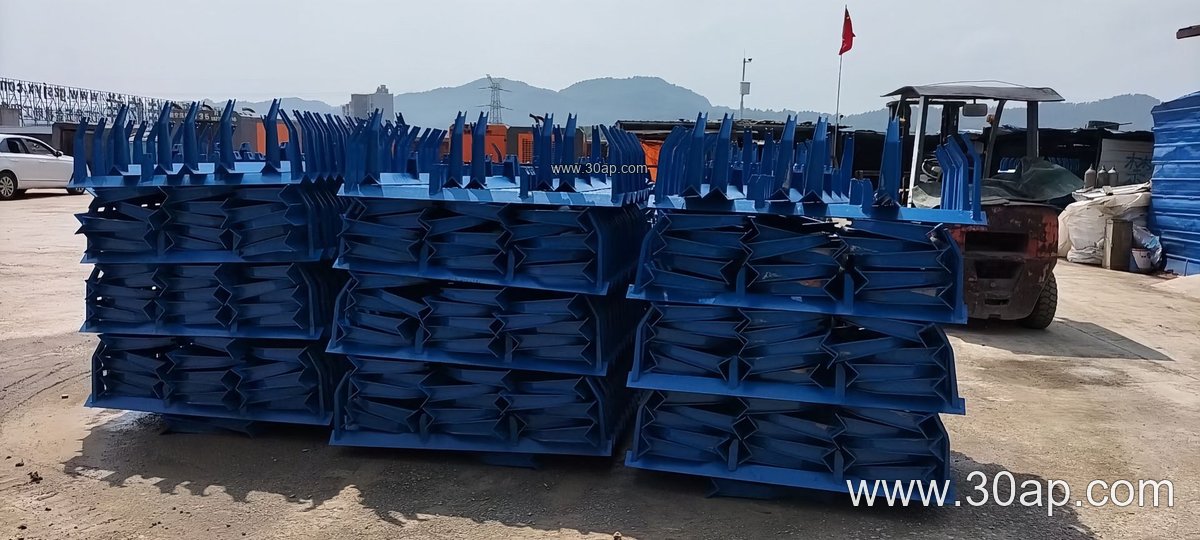
Typical build details include:
- Two inclined arms set at a fixed or adjustable angle, welded to a base plate or cross beam
- Slotted idler seats so the roller position can be fine-tuned during installation
- Bolted or welded connection to the conveyor bracket frame, depending on the design
- Optional rubber or polymer contact pads where the belt edge may rub
Mounting height and arm length are determined by the belt width and the return roller diameter, so the bracket is generally ordered together with the roller set rather than as a standalone item.
Where It Fits in a Conveyor Line
The return-side V bracket is common in aggregate plants, iron ore handling, power station coal conveying, and tunnel spoil removal, where fine material and moisture make belt tracking difficult. It should not be confused with the troughing bracket on the carrying side, nor with the transition or impact brackets near the loading point. Those are separate components with different geometry and different jobs. The V bracket’s role is narrow and specific: support and center the empty or lightly loaded return strand.
Matching the Bracket to Belt Width and Roller Size
Buyers should treat the bracket as part of a set with the return rollers. Common belt widths range from B500 up to B2200, and return roller diameters are often Ø89, Ø108, Ø133, Ø159, or Ø194. These are reference ranges, not fixed pairings; a given belt width can be served by more than one roller diameter depending on load and design speed. The V angle itself is usually modest on the return side, since the aim is centering rather than deep troughing.
| Parameter | Common Range | Note |
|---|---|---|
| Belt width | B500 to B2200 | Match to the conveyor’s rated width |
| Return roller diameter | Ø89 to Ø194 | Selected by load and design |
| V angle | Fixed or adjustable | Adjustable versions allow field tuning |
| Material | Angle, channel, folded plate | Galvanized or painted finish optional |
Installation hole spacing and cross-member length change with belt width and V angle. They should be confirmed against the conveyor drawing rather than assumed from the belt width alone.
Fixed Versus Adjustable Return Brackets
A fixed V bracket is simpler and cheaper, with the arms welded at one angle. An adjustable version lets maintenance crews change the V angle or roller position to correct belt mistracking without cutting and re-welding. In a sand and gravel line where belt tension and loading vary through the season, the adjustable type can save downtime. In a steady-duty fertilizer or grain silo conveyor, a fixed bracket may be entirely sufficient. Neither type replaces a self-aligning idler set; they serve different purposes and are often used together.
What to Check Before Ordering
- Confirm the conveyor belt width and the return roller diameter the bracket must accept
- Check the stringer spacing and bolt hole pattern on the existing frame
- Decide whether a fixed or adjustable V angle suits the application
- Ask about surface treatment for dusty or wet environments
- Verify that the bracket is supplied as a complete set with matching idler seats
Spare brackets should be kept for high-wear return sections, particularly where abrasive slurry or sharp aggregate passes over the belt. Replacing a worn bracket before the arms deform protects both the idler roller and the belt edge, and keeps the return strand running true between the tail and the drive pulley.