What an Ore Conveyor Idler Does
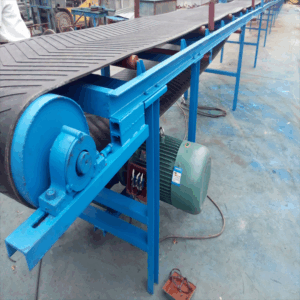
An ore conveyor idler is the rotating component that supports the conveyor belt on the load-carrying and return sides of a bulk handling conveyor. In hard-rock mining, quarrying, and mineral processing, these idlers carry heavy, abrasive material such as iron ore, copper ore, limestone, and crushed aggregate. The idler must keep the belt aligned, reduce friction, and absorb the impact of lump ore without premature bearing failure. A reliable idler roller also protects the conveyor belt from edge damage and extends the service life of the entire conveyor system.
Construction and Common Types
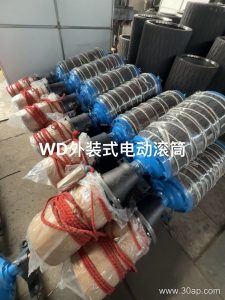
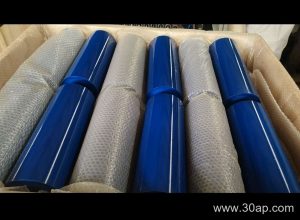
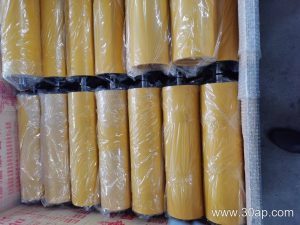
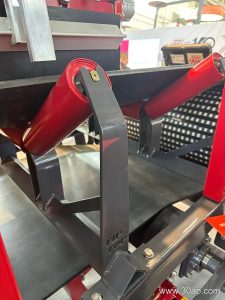
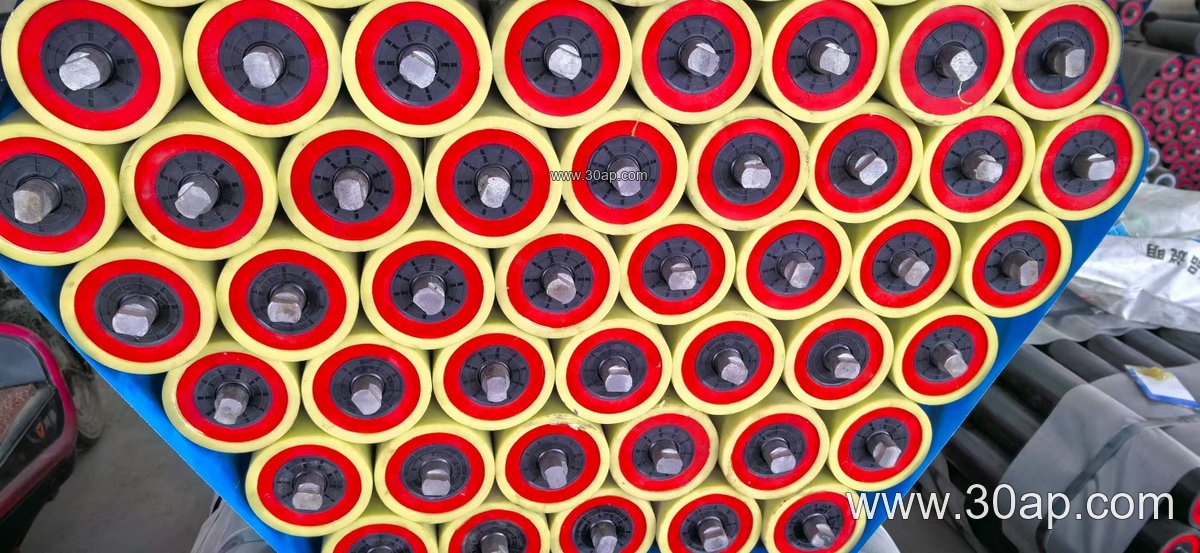
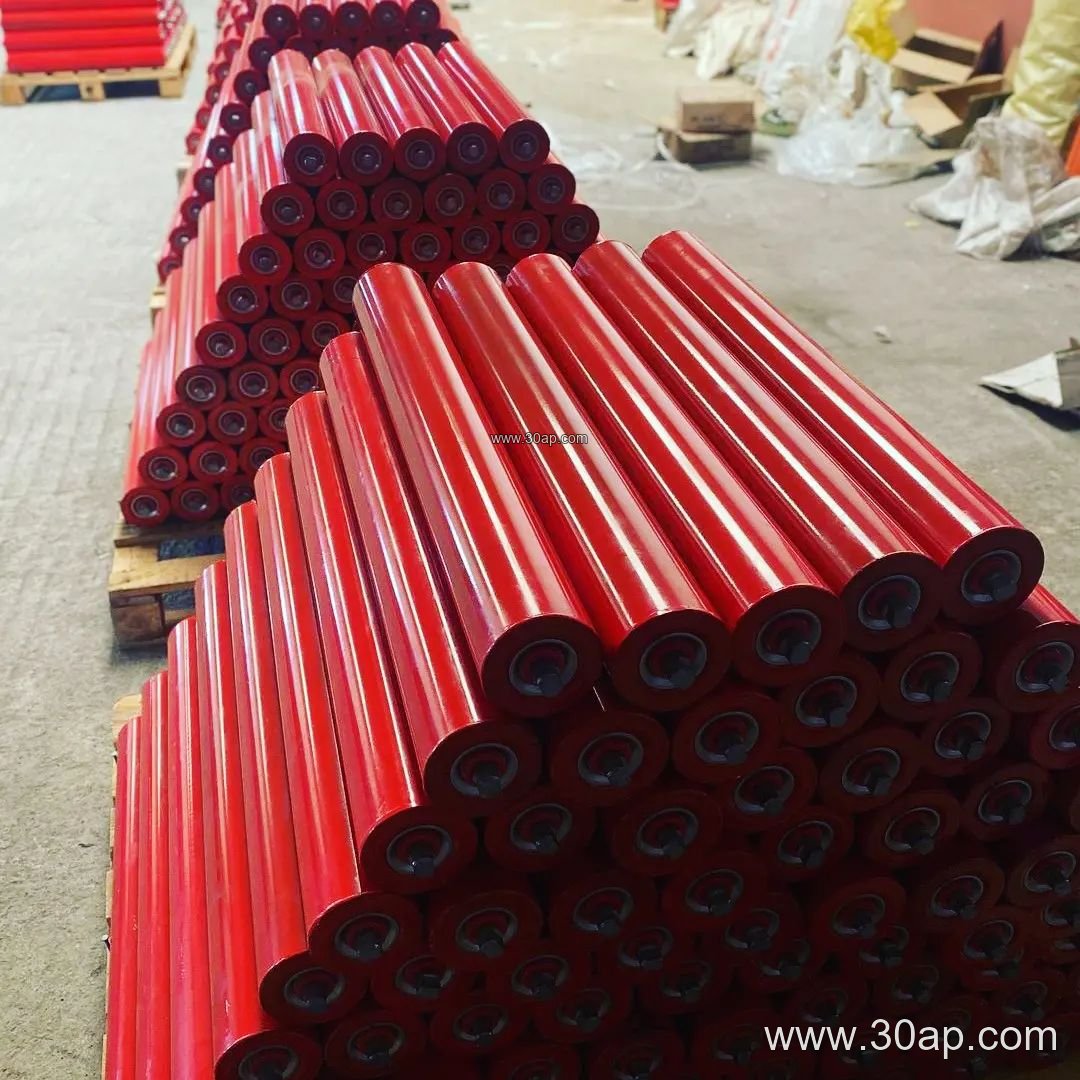
A typical ore conveyor idler consists of a steel tube shell, bearing housings, a shaft, and seals. The roller surface may be plain steel, nylon, ceramic, or rubber-covered. Rubber rings are often used on impact idlers at transfer points, while ceramic or nylon surfaces may be chosen where buildup or wear is a concern. The idler assembly is mounted in a conveyor bracket or frame, and the belt rides on the roller surface.
Common idler types include:
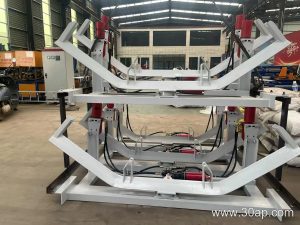
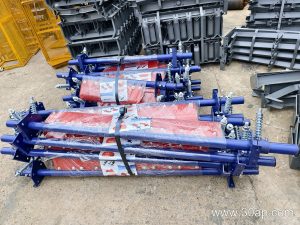
- Troughing idlers in two- or three-roll arrangements for the carrying side
- Impact idlers with rubber rings for loading zones
- Return idlers, including flat and V-type, for the belt return side
- Training idlers with friction or tapered rolls for belt alignment
- Spiral and comb idlers for sticky or cleaning applications
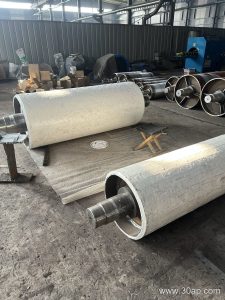
Drive pulleys, tail pulleys, and bend pulleys are different components and are not interchangeable with idlers. They transmit power or change belt direction, while idlers only support and guide the belt.
Where Ore Conveyor Idlers Are Used
These idlers are found in iron ore mines, copper concentrators, limestone quarries, coal preparation plants, cement plants, power plant coal handling, and port bulk terminals. In a crushing and screening circuit, impact idlers are often placed under the crusher discharge to cushion the belt from falling rock. In a wash plant or aggregate line, troughing idlers keep the belt in a stable profile so that wet or dry ore does not spill. The same idler family can also support conveyor belts in steel plants and sinter plants, provided the roller and bearing selection matches the duty.
Key Parameters for Buyers
When specifying an ore conveyor idler, buyers usually review roller diameter, belt width, trough angle, roll length, bearing size, and roller surface. The following table shows common reference ranges, not fixed combinations. Final dimensions should be confirmed against the conveyor design and the actual belt width.
| Parameter | Common reference values |
|---|---|
| Roller diameter | Ø63, Ø76, Ø89, Ø102, Ø108, Ø127, Ø133, Ø159, Ø178, Ø194, Ø219 mm |
| Belt width | B400, B500, B650, B800, B1000, B1200, B1400, B1600, B1800, B2000, B2200, B2400 mm |
| Trough angle | 20°, 30°, 35°, 45° |
| Bearing | 6204, 6205, 6305, 6306, 6308, 6310 |
| Roller surface | Steel tube, nylon, ceramic, rubber ring |
Roll length varies with belt width, trough angle, and idler arrangement. For example, a three-roll troughing set may use roll lengths around 200 mm for B500, 250 mm for B650, 315 mm for B800, 380 mm for B1000, 465 mm for B1200, 530 mm for B1400, 600 mm for B1600, 670 mm for B1800, and 750 mm for B2000. These are typical examples only; side rolls and center rolls can differ, and no single belt width dictates one pulley diameter or shaft size.
Selection and Maintenance Notes
For abrasive ore, choose idlers with adequate seal protection and a roller surface suited to the material. Impact zones benefit from rubber-ring impact idlers, while long return runs may use V-type return idlers to help keep the belt centered. The conveyor belt itself—whether an abrasion resistant conveyor belt, a heat resistant conveyor belt, or a flame retardant conveyor belt—should be matched with compatible idler surfaces and operating conditions. In coal mining and underground mining, flame retardant and anti-static properties of the belt are important, and idler selection should follow the same safety logic for the installation.
Regular inspection of idler rotation, seal condition, and bracket tightness helps prevent belt misalignment and roller seizure. Replace idlers that run hot, wobble, or show collapsed seals. Keep the conveyor pulley and drive components separate from the idler maintenance schedule, since they serve different functions.
For related conveyor components and belt options, visit conveyor belt, idler roller, and conveyor pulley resources. A well-matched ore conveyor idler keeps the belt tracking smoothly from the crusher to the stockpile.