What an EP500 Conveyor Belt Is
An EP500 conveyor belt is a fabric core belt built with polyester warp and polyamide weft cords. The designation EP500 refers to a nominal tensile strength of 500 N/mm per ply, which places it in the mid-to-high strength range of synthetic fabric belts. In practice, an EP500 conveyor belt is often chosen when a single-ply or reduced-ply construction must carry loads that would demand several plies of a weaker fabric, helping keep the belt thinner and more flexible around pulleys.
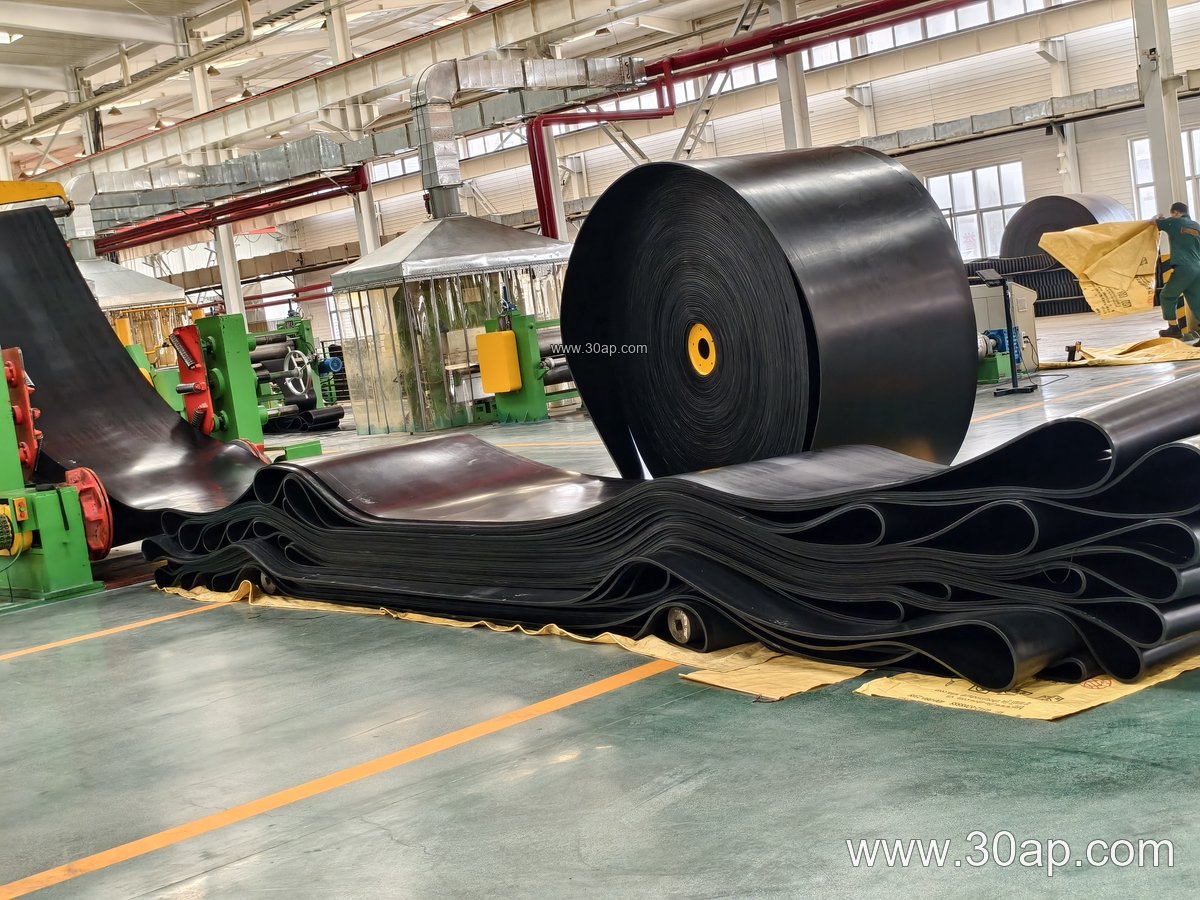
Because the carcass resists stretch and fatigue, this belt type suits long runs, inclined haulage, and continuous operation in mines, coal preparation plants, cement works, power stations, quarries, and sand and gravel yards. It is also common on crusher discharge lines and bulk material transfer conveyors where shock loading and abrasion are part of daily duty.
Construction and Cover Grades
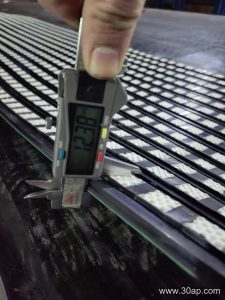
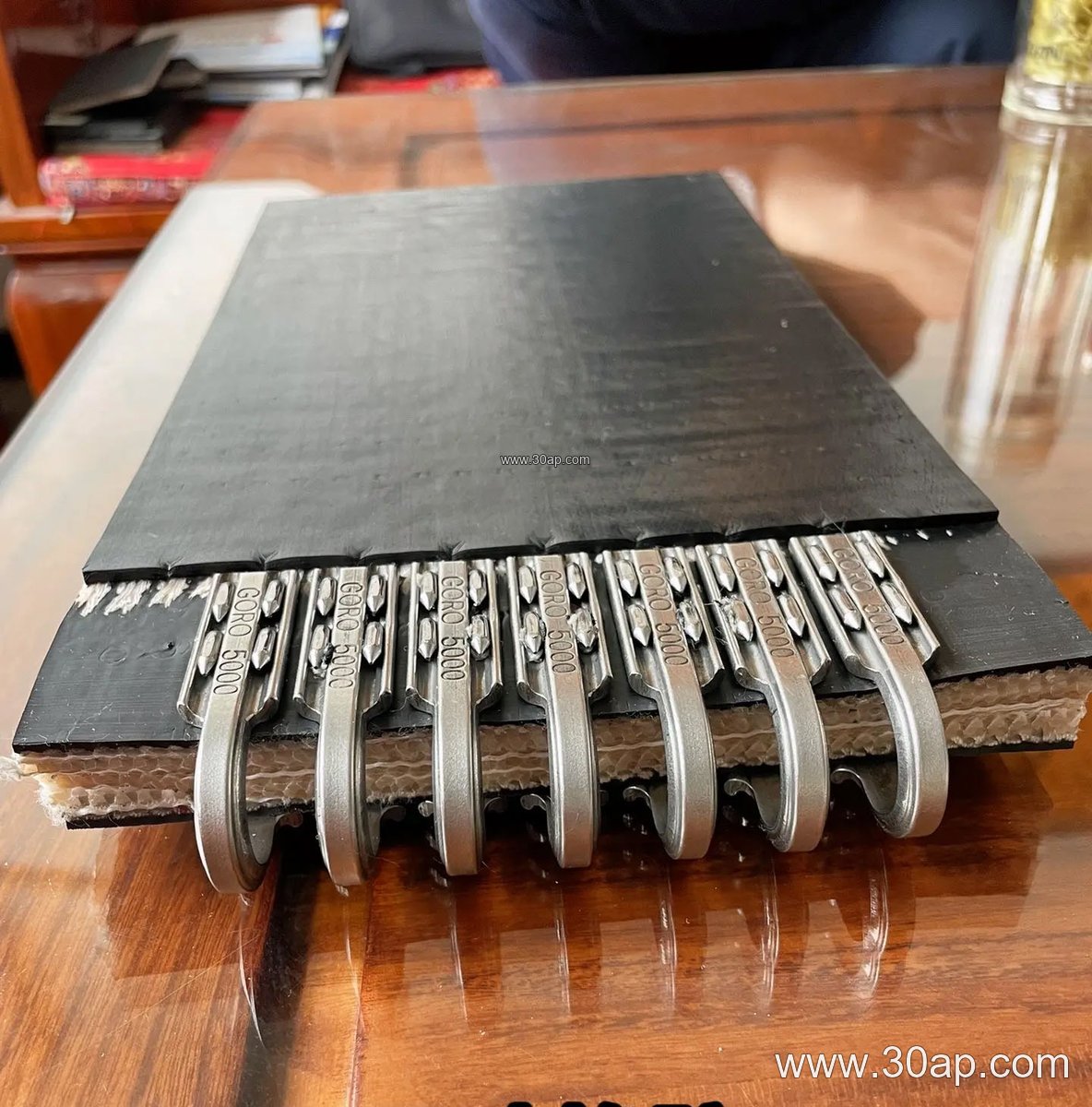
The belt is usually made with two to six fabric plies, depending on the required safety factor and the severity of the duty. Cover rubber is applied to both faces, with common thickness combinations such as 4+2 mm, 5+2 mm, 6+2 mm, and 8+3 mm. The top cover protects the carcass from abrasion and impact, while the bottom cover runs against idler rollers and drive, tail, and bend pulleys.
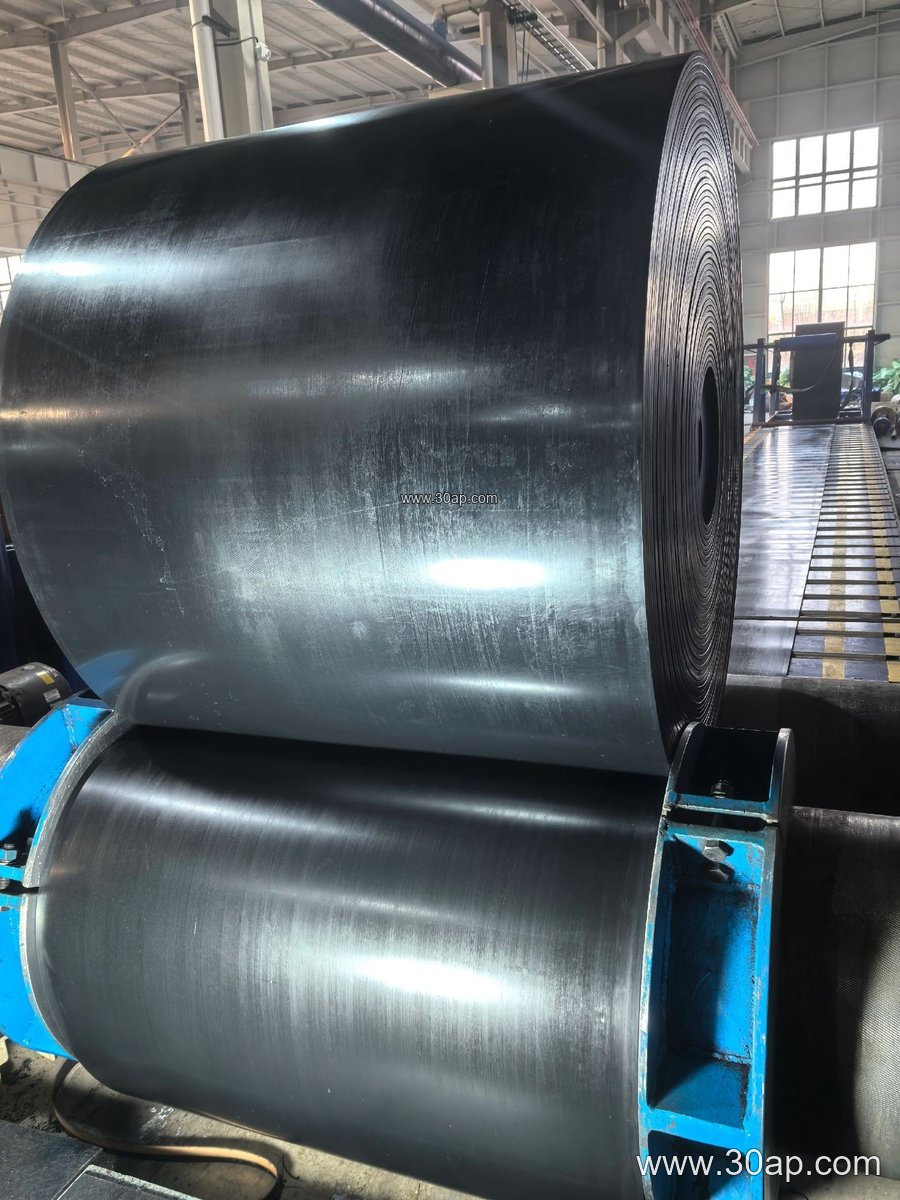
Buyers can specify cover compounds to match the environment. For a mine or coal handling circuit, a flame retardant and anti-static cover is often requested. For cement clinker, sinter, or hot ash, a heat resistant grade helps. For ore with sharp edges, a high abrasion resistant cover extends service life. Oil resistant and cold resistant versions are available for workshops and cold climates. Where material must be kept from spilling on steep inclines, a chevron or corrugated sidewall form can be supplied, but these are separate belt designs rather than direct replacements for a flat EP500 belt.
Typical Reference Dimensions
The table below gives common reference values. Actual belt width, ply count, and cover thickness should always be confirmed against the conveyor design, material lump size, and pulley arrangement.
| Parameter | Common Reference Range |
|---|---|
| Strength grade | EP200, EP315, EP400, EP500, EP630, EP800 |
| Belt width | B500, B650, B800, B1000, B1200, B1400, B1600 |
| Fabric plies | 2 to 6 plies, by design |
| Top cover thickness | 3 mm to 8 mm, typical |
| Bottom cover thickness | 1.5 mm to 3 mm, typical |
| Cover grades | Abrasion resistant, heat resistant, oil resistant, flame retardant, anti-static, cold resistant |
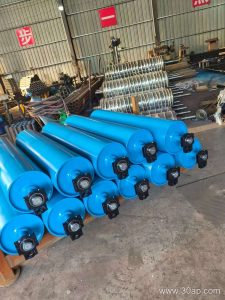
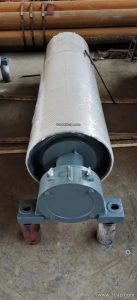
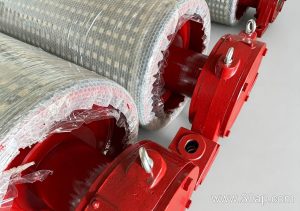
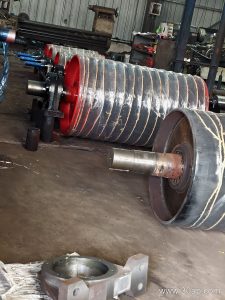
Note that belt width and pulley diameter are matched through the conveyor design, not by a fixed rule. A wider belt does not automatically dictate a specific shaft size; the drive pulley, tail pulley, and bend pulleys are sized from belt tension, wrap angle, and shaft load calculations.
Where It Fits and What to Check
This EP conveyor belt is frequently used in underground mining, coal mining, quarry and aggregate plants, iron ore and copper ore handling, power plant coal yards, and cement plant raw material lines. It also appears in port loading systems and recycling facilities where a durable fabric belt is preferred over a steel cord belt for moderate tension duties.
When selecting, check the maximum working tension, the number of plies, cover grade, and belt thickness against the pulley diameters and idler roller spacing. A belt that is too stiff for small pulleys may fatigue early; a belt with insufficient cover thickness may wear through on abrasive stone. Confirm the splice method, since fabric belts are often joined mechanically or vulcanized on site.
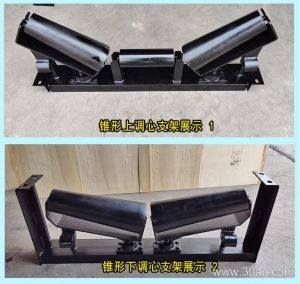
Maintenance should focus on alignment, idler roller condition, and pulley lagging. Worn idlers or a misaligned conveyor bracket can cause edge damage and tracking problems. Keeping the belt clean and checking cover wear at transfer points helps avoid unexpected downtime. Where fire safety is a concern, specify the appropriate flame retardant grade and verify it with the supplier.
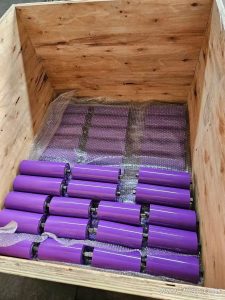
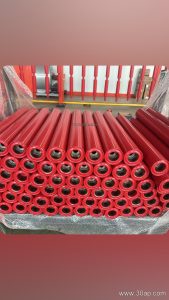
For related components, the same system may use a conveyor pulley, idler roller, and conveyor bracket selected to match the belt width and load. A fabric core conveyor belt in this grade is a practical choice for many bulk material lines, while a steel cord belt is reserved for much higher tensions. Buyers should treat all figures as reference data and confirm final specifications with the belt manufacturer.