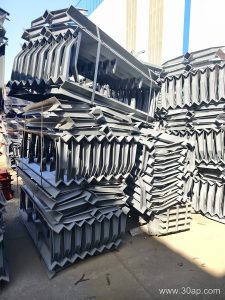
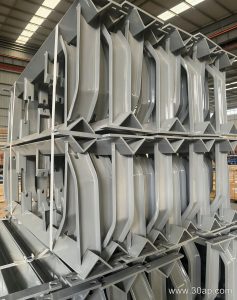
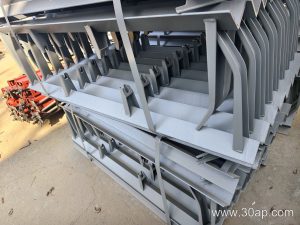
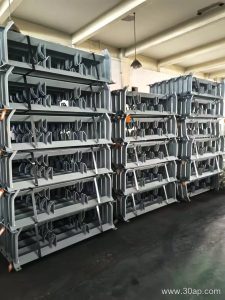
Fixed or slotted conveyor bracket in a cement plant
In a clinker gallery, cement dust settles on every horizontal face, so the choice between a fixed conveyor bracket and a slotted conveyor bracket matters more than it does on a clean line. The fixed bracket holds the idler rigidly; the slotted bracket allows later adjustment along the stringer.
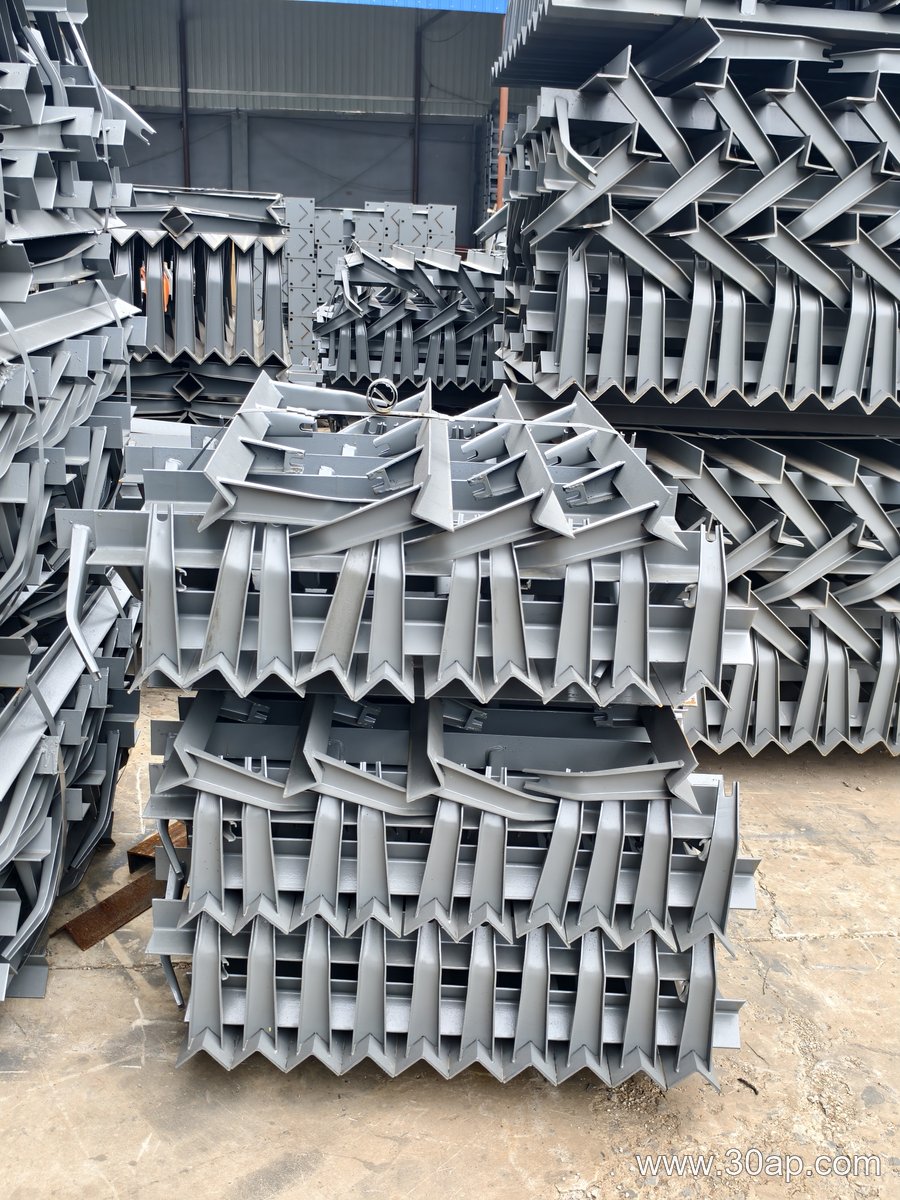
- Fixed bracket: better vibration resistance, harder to realign.
- Slotted bracket: easier alignment, but the slot can collect abrasive fines and loosen.
Use the fixed type where the stringer is drilled accurately and dust is heavy. Choose the slotted type only if future idler repositioning is expected, and seal or cap the slot. Hypothetical checks should confirm bolt torque and clearance before commissioning.
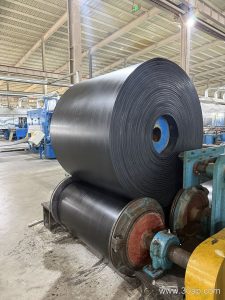
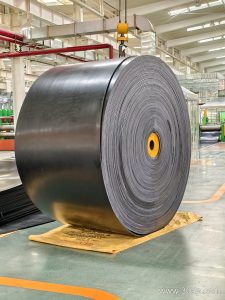
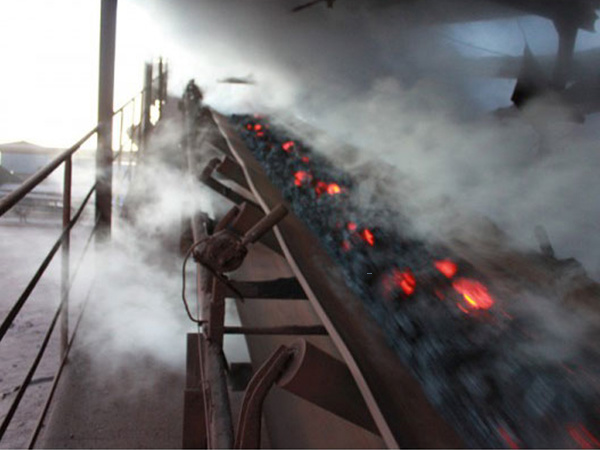
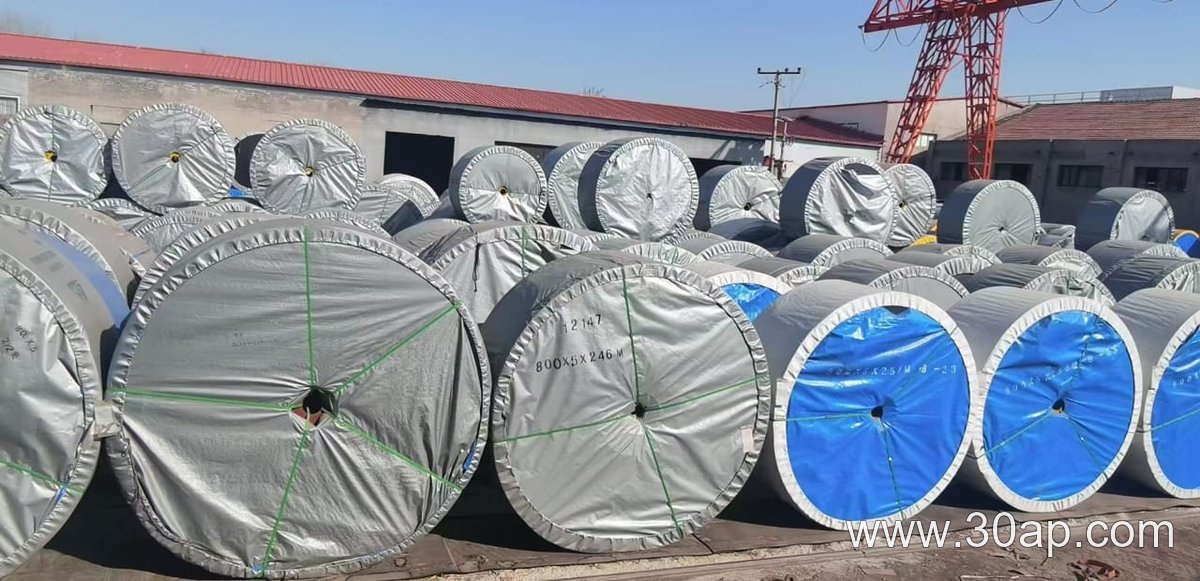
How Do You Stop a Wet Outdoor Conveyor Belt from Slipping on the Drive Pulley
Rain and washdown water turn a conveyor belt’s driving surface into a low-friction film. The belt slips, the pulley polishes, and tracking fails. This troubleshooting sequence addresses that single problem.
Check and correct the sequence
- Confirm the slip is at the drive pulley, not a seized idler.
- Measure belt tension against the manufacturer’s take-up range. A wet conveyor belt needs adequate tension to develop friction.
- Inspect the pulley lagging. Worn or glazed rubber cannot grip a wet conveyor belt.
- Verify that water drains from the belt and pulley rather than pooling at the nip.
- Check that the belt is not overloaded for the wet condition.
If tension and lagging are correct, reduce the water film with a pulley wiper or drainage profile. Do not add belt dressing to a wet conveyor belt; it can attract grit and worsen slip.
Start with the duty, not the catalog number
In a mineral processing plant, an idler roller must survive abrasive dust, heat from the conveyed material, and continuous speed. Selection begins with four inputs: shell material, bearing type, seal arrangement, and the actual operating temperature at the roller.
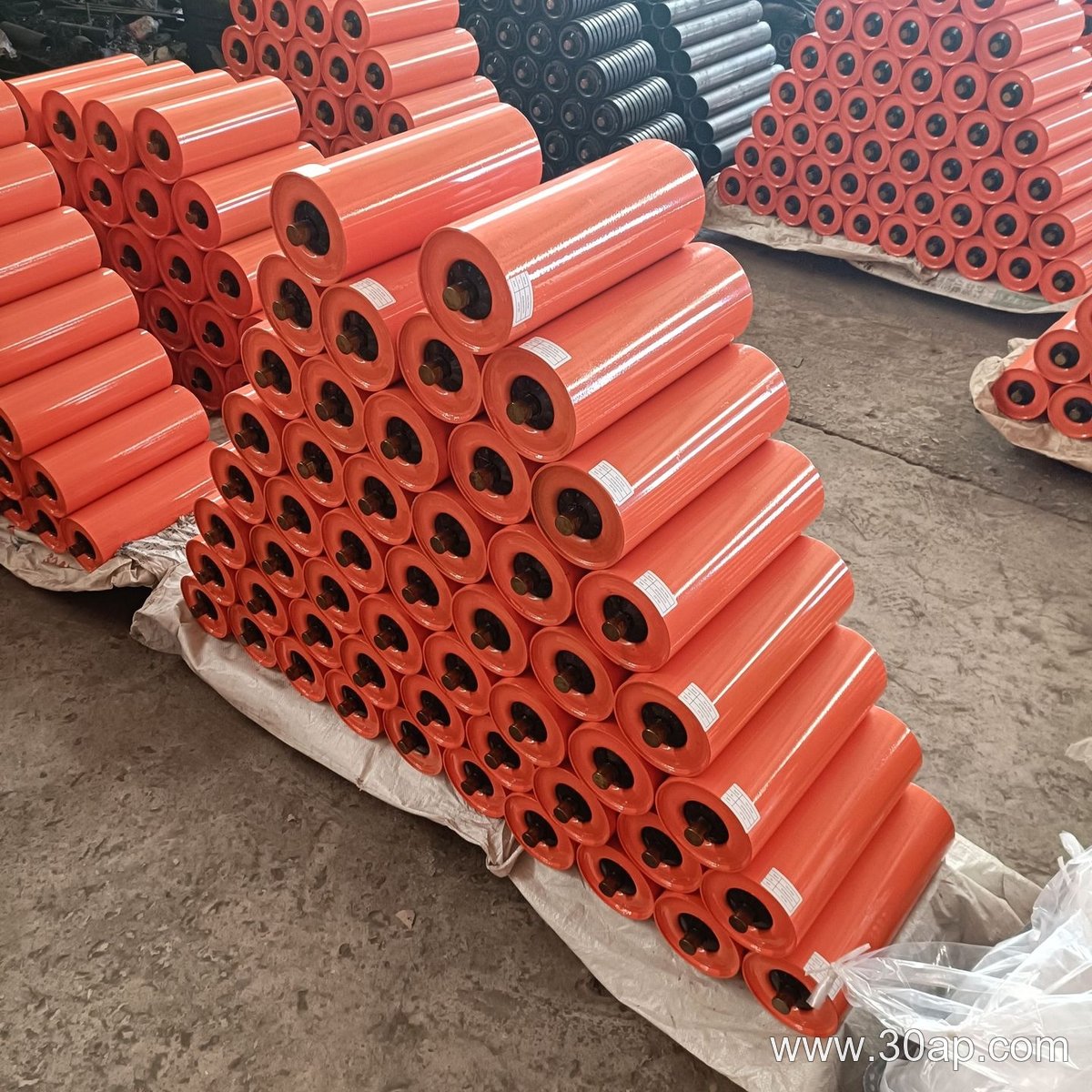
Match material and seal to the conditions
- Shell: polymer resists sticking and corrosion; steel handles impact and high heat.
- Bearing: regreasable bearings suit slow, hot lines; sealed-for-life bearings suit clean, moderate duty.
- Seal: labyrinth seals block fines but add drag; contact seals suit wet or fine dust.
- Speed: higher belt speed increases bearing heat, so verify the roller’s rated speed rather than assuming.
For a hypothetical hot, dusty line, a steel shell with a labyrinth seal and regreasable bearing is often the safer starting point. Confirm actual temperatures and loads with the supplier before ordering.
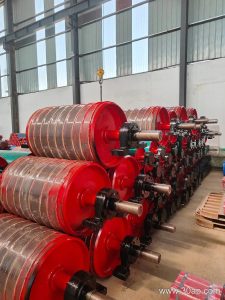
Which conveyor pulley material is worth the extra cost?
Many buyers assume that a heavier, more expensive conveyor pulley always lasts longer. In a cement plant, that is not automatically true. The real cost balance depends on how abrasive the service is and how often the pulley can be replaced.
Carbon steel versus abrasion-resistant steel
A conveyor pulley with a carbon steel shell costs less up front. It suits clean, low-abrasion duty. An abrasion-resistant steel shell costs more but resists clinker and limestone grit far better. If the conveyor pulley runs in a dusty transfer point, the higher purchase cost can pay back through fewer shell replacements and less downtime.
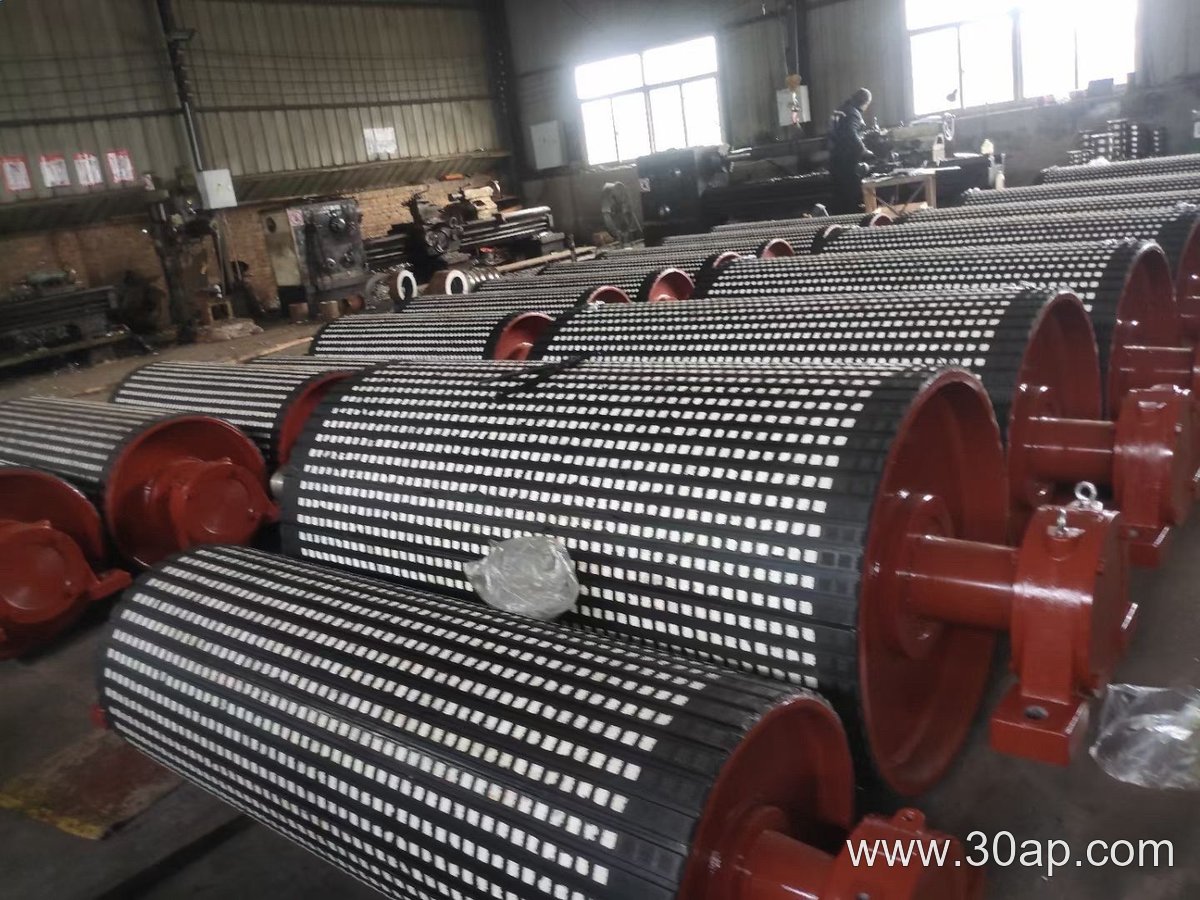
Application fit versus purchasing cost
The trade-off is not about the cheapest or strongest steel. It is about matching the conveyor pulley to the actual wear rate. For a light-duty cement conveyor, carbon steel is the economical choice. For a heavily loaded, abrasive conveyor pulley, abrasion-resistant steel is the better fit despite the higher initial price. Always check the expected wear pattern and replacement access before deciding.