What a V-Type Idler Bracket Does
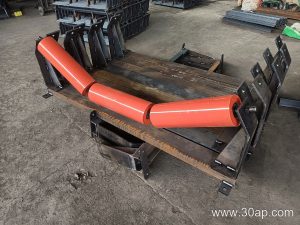
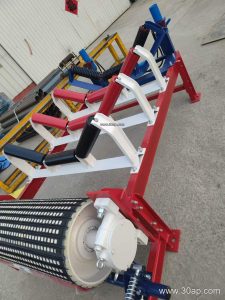
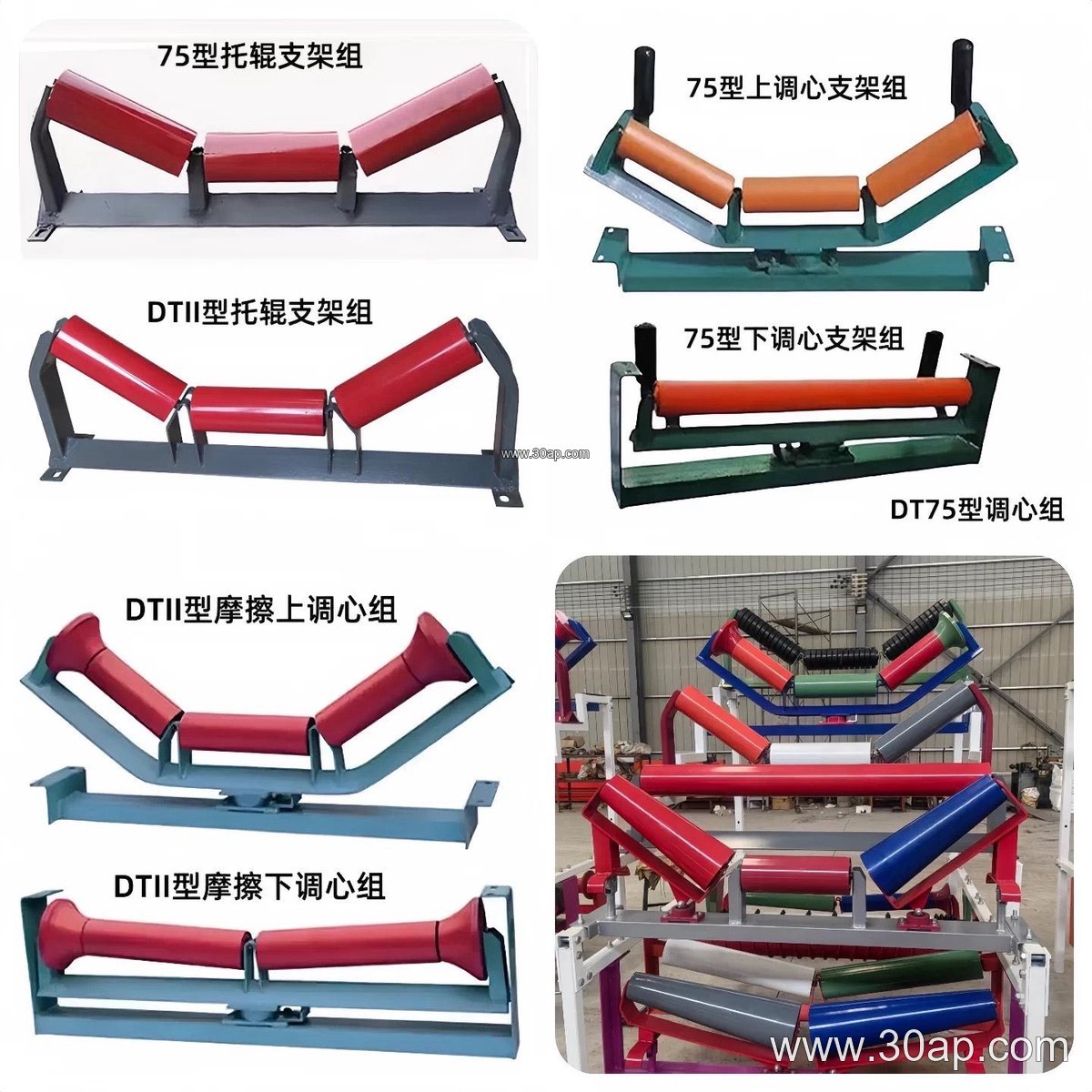
A V-Type Idler Bracket is a return-side support frame that holds two idler rollers in a V-shaped trough, with the rolls meeting at a low point in the middle of the belt path. On a running conveyor, this arrangement supports the empty carrying belt and gently pushes it toward the center line, so misalignment is corrected before it becomes a serious tracking problem. In a quarry, a coal preparation plant, or a cement clinker line, a small tracking fault on the return strand can quickly wear the belt edge and damage the structure, which is why this bracket is often specified as part of the standard return idler set.
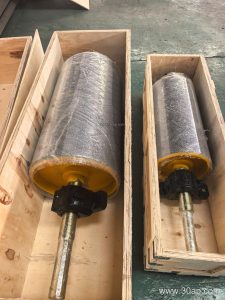
The bracket is also known as a V-return idler frame or V-shaped return bracket. It is not a substitute for a troughing bracket on the carrying side, nor for a transition or impact bracket; each of those has a different position and load case. The V-type bracket belongs under the returning belt, and it works together with the idler roller, the conveyor pulley, and the conveyor belt to keep the whole line stable.
Construction and Mounting
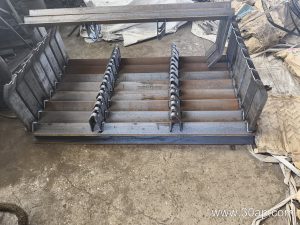
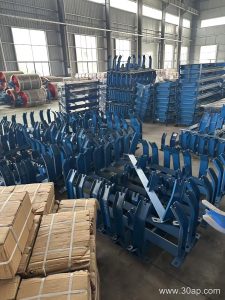
Most V-Type Idler Brackets are fabricated from angle steel, channel steel, or folded steel plate. Two inclined arms are welded or bolted to a common base, and each arm carries a mounting position for one idler roller. The included angle between the two arms is the V angle, and it is normally fixed at the factory for a given design. The frame is bolted to the conveyor stringer or to a cross beam, with the mounting hole spacing and beam length determined by belt width and structure layout rather than by a single universal dimension.
Typical shop details include:
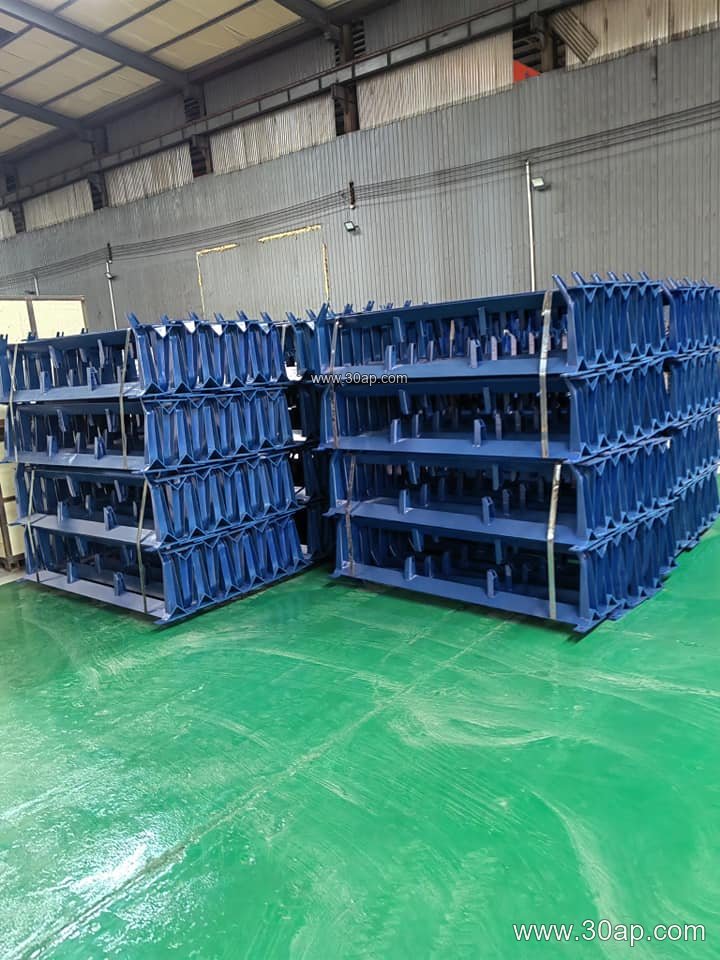
- Welded or bolted arm assemblies with reinforced gussets at the base
- Slotted mounting holes to allow small alignment adjustments on site
- Hot-dip galvanized or painted finish for dusty and humid environments
- Optional self-aligning pivot for heavier belts and long return spans
Because the two rollers sit at an angle, the bracket must be installed square to the belt center line. A bracket that is twisted during installation will steer the belt even if the rollers themselves are in good condition.
Where It Fits in the Conveyor
The V-Type Idler Bracket is used on the return strand of bulk handling conveyors, typically spaced between the head and tail areas and repeated along the line at a pitch set by the belt sag limit. It is common in stone crushing plants, sand and gravel lines, power plant coal handling, and fertilizer or grain silo conveying, where fine material tends to build up on rollers. The V shape helps shed spilled material and reduces the chance of a flat return roller being pushed out of alignment.
On a long overland or underground mining conveyor, the same frame may be combined with a training function, so the belt is guided continuously instead of being corrected only at one or two points. Where the return belt carries sticky or wet fines, a V-return frame with a slightly larger roller diameter usually runs cooler and lasts longer than a small-diameter flat return set.
Common Reference Sizes
The table below gives reference combinations that appear in general conveyor design. These are examples, not fixed matches; final selection depends on belt tension, material load, and structure design.
| Belt Width | V Angle | Roller Diameter | Typical Use |
|---|---|---|---|
| B500 | 20 degrees | Ø89 | Light aggregate and sand lines |
| B650 | 30 degrees | Ø89 | Small quarry and mixing plant conveyors |
| B800 | 30 degrees | Ø108 | General bulk material handling |
| B1000 | 35 degrees | Ø108 | Cement and power plant coal lines |
| B1200 | 35 degrees | Ø133 | Mining and port conveyors |
| B1400 | 35 degrees | Ø133 | Heavy-duty ore and coal handling |
| B1600 | 35 degrees | Ø159 | Large through-put bulk terminals |
| B1800 | 35 degrees | Ø159 | Iron ore and copper ore lines |
| B2000 | 35 degrees | Ø194 | Very wide high-capacity conveyors |
Angle values such as 20, 30, 35, and 45 degrees are common, and the actual angle is set by the frame design. Roller diameters from Ø89 to Ø194 are available in most supply ranges, but the bracket must be ordered with the mounting pattern that matches the chosen roller shaft and bearing housing.
Buyer Checklist
Before ordering, confirm the belt width, the return roller diameter, the V angle, and the mounting hole spacing of the existing stringer. Ask whether the frame is fixed or self-aligning, and whether the finish suits wet or dusty conditions. On a coal mining conveyor, a flame retardant belt is often used together with anti-static rollers, and the bracket finish should resist corrosion in the same environment. For a heavy-duty mining conveyor belt or a high abrasion resistant conveyor belt running at high tension, a reinforced V-frame is usually preferred over a light fabricated type.
Finally, check that the bracket can be reached for inspection. A V-Type Idler Bracket that is buried under spillage cannot train the belt, so clean-out clearance is as important as the steel thickness. Matching the frame to the conveyor bracket standard used on the rest of the line keeps spare parts simple and maintenance predictable.