What a High Wear-Resistant Lagged Pulley Is
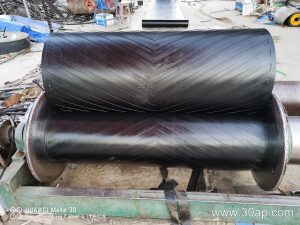
A high wear-resistant lagged pulley is a conveyor pulley whose shell carries a durable rubber or ceramic lagging designed to grip the belt and resist abrasion. Often simply called a wear-resistant lagged drum, it is a specialized component for conveyors that handle sharp, heavy, or hot bulk materials. The lagging protects the pulley shell and improves traction between the pulley and the conveyor belt, reducing slip and extending service life in tough environments such as iron ore mines, coal preparation plants, and cement clinker lines.
Construction and Key Features
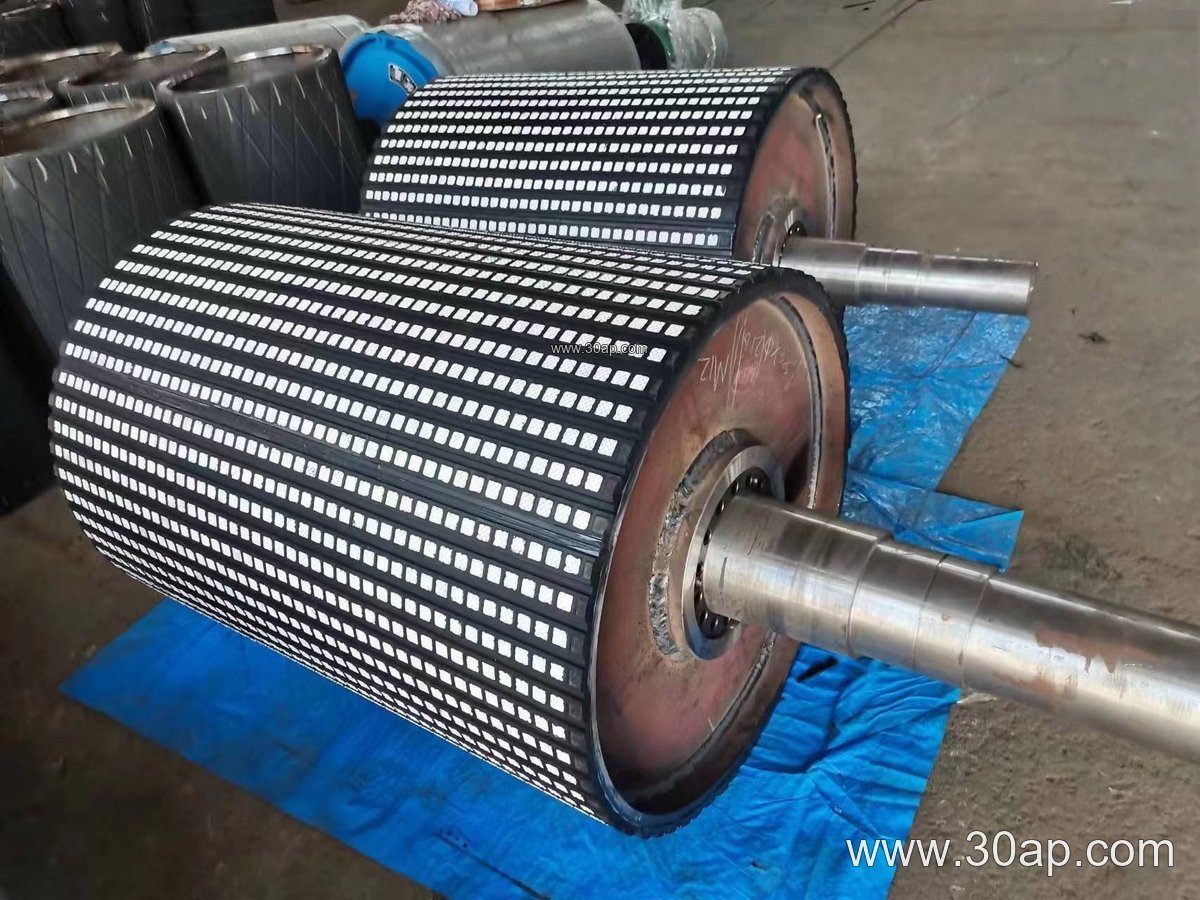
The pulley body is typically a welded steel drum with a machined face. The lagging is applied in several ways: hot vulcanized rubber, cold-bonded rubber, diamond-pattern rubber, herringbone rubber, or ceramic tiles embedded in rubber. Common lagging thicknesses are 8, 10, 12, 15, and 20 mm, with the thicker grades chosen for high-wear points like head pulleys or drive pulleys. The drum surface is usually wider than the belt to allow for slight misalignment; for example, a B1000 belt might run on a pulley face around 1150 mm.
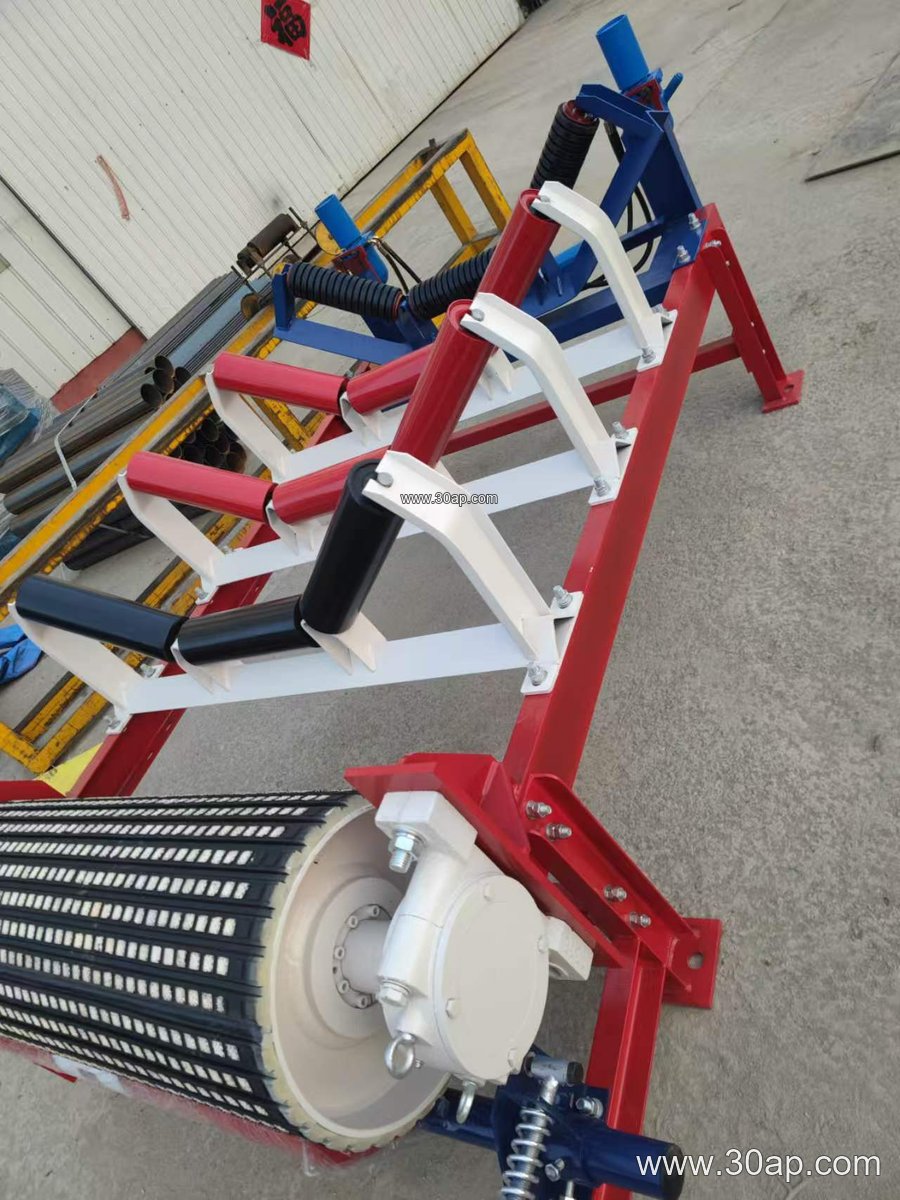
Wear resistance comes from the compound quality and the surface pattern. Diamond or herringbone grooves help shed water and fines, while ceramic lagging offers exceptional abrasion resistance for very aggressive materials. The pulley shaft is sized by torque and load, not simply by belt width, so shaft diameters such as Ø100, Ø120, or Ø140 are selected per application.
Where It Is Used
This type of pulley is common in mining and quarrying circuits, especially where the conveyor handles abrasive rock, ore, or aggregate. In a gold mining operation, a high wear-resistant lagged pulley on the head drive helps maintain grip on a heavy-duty mining conveyor belt. In coal mining, flame retardant conveyor belts are often paired with lagged pulleys to reduce slip without compromising safety. Other applications include power plant coal handling, steel plant sinter lines, and port bulk terminals.
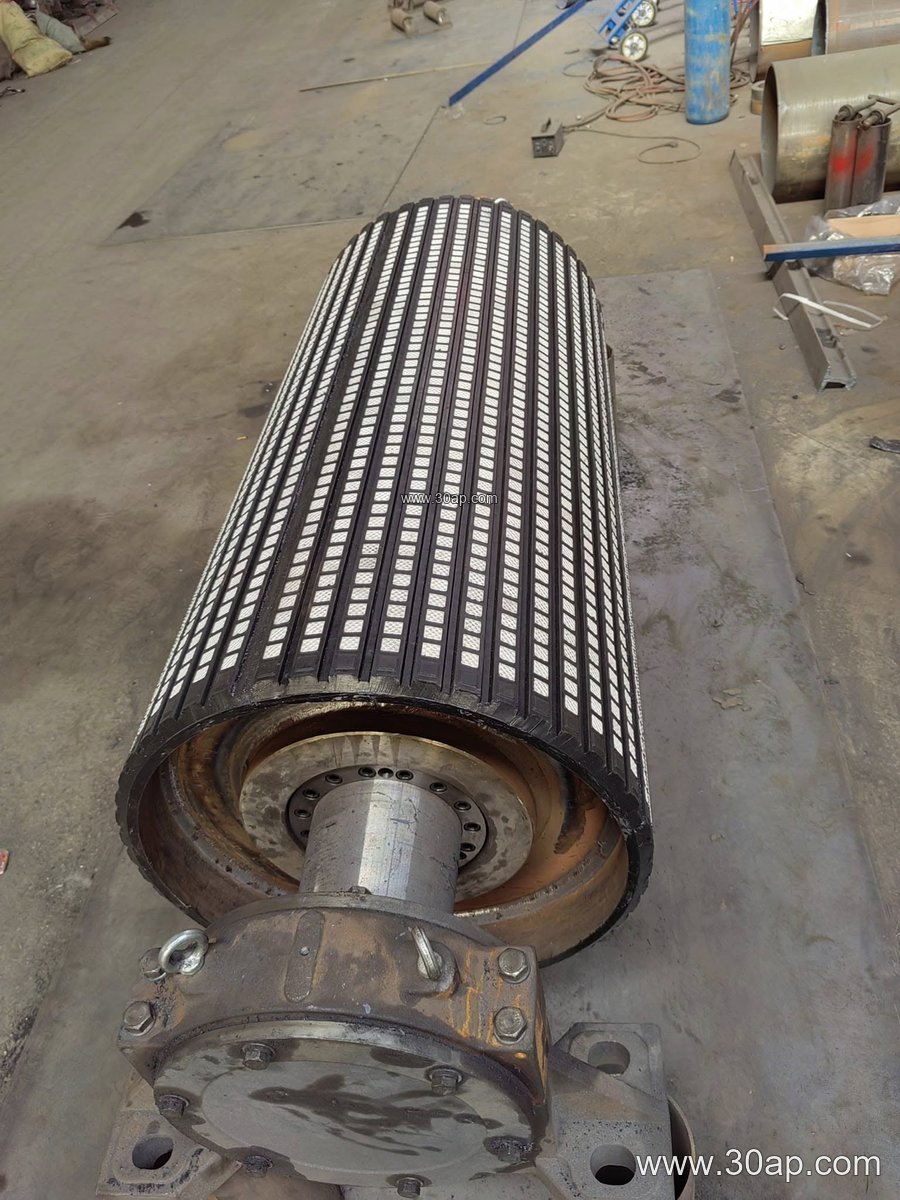
It is important to note that drive, tail, and bend pulleys are not interchangeable. A high wear-resistant lagged pulley may serve as a drive pulley or a head pulley, but a tail pulley typically uses a different lagging or a plain surface. When specifying, match the pulley to its location and duty.
Selection and Specification Notes
Buyers should consider belt width, pulley diameter, lagging type, and shaft load. The table below shows common reference combinations; these are examples, not fixed rules. A given belt width can work with several pulley diameters depending on tension and space.
| Belt Width (B) | Typical Pulley Face Width | Common Diameter Range (examples) |
|---|---|---|
| B500 | ~600 mm | Ø250, Ø315, Ø400 |
| B650 | ~750 mm | Ø315, Ø400, Ø500 |
| B800 | ~950 mm | Ø400, Ø500, Ø630 |
| B1000 | ~1150 mm | Ø500, Ø630, Ø800 |
| B1200 | ~1400 mm | Ø630, Ø800, Ø1000 |
| B1400 | ~1600 mm | Ø800, Ø1000, Ø1250 |
For a highly abrasive duty, a B1200 × Ø1000 pulley with 15 mm ceramic lagging may be appropriate, while a B800 × Ø500 with 10 mm diamond rubber could suit a less severe aggregate line. Always confirm shaft diameter by torque calculation; common shaft sizes include Ø80, Ø100, Ø120, Ø140, and Ø160, but they are not tied to belt width alone.
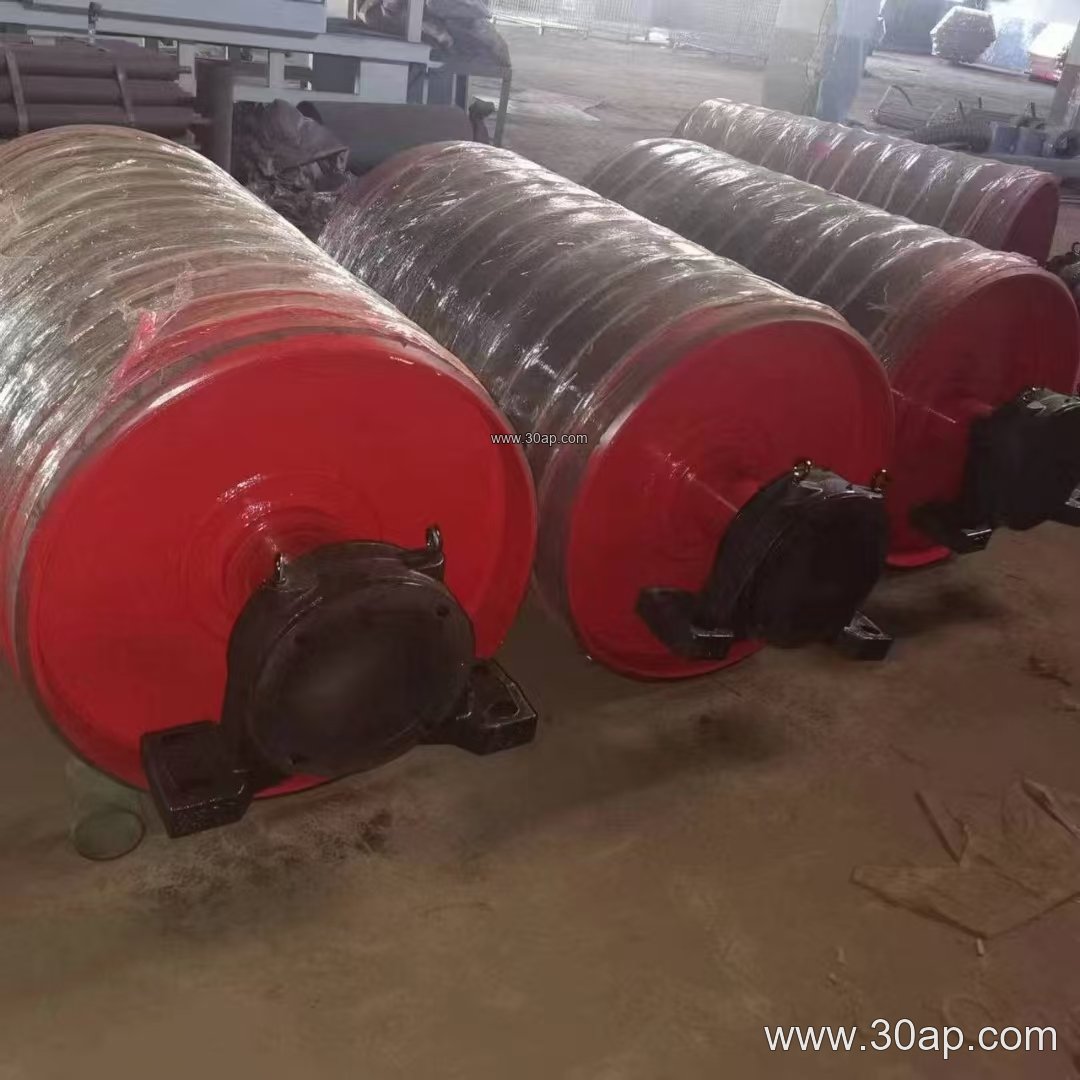
When selecting, also review the conveyor belt specification. A high abrasion resistant conveyor belt or a heavy-duty mining conveyor belt may require a pulley with matching lagging hardness and pattern. In coal mines, a flame retardant conveyor belt should be paired with lagging that meets relevant safety requirements. For general material handling, an EP conveyor belt or a steel cord conveyor belt may be used, and the pulley lagging should be chosen to avoid excessive belt wear.
Maintenance and Buyer Checklist
- Inspect lagging for wear, glazing, or missing ceramic tiles at regular intervals.
- Check pulley alignment and belt tracking to prevent uneven lagging wear.
- Verify that the lagging thickness and pattern match the material abrasiveness.
- Confirm shaft and bearing capacity for the actual belt tension.
- Consider environmental factors: heat, oil, or static buildup may require specific rubber compounds.
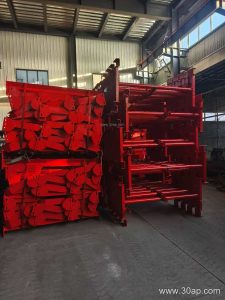
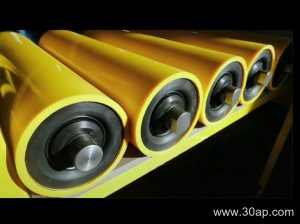
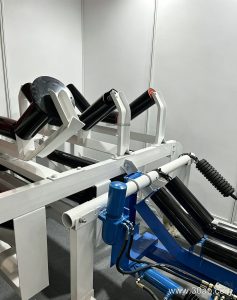
For more information on related conveyor components such as the conveyor belt, idler roller, and conveyor bracket, please visit our site. A well-chosen high wear-resistant lagged pulley reduces downtime and keeps the belt running efficiently in the toughest bulk handling operations.