What a Crusher Conveyor Belt Does in a Crushing Circuit
A crusher conveyor belt is the heavy-duty rubber belt that carries blasted rock, ore, or aggregate away from a primary, secondary, or tertiary crusher and delivers it to screens, stockpiles, or the next stage. Because it receives material straight from the crusher discharge, this belt often handles sharp, hot, and impact-heavy loads. In mines, quarries, cement plants, power stations, and sand and gravel yards, the crusher conveyor belt is usually the first belt to show wear — and the first place operators look when throughput drops.
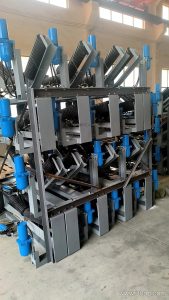
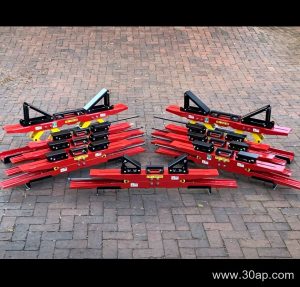
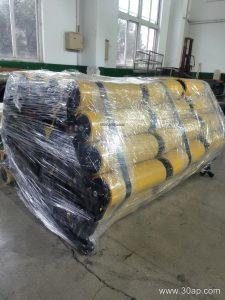
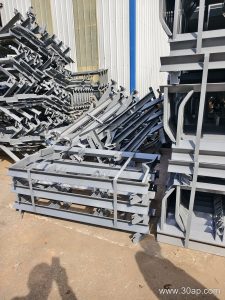
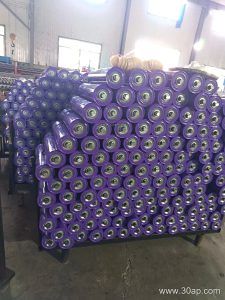
Unlike a general-purpose conveyor belt, a crusher conveyor belt is selected for impact resistance, tear resistance, and the ability to survive fast-moving, angular lumps. It works together with idler roller sets, a head conveyor pulley, a tail pulley, and sturdy conveyor bracket frames that keep the belt aligned under load.
Construction and Common Belt Types
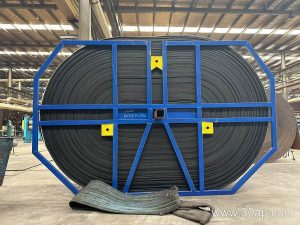
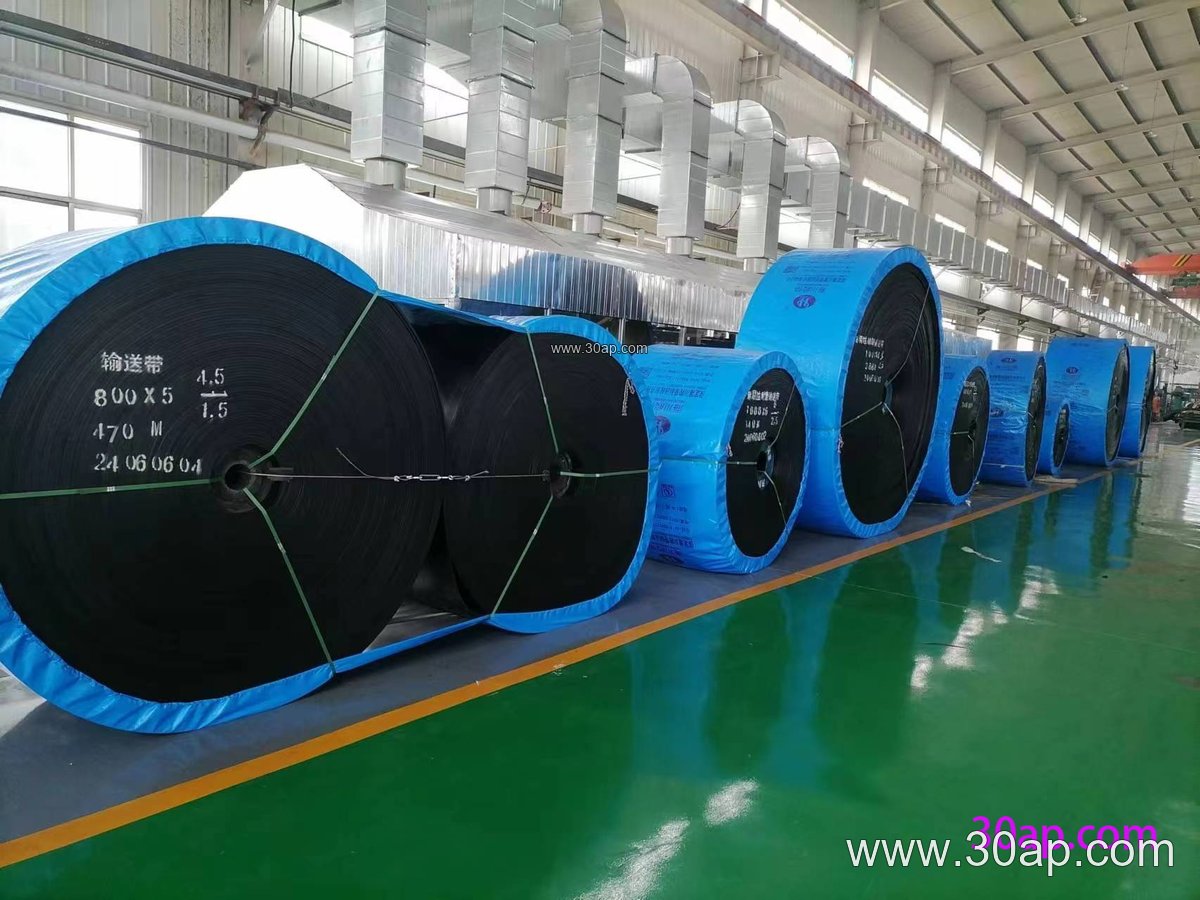
Most crusher belts use a fabric core or steel cord carcass covered with rubber on both faces. The carcass carries tension; the covers protect against abrasion, cutting, and heat. For hard rock and ore, an abrasion resistant conveyor belt with thick top cover is common, while coal and underground operations often specify a flame retardant conveyor belt or PVG belt. Where discharge temperatures are high, a heat resistant conveyor belt may be needed.
Typical constructions include:
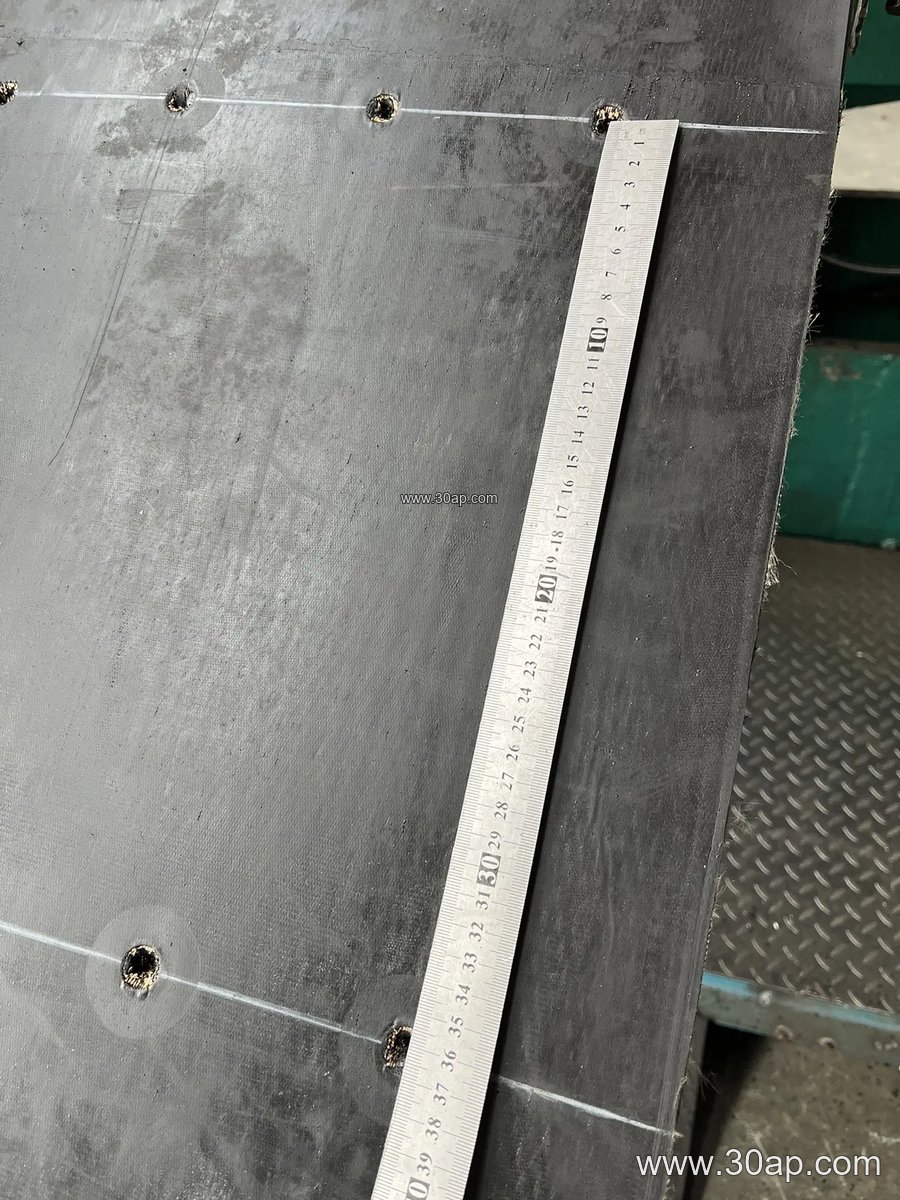
- EP conveyor belt — polyester-cotton fabric core, good strength-to-weight ratio, widely used in quarry and aggregate duty.
- NN conveyor belt — nylon-nylon carcass, excellent for shock loads and impact from crusher discharge.
- Steel cord conveyor belt — high tensile strength for long overland runs and high tonnage in mining and port systems.
- Chevron or corrugated sidewall belt — used on inclined crusher discharge lines where material would otherwise roll back.
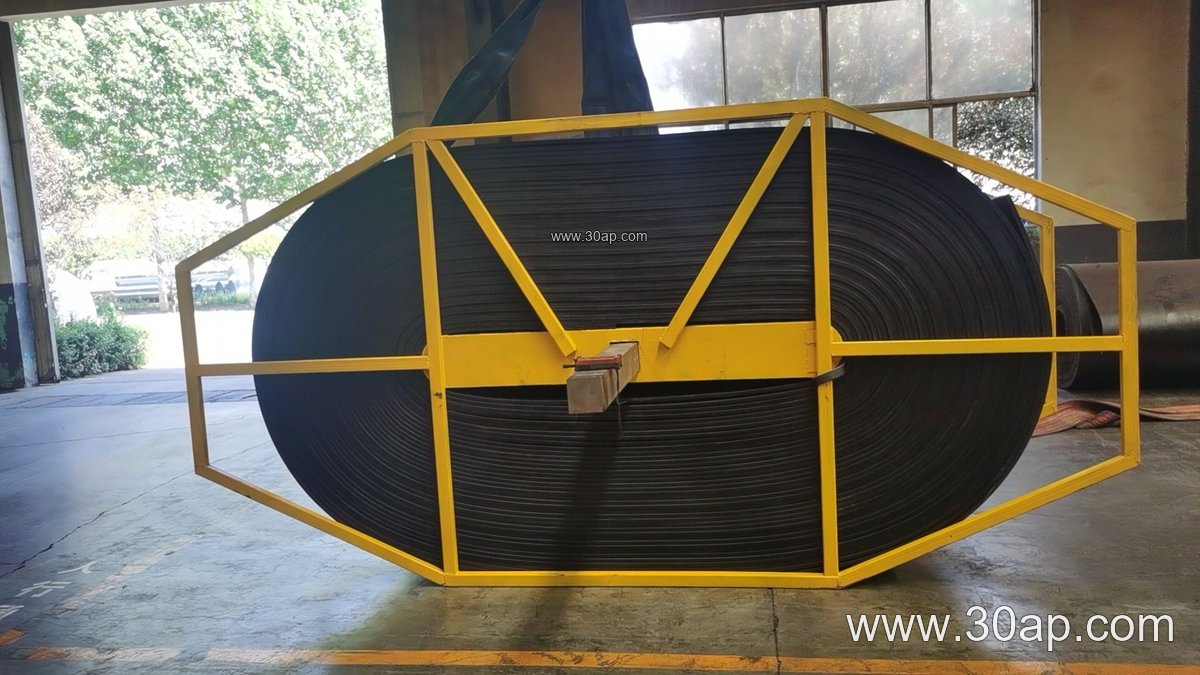
Cover thickness is often stated as top + bottom, for example 6+2 mm or 8+3 mm for heavy impact zones, with 2 to 6 fabric plies depending on tension. Belt width ranges from narrow 500 mm units on small plants to 2000 mm and wider on large primary crusher lines. These are common reference ranges, not fixed rules — final selection follows the conveyor design.
Typical Specifications and Reference Data
The table below shows common parameter families used when specifying a crusher conveyor belt. Values are examples for orientation only and should be confirmed against the actual conveyor design and supplier data.
| Parameter | Common Options | Notes |
|---|---|---|
| Belt type | EP, NN, steel cord, PVG, chevron, sidewall | Match to material and incline |
| Tensile strength | EP200, EP400, EP630, EP1000, EP1250, EP1600; ST1000, ST1600, ST2000 | Determined by belt tension calculation |
| Belt width | B500, B650, B800, B1000, B1200, B1400, B1600, B1800, B2000 | Set by lump size and required capacity |
| Cover thickness | 3+1.5, 4+2, 5+2, 6+2, 8+3 mm | Thicker top cover for crusher discharge |
| Number of plies | 2 to 6 (fabric core) | Higher ply count for higher tension |
| Special properties | Abrasion, heat, oil, flame, anti-static, cold resistant | Selected per operating environment |
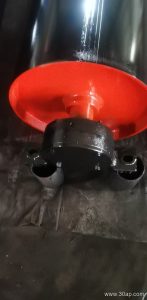
Do not assume one belt width dictates one pulley diameter or shaft size. Pulley and shaft dimensions are calculated from belt tension, wrap angle, and drive power — not from width alone. Drive, tail, and bend pulleys each perform different roles and are not interchangeable.
Where It Is Used
Crusher conveyor belts appear in many heavy industries:
- Mining and coal — primary crushing stations, underground coal mining conveyor lines, and ore transfer points.
- Quarry and aggregate — stone crushing plants, sand making lines, and stockpile feed belts.
- Cement and power — limestone and clinker handling, coal yard feed systems.
- Ports and bulk terminals — ship loading and unloading circuits after crushing.
In each case, the belt must match the crusher output: lump size, moisture, temperature, and tonnage per hour. A belt that is too light for the job will cut, delaminate, or stretch; one that is over-specified adds unnecessary weight and cost.
What Buyers Should Check Before Ordering
Before purchasing a crusher conveyor belt, gather the conveyor data sheet and confirm these points:
- Material and lump size — sharp, large lumps call for impact-resistant cover and possibly a cushion layer.
- Belt tension and power — this decides the carcass type and strength grade, such as EP630 or ST1600.
- Pulley and idler details — check pulley diameters, idler roller spacing, and bracket condition so the new belt runs true.
- Environmental factors — heat, oil, flame risk, static, cold, or chemicals may require a specific cover compound.
- Joint method — vulcanized splice or mechanical fastener; endless belts are preferred for long, high-tension runs.
Also plan storage and handling: belts should be stored indoors, away from ozone and sunlight, and installed without sharp bends. During operation, regular inspection of the discharge zone, skirt rubber, and pulley lagging helps extend service life.
For more guidance on matching belts, pulleys, and rollers to your crushing line, explore our conveyor pulley and idler roller resources or contact our team with your conveyor specifications.