Why does a wet outdoor conveyor pulley lose grip?
Because water turns lagging into a low-friction surface. Check these three causes in order.
1. Glazed or worn lagging
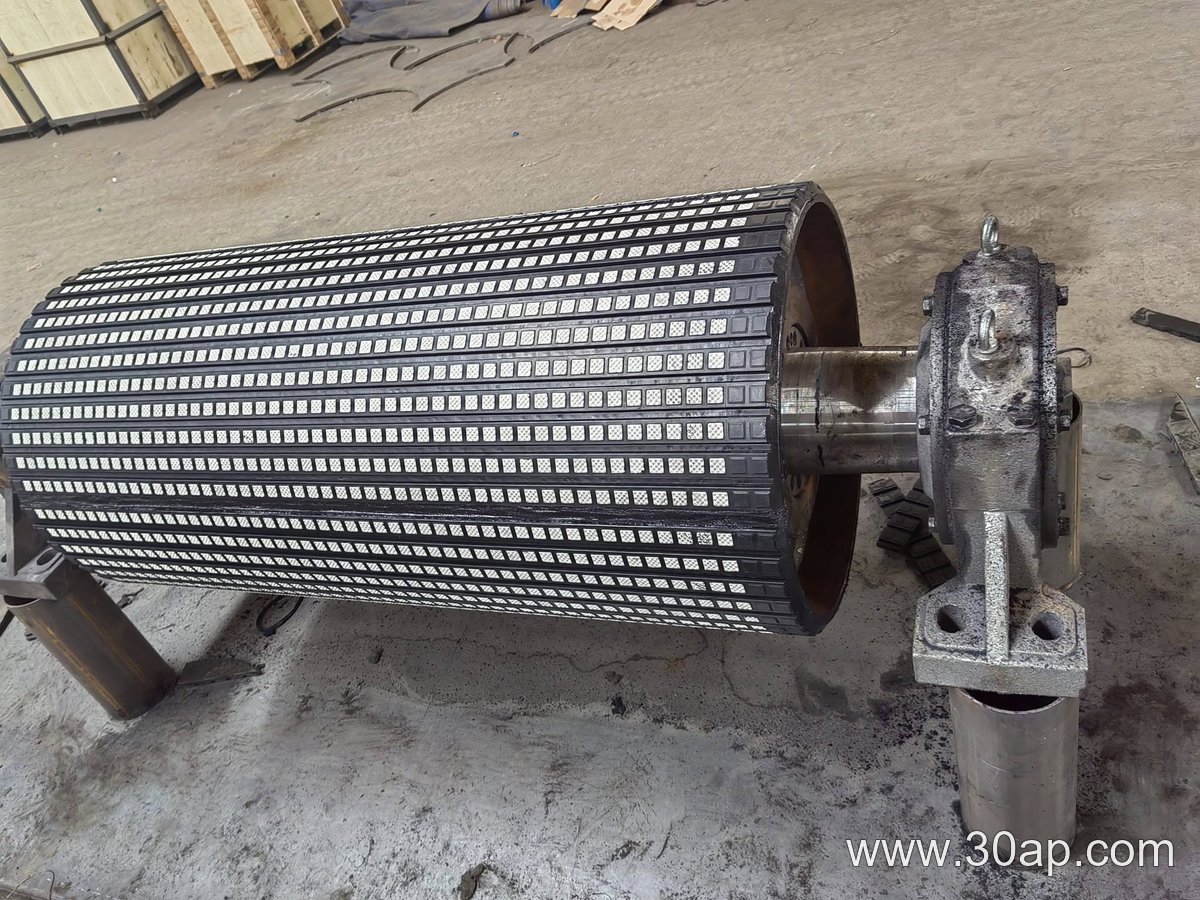
Rubber hardens and polishes, so water sits on top instead of draining. Inspect for shiny spots.
2. Poor drainage
Plain lagging traps a water film. Grooved lagging channels it away, but only if grooves are clean.
3. Belt tension or misalignment
Low tension or a skewed pulley reduces wrap. Verify tension and alignment before replacing parts.
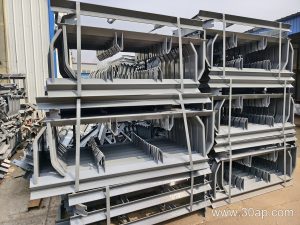
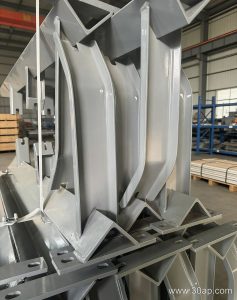
Which conveyor bracket standards matter when specifying steel grade for a dusty quarry line?
Standards for a conveyor bracket mainly cover structural steel grade, dimensional tolerances, and welding quality, not a single product certificate. In a dusty quarry, abrasive fines and vibration make grade selection a durability decision as much as a strength one.
What the standards actually cover
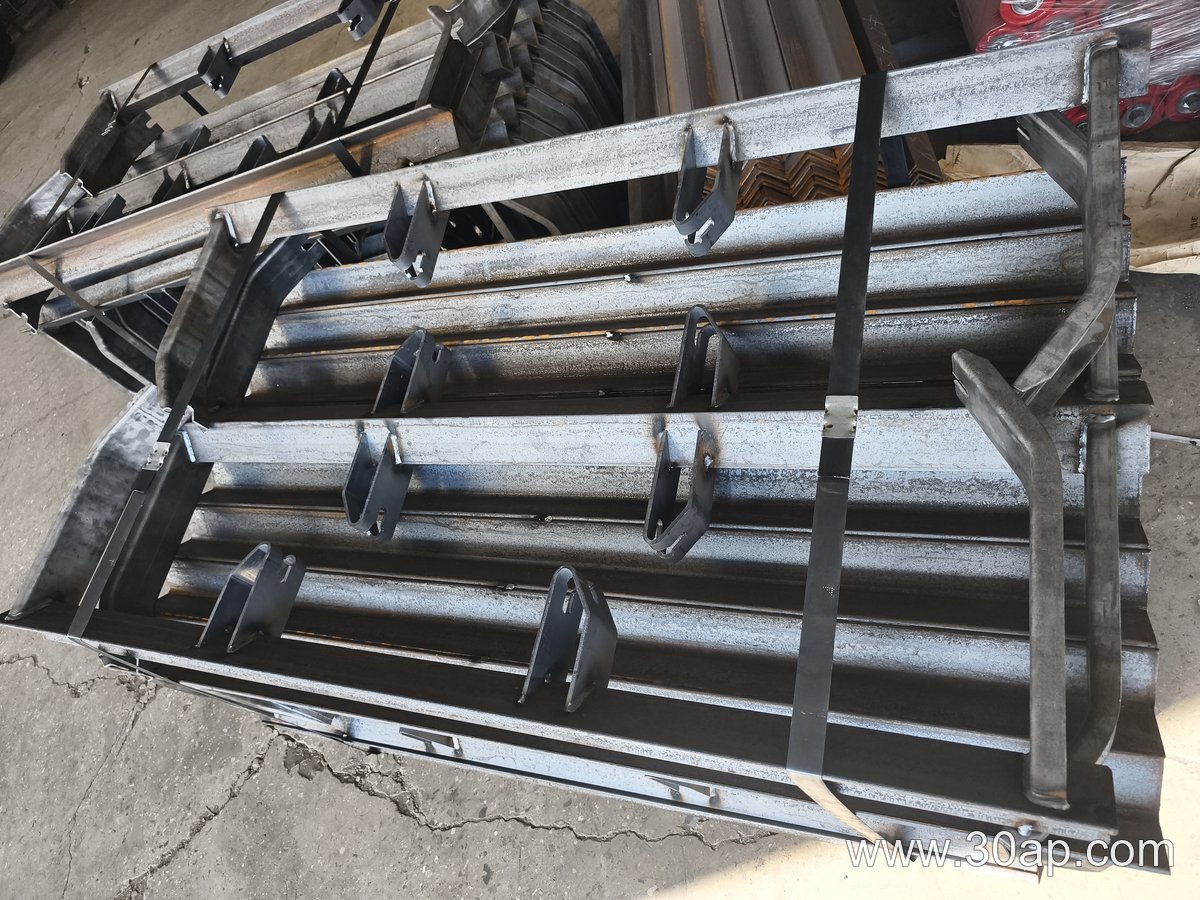
Material standards define chemical composition and mechanical properties for grades such as Q355, while dimensional and welding standards set fit and joint quality. A conveyor bracket drawing should cite the grade, hole tolerances, and weld class it needs. Without that, two suppliers can deliver different steel under the same description.
Practical checks before ordering
- Confirm the steel grade and its impact toughness at the expected service temperature.
- Check hole position tolerance, since it drives idler alignment.
- Ask how weld quality is verified, and whether inspection records accompany the batch.
These checks keep a conveyor bracket consistent across replacements, which matters more than any single certificate in a dusty quarry.
Reading a conveyor belt datasheet field by field
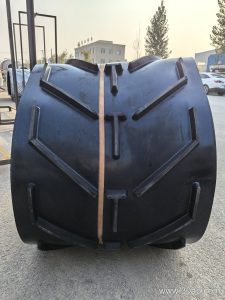
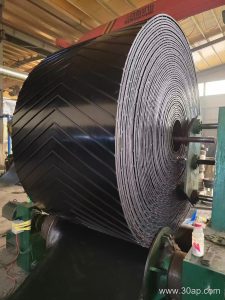
A common misconception is that the highest tensile number is always the best conveyor belt. In a cement plant, the datasheet values must match the duty, not exceed it blindly.
What the tensile strength field means
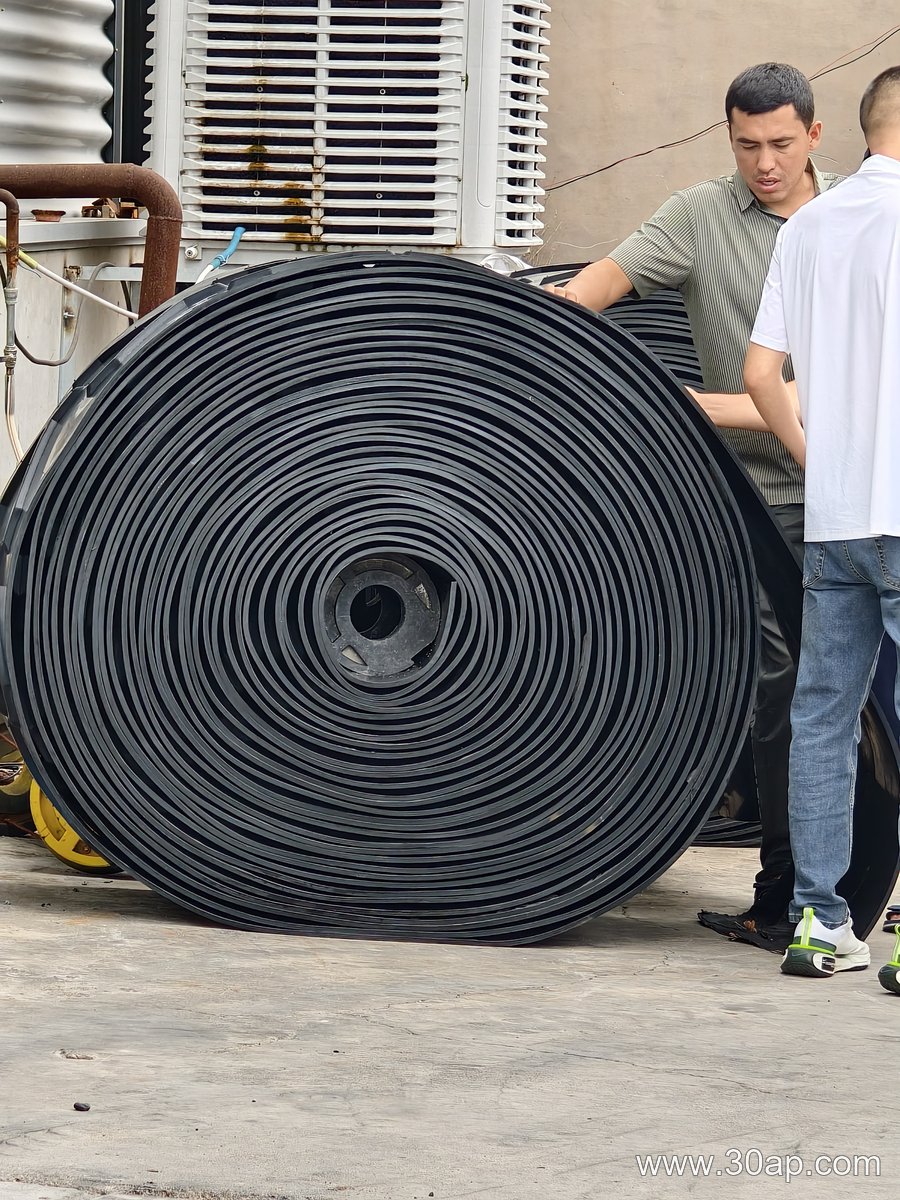
The belt tensile strength is given in N/mm of width. It describes the rated breaking strength of the carcass, not the working load. Always compare it with the calculated maximum belt tension, then apply the supplier’s stated safety factor.
Cover grade and thickness
Cover grade fields use abrasion loss in mm³ and tensile strength in MPa. Higher abrasion resistance suits clinker and limestone dust. Thickness is listed in mm for the top and bottom cover separately.
- Check units before comparing two conveyor belt offers.
- Confirm whether tensile strength refers to carcass or splice.
- Match cover grade to the actual material being carried.
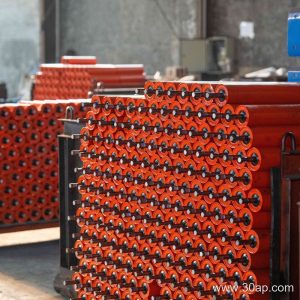
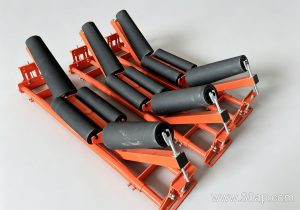
Why does an idler roller cause belt tracking problems on a general manufacturing line?
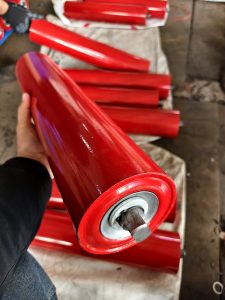
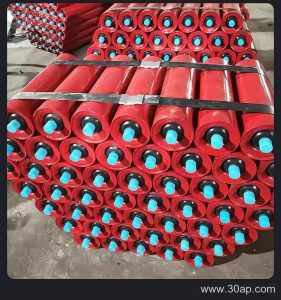
On a general manufacturing line, a belt that drifts or drags often points to the idler roller, not the drive. A seized or misaligned idler roller changes belt tension locally, so the belt wanders and product shifts.
How to integrate the right idler roller into the fix
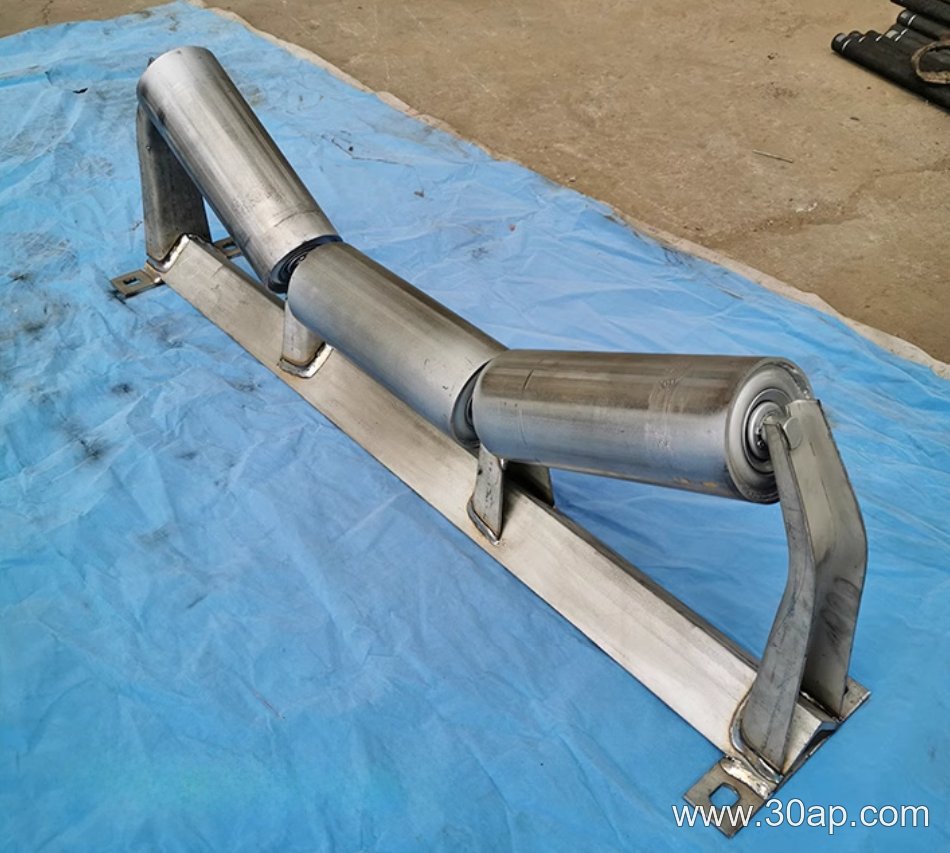
- Check that the idler roller face length and bearing seats match the frame before replacing.
- Use a self-aligning idler roller at the tracking side to correct minor drift.
- Confirm the idler roller rotates freely by hand; drag indicates a worn bearing or damaged seal.
What to verify after installation
Run the line empty and watch the idler roller for wobble or noise. A correctly fitted idler roller keeps the belt centered and reduces edge wear.