EP or Steel Cord Conveyor Belt? A Procurement Trade-Off
Choosing between EP conveyor belt and steel cord conveyor belt is not simply a question of price per meter. In a cement plant, the purchasing decision balances application fit against total cost of ownership.
Comparing the Two Materials
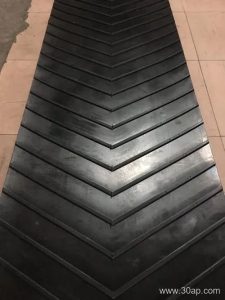
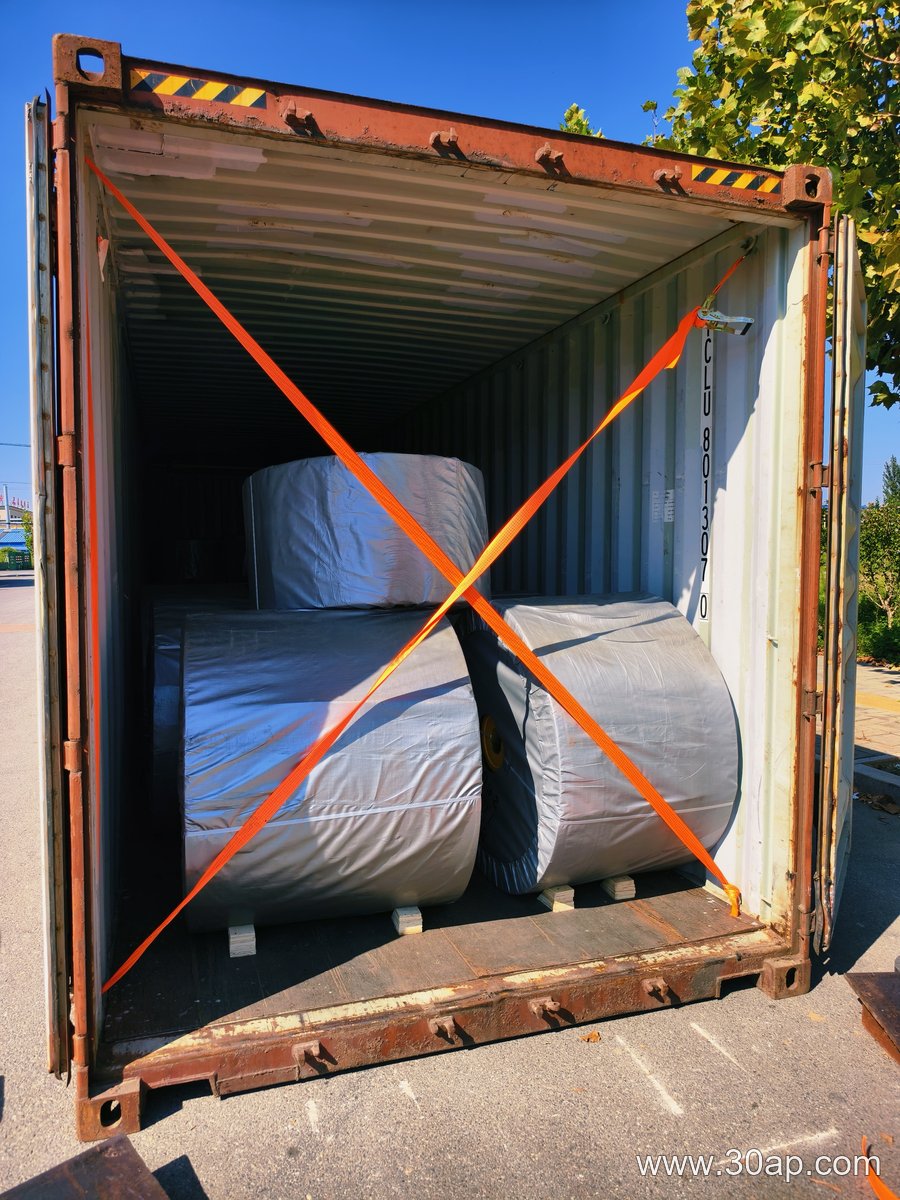
- EP conveyor belt: Fabric-reinforced, flexible, easier to splice, lower initial cost. Suits moderate tension, shorter runs, and frequent re-splicing.
- Steel cord conveyor belt: Higher tensile strength, minimal elongation, longer splices. Suits long, high-tension conveying where belt stretch would disrupt take-up.
Application Fit Versus Purchasing Cost
EP conveyor belt lowers upfront purchasing cost, but on a very long cement-kiln feed line, its higher elongation may demand more take-up travel and more frequent resplicing. Steel cord conveyor belt costs more per meter yet may reduce downtime and splice labor. A hypothetical 2 km limestone transport is a typical case where the higher-priced option can be justified.
Practical Procurement Questions
- What is the maximum belt tension and center distance?
- How often can the plant afford a splice outage?
- Is the loading point impact severe enough to favor a thicker cover?
Match carcass type to tension and distance first, then compare delivered cost including splicing and expected service interval.
Start With the Duty, Not the Catalog Number
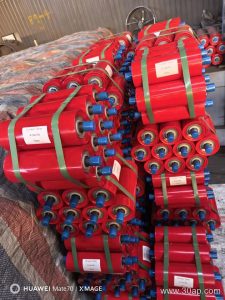
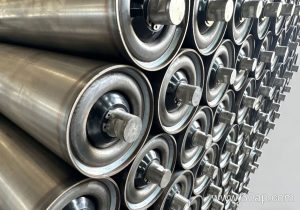
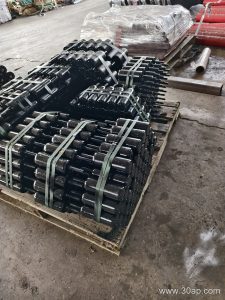
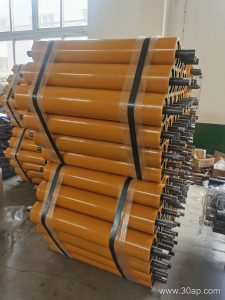
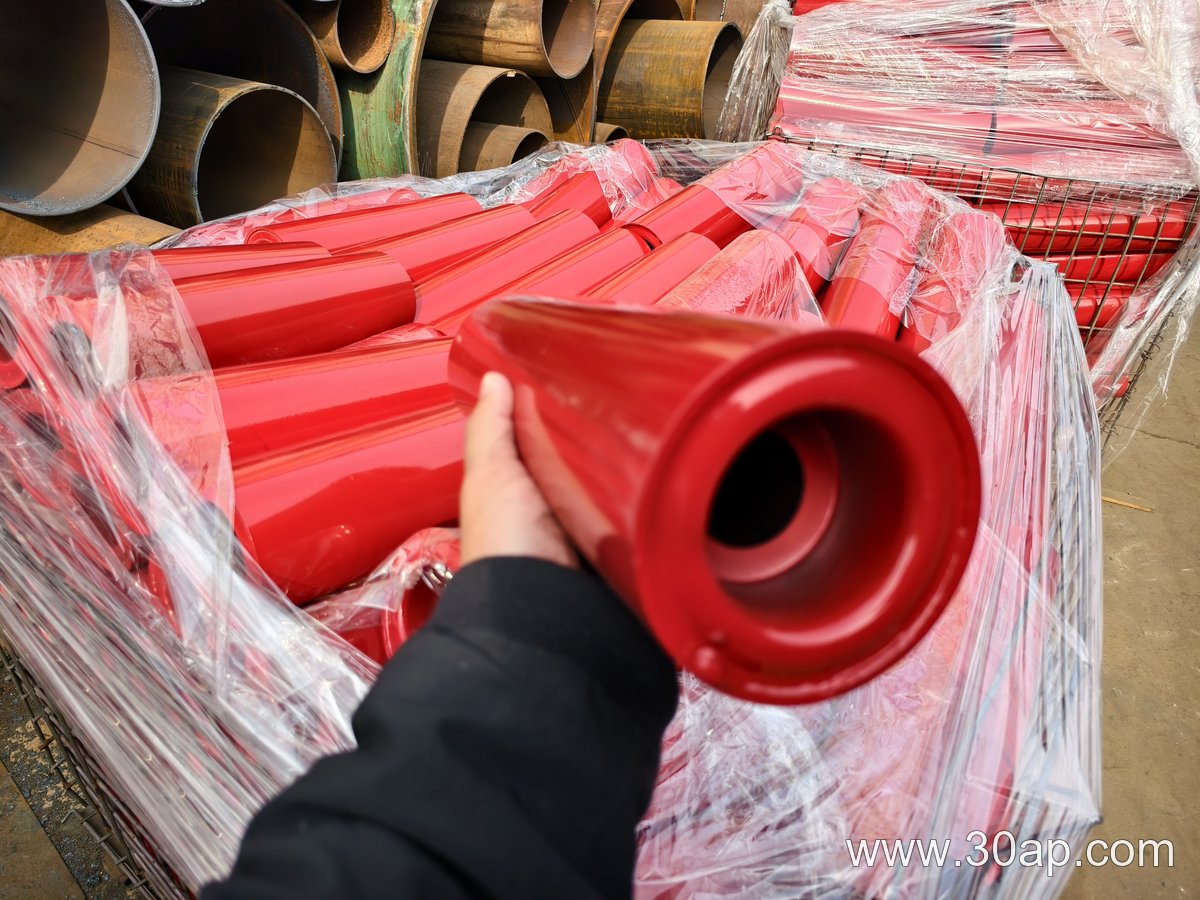
At a mineral-processing plant, an idler roller may face abrasive ore dust, washdown water, and temperature swings. A practical selection path begins with four inputs: conveyed material, belt speed, ambient and material temperature, and operating conditions such as dust, moisture, and loading.
Build a Compact Checklist
- Material: abrasive, corrosive, or sticky?
- Speed: continuous high speed or intermittent slow movement?
- Temperature: ambient, hot material, or seasonal extremes?
- Conditions: wet, dusty, outdoor, or washdown?
Translate Inputs Into Idler Roller Choices
For abrasive ore, specify a thicker shell and effective labyrinth sealing. For high speed, prioritize balance and bearing clearance. For elevated temperature, consider heat-resistant grease and suitable clearance. For wet or dusty service, choose corrosion-resistant components and sealed-for-life bearings. Mark hypothetical project values as examples, and verify final selections with the conveyor designer.
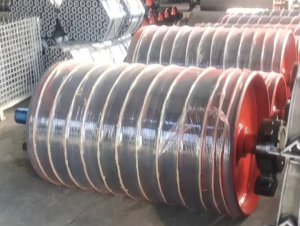
Conveyor Pulley Material Comparison for Cement Plants: Carbon Steel vs. Stainless Steel
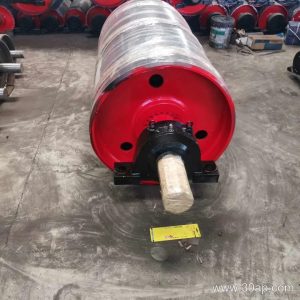
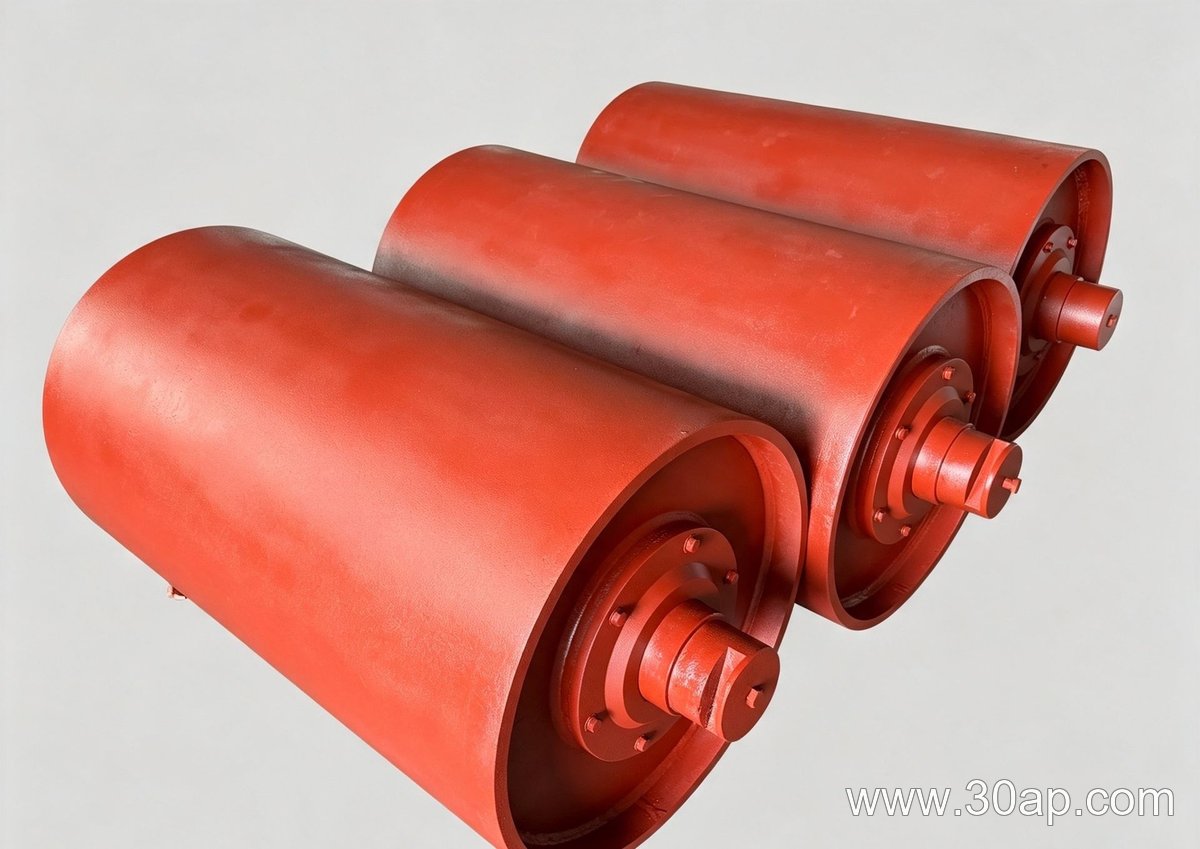
A common misconception is that a conveyor pulley for a cement plant must be stainless steel to resist cement dust. In reality, cement dust is alkaline and abrasive, but not highly corrosive. The mechanism of wear is abrasion, not chemical attack. Therefore, carbon steel with an appropriate lagging often provides sufficient durability at a lower purchasing cost. Stainless steel becomes necessary only in specific wet or acidic conditions, which are uncommon in dry cement handling.
Comparing the Two Materials
Carbon steel is the standard choice for conveyor pulleys in cement plants. It offers high strength, weldability, and low cost. The trade-off is reduced corrosion resistance, but in dry cement service, this is rarely an issue. Stainless steel, such as grade 304, resists corrosion but costs significantly more and can be more difficult to fabricate. For a cement plant, the application fit of carbon steel is usually adequate, making it the more economical procurement choice. Only in areas with frequent washdown or acidic exposure does stainless steel justify its higher price.
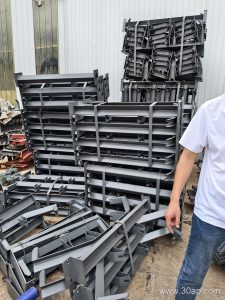
Fixed or Adjustable Conveyor Bracket: Which Fits Wet Outdoor Service?
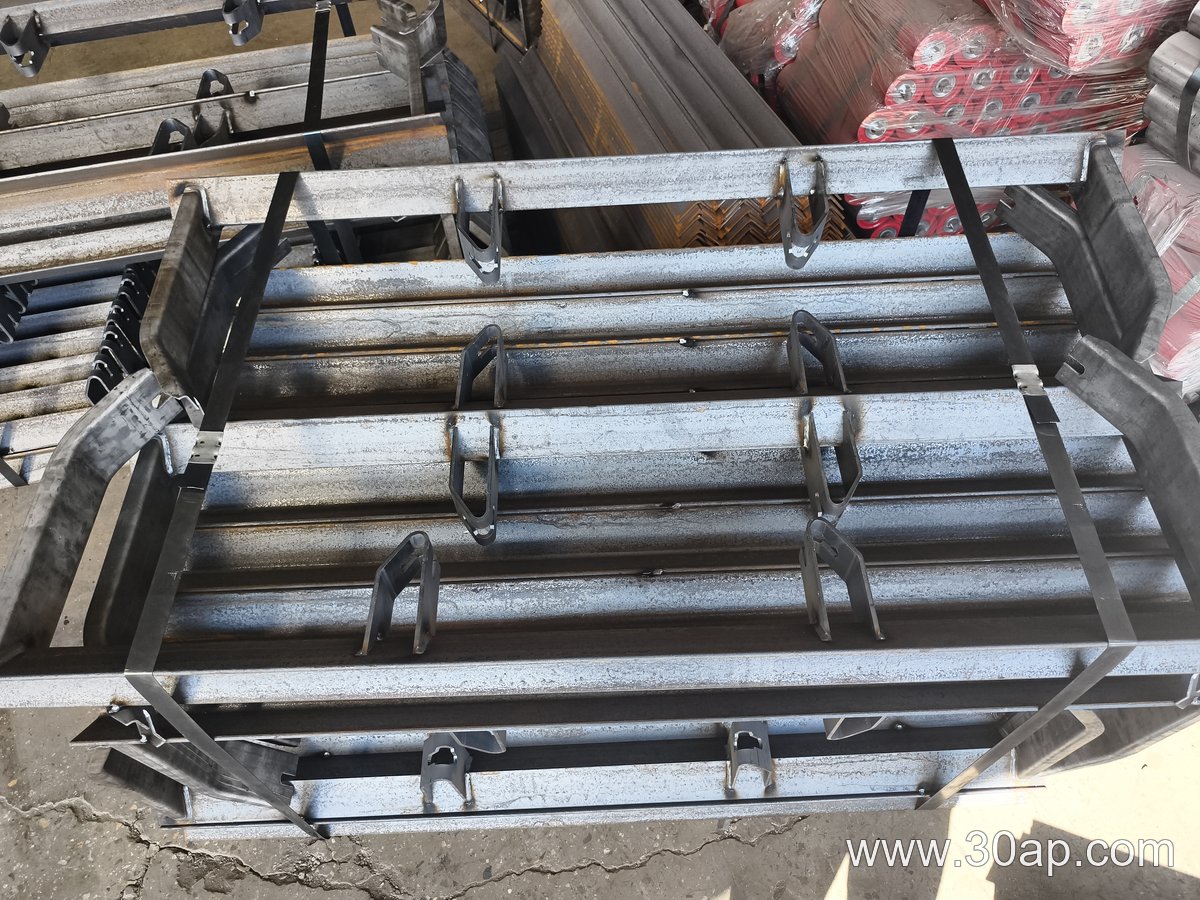
For a wet outdoor conveyor, the choice between a fixed conveyor bracket and an adjustable conveyor bracket affects alignment, maintenance, and corrosion resistance. Fixed brackets are rigid and simple; adjustable brackets allow field correction but add joints where water and grit can collect. Compare them by load path, drainage, and expected thermal movement.
Fixed Conveyor Bracket
- Benefits: high stiffness, fewer crevices, lower cost, easy to seal.
- Limitations: no field adjustment after welding or bolting.
- Suitable conditions: stable structures, known alignment, low thermal cycling.
Adjustable Conveyor Bracket
- Benefits: corrects misalignment, accommodates movement, simplifies replacement.
- Limitations: more fasteners, potential water traps, higher inspection needs.
- Suitable conditions: long outdoor runs, temperature swings, difficult shimming.
In wet outdoor settings, specify drainage paths and stainless or galvanized hardware for either type. Hypothetical example only: a 30 m outdoor conveyor with 40 °C seasonal swing may favor adjustable brackets at intervals, but verify loads and use a qualified engineer.