What a Belt Conveyor Idler Frame Does
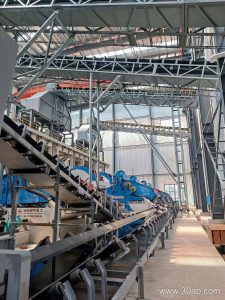
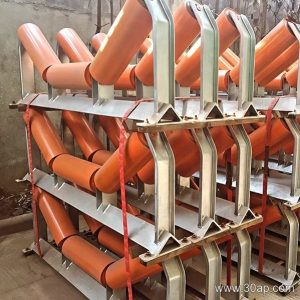
In a belt conveyor system, the idler frame is the structural backbone that holds the idler rollers in the correct position and angle. Often referred to as a conveyor idler bracket or idler support frame, this component directly influences belt tracking, load distribution, and the overall efficiency of material transport. Whether you are running a Mining Conveyor Belt in an underground coal mine or a Quarry Conveyor Belt at a stone crushing site, the idler frame ensures the belt maintains its trough shape and moves smoothly without excessive sag or misalignment.
Construction and Materials
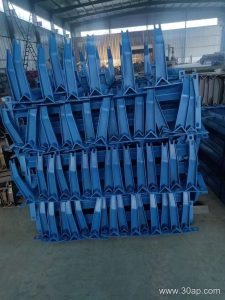
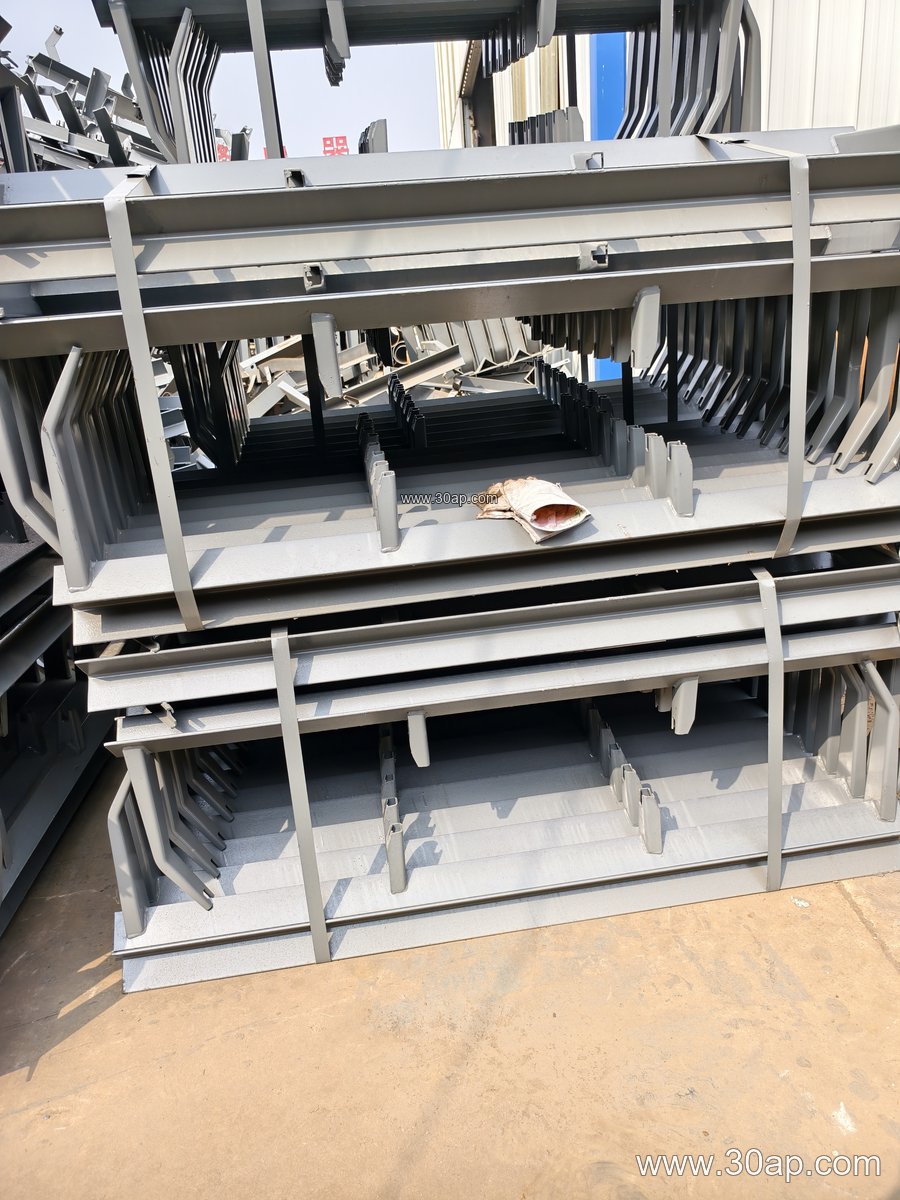
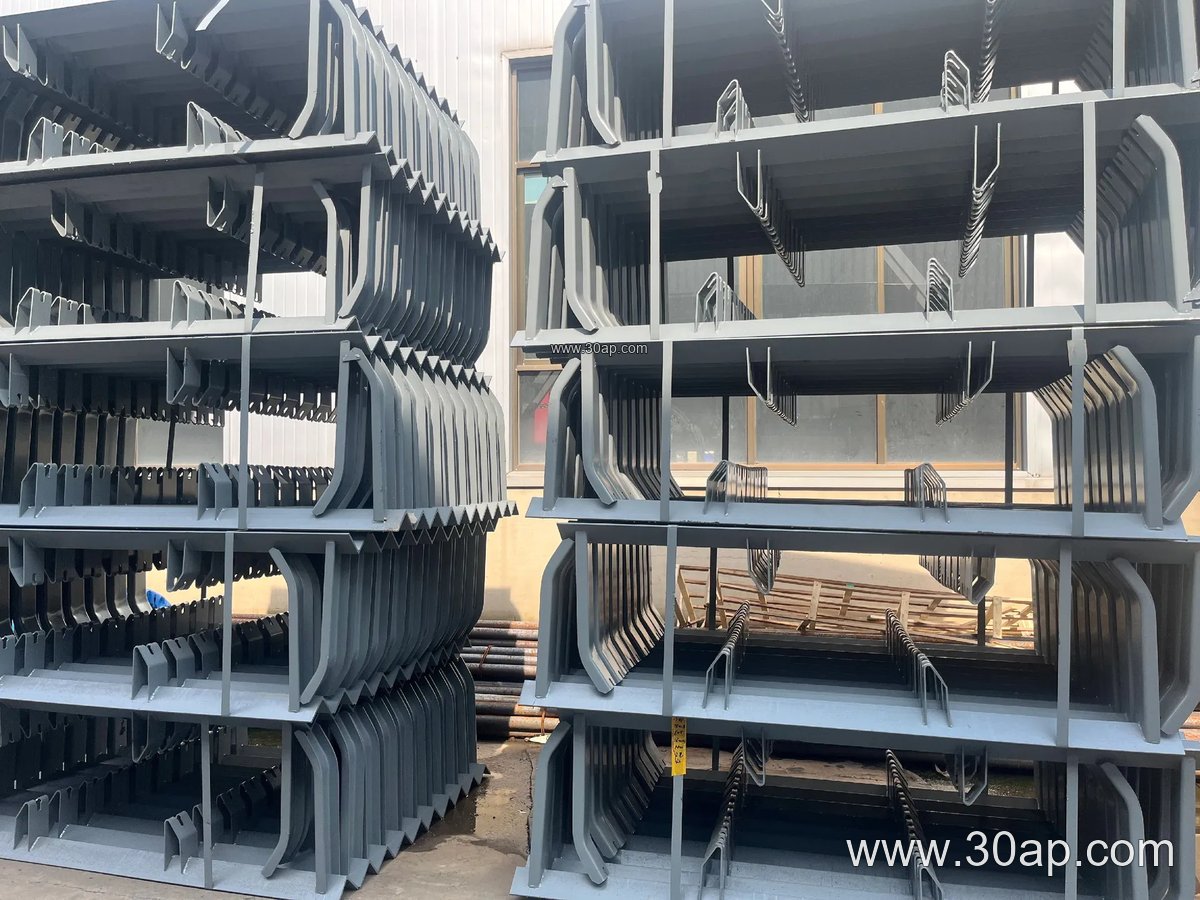
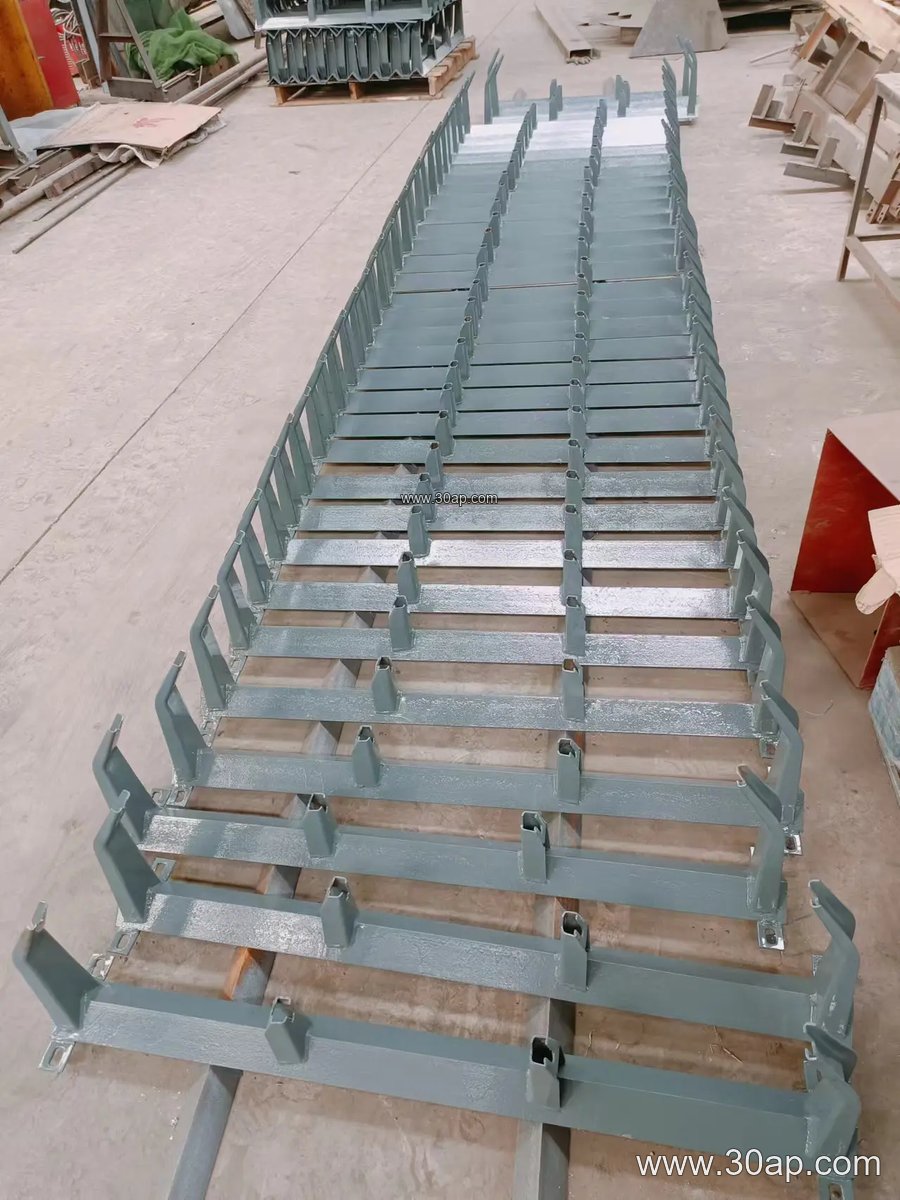
Most belt conveyor idler frames are fabricated from angle steel, channel steel, or folded steel plate. The choice of material depends on the duty level and environmental conditions. For heavy-duty applications in iron ore or copper ore operations, thicker channel steel is common to resist impact and vibration. The frame typically consists of cross beams, mounting brackets for the idler shafts, and fixing points to the conveyor stringer. Surface treatment such as painting or galvanizing helps extend service life in corrosive or dusty environments like a cement plant or power plant coal handling system.
Common Types and Their Place in the System
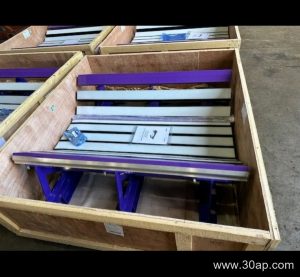
Idler frames come in several configurations to match the belt line’s function. Troughing idler frames support the carrying side of the belt, while return frames hold the belt on its way back. Transition frames help guide the belt from flat to troughed shape near pulleys. Impact frames, often fitted with buffer rollers, absorb shock at loading points. Self-aligning frames assist in keeping the belt centered. Adjustable frames allow the trough angle to be changed on site, which is useful when belt loading conditions vary.
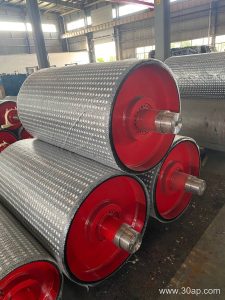
It is important to note that idler frames are not interchangeable with conveyor pulleys. A drive pulley, tail pulley, or bend pulley serves a completely different purpose in power transmission and belt direction change. The idler frame works together with the conveyor pulley and conveyor bracket to form a complete conveyor structure, but each has its own design and installation requirements.
Key Parameters for Selection
When specifying a belt conveyor idler frame, several parameters must be considered. The table below lists common reference values; actual dimensions should be confirmed with the conveyor design.
| Parameter | Common Range / Options | Notes |
|---|---|---|
| Belt width (B) | B500, B650, B800, B1000, B1200, B1400, B1600, B1800, B2000, B2200 | Frame length and hole spacing vary with belt width |
| Trough angle | 20°, 30°, 35°, 45° | Adjustable frames can be set within this range |
| Idler diameter | Ø89, Ø108, Ø133, Ø159, Ø194 | Selected based on load and belt speed |
| Material | Angle steel, channel steel, folded plate | Thickness depends on duty |
| Frame type | Troughing, return, impact, self-aligning, transition, adjustable | Match to belt line function |
For example, a B800 belt with a 35° trough angle and Ø108 idlers might use a standard troughing frame, while a B1200 belt with 45° trough and Ø133 idlers could require a heavier frame design. There is no fixed rule that one belt width must pair with a specific pulley diameter or idler size; the frame must be engineered as part of the whole conveyor.
Where Idler Frames Are Used
Belt conveyor idler frames are found in a wide range of bulk material handling industries. In a coal washing plant, they support the belt through dusty and often wet conditions. In a limestone mine or aggregate production line, they endure heavy impact from large lumps. At a port terminal handling Bulk Material Conveyor Belt systems, frames must resist corrosion from salt air. The same component is equally critical in a fertilizer plant or grain silo, where gentle handling and belt stability are priorities.
What Buyers Should Know
Before purchasing idler frames, confirm the belt width, trough angle, idler diameter, and mounting dimensions. Check the frame material and surface treatment for the site environment. For adjustable frames, verify the adjustment range and locking mechanism. Also consider the compatibility with your existing Rubber Conveyor Belt and idler rollers. A well-matched frame reduces belt wear, prevents misalignment, and minimizes downtime. Always request drawings or dimension sheets to ensure the frame fits the conveyor stringer and pulley arrangement.
In summary, the belt conveyor idler frame is a simple yet vital part of any conveyor system. By understanding its construction, types, and selection parameters, buyers can make informed decisions that keep material flowing efficiently in mines, quarries, power plants, and many other industrial settings.