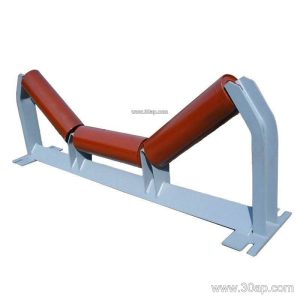
Conveyor Bracket Essentials
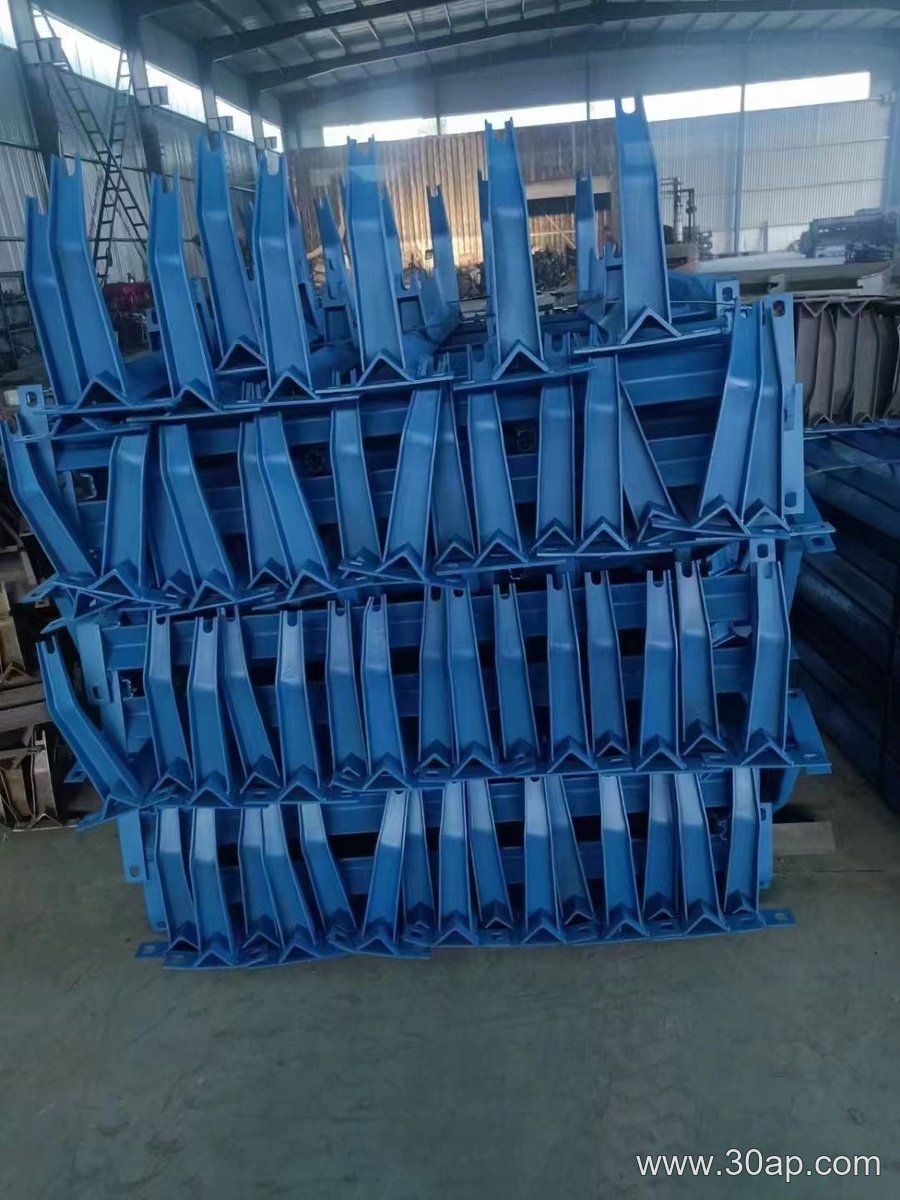
Choose the right conveyor bracket for stability. Consider load, material, and mounting.
Selection Tips
- Match load capacity
- Check hole patterns
- Choose corrosion-resistant steel
Purchasing Advice
Buy from reputable suppliers. Verify dimensions and warranty.
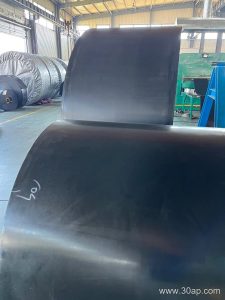
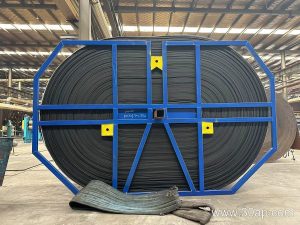
Conveyor Belt Selection and Purchasing Guide
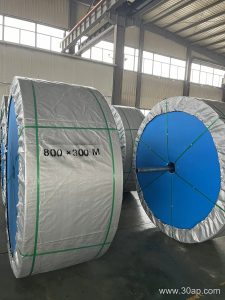
A conveyor belt is the core of any bulk material handling system. Choose the right belt to cut downtime and cost.

Key Selection Factors
Material and Load
- Abrasion, temperature, oil, and chemical resistance
- Belt width, tension rating, and carcass strength
Application Conditions
- Incline, length, speed, and impact points
- Cleat, sidewall, or chevron needs
Purchasing Advice
Compare cover grade, splice type, and lead time. Request test reports, verify standards, and confirm warranty and after-sales support before ordering.
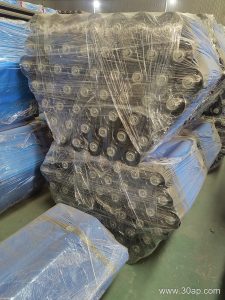
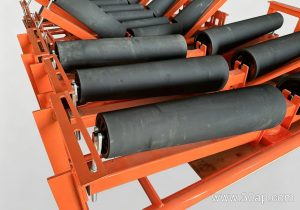
Idler Roller Basics
An idler roller supports and guides conveyor belts without driving them. Choose the right one to cut downtime and belt wear.

Key Selection Factors
- Load capacity and belt width
- Shaft, bearing, and seal type
- Environment: dust, moisture, heat
Purchasing Advice
Match roller diameter to belt speed, verify tolerances, and request test data. Buy from suppliers offering wear-resistant materials and replacement parts.
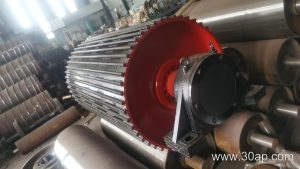
Conveyor Pulley Essentials
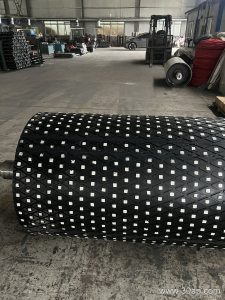
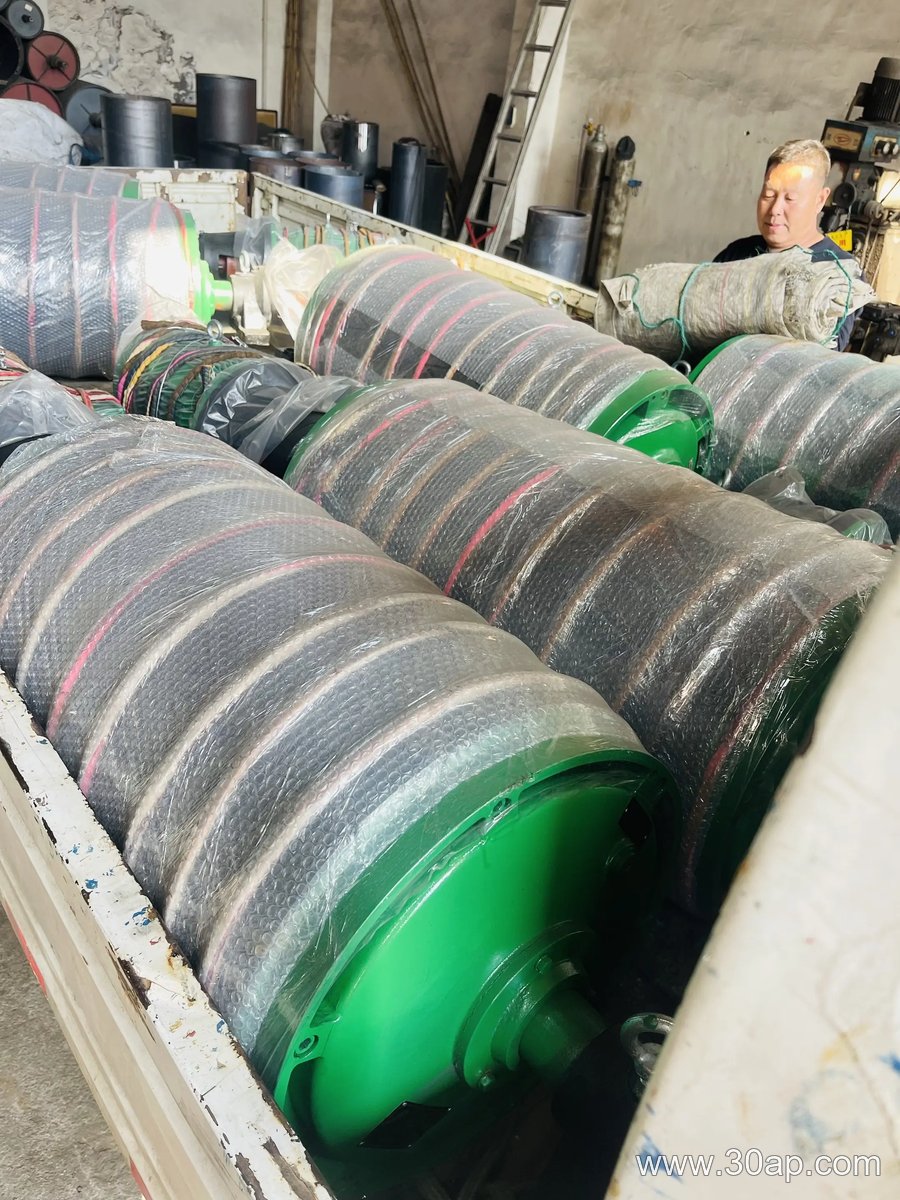
The conveyor pulley drives and tensions the belt. Choose the right one for reliability.
Selection Tips
- Match diameter to belt speed and load.
- Check lagging for grip and wear.
- Verify shaft and bearing capacity.
Purchasing Advice
Buy from certified suppliers. Request load ratings and material certificates. Prioritize balanced pulleys for high-speed systems.