What a Vertical Roller Is and Where It Fits
A vertical roller is a guide roller mounted with its axis upright, typically along the edges of a conveyor belt or at a transfer point, to keep the belt tracking straight and to protect it from rubbing against structure. In bulk handling plants such as a limestone quarry, a coal washery, or a cement clinker line, this small component often prevents the kind of edge damage that leads to a full belt replacement. It is not a load-carrying idler roller and not a conveyor pulley; it belongs to the family of belt-guiding accessories that work alongside the main idler roller sets and the conveyor bracket assemblies.
How It Is Built
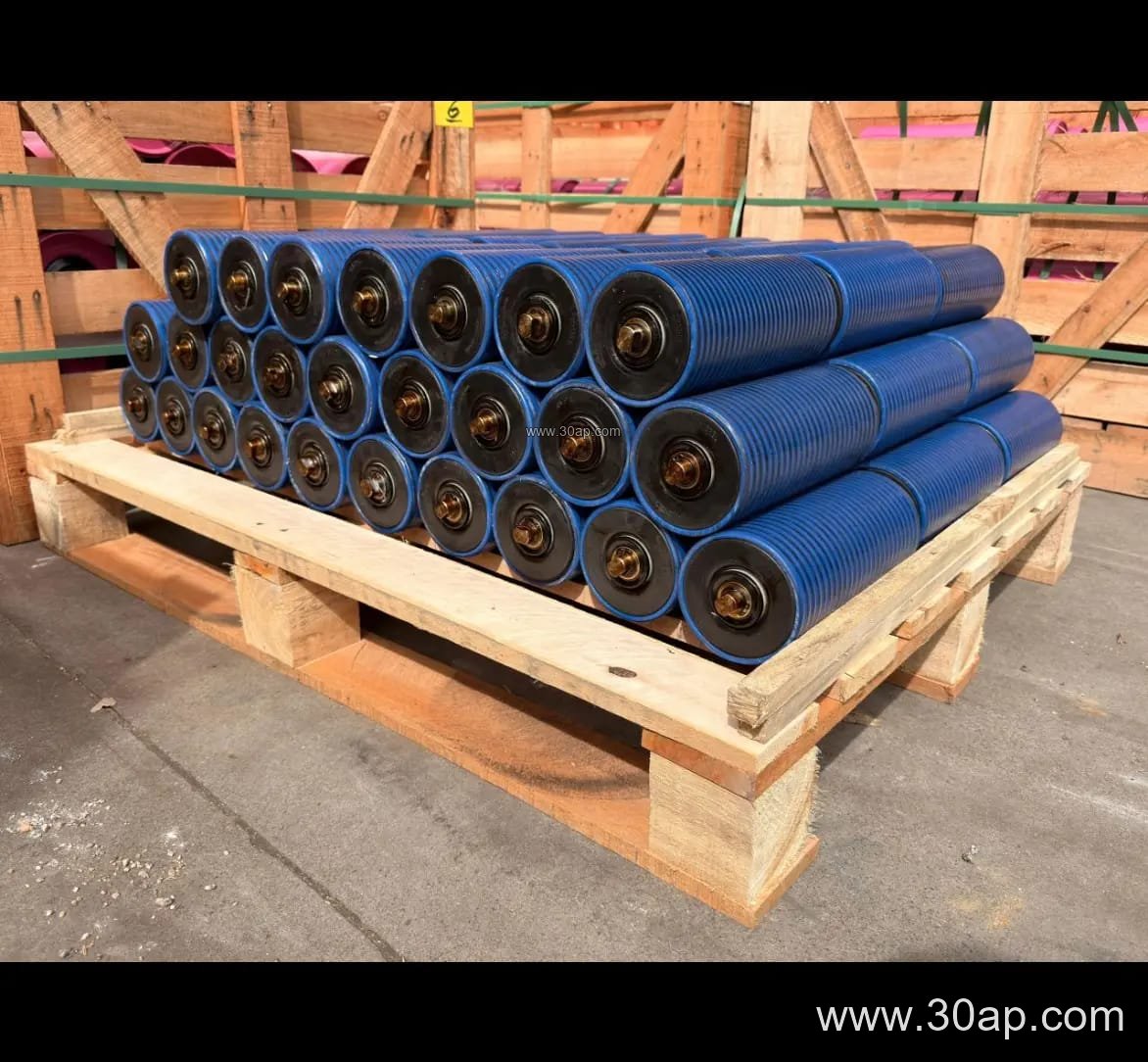
The construction is simple but the details matter. A typical unit combines a steel tube body, a shaft, sealed bearings, and a mounting base or bracket. The tube may be machined from steel pipe, coated, or fitted with a rubber sleeve for gentler contact with the belt edge. Bearings are usually selected from common deep-groove sizes such as 6204, 6205, or 6305, though the exact choice depends on load and shaft design rather than on any fixed rule. Sealing is critical in dusty environments, because fine dust from crushing or screening will destroy an unprotected bearing quickly.
Typical reference data for vertical rollers
The following values are common examples only. Actual dimensions are determined by belt width, mounting arrangement, and the designer’s requirements.
- Roller diameter: Ø63, Ø76, Ø89, Ø102, Ø108 mm
- Roller length: usually short, often 100 to 300 mm depending on the guide position
- Belt width served: B400 to B2400
- Shaft: sized by the mounting bracket, not by belt width alone
- Bearing: 6204, 6205, 6305, 6306 and similar
- Surface: plain steel, rubber-covered, or nylon-coated
Where It Is Used
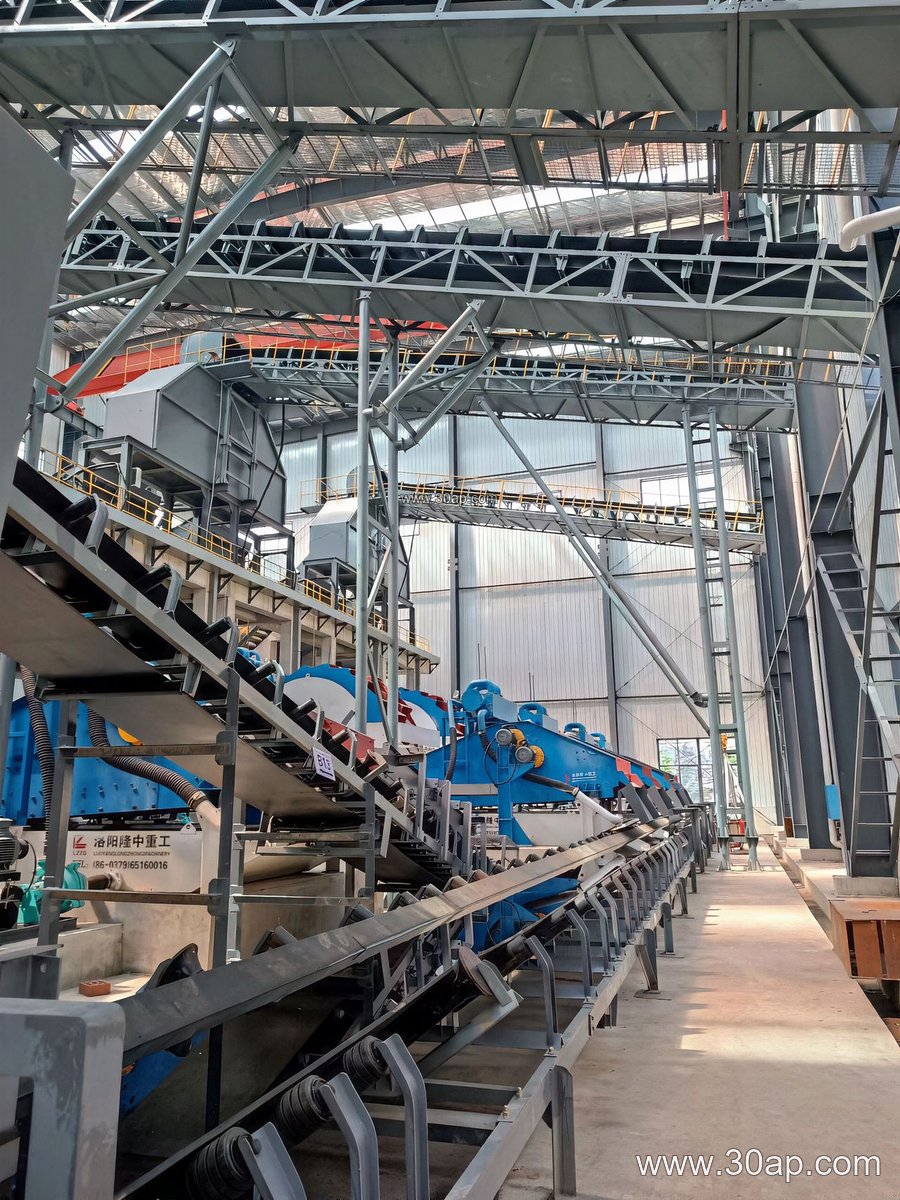
You will see vertical rollers at the loading zone of a conveyor belt in a power plant coal yard, where the belt can wander as material drops onto it. They also appear on the return side near a conveyor pulley, at curve sections in a gravel aggregate line, and at the entry of a tunnel muck removal system. In a steel plant sinter line or a fertilizer plant, they help keep the belt centered where the structure is narrow and there is little room for a full training idler set.
They are often used together with a conveyor bracket that allows adjustment in and out, so maintenance staff can set the gap to the belt edge precisely. A friction-driven vertical roller may spin with the belt, while a fixed guide shoe simply slides; the roller version is preferred where belt speed and wear are concerns.
Vertical Roller vs Other Belt-Guiding Components
It helps to know the difference. A standard troughing idler roller carries the loaded belt, while a return roller supports the empty strand. A self-aligning idler roller uses angled rolls to steer the belt, and a vertical roller instead acts at the edge as a stop and guide. The two can work together on the same conveyor. Similarly, a conveyor pulley drives or redirects the belt and is not a substitute for an edge guide. Choosing the wrong component for the job leads to premature belt edge wear or unnecessary drag.
Buyer Checklist
- Confirm the mounting position and the available space, since vertical rollers are often retrofitted into tight frames.
- Match the roller diameter and length to the belt edge geometry, not to a single catalog number.
- Ask about bearing sealing and lubrication, especially for dusty quarry or coal handling service.
- Check whether a rubber or nylon surface is needed to reduce belt edge abrasion.
- Verify that the bracket allows adjustment, so the roller can be aligned after installation.
- Keep a few spare units on site; they are inexpensive compared with belt damage.
Maintenance Notes
Inspect the vertical roller during routine conveyor walkthroughs. A roller that stops turning will flat-spot and then wear through, and a misaligned one will shave the belt edge. Clean accumulated material from the mounting area, check for play in the bearing, and confirm the roller still spins freely. In a sand and gravel plant or a concrete batching station, dust buildup is the usual cause of seizure, so a short cleaning interval pays off. Replace the unit when the surface is worn or the bearing is rough, and recheck belt tracking after any change.