What a 1000mm Conveyor Belt Is
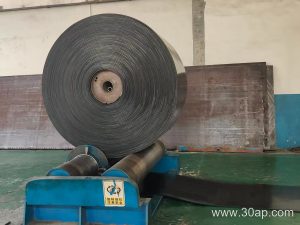
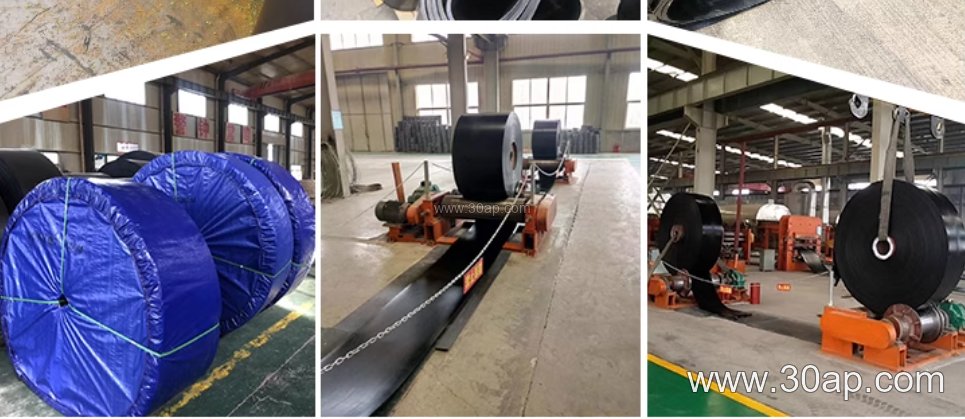
A 1000mm conveyor belt is a belt with a nominal width of 1000 millimeters, which is the same as a B1000 belt in common catalog notation. It sits in the middle of the wide-belt range, above B800 and below B1200, and is widely chosen for main haulage lines in mining, coal preparation, cement plants, power stations and sand and gravel yards. At this width, the belt can carry substantial tonnage while still matching standard pulley face widths and idler roller sets, so it fits many existing conveyor structures without a major redesign.
The term describes the belt itself, not the pulleys or rollers around it. A drive pulley, tail pulley and bend pulley each have their own duties and are not interchangeable; the belt is the load-carrying element that runs over them.
Construction and Common Specifications
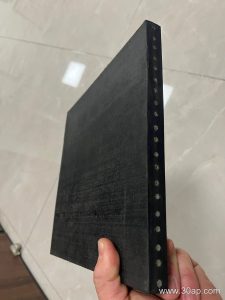
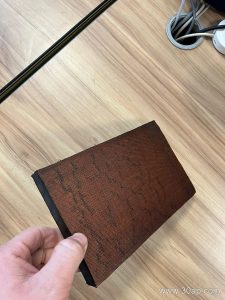
Most 1000mm belts combine a fabric or steel-cord carcass with rubber covers. Fabric types include EP (polyester-cotton) and NN (nylon-nylon); steel cord belting is used when very long centers or high tension demand it. Cover compounds can be selected for abrasion resistance, heat, oil, flame retardancy, antistatic behavior, cold weather or acid and alkali exposure. Surface forms such as smooth, patterned, chevron and corrugated sidewall are available for inclined or material-retaining duties.
The table below shows typical reference values; actual supply depends on the manufacturer and the design of the conveyor.
- Belt width: B1000 (1000 mm)
- Fabric strength grades: EP200, EP315, EP400, EP500, EP630, EP800, EP1000, EP1250, EP1600, EP2000
- Carcass plies: commonly 2 to 6 layers
- Cover thickness: 3+1.5, 4+2, 5+2, 6+2, 8+3 mm
- Cover type: abrasion resistant, heat resistant, oil resistant, flame retardant, antistatic, cold resistant, acid and alkali resistant
- Surface form: smooth, patterned, chevron, corrugated sidewall
These figures are reference data, not a fixed match. A 1000mm belt can run on different pulley diameters, and the correct pulley size follows the belt tension, carcass type and system layout rather than the width alone.
Where It Is Used
A 1000mm conveyor belt appears in many bulk handling circuits. In a coal mine it may feed a crusher or transfer house; in a cement plant it can move clinker or limestone; in a power station it handles coal or ash; in a sand and gravel yard it carries aggregate to screens and stockpiles. Because the width is common, operators often find compatible conveyor brackets, idler rollers and pulleys already in stock or easily sourced.
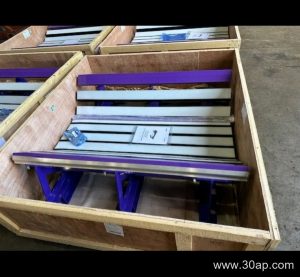
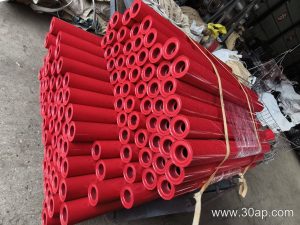
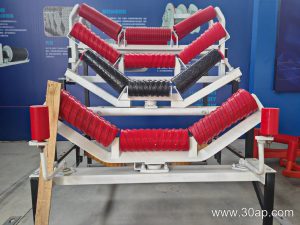
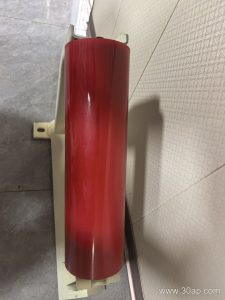
The belt works with a set of supporting components. Troughing idler rollers shape the belt into a trough to hold material, return idlers support the empty side, and a conveyor pulley at the head or tail transfers motion or maintains tension. A conveyor bracket anchors these parts to the frame. Each item must be selected for the duty, not simply copied from a neighboring line.
Selection Points for Buyers
Material and Environment
Check what the belt will carry and where it will run. Sharp rock, hot clinker, oily scrap and fine dust each point to a different cover compound. In cold regions, a cold-resistant grade may be needed; in a coal or grain area, flame retardant and antistatic properties are often required. The same 1000mm width may use EP belting in one plant and steel cord in another.
Tension and Pulley Matching
Belt strength and pulley diameter belong together. A higher EP grade or a steel cord carcass usually calls for a larger pulley, while a light fabric belt may use a smaller one. Do not assume that every 1000mm belt has one fixed shaft diameter; shaft size is set by the pulley and bearing design. The drive pulley, tail pulley and bend pulley should be specified separately.
Cover Thickness and Plies
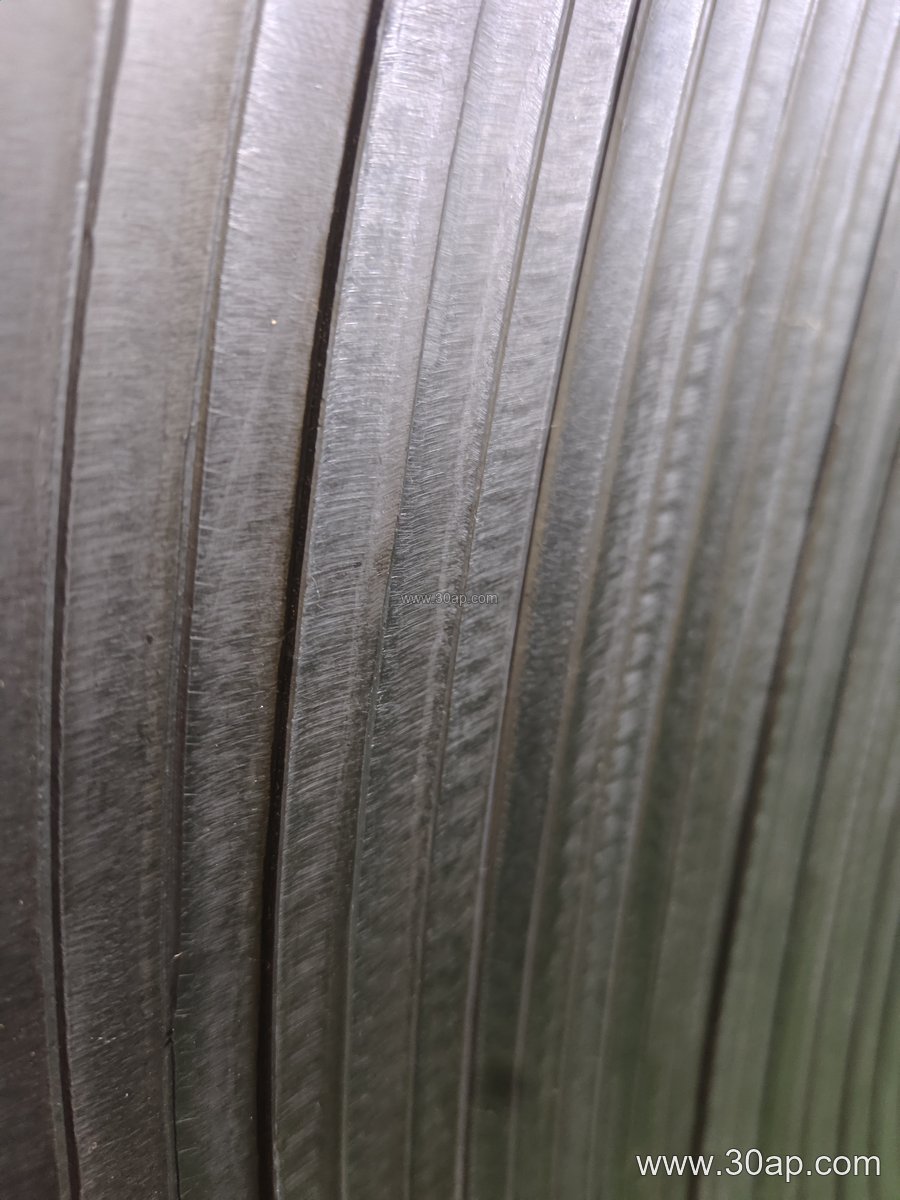
Cover thickness affects wear life. A 4+2 mm cover is common for general aggregate, while 6+2 or 8+3 mm may suit abrasive ore. The number of plies and the strength grade determine the belt’s tensile capacity. Buyers should ask for a data sheet that lists width, grade, ply count, cover thickness and compound type.
Installation and Maintenance
Alignment matters on any wide belt. Check that idler rollers sit square to the belt line, that the conveyor pulley faces are parallel, and that the conveyor bracket is firmly fixed. Keep the belt clean and watch for edge damage, cover wear and splice condition. A 1000mm belt that tracks well and is not overloaded will usually give longer service than one that is misaligned or run beyond its rated tension.
Summary
A 1000mm conveyor belt, also called a B1000 belt, is a versatile width for mines, cement works, power plants and aggregate sites. Its construction, cover grade and carcass should follow the material, environment and conveyor design. The belt, idler rollers, pulleys and brackets form one system, so each part deserves its own check before purchase.