What Is a Drive Lagged Pulley?
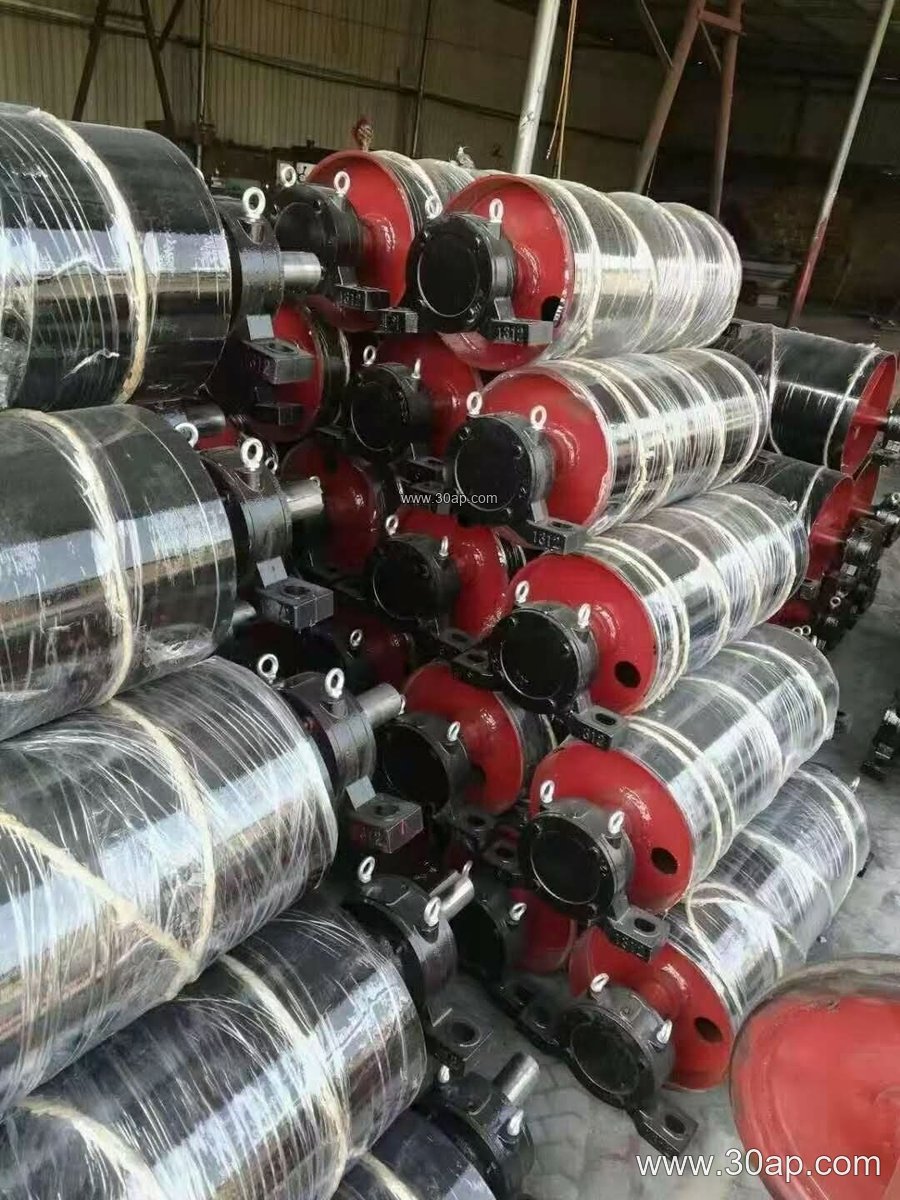
A drive lagged pulley is the powered pulley at the head of a belt conveyor that transmits motion to the conveyor belt. The lagging — a rubber or ceramic layer applied to the pulley shell — increases friction between the pulley and the belt, reducing slip under load. This pulley is also called a head pulley or drive drum with lagging. It is distinct from tail pulleys, bend pulleys, and take-up pulleys, which serve different roles in the conveyor system.
Construction and Lagging Options
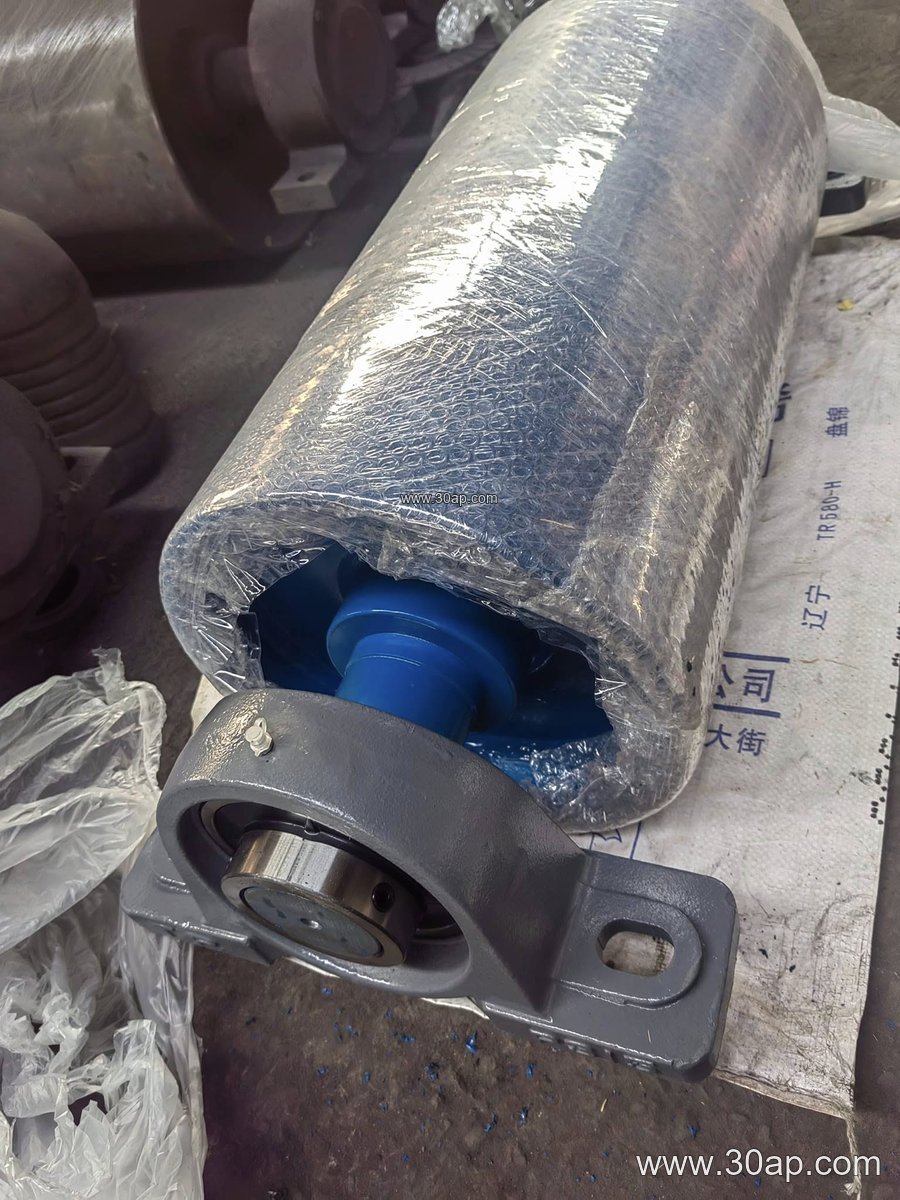
The pulley consists of a cylindrical shell, end discs, a shaft, and bearing housings. Lagging is bonded to the shell surface. Common surface forms include plain rubber, cold-bonded rubber, hot-spliced rubber, diamond grooved, herringbone grooved, and ceramic lagging. Lagging thickness typically ranges from 8 mm to 20 mm. The choice depends on the required friction coefficient, material carryback, and environmental conditions. For example, ceramic lagging is often used in wet or muddy conditions to maintain grip, while diamond grooved rubber provides good traction in dry bulk handling.
Where It Is Used
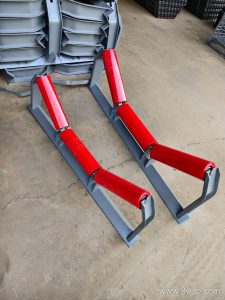
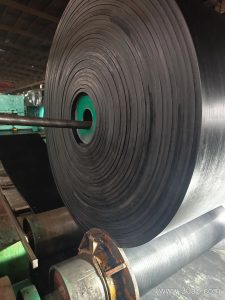
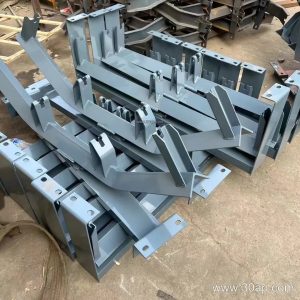
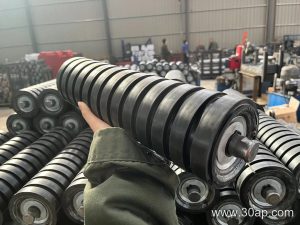
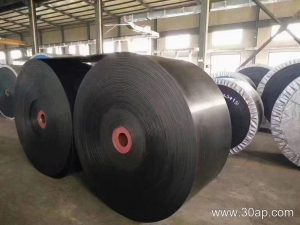
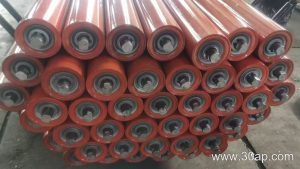
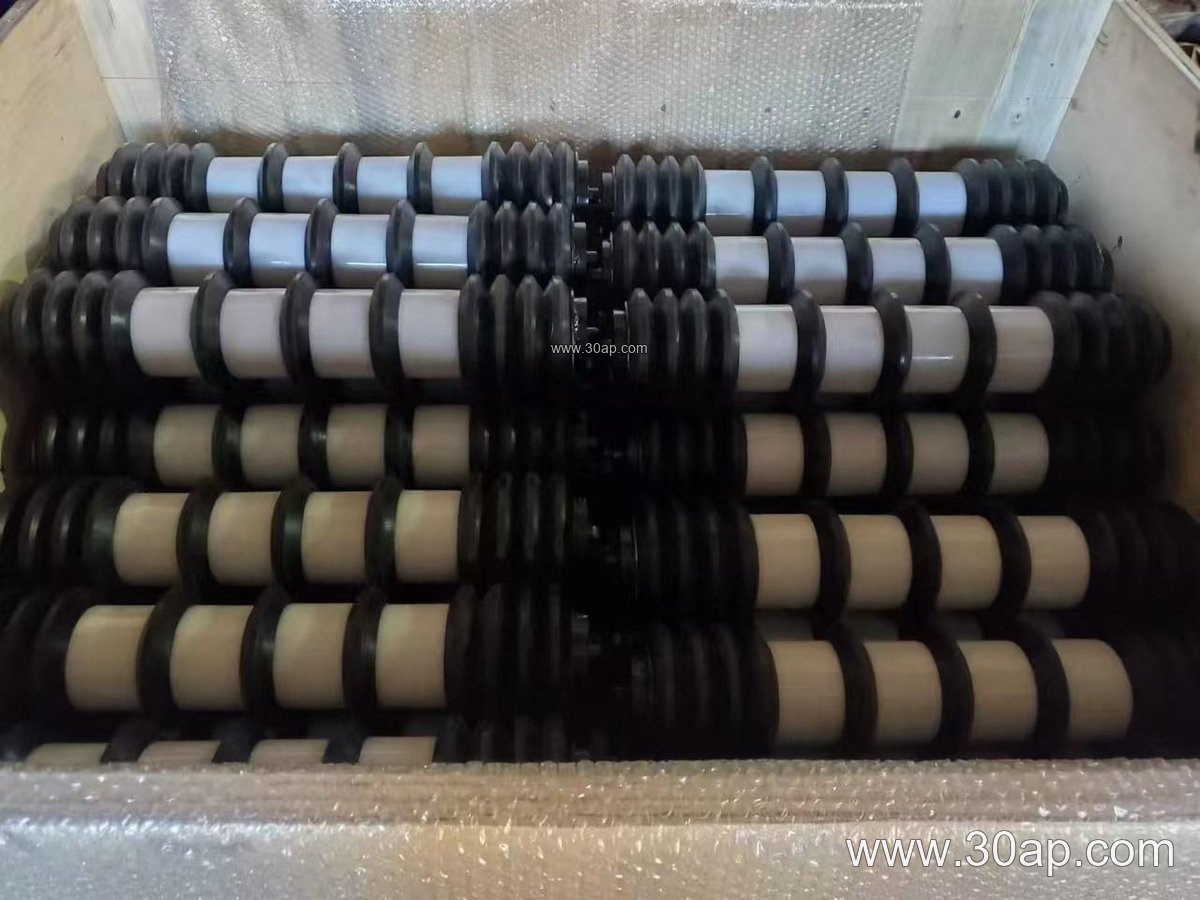
Drive lagged pulleys are found in bulk material handling systems across many industries. In a coal washing plant, they drive the main conveyor that feeds the screening circuit. In a limestone quarry, they power the primary crushing conveyor. In a cement plant, they are used on clinker transport belts. In a power plant coal yard, they handle high-tonnage coal conveyors. Other applications include iron ore mines, port bulk terminals, and aggregate plants. The pulley works together with the conveyor belt, idler rollers, and conveyor brackets to form a reliable transport line.
Key Dimensions and Specifications
When selecting a drive lagged pulley, several parameters must be defined. Belt width (B) is a primary reference. Pulley diameter (Ø) and shaft diameter are determined by torque, belt tension, and load. The table below shows common reference combinations; actual values are determined by design.
| Belt Width (mm) | Pulley Face Width (mm) | Common Pulley Diameter (mm) | Typical Lagging Thickness (mm) |
|---|---|---|---|
| B500 | 600 | Ø250, Ø315 | 8–12 |
| B650 | 750 | Ø315, Ø400 | 8–12 |
| B800 | 950 | Ø400, Ø500 | 10–15 |
| B1000 | 1150 | Ø500, Ø630 | 10–15 |
| B1200 | 1400 | Ø630, Ø800 | 12–15 |
| B1400 | 1600 | Ø800, Ø1000 | 15–20 |
| B1600 | 1800 | Ø1000, Ø1250 | 15–20 |
| B1800 | 2000 | Ø1250, Ø1400 | 15–20 |
Shaft diameters commonly range from Ø50 to Ø200 mm, determined by torque and bearing load, not by belt width alone. For instance, a B800 conveyor might use a Ø500 pulley with a Ø100 shaft, but this is not a fixed rule.
What Buyers Should Know
- Lagging type matters: Choose based on material moisture, abrasiveness, and required friction. Ceramic lagging offers high wear resistance but may not suit very fine, dry materials. Rubber lagging is versatile.
- Diameter and shaft size: Do not assume a direct relationship between belt width and shaft diameter. Provide the conveyor’s torque and load data to the supplier.
- Balance and runout: A drive pulley must be balanced to avoid vibration at speed. Specify dynamic balancing if the pulley operates at high belt speeds.
- Bearing selection: Bearings should match the shaft diameter and load rating. Consider sealed bearings for dusty environments like coal or cement plants.
- Installation and maintenance: Ensure proper alignment with the conveyor belt and idler rollers to prevent edge wear. Regularly inspect lagging for wear or glazing, and check for belt slippage. Replace lagging when friction drops.
Maintenance Practices
Routine checks of the drive lagged pulley include verifying lagging condition, monitoring bearing temperature, and checking for material buildup on the pulley face. In dusty operations such as a limestone mine or a sand and gravel plant, cleaning the pulley surface helps maintain friction. If the lagging shows deep grooves or embedded material, re-lagging may be needed. Keep the conveyor belt tension correct; excessive tension accelerates lagging wear and bearing load. Record operating hours and inspect at planned shutdowns.