What Is a Q235 Conveyor Bracket
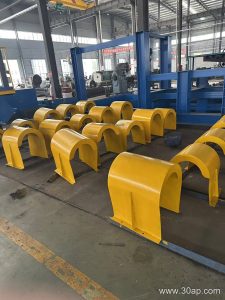
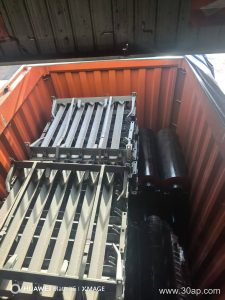
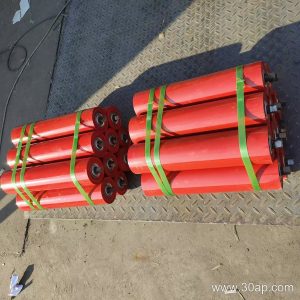
A Q235 conveyor bracket is a structural support component used to hold idler rollers in place along a conveyor belt. In many industrial settings, it is simply called a conveyor bracket or a Q235 bracket. The name comes from the material: Q235 is a common carbon structural steel known for good weldability and moderate strength. This bracket forms the connection between the idler roller and the conveyor frame, helping maintain proper belt alignment and load distribution. Whether you are working in a coal mine, a cement plant, or a power station coal yard, the Q235 conveyor bracket plays a quiet but essential role in keeping the belt system running smoothly.
How It Is Built
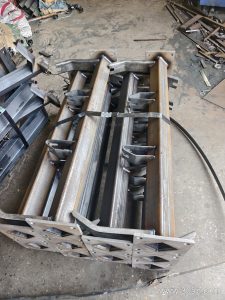
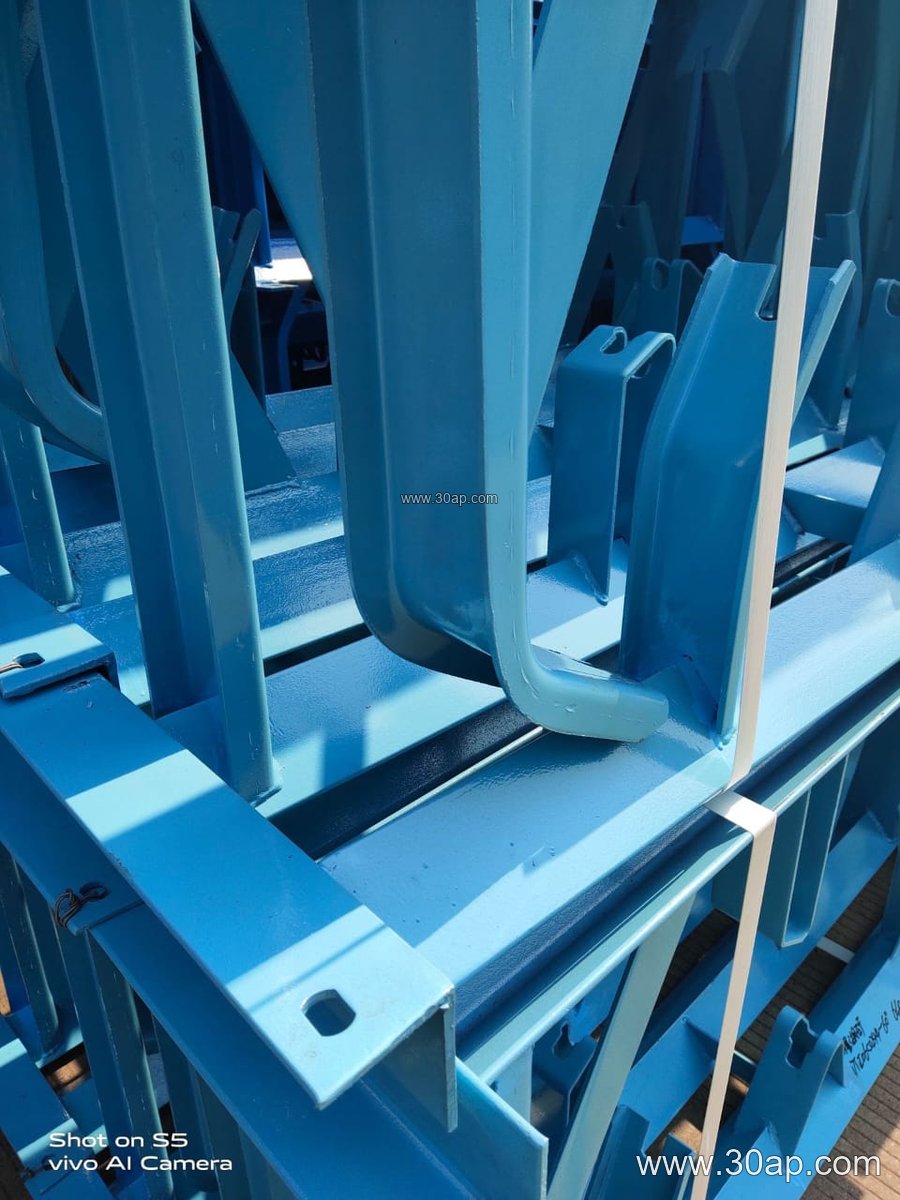
Most Q235 conveyor brackets are fabricated from angle steel, channel steel, or bent steel plate. The choice of profile depends on the load requirements and the design of the conveyor frame. Common manufacturing steps include cutting, drilling, bending, and welding. The bracket typically features mounting holes or slots that allow attachment to the main frame, and a top surface shaped to accept the idler roller shaft. For adjustable types, slotted holes or pivoting mechanisms let maintenance staff change the trough angle or belt alignment. Surface treatment such as painting or galvanizing is often applied to improve corrosion resistance, though the exact specification should be confirmed with the supplier.
Key Types and Their Roles
Q235 conveyor brackets come in several forms, each suited to a specific position on the conveyor. The main types include:
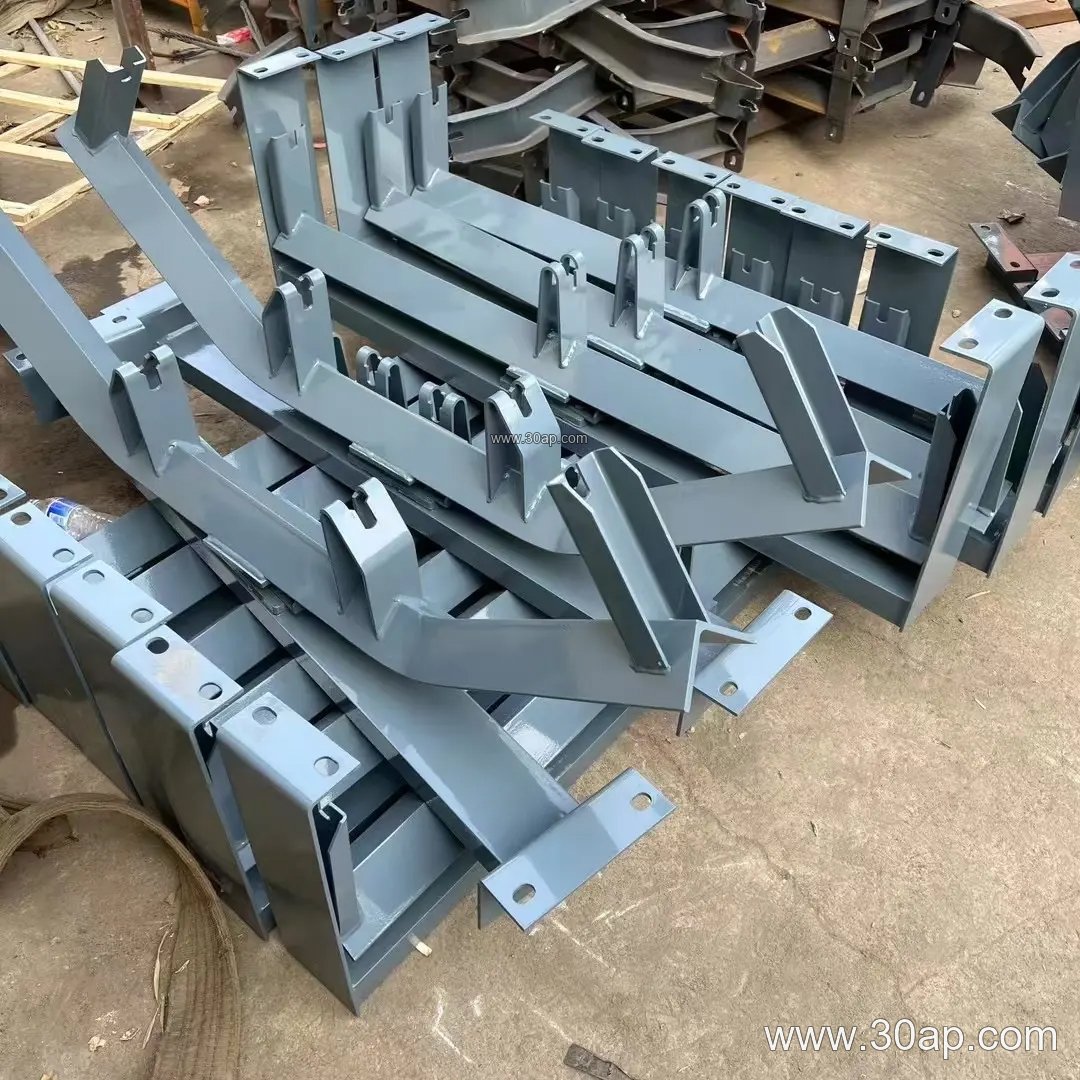
- Troughing bracket (upper trough bracket): Supports the carrying side of the belt, usually with three idler rollers arranged at a trough angle.
- Return bracket (lower flat bracket): Holds the return idler rollers that support the empty side of the belt.
- V-return bracket: Uses two rollers in a V shape to help center the belt on the return side.
- Impact bracket: Positioned at loading points to absorb shock from falling material, often fitted with impact idler rollers.
- Self-aligning bracket: Designed to correct belt misalignment by pivoting slightly.
- Transition bracket: Placed near pulleys to guide the belt from flat to troughed shape.
- Adjustable bracket: Allows the trough angle to be changed, typically between 20 and 45 degrees.
Other variants such as forward-leaning brackets (with a small tilt of about 1.5 to 2 degrees) and spiral roller brackets exist for specific belt training needs. Each type is purpose-built and should not be substituted for another without engineering review.
Common Sizes and Configurations
Q235 conveyor brackets are generally matched to the belt width and the idler roller diameter. Common belt widths range from B500 to B2200, and roller diameters include Ø89, Ø108, Ø133, Ø159, and Ø194. Trough angles are usually 20, 30, 35, or 45 degrees. The table below gives typical reference examples, but actual mounting hole spacing and beam length are determined by the conveyor design, not by a fixed rule.
| Belt Width | Trough Angle | Typical Roller Diameter |
|---|---|---|
| B500 | 20° | Ø89 |
| B650 | 30° | Ø89 |
| B800 | 35° | Ø108 |
| B1000 | 35° | Ø108 |
| B1200 | 45° | Ø133 |
| B1400 | 45° | Ø133 |
| B1600 | 35° | Ø159 |
| B1800 | 45° | Ø159 |
| B2000 | 35° | Ø194 |
Note that one belt width can be paired with different trough angles and roller diameters depending on the application. For instance, a B1200 belt might use a 35-degree trough with Ø133 rollers in one plant and a 45-degree trough with Ø159 rollers in another. Always refer to the conveyor design documents for the correct combination.
Where It Is Used
You will find Q235 conveyor brackets in a wide range of bulk material handling operations. In a coal preparation plant, they support the idler rollers that carry coal from the crushing stage to the wash box. In a limestone quarry, they hold the rollers on the main haulage conveyor. Cement plants use them on clinker and raw material belts, while power stations rely on them for coal yard conveyors. Other common sites include iron ore mines, port terminals, steel mills, fertilizer plants, and grain silos. The bracket must be selected to suit the environment—for example, dusty or corrosive conditions may call for additional surface protection.
What a Buyer Should Know
When purchasing a Q235 conveyor bracket, consider the following points to ensure a proper fit and reliable performance:
- Belt width and trough angle: Confirm the exact belt width and the required trough angle, as these determine the bracket geometry.
- Idler roller diameter: The bracket must match the roller shaft diameter and the mounting dimensions.
- Mounting hole spacing: This is not universal; it varies with belt width and trough angle. Provide a drawing or sample if possible.
- Material and surface treatment: Q235 is standard, but check whether painting, galvanizing, or another coating is needed for your environment.
- Type and position: Specify whether the bracket is for the carrying side, return side, impact zone, or transition area. Do not substitute one type for another without approval.
- Adjustability: If belt training or angle changes are expected, an adjustable bracket may be preferred over a fixed one.
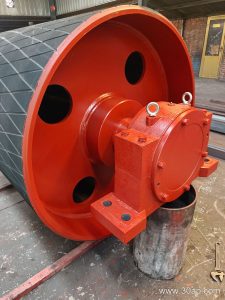
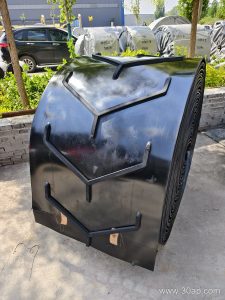
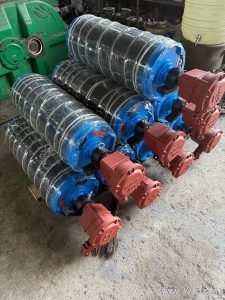
Finally, remember that the bracket works as part of a system. It must be compatible with the conveyor belt, idler roller, and conveyor pulley arrangement. A well-chosen Q235 conveyor bracket helps reduce downtime and extends the service life of the entire belt line.