What a Conveyor Equipment Idler Does
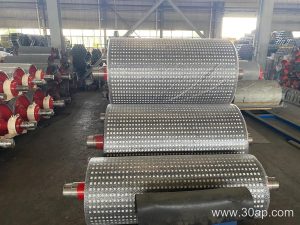
A conveyor equipment idler is the rotating roller assembly that supports and guides a conveyor belt along its carrying and return runs. In everyday plant language it is often called a belt idler, troughing roller, or idler roller. It does not drive the belt; it carries the load, reduces friction, and helps keep the belt tracking in a stable path. The driving force comes from a conveyor pulley, usually the head or drive pulley, while the idler group simply rolls with the moving belt.
Because the idler is in constant contact with the belt, its condition affects energy use, belt wear, and material spillage. A failed roller can drag, seize, or cut into the belt cover. That is why buyers and maintenance teams treat idlers as service-critical components rather than simple hardware.
How an Idler Is Built
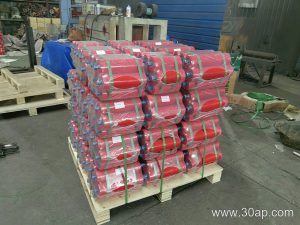
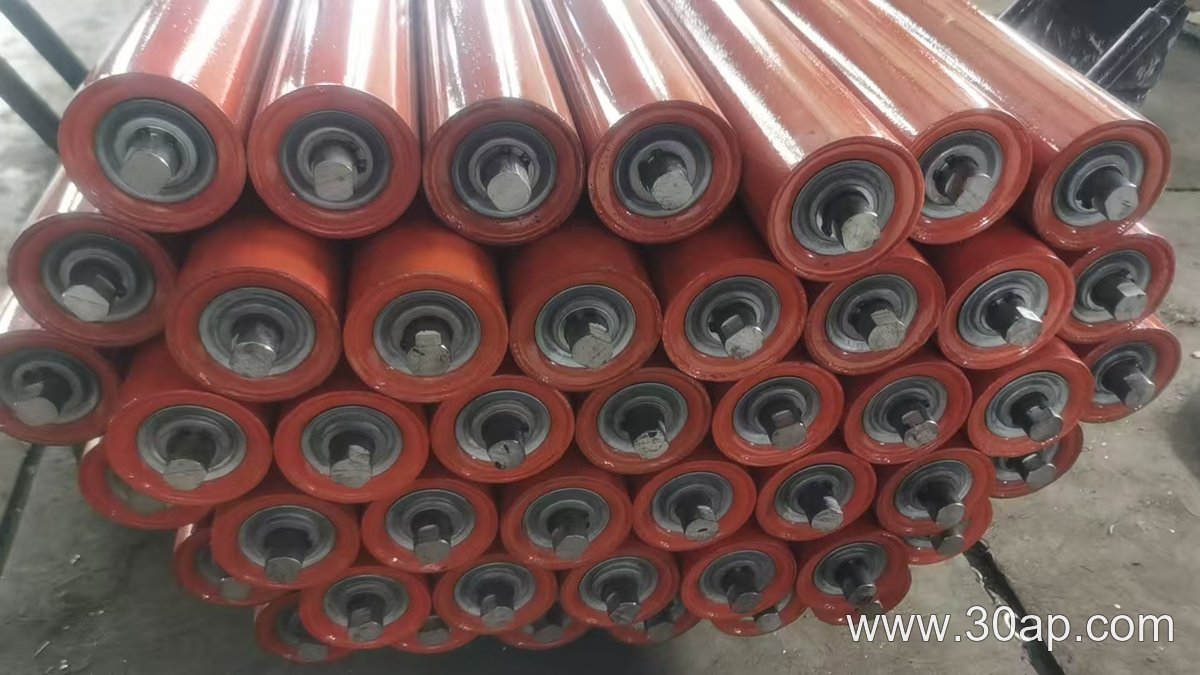
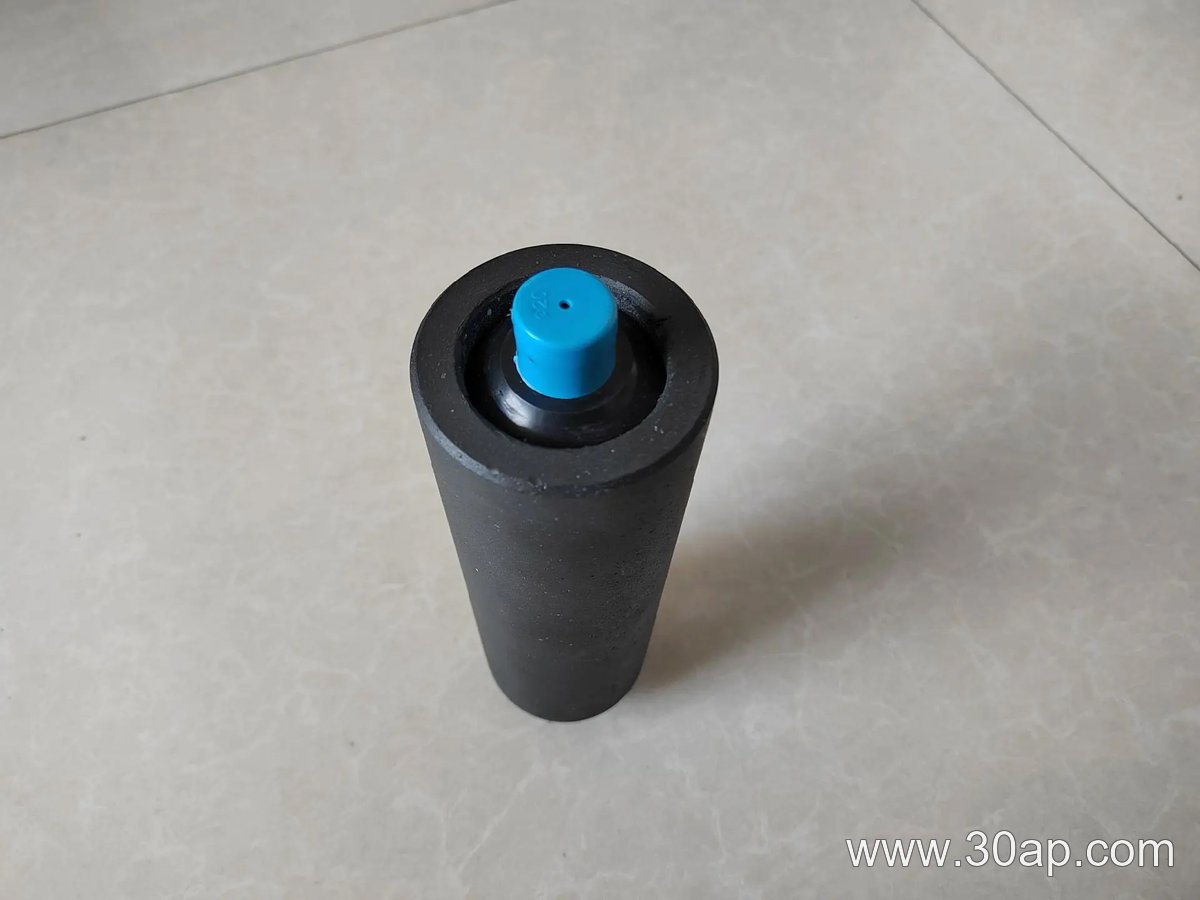
A typical roller consists of a steel tube shell, end discs, a shaft, bearing housings, and seals. The shell may be plain steel, nylon-coated, ceramic-covered, or fitted with rubber rings for impact absorption. Bearings are commonly deep-groove ball types such as 6204, 6205, 6305, 6306, 6308, or 6310, selected according to load, speed, and roller diameter. Bearing size is not fixed by belt width alone; it follows the engineering calculation for the application.
Seals matter as much as bearings. Dust, water, and fine grit are the main causes of early idler failure. A good labyrinth or contact seal keeps contaminants out and grease in. The shaft ends usually sit in a conveyor bracket or frame, which holds the roller at the correct height and angle.
Common Idler Types and Where They Sit
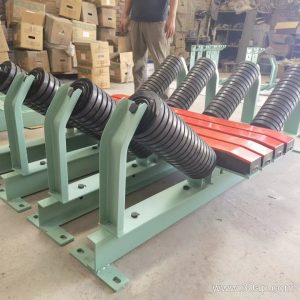
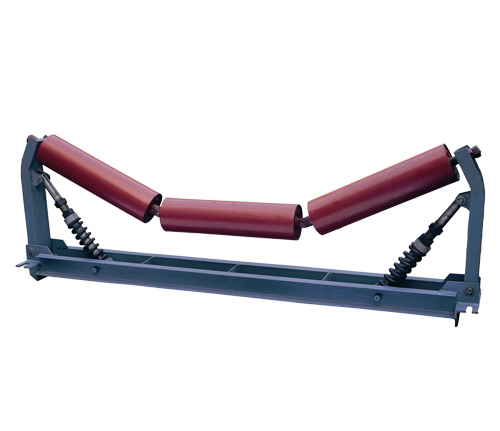
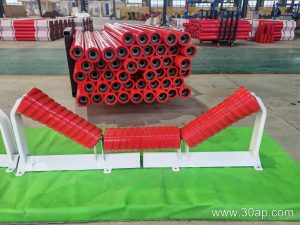
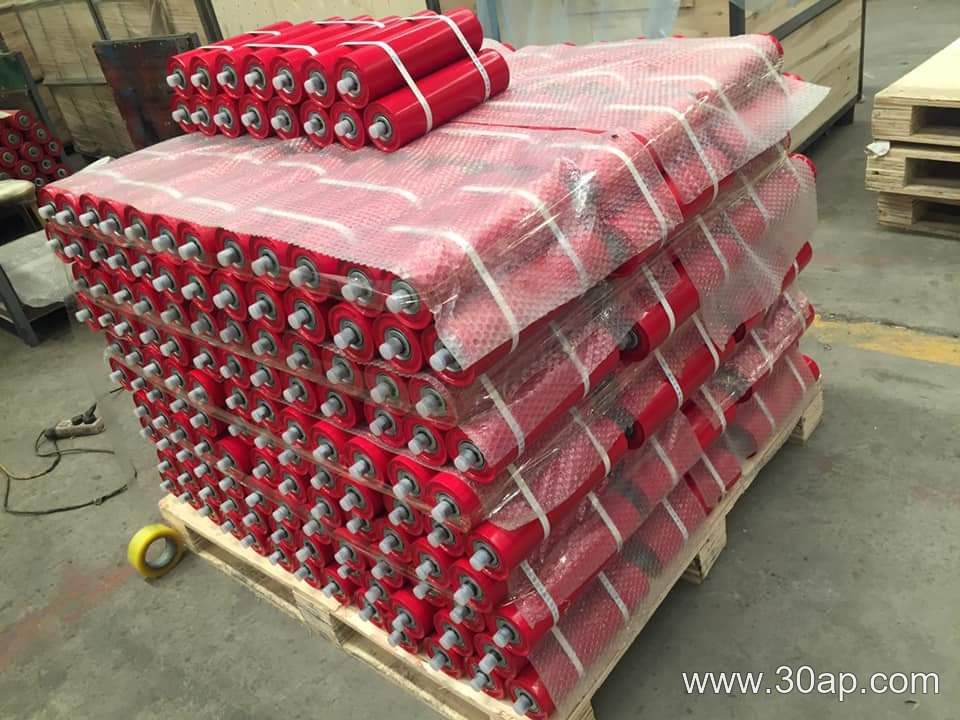
On the carrying side, troughing idlers are arranged in sets. A single-roller set is used for narrow belts or flat belts, while two-roll and three-roll troughing sets form a trough that keeps bulk material centered. Common trough angles are 20, 30, 35, and 45 degrees. A transition idler is placed near a pulley to support the belt as it changes from troughed to flat. Impact idlers, including rubber-ring impact rollers, are installed at the load point to absorb the fall of rock or heavy lumps.
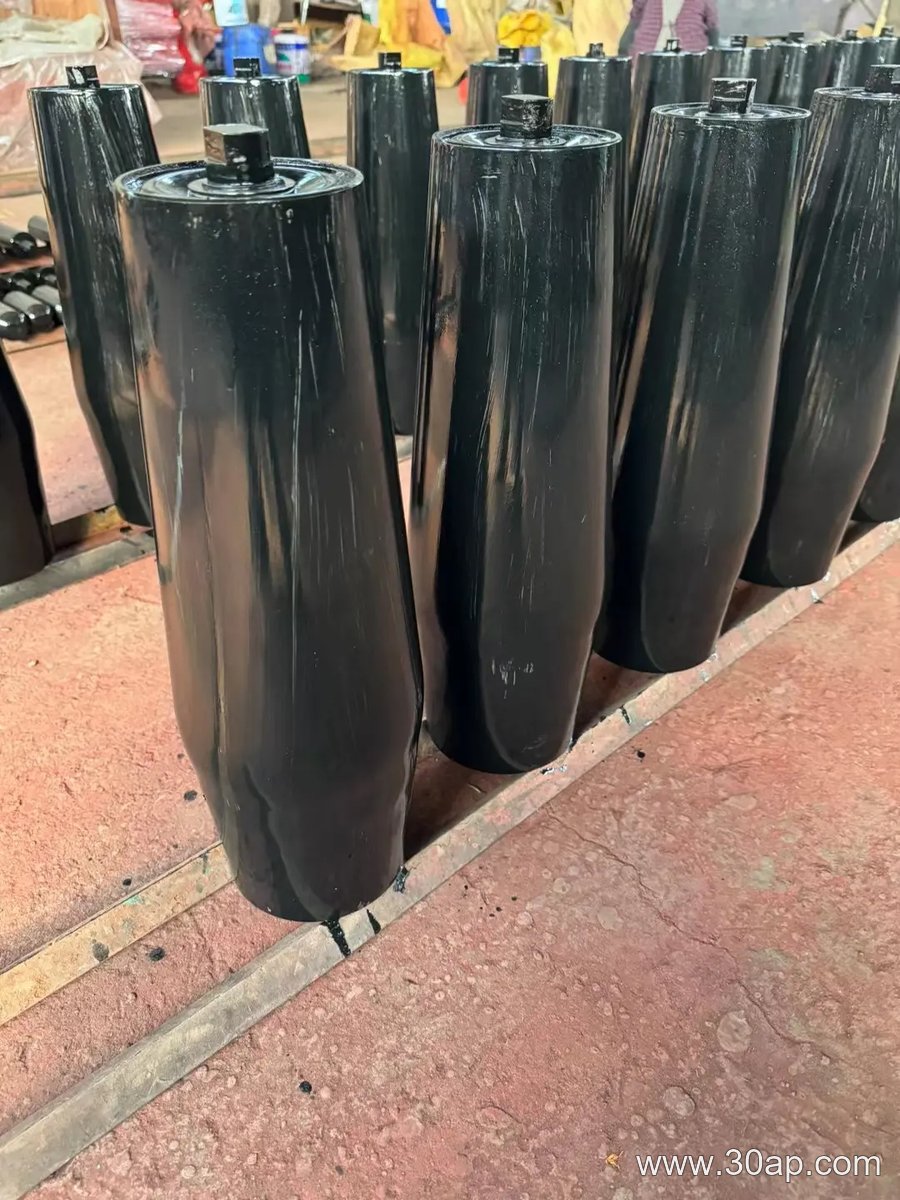
On the return side, flat return idlers support the empty belt. A V-shaped return idler helps center the belt and shed stray material. Spiral or helical rollers are used where sticky material tends to build up on the shell. Self-aligning idlers, including friction and tapered types, correct minor belt drift. Comb or finger rollers are sometimes chosen where material carryback is a problem.
These are different roles, not interchangeable names. A troughing idler cannot replace a return roller, and a self-aligning idler is not a substitute for a drive pulley. The conveyor pulley, whether drive, tail, or bend, transmits or redirects belt tension; an idler only supports the belt.
Roller Diameter, Belt Width, and Roll Length
Roller diameter is usually chosen from a range such as 63, 76, 89, 102, 108, 127, 133, 159, 178, 194, or 219 mm. Larger diameters generally suit higher loads, wider belts, or higher belt speeds. Belt widths run from B400 up to B2400 in many bulk handling lines, but there is no rule that one belt width must match one roller diameter. The two are related through load, speed, and idler spacing, not a fixed table.
Roll length depends on belt width, trough angle, and the idler set. For a three-roll troughing set, common examples are about 200 mm for B500, 250 mm for B650, 315 mm for B800, 380 mm for B1000, 465 mm for B1200, 530 mm for B1400, 600 mm for B1600, 670 mm for B1800, and 750 mm for B2000. Side rollers and the center roller can differ. Treat these as typical references, not mandatory pairings.
Where Idlers Are Used
Conveyor idlers appear in almost every bulk material handling system. In a quarry or sand and gravel line, they carry crushed stone from the crusher to the screen. In a coal washing plant, they move wet coal through dewatering and transfer points. Other common sites include cement plants, power station coal yards, ports, steel mills, and fertilizer or grain terminals. The material, moisture, and duty cycle decide which shell and seal are suitable.
What a Buyer Should Check
- Belt width, trough angle, and idler spacing, so the roller set fits the frame.
- Roller diameter and shaft size, matched to load and speed rather than copied from another line.
- Bearing and seal quality, especially in dusty or wet locations.
- Shell material and surface form: steel, nylon, ceramic, or rubber ring.
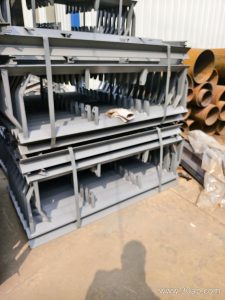
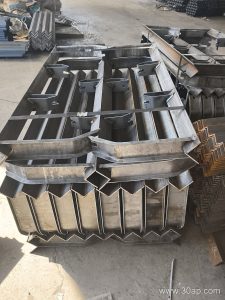
- Mounting details, including the conveyor bracket and fixing centers.
- Availability of spare rollers and consistent quality across batches.
A well-chosen idler keeps the conveyor belt running smoothly and extends the life of the whole system. Buyers who understand the roller’s role, its construction, and the way it fits the conveyor frame can avoid both premature failure and unnecessary cost.