Why the Conveyor Belt Remains the Backbone of Material Handling
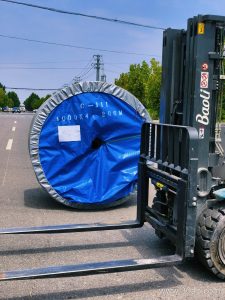
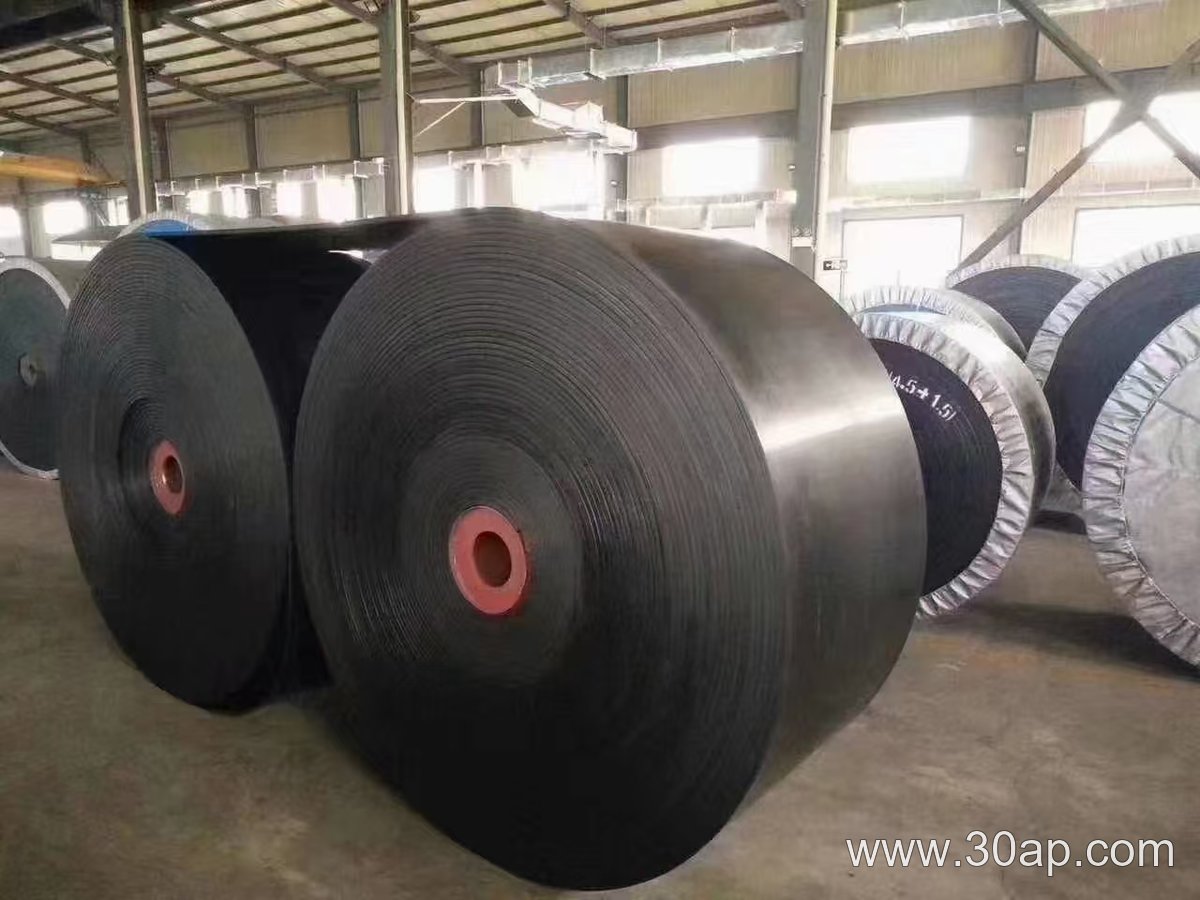
The conveyor belt is not just a moving surface; it is the engineered link between production stages. Choosing the wrong belt causes downtime, product damage, and safety hazards. This guide focuses on the conveyor belt itself—its construction, materials, and load ratings—to help you specify correctly.
Key Specifications to Evaluate
- Tensile strength: Match the belt’s rated breaking strength (e.g., EP400, EP630) to your peak load plus a safety factor of 10:1.
- Cover compound: Use abrasion-resistant rubber (Grade M or N) for sharp aggregates; food-grade polyurethane for hygienic lines.
- Operating temperature: Standard belts handle -20°C to +60°C; for hot clinker or frozen ores, request heat-resistant or cold-resistant carcasses.
Profile and Surface Shape
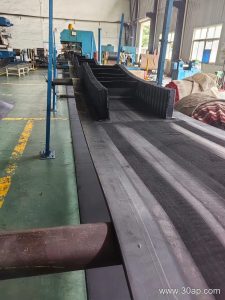
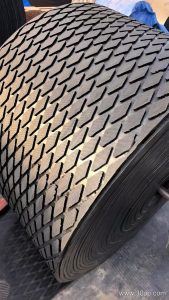
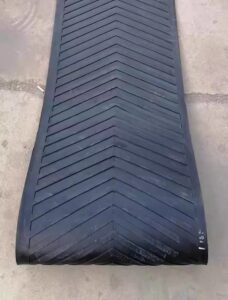
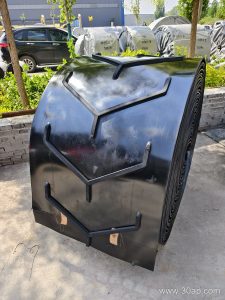
Flat belts suit general transport, but cleated or sidewall conveyor belts prevent rollback on inclines above 18°. For powder or grain, a troughed belt with deep idler angles reduces spillage. Always confirm the belt’s thickness and splice type (mechanical vs. vulcanized) with your supplier.
Purchasing Advice
- Request a belt tension calculation from your conveyor manufacturer—not a generic catalog.
- Buy spare rolls from the same batch to avoid width or thickness variance.
- Inspect the belt’s edge cut and fabric weave; poor edges lead to premature fraying.
Finally, verify the conveyor belt’s compliance with ISO 14890 or ASTM D378. A correct belt minimizes energy consumption and extends pulley life. Test a sample under your real load conditions before bulk ordering.
Idler Roller: The Backbone of Conveyor Performance
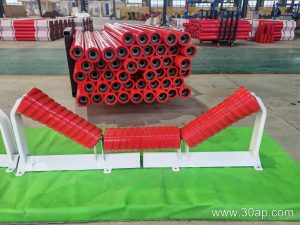
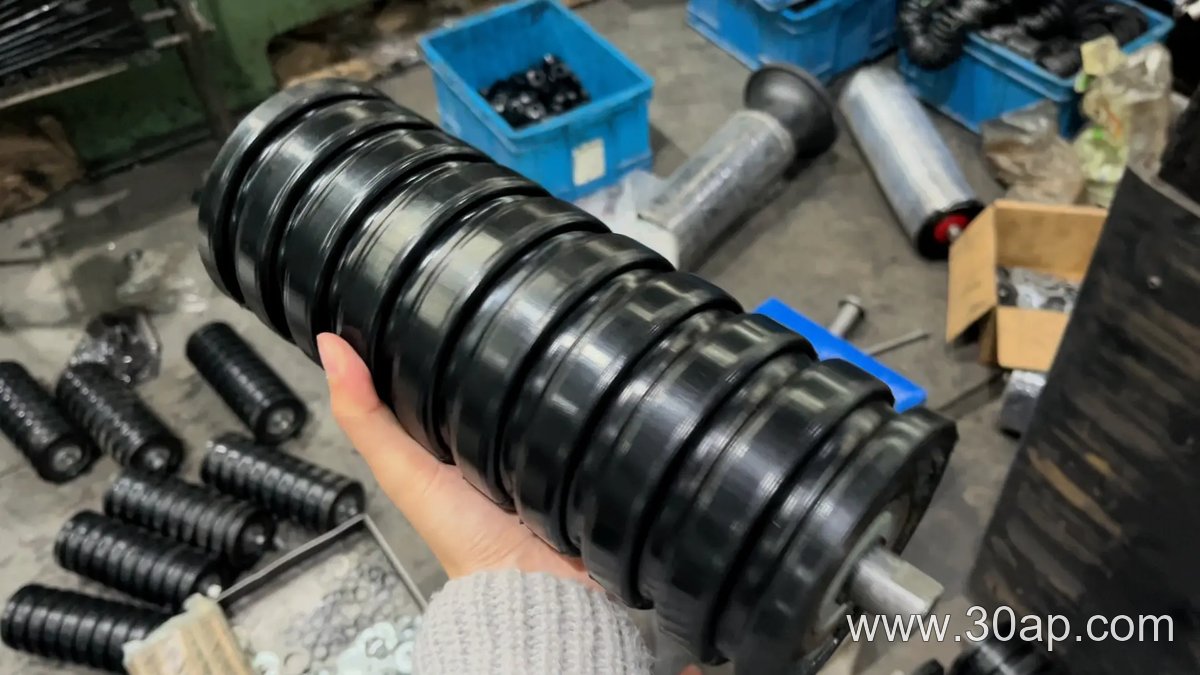
An idler roller is a non-powered cylindrical component that supports the conveyor belt and the material it carries, reducing friction and maintaining belt alignment. It is not just a passive part—it directly affects energy consumption, belt life, and operational uptime. Selecting the correct idler roller is critical for any bulk handling system, from mining to agriculture.
Key Selection Factors
- Load rating: Match the roller’s dynamic capacity to your maximum belt load and speed.
- Roller diameter: Larger diameters generally offer lower rotational resistance and higher durability.
- Sealing system: Choose labyrinth or contact seals based on dust, moisture, and contamination levels.
- Material of shell: Steel for impact areas, rubber-coated for noise reduction or belt protection.
Purchasing Advice
Always request the manufacturer’s test data for radial run-out and bearing life. For heavy-duty applications, verify that the idler roller meets CEMA (Conveyor Equipment Manufacturers Association) standards. Consider spare parts availability and ease of maintenance—quick-change designs can minimize downtime. Finally, compare total cost of ownership, not just upfront price, as energy savings from low-friction rollers often offset a higher initial investment.
Understanding the Conveyor Pulley’s Role
The conveyor pulley is the cylindrical component that drives, redirects, or tensions the belt in a bulk material handling system. Without a precisely engineered pulley, belt tracking fails, slippage occurs, and downtime escalates. Every pulley must match the belt’s width, tension, and speed.
Key Types for Different Applications
- Drive pulleys – mounted on the motor shaft to transmit torque; require high-friction lagging (ceramic or rubber).
- Bend pulleys – used to change the belt’s direction, often at the tail or take-up section.
- Take-up pulleys – maintain belt tension via a gravity or screw adjustment mechanism.
Selection and Purchasing Advice
When specifying a conveyor pulley, first calculate the effective belt tension (Te) and the shaft load. Larger diameters reduce belt flexing but increase cost. Choose a crown or tapered face for self-centering on return belts.
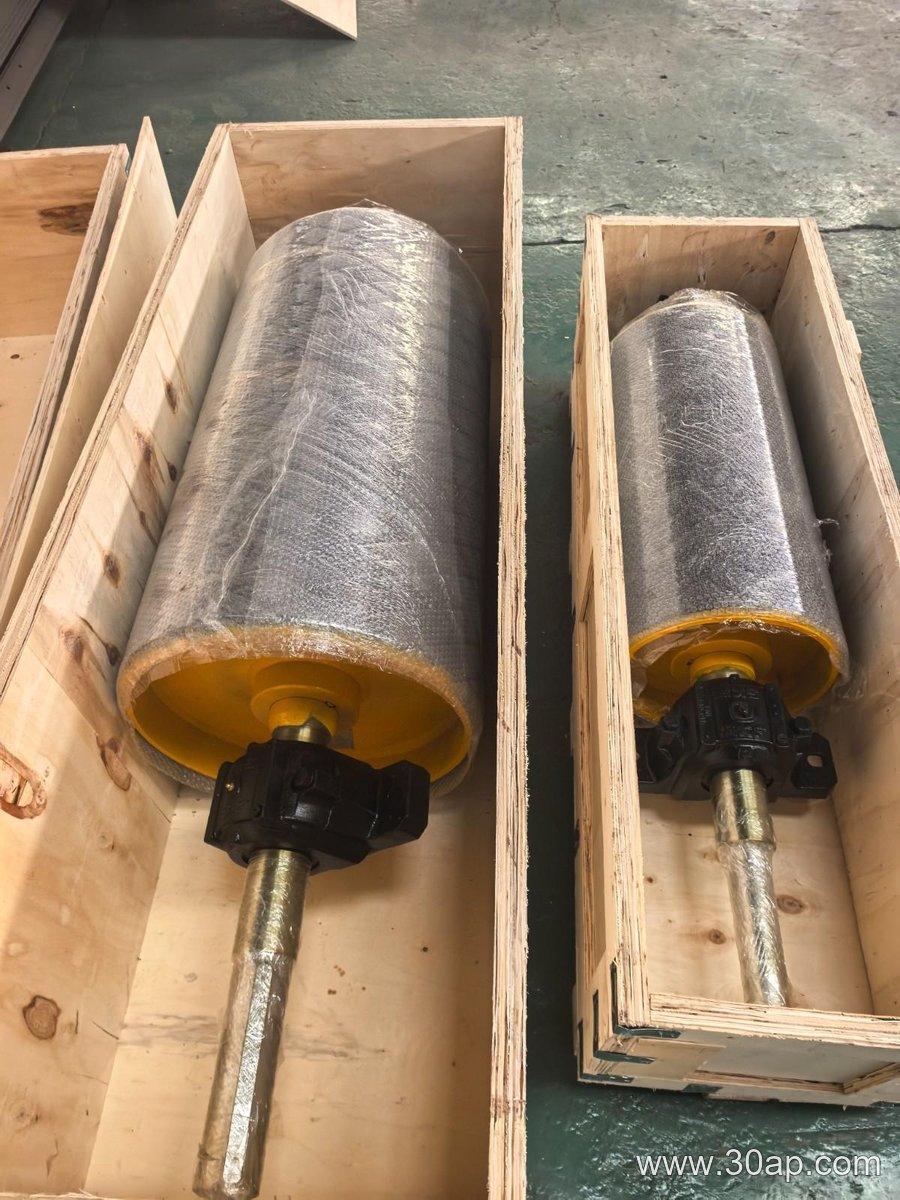
- Verify shell thickness and end disc welding standards (e.g., DIN 22131 or CEMA).
- Lagging selection: ceramic lagging for wet or high-slip zones; smooth rubber for dry, light-duty lines.
- Specify bearing housing type (plummer block or cartridge) based on maintenance access.
- Always request a static load test certificate for pulleys exceeding 500 mm diameter.
Finally, consider the pulley’s life-cycle cost – a cheap pulley with thin sheeting will deform, causing belt misalignment and premature belt failure. Invest in a pulley with a balanced shaft and precision-bored hubs to ensure wobble-free rotation up to 5 m/s belt speed.
Why the Conveyor Bracket Deserves Your Attention
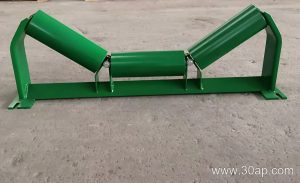
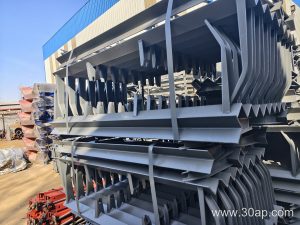
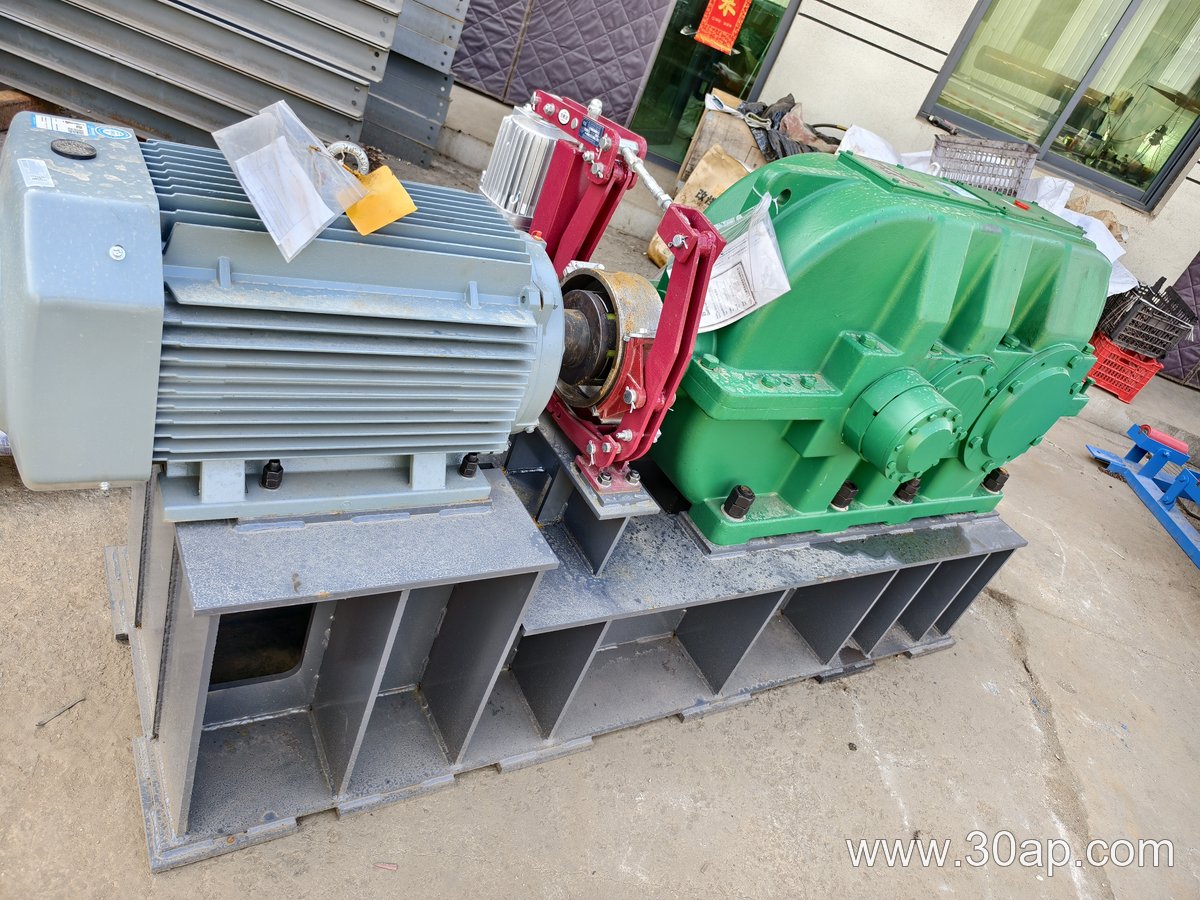
The conveyor bracket is the unsung hero of any bulk-handling system. It aligns rollers, absorbs vibration, and prevents belt drift—yet it is often the last component considered during procurement. Choosing the wrong bracket leads to premature wear, downtime, and costly frame damage.
Key Selection Criteria
- Load rating: Match the bracket’s static and dynamic capacity to your actual belt load, including surge peaks.
- Material compatibility: For corrosive or abrasive environments, specify galvanized, stainless, or polymer-coated steel.
- Adjustability: Slotted mounting holes allow fine-tuning of roller height and angle, which extends belt life.
Purchasing Advice
Always request the bracket’s deflection test data and check weld quality. Prefer brackets with replaceable wear liners over one-piece units. For retrofit projects, verify hole spacing against your existing frame—many suppliers offer universal patterns, but tolerance matters. Finally, order spare brackets in the same batch as your rollers; mismatched tolerances are a common source of misalignment.