What the EP500 Conveyor Belt Is
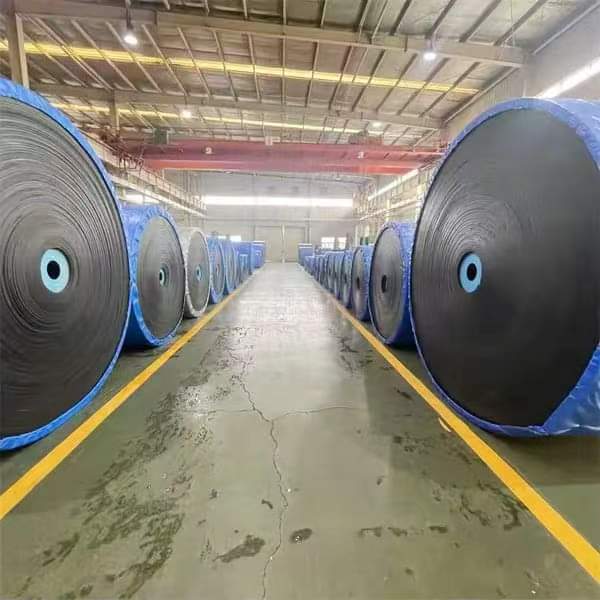
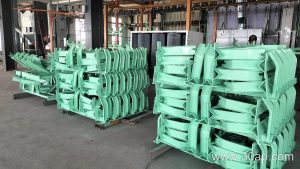
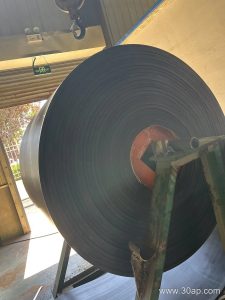
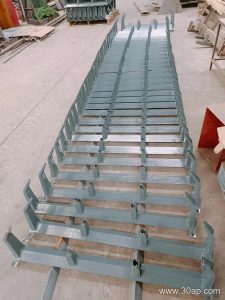
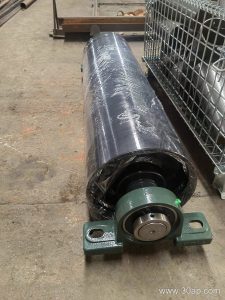
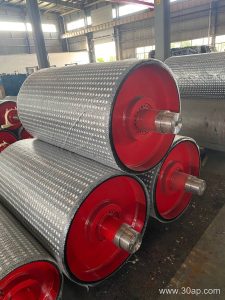
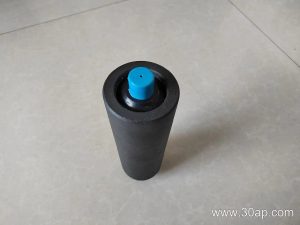
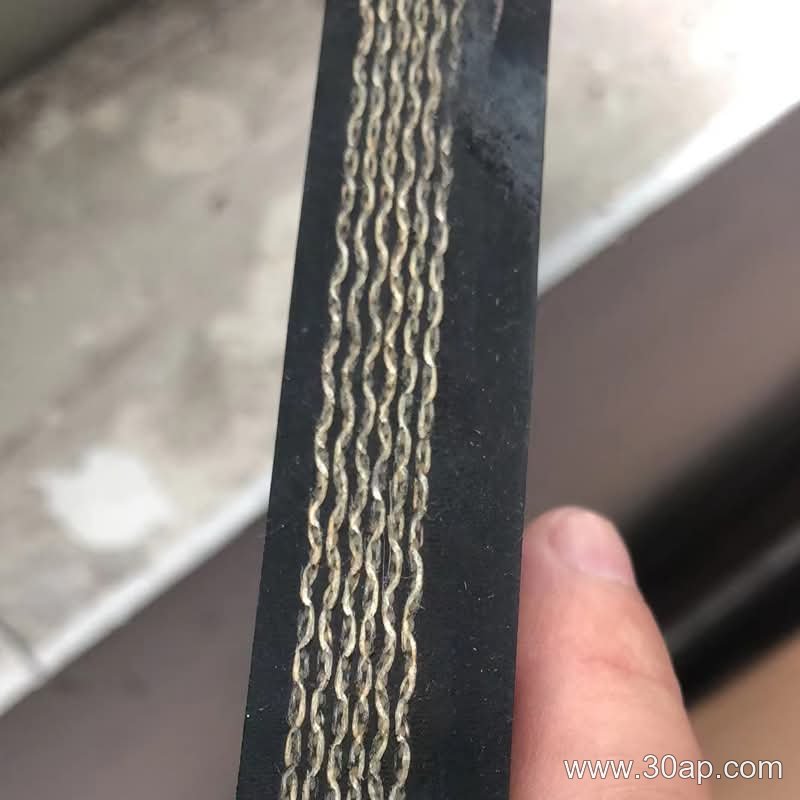
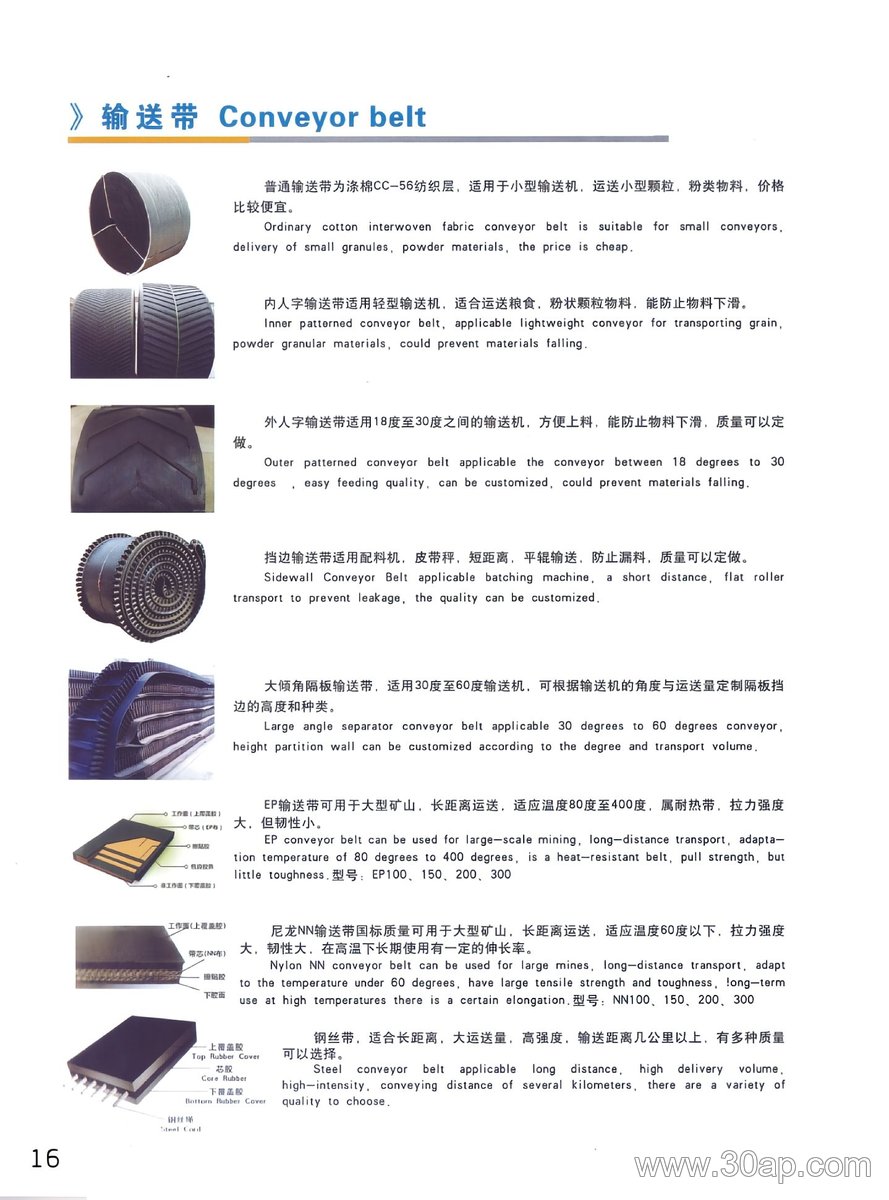
The EP500 conveyor belt is a polyester-cotton fabric-reinforced rubber belt with a nominal tensile strength of 500 N/mm. The “EP” stands for polyester warp and polyamide weft, a carcass design that balances low stretch with good troughability. This belt is not the lightest or the strongest option in the EP series, but it sits in a practical middle range for medium to heavy duty conveying. In a typical bulk handling circuit, the belt runs over idler rollers, wraps around a conveyor pulley at the head and tail, and is supported by a conveyor bracket structure along the frame.
Carcass and Cover Construction
An EP500 belt usually contains 2 to 6 plies of EP fabric, depending on the required safety factor and the pulley diameter. The rubber covers protect the carcass from abrasion, impact, and moisture. Common cover thickness combinations include 3+1.5 mm, 4+2 mm, 5+2 mm, and 6+2 mm. The first number is the top cover and the second is the bottom cover.
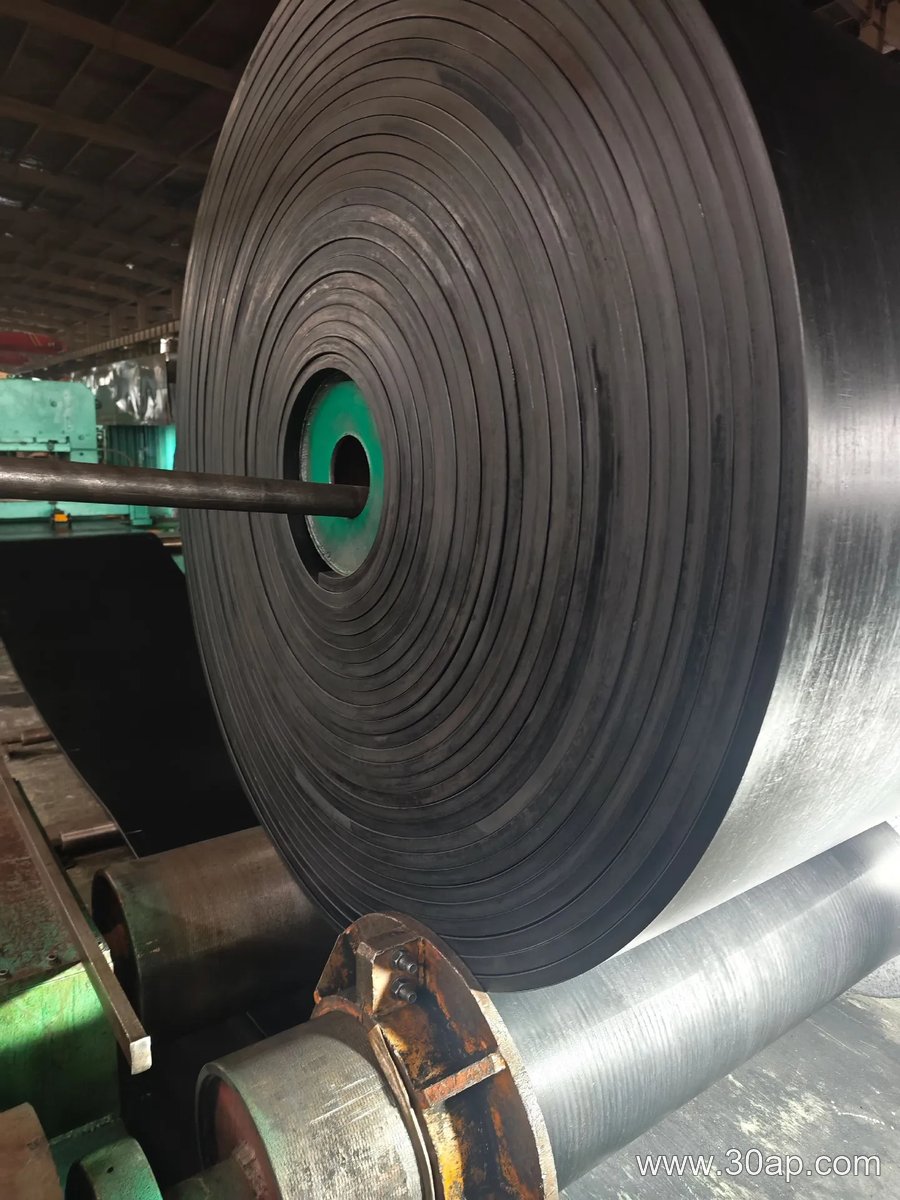
Cover compounds can be selected for different working conditions. A wear-resistant grade suits sharp limestone or clinker. A heat-resistant grade is used in cement plants and foundries where material temperature is elevated. Oil-resistant and flame-retardant anti-static versions are available for specific environments, though each compound has its own limitations.
Where It Fits in the Conveyor System
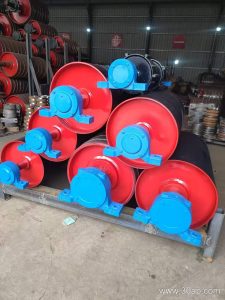
The EP500 belt is often found in mines, coal preparation plants, cement works, power stations, and sand and gravel yards. It carries crushed ore, coal, limestone, clinker, and aggregate. The belt itself does not drive the system. The drive pulley provides motion, the tail pulley maintains alignment, and bend pulleys change the belt path. Idler rollers support the belt between pulleys. These components are not interchangeable; a drive pulley is not a tail pulley, and a bend pulley has a different role again.
Common Widths and Related Dimensions
Belt width is matched to the conveyor design and the material size, not to a single pulley diameter. The following widths are commonly referenced in project specifications. They are given as examples only, and actual supply depends on the manufacturer and the application.
| Parameter | Common Reference |
|---|---|
| Belt width | B500, B650, B800, B1000, B1200, B1400 |
| Nominal strength | EP500 |
| Cover thickness | 4+2 mm, 5+2 mm |
| Number of plies | 3 to 5 |
When a wider belt such as B1200 or B1400 is used, the pulley face width and the idler roller length must also increase. The shaft diameter of a pulley is determined by the torque and load, not by belt width alone. A B800 belt can run on different pulley diameters depending on the conveyor layout and the required belt life.
Selection and Maintenance Notes
- Check the maximum lump size and impact energy. A thicker top cover may be needed for primary crushing stations.
- Confirm the ambient and material temperature before choosing a heat-resistant grade.
- Keep the belt running true. Misaligned idler rollers and worn conveyor brackets can cause edge damage.
- Inspect the pulley lagging and the belt splice regularly. A damaged splice can reduce the full strength of the EP500 belt.
- Store belts in a dry, shaded place. Prolonged exposure to sunlight and ozone can age the rubber cover.
For coal mines, an anti-static flame-retardant grade may be required by site rules. For cement and aggregate plants, abrasion resistance is usually the priority. In cold regions, a cold-resistant compound helps prevent cracking. The EP500 conveyor belt is one part of a larger system, so its performance depends on the drive pulley, tail pulley, bend pulleys, idler rollers, and supporting structure working together.