What a Dustproof and Waterproof Idler Does
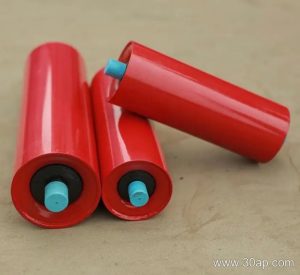
A dustproof and waterproof idler is a sealed conveyor roller built to keep fine particles and moisture away from the bearing cavity. In a quarry, cement plant, or coal handling system, dust and water are two of the most common causes of premature roller failure. This idler roller uses a multi-stage sealing arrangement so the bearing grease stays clean and the rotating parts keep turning freely. The same sealing principle applies whether the roller is a troughing idler on the carrying side or a return idler under the belt.
How the Sealing System Is Built
The sealing design usually combines a labyrinth path with a contact lip seal and a protective outer cap. The labyrinth creates a tortuous route that slows dust ingress, while the lip seal wipes the shaft. A dustproof and waterproof idler may also use a grease-filled end cap to further block water. The roller shell is often made from steel tube, and the shaft is machined to hold the bearing in a stable position. Common bearing numbers include 6204, 6205, 6305, 6306, 6308, and 6310, selected according to load and speed rather than a fixed rule tied to one diameter.
Where It Fits on the Conveyor
These idlers are used in applications where the conveyor belt is exposed to rain, washdown, or heavy dust. Examples include:
- Sand and gravel pits with wet screening areas
- Cement plants where limestone dust is present
- Coal preparation plants with spray suppression
- Power station coal handling yards
- Iron ore and copper concentrator circuits
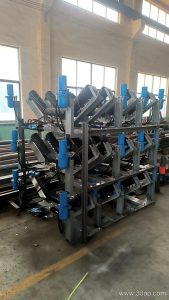
On a typical conveyor, the dustproof and waterproof idler appears as a troughing roller set, a transition idler near the loading point, or a return roller. It is not a substitute for a drive pulley, tail pulley, or bend pulley; those are different components with different functions. A conveyor pulley drives or redirects the belt, while an idler roller supports it.
Common Sizes and Configurations
Roller diameter and belt width are matched to the conveyor design, not to a single universal rule. The table below shows common reference values for roller diameter, belt width, and trough angle. These are examples and should be confirmed against the actual conveyor specification.
| Roller Diameter (mm) | Common Belt Width | Trough Angle |
|---|---|---|
| Ø63, Ø76, Ø89 | B400, B500, B650 | 20°, 30° |
| Ø102, Ø108, Ø127 | B800, B1000, B1200 | 30°, 35° |
| Ø133, Ø159, Ø178 | B1400, B1600, B1800 | 35°, 45° |
| Ø194, Ø219 | B2000, B2200, B2400 | 35°, 45° |
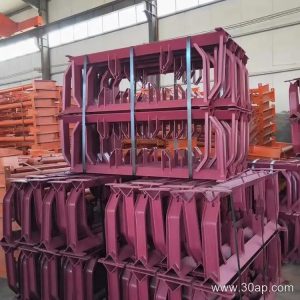
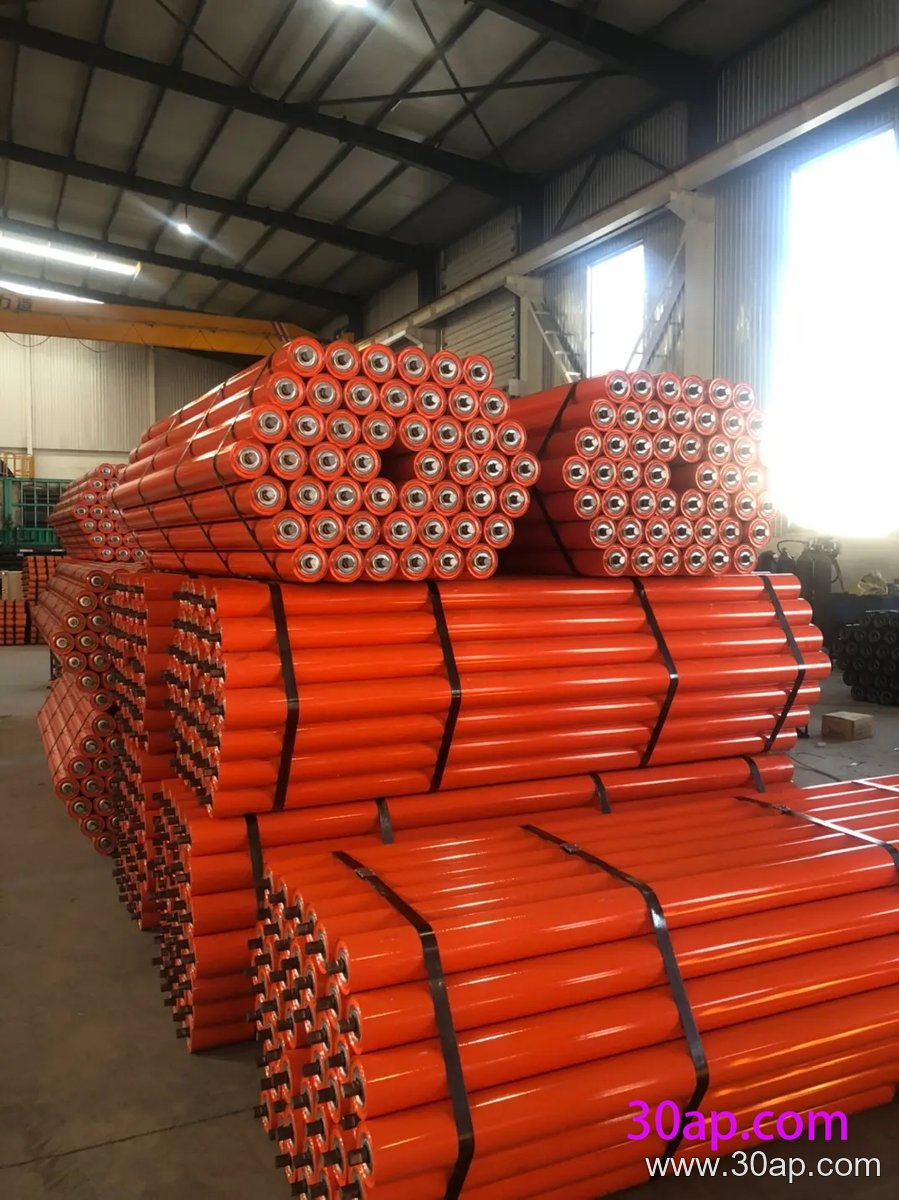
Roller length varies with belt width and idler group form. For a three-roll troughing set, common roller lengths are about 200 mm for B500, 250 mm for B650, 315 mm for B800, 380 mm for B1000, 465 mm for B1200, 530 mm for B1400, 600 mm for B1600, 670 mm for B1800, and 750 mm for B2000. Side rollers and center rollers can differ. These are typical examples, not a fixed pairing.
Materials and Surface Options
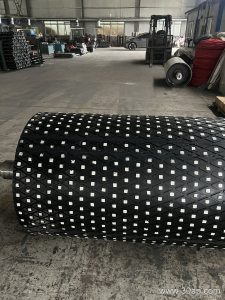
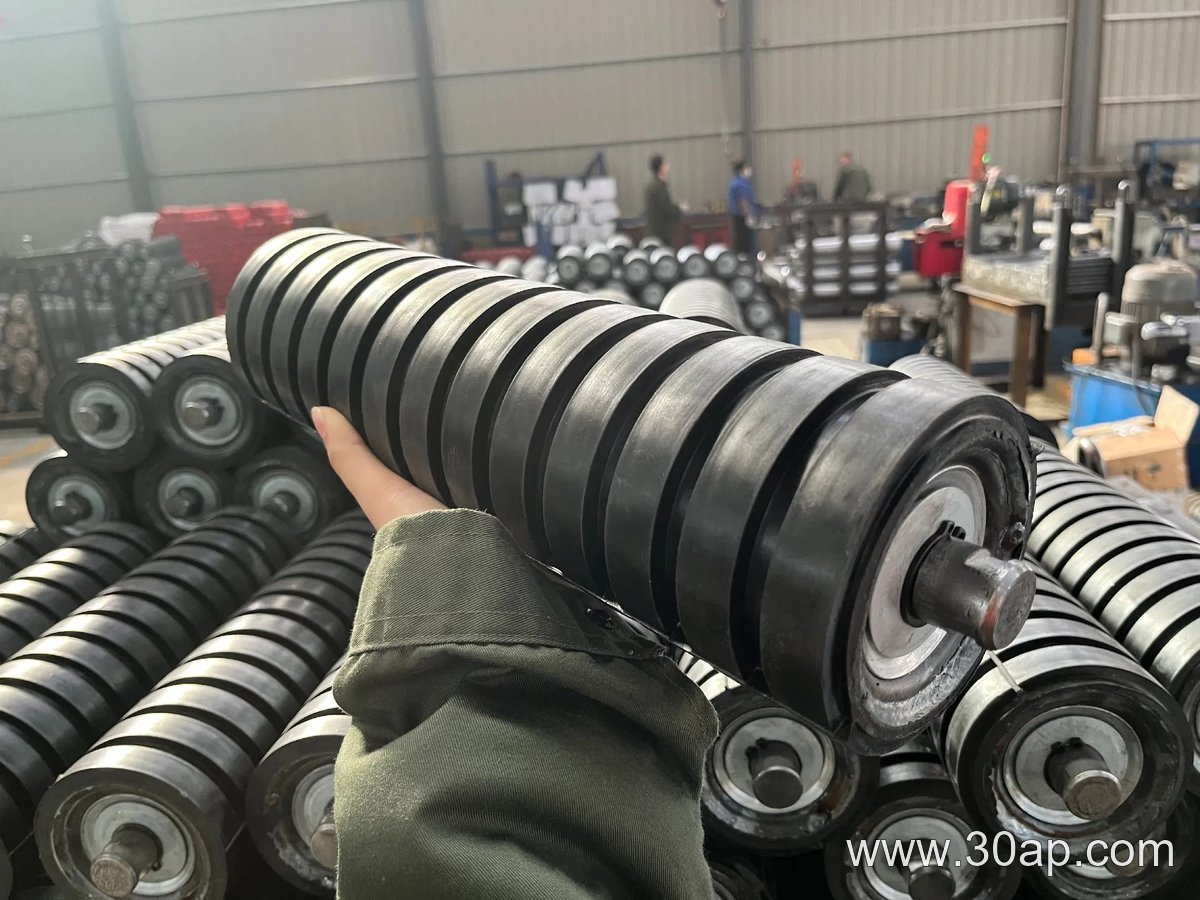
The roller surface can be steel tube, nylon, ceramic, or rubber rings. Rubber rings are often chosen for impact zones, while ceramic or nylon may be used where abrasion is high. A dustproof and waterproof idler can also be supplied with a flat or V-shaped return configuration. For belt training, a self-aligning idler may be considered, but it serves a different purpose than the sealed roller discussed here.
What Buyers Should Check
Before ordering, confirm the belt width, trough angle, roller diameter, and shaft end type. Check the bearing size and sealing class, and verify that the idler will fit the existing conveyor bracket. Ask how the seal performs under water spray and fine dust, and whether the roller is balanced for the intended belt speed. A dustproof and waterproof idler is not a single-size item; it is a specification-driven component. The right choice depends on the conveyor layout, the material being handled, and the environment.