Understanding the Stone Crushing Conveyor Belt
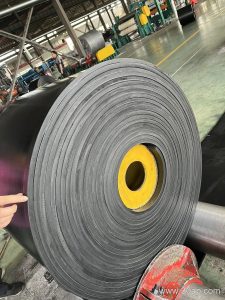
A stone crushing conveyor belt is the heavy-duty rubber or polymer loop that moves blasted rock, crushed aggregate, and screened stone between primary, secondary, and tertiary crushers. In a quarry or sand and gravel plant, this belt is the continuous link between a jaw or impact crusher, a screen deck, and the stockpile. Unlike a general-purpose belt in a cement plant or power station, the stone crushing conveyor belt must survive sharp edges, impact loading, and abrasive dust while keeping a steady flow from the mine pit to the loadout area.
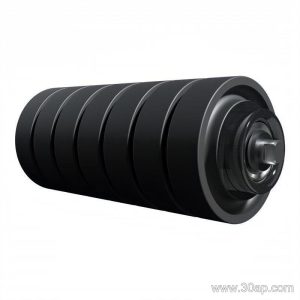
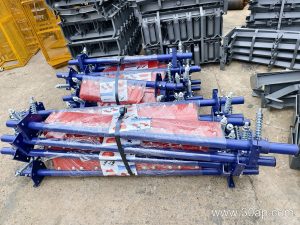
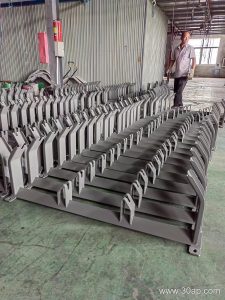
The same product is also called a crusher conveyor belt or an aggregate conveyor belt. It is built around a carcass that carries tension, covered by rubber layers that protect the carcass from wear. The belt runs over a conveyor pulley at the drive end, a tail pulley at the loading end, and bend pulleys along the route, while idler rollers support the loaded strand.
Construction and Common Specifications
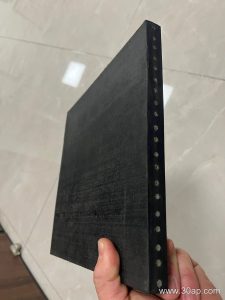
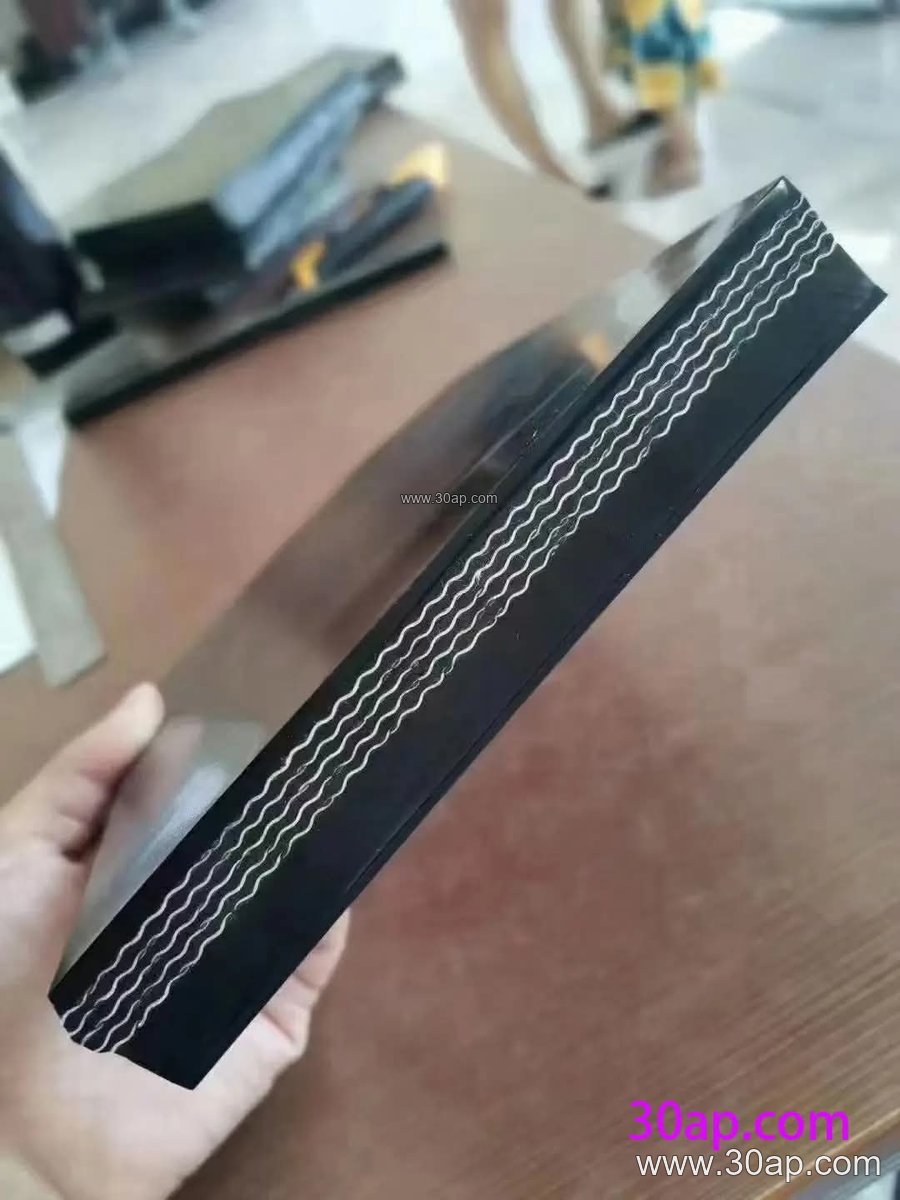
The carcass usually uses EP fabric (polyester warp, nylon weft) or NN nylon fabric, with steel cord construction available for very long, high-tension runs. Cover rubber grades are selected for the job: abrasion-resistant for hard rock, heat-resistant near hot clinker or dried aggregate, oil-resistant where lubricants drip, and flame-retardant or anti-static grades for coal handling and enclosed transfer houses.
Typical reference data for a stone crushing conveyor belt includes:
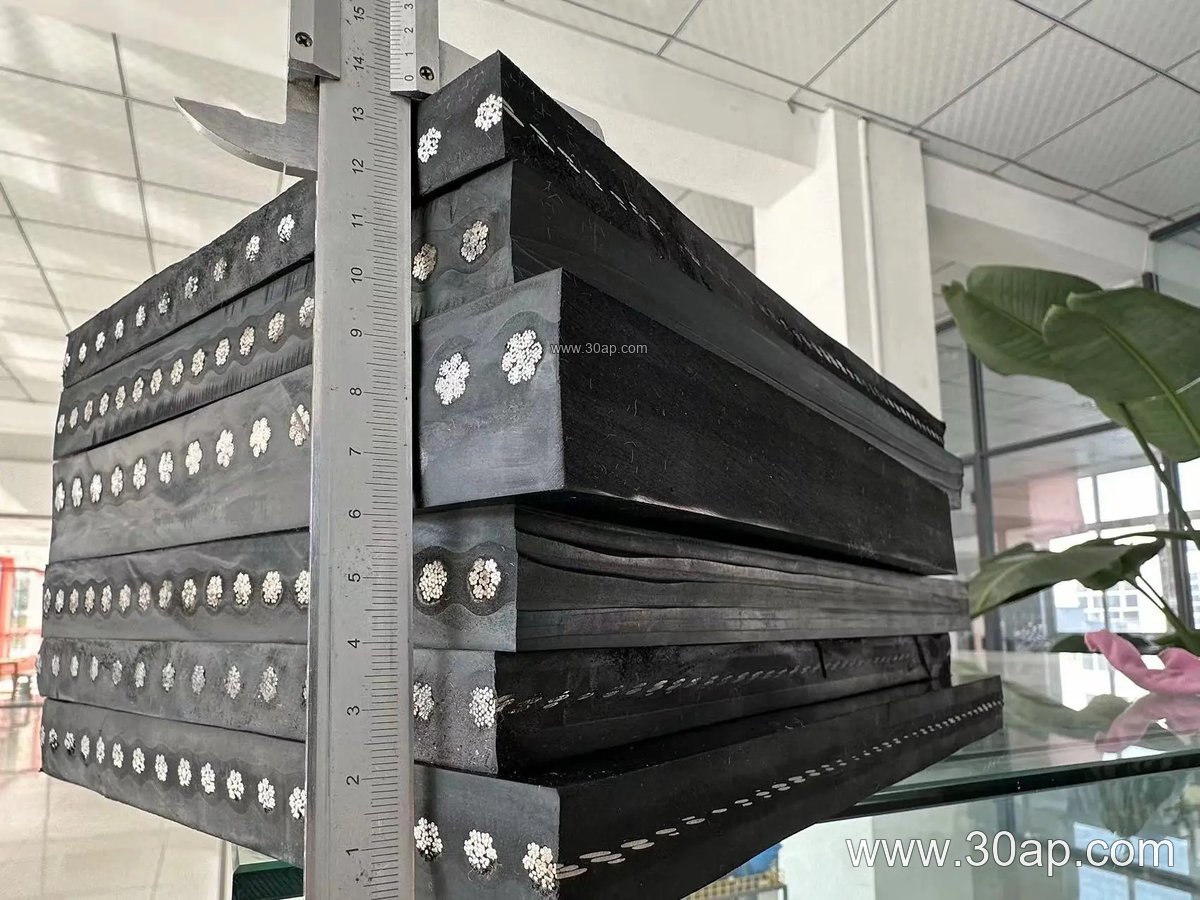
| Parameter | Common reference values |
|---|---|
| Belt width | B500, B650, B800, B1000, B1200, B1400, B1600 |
| Strength grade | EP200, EP315, EP400, EP500, EP630, EP800 |
| Cover thickness (top + bottom) | 4+2 mm, 5+2 mm, 6+2 mm, 8+3 mm |
| Carcass layers | 2 to 6 plies, depending on tension |
| Surface form | Plain, patterned, or with sidewalls |
These values are reference points, not universal rules. A quarry feeding a primary crusher may use a wider belt with thicker covers, while a short transfer belt after a screen may use a narrower, lighter construction. Belt width and pulley diameter are matched by design calculation, not by a fixed table.
Where It Is Used
In a hard-rock quarry, the stone crushing conveyor belt carries run-of-mine material from the hopper to the primary jaw crusher, then moves crushed stone to a cone or impact crusher. In a sand and gravel pit, it transports washed aggregate to a radial stacker. In a cement plant, similar belts feed limestone to the raw mill, while in a coal mine they move ROM coal to the preparation plant. Power stations use them for fuel and ash handling. Each of these industries selects cover grade and carcass strength to suit the local conditions.
Buyer Checklist
- Material and lump size. State the rock type, maximum lump size, and drop height at the loading point. Sharp, heavy lumps require impact idlers and adequate cover thickness.
- Capacity and speed. Provide the required tonnes per hour and the planned belt speed so the belt width and strength can be checked.
- Belt grade. Confirm whether abrasion resistance alone is enough, or whether heat, oil, flame, or anti-static properties are needed.
- Pulley and idler details. Share the drive pulley, tail pulley, and bend pulley diameters, plus idler roller spacing and trough angle. These affect belt training and splice design.
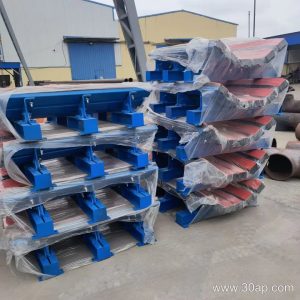
- Support structure. Confirm conveyor bracket dimensions and transition distances so the belt does not over-stress at the crusher discharge.
- Splice and maintenance. Ask about splice type and expected cover wear so spare belt and pulley lagging can be planned.
A well-matched stone crushing conveyor belt keeps a crushing circuit running without spillage or premature cover failure. The right choice comes from matching carcass strength, cover grade, and belt width to the actual duty, not from copying a neighbour’s specification.