Why the Right Conveyor Belt Defines Your Throughput
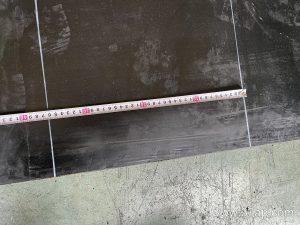
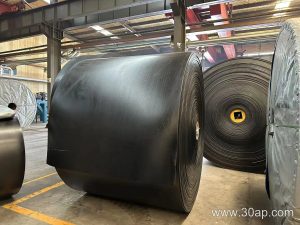
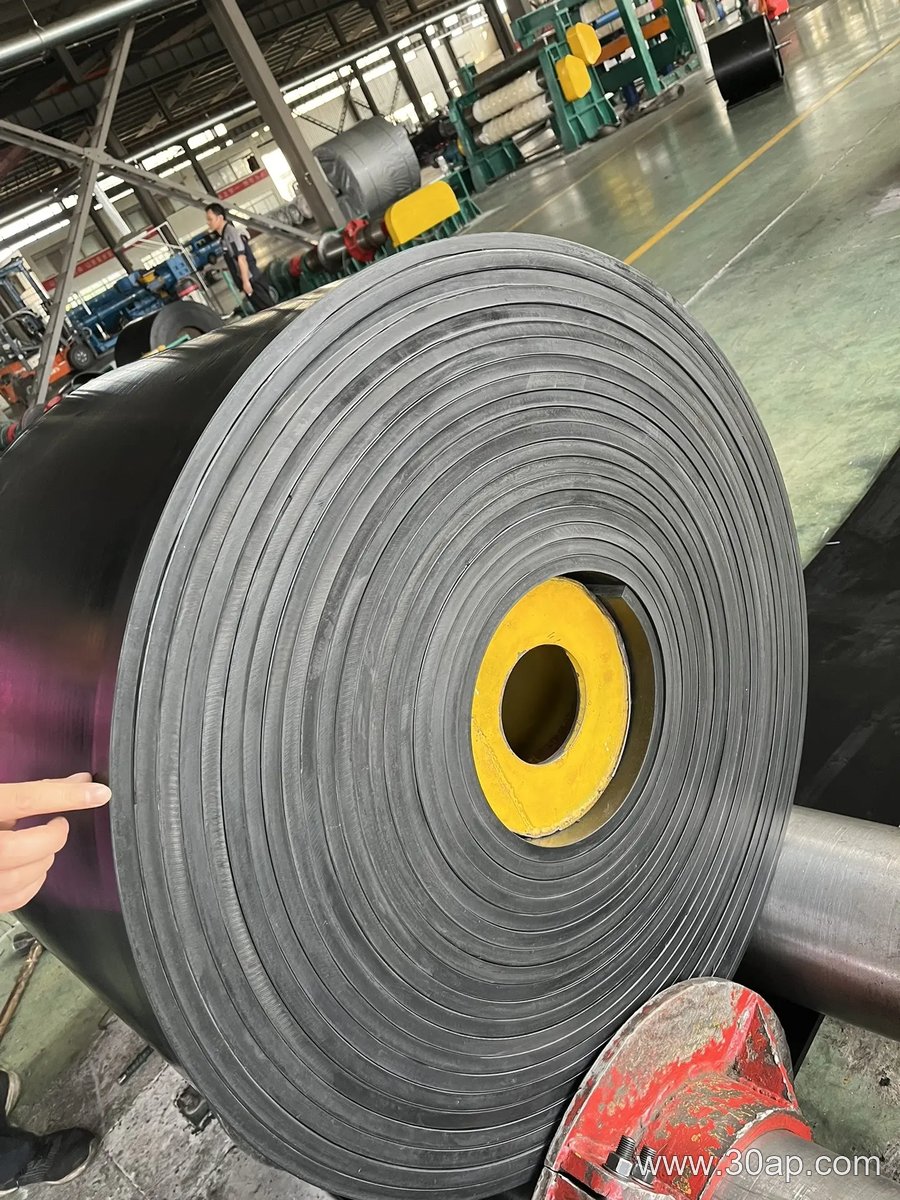
The conveyor belt is the silent workhorse of any material handling system. Its surface, core, and splice determine uptime more than any motor or drive. Choosing incorrectly leads to premature wear, product damage, and costly stoppages.
Core Factors to Evaluate Before Purchase
- Material carried: Sharp or hot loads demand rubber or steel-cord belts, while food requires FDA-grade urethane.
- Tension and load: Calculate peak belt tension in kN/m; never guess based on average weight.
- Environmental exposure: Oil, ozone, or UV light dictate the compound—nitrile or EPDM are common answers.
Profile Styles and Their Main Uses
Flat belts suit general transport; chevron profiles handle inclines above 15 degrees; cleated edges prevent spillage on curved paths. For accumulation, low-friction covers reduce back pressure.
Purchasing Advice for Long-Term Value
- Request splice kits and training guides from the same manufacturer.
- Specify belt thickness and carcass type (polyester/nylon vs. aramid) based on pulley diameter.
- Ask for elongation at break data—stay below 1% for automated indexing systems.
- Always order a spare length equal to 10% of your conveyor’s total loop.
Verify that the belt’s operating range matches your ambient extremes—a cold warehouse can stiffen PVC, while high heat softens rubber. Finally, test a sample short loop under real load before committing to a full roll.
Idler Roller Fundamentals for Industrial Buyers
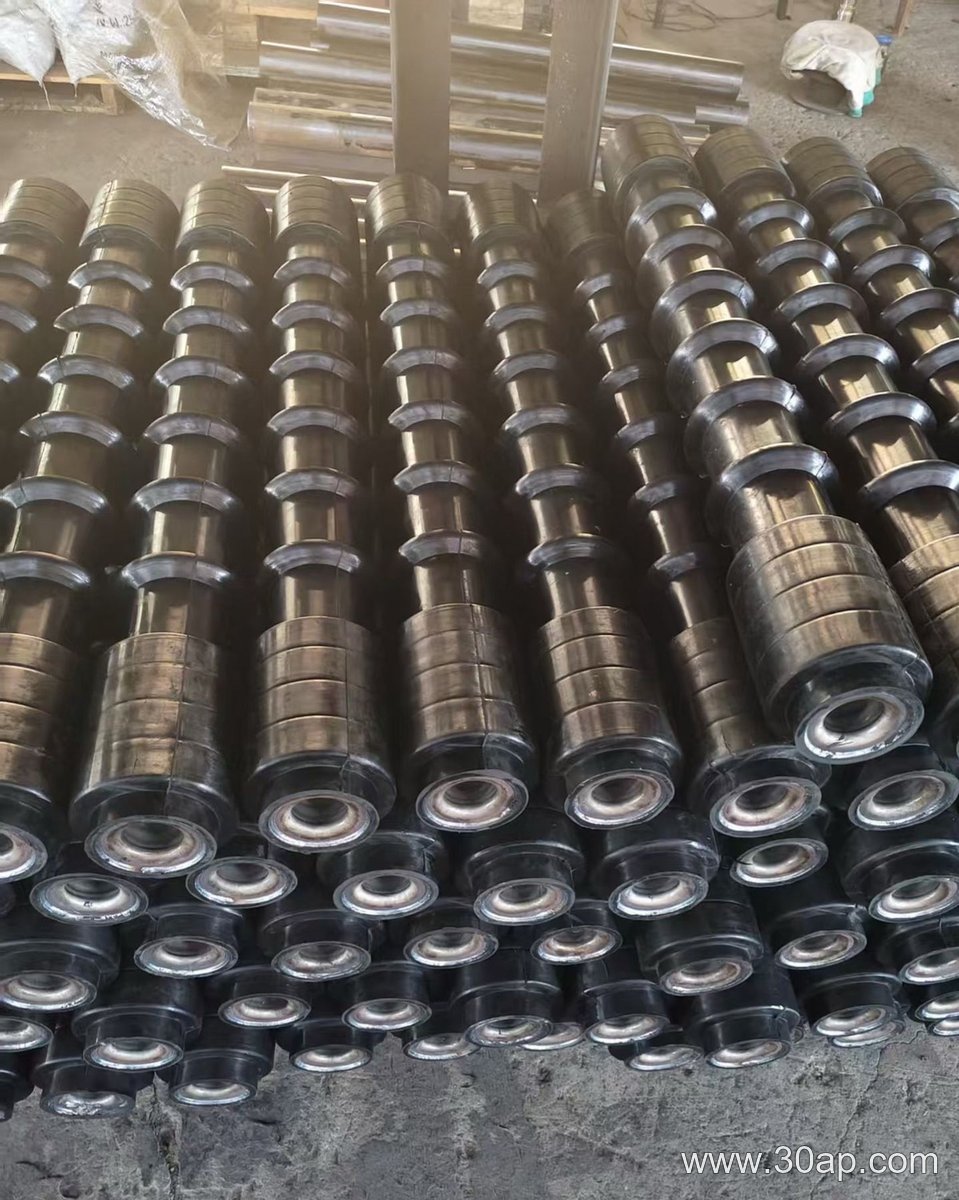
The idler roller is the backbone of any bulk material handling system, supporting the belt and cargo while minimizing friction and misalignment. Selecting the correct type directly impacts downtime, energy consumption, and belt wear.
Key Selection Criteria
- Load rating: Match the roller’s dynamic capacity to your peak tonnage, not average throughput.
- Belt speed: Higher speeds require precision-balanced rollers to reduce vibration and noise.
- Sealing system: For dusty or wet environments, choose labyrinth or contact seals with proper grease retention.
Material and Design Choices
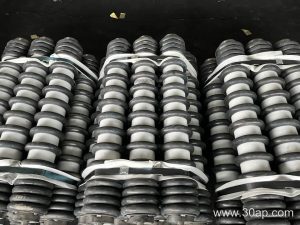
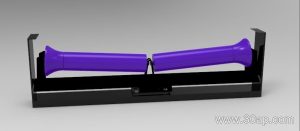
Steel idler rollers offer strength for heavy loads, while HDPE or nylon variants suit corrosive or food-grade applications. Tapered rollers are ideal for curve sections, and impact idlers at loading zones absorb shock.
Purchasing Advice
- Verify shaft end type (round, square, or threaded) fits your existing frame.
- Specify roller diameter and wall thickness based on belt width and sag limits.
- Request test reports for runout, radial load, and rotation resistance.
- Consider lifecycle cost—cheaper rollers often fail faster, raising maintenance expenses.
Always compute the required idler spacing per CEMA standards, and ask suppliers about lead times and warranty terms. A well-chosen idler roller ensures smooth operation for years.
Why the Conveyor Pulley Is the Heart of Your Belt System
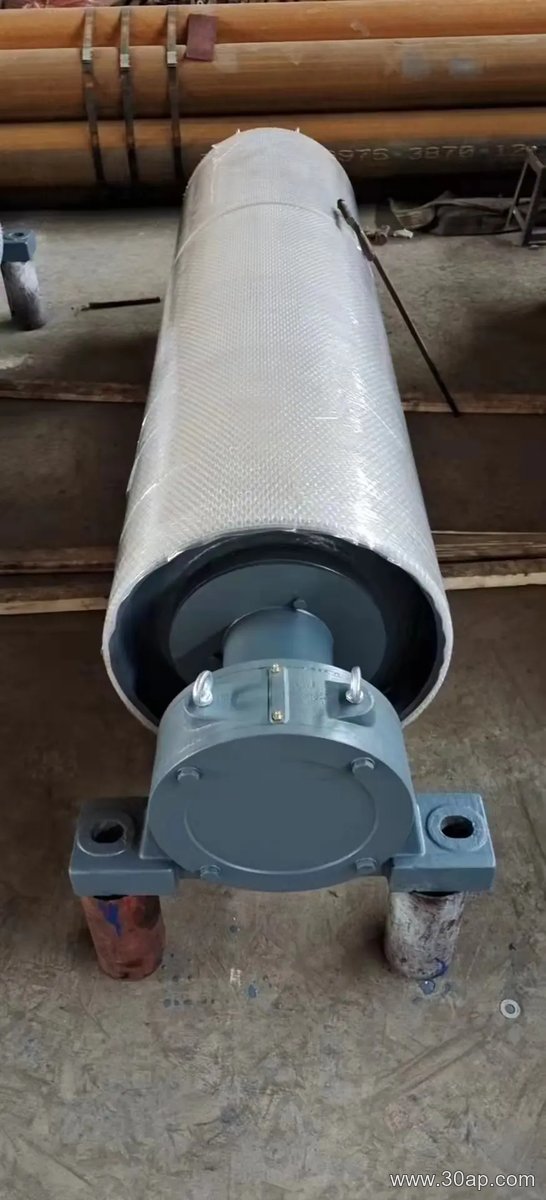
The conveyor pulley is the critical rotating component that drives, tensions, and redirects the belt. Its performance dictates uptime, belt life, and energy efficiency. Choosing the wrong pulley leads to slippage, misalignment, and premature failure.
Key Types and Their Roles
- Drive pulley: Transfers motor torque via lagging; choose for high friction and wear resistance.
- Tail pulley: Provides return tension; often features self-cleaning wings for sticky materials.
- Snub and bend pulleys: Increase belt wrap angle; needed for steep inclines or tight transfers.
Material and Design Decisions
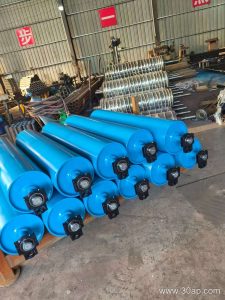
Steel pulleys suit general use; stainless or rubber‑lagged versions handle corrosive or wet environments. Check shaft diameter, hub type, and crown profile—crowned or flat, depending on belt tracking needs. Always verify the pulley’s face width exceeds belt width by 100–150 mm.
Selection and Purchasing Advice
- Calculate required shaft load using belt tension and wrap angle—never guess.
- Specify lagging thickness (8–15 mm) and pattern (diamond or herringbone) for drive traction.
- Ask for dynamic balancing certificates for speeds above 3 m/s.
- Request finite element analysis (FEA) reports for heavy-duty or high-cycle applications.
- Compare total cost: a cheaper pulley with weak bearings can double downtime costs.
Finally, order spare bushings and lagging kits with the pulley—they extend service life and cut future procurement delays.
Why the Conveyor Bracket Matters More Than You Think
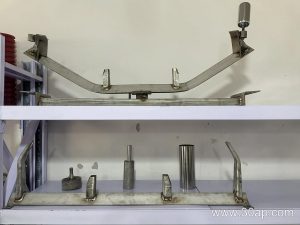
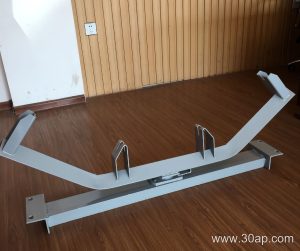
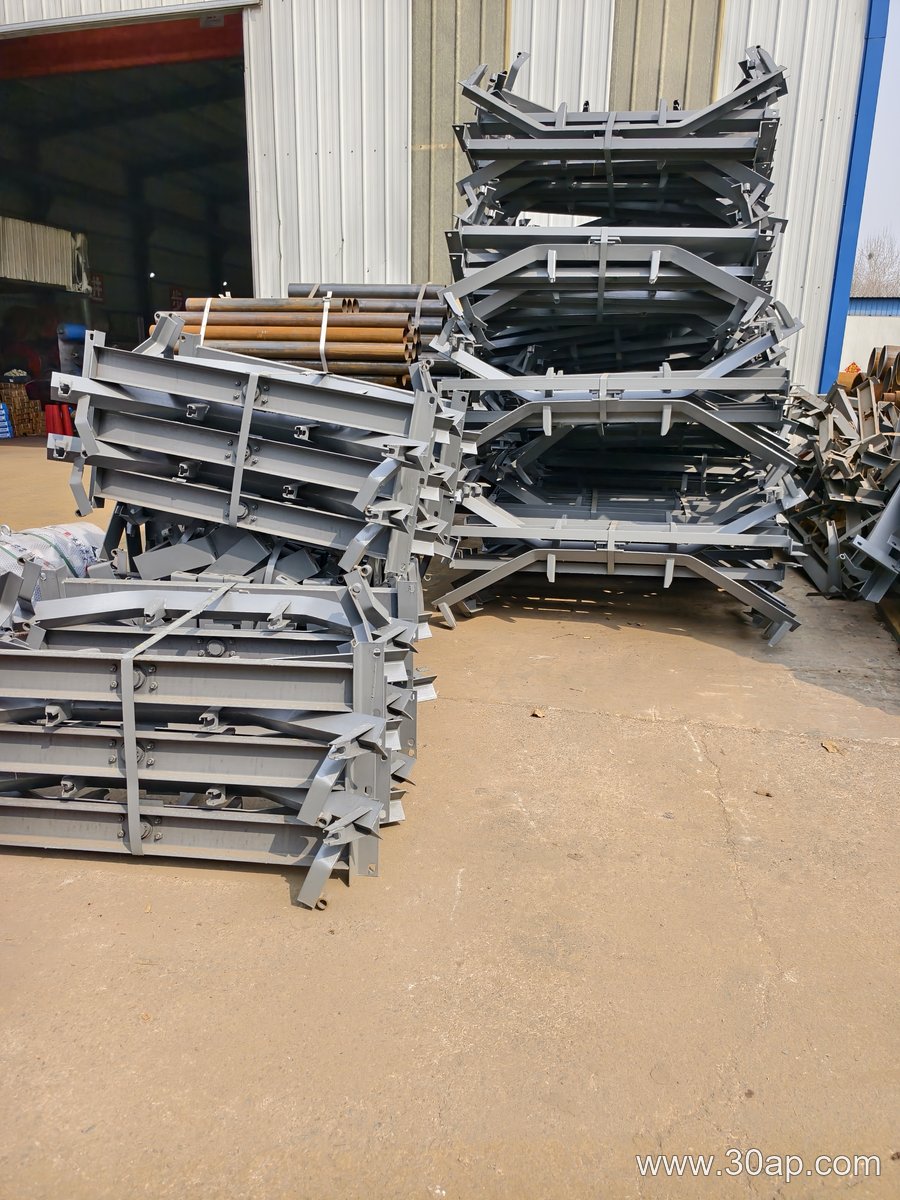
The conveyor bracket is the unsung structural hero of any bulk handling line. It secures idler rolls, absorbs dynamic shock, and maintains belt alignment under continuous load. A poorly chosen bracket leads to vibration, premature roller wear, and costly downtime.
Key Selection Criteria for Industrial Buyers
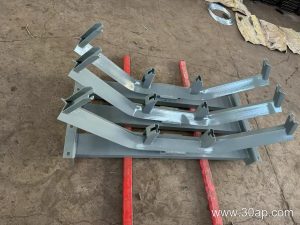
- Material grade: Choose galvanized steel for corrosive environments or stainless steel for food-grade and washdown applications.
- Load rating: Match the bracket’s static and dynamic capacity to your peak belt tension and lump size.
- Slot geometry: Verify that bolt holes and base plates align with your existing frame—universal slotted brackets ease retrofit.
Purchasing Advice and Common Pitfalls
Always request dimensional drawings and test certificates. Avoid universal brackets for heavy-duty mining; instead, specify reinforced gussets and thicker flanges. Check weld quality and powder coating thickness (minimum 80 microns) to prevent early rust. For quick maintenance, buy brackets with interchangeable wear liners. Finally, stock spare brackets for your critical transfer points—lead times from overseas can exceed eight weeks.