Understanding the Conveyor Bracket’s Role
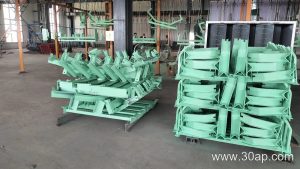
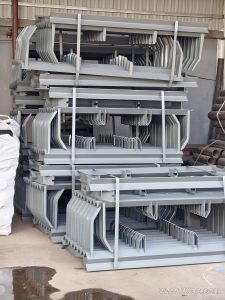
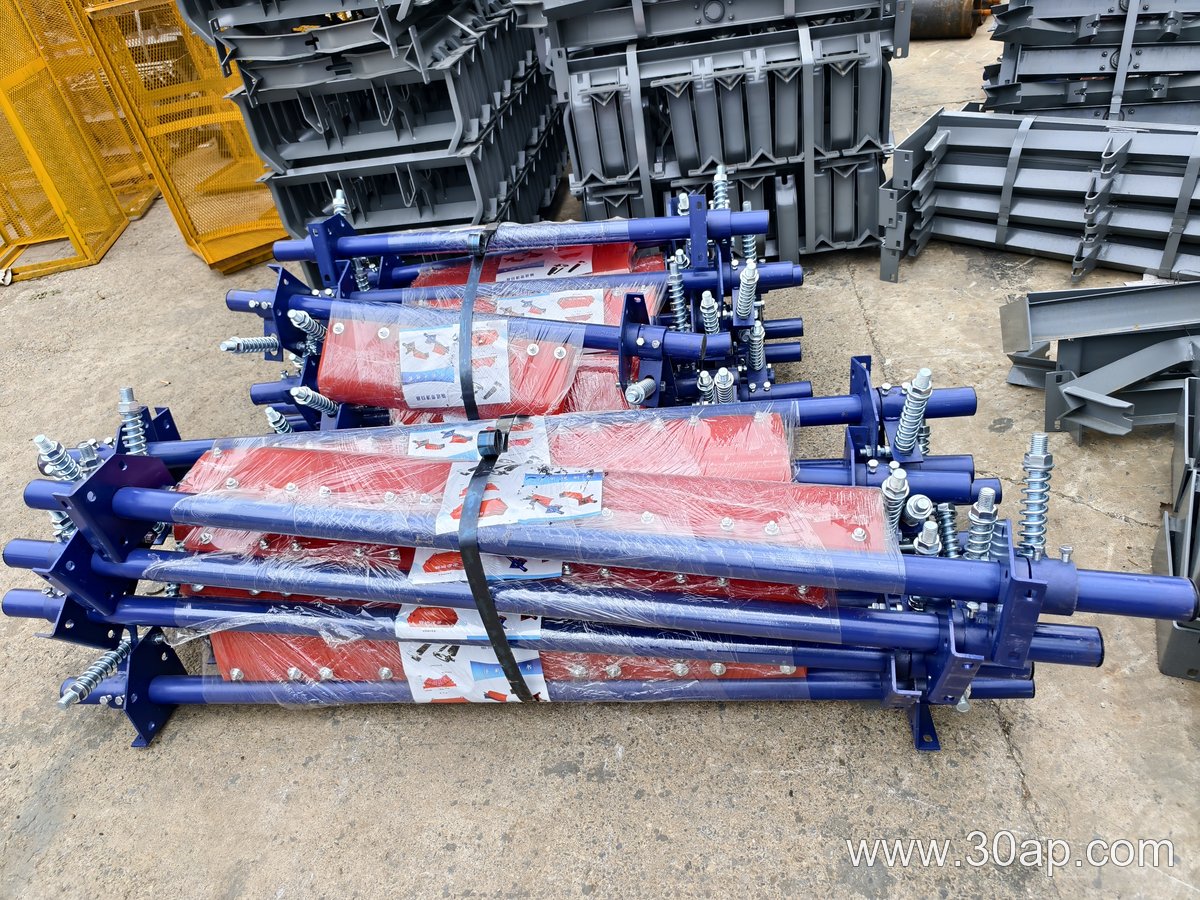
The conveyor bracket is the silent load-bearing link between your belt or roller line and the supporting structure. A weak or misaligned bracket causes vibration, belt drift, and premature component failure.
Key Selection Criteria
- Material grade: Choose galvanized steel for corrosive environments, stainless for food-grade or washdown areas, and powder-coated carbon steel for dry indoor lines.
- Load rating: Verify the bracket’s dynamic load capacity exceeds your peak product weight by at least 25%.
- Adjustability: Slotted or multi-hole brackets allow quick angle and height tuning on-site.
Purchasing Advice
Always measure the conveyor frame’s bolt pattern and rail width before ordering. Request a sample bracket for a trial fit, and confirm that fasteners are included or specify grade 8.8 bolts separately. For curved or inclined conveyors, select brackets with reinforced gussets to resist lateral torque.
The Conveyor Belt as the Backbone of Material Flow
Every production line depends on the conveyor belt to move bulk goods reliably, yet selecting one is often reduced to price. A poor match causes downtime, spillage, and premature wear.
Key Selection Criteria
- Assess load weight and impact zones to determine belt carcass strength (e.g., EP or steel cord).
- Match cover rubber grade to the material: abrasion-resistant for ore, oil-resistant for food processing.
- Check operating temperature range—standard belts fail above 80°C; use heat-resistant compounds.
Practical Purchasing Advice
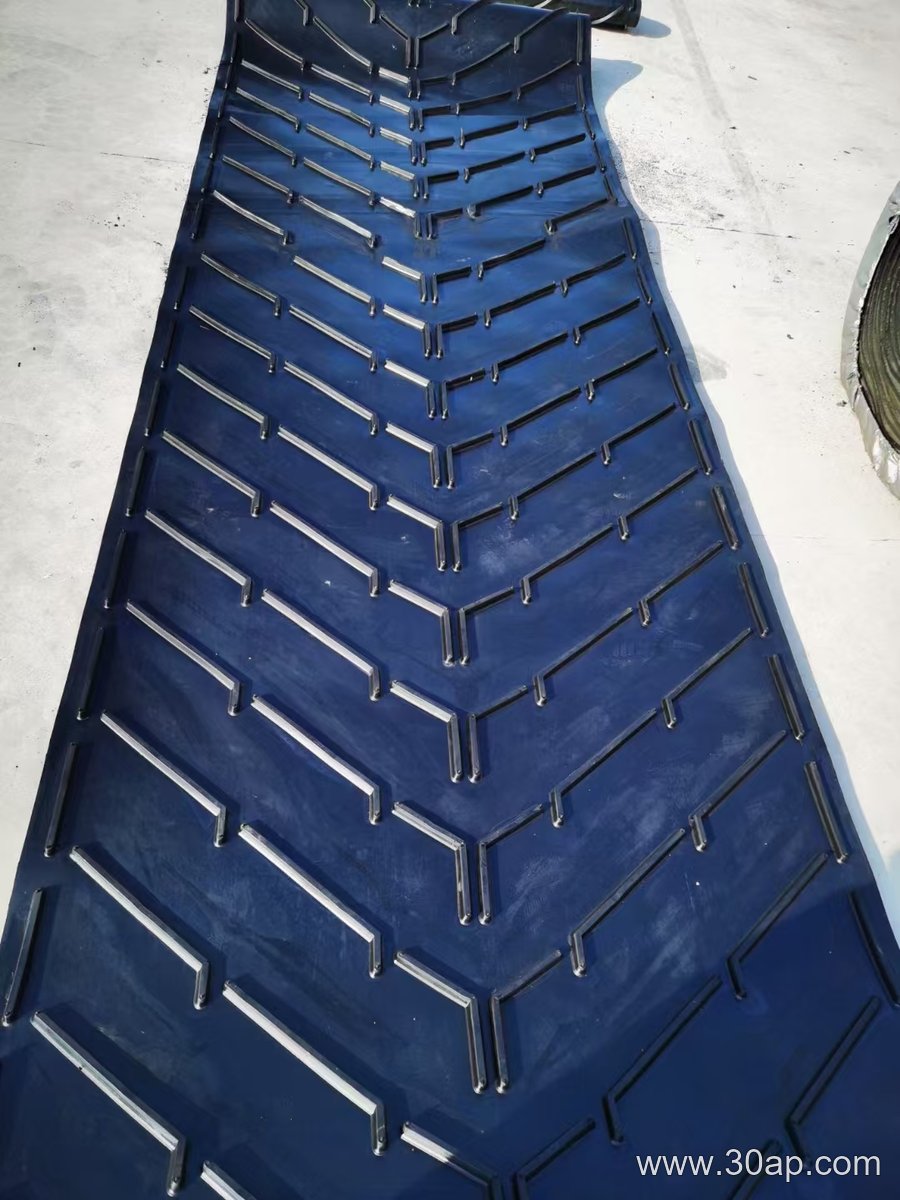
Request splice kits and training from your supplier. Always measure belt width, length, and pulley diameter against your existing frame. For inclined systems, choose a chevron or textured top to prevent backsliding. Finally, verify that the belt meets local safety standards for static conductivity in explosive environments.
Why the Idler Roller Determines Your Conveyor’s Lifespan
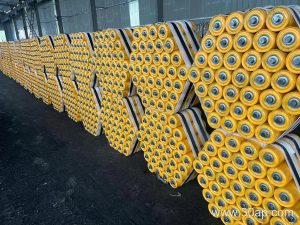
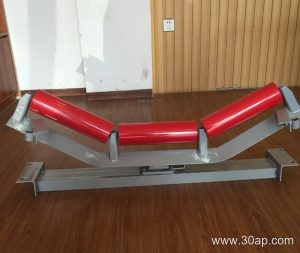
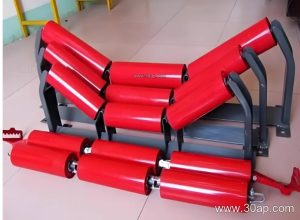
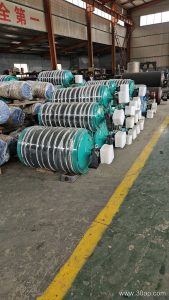
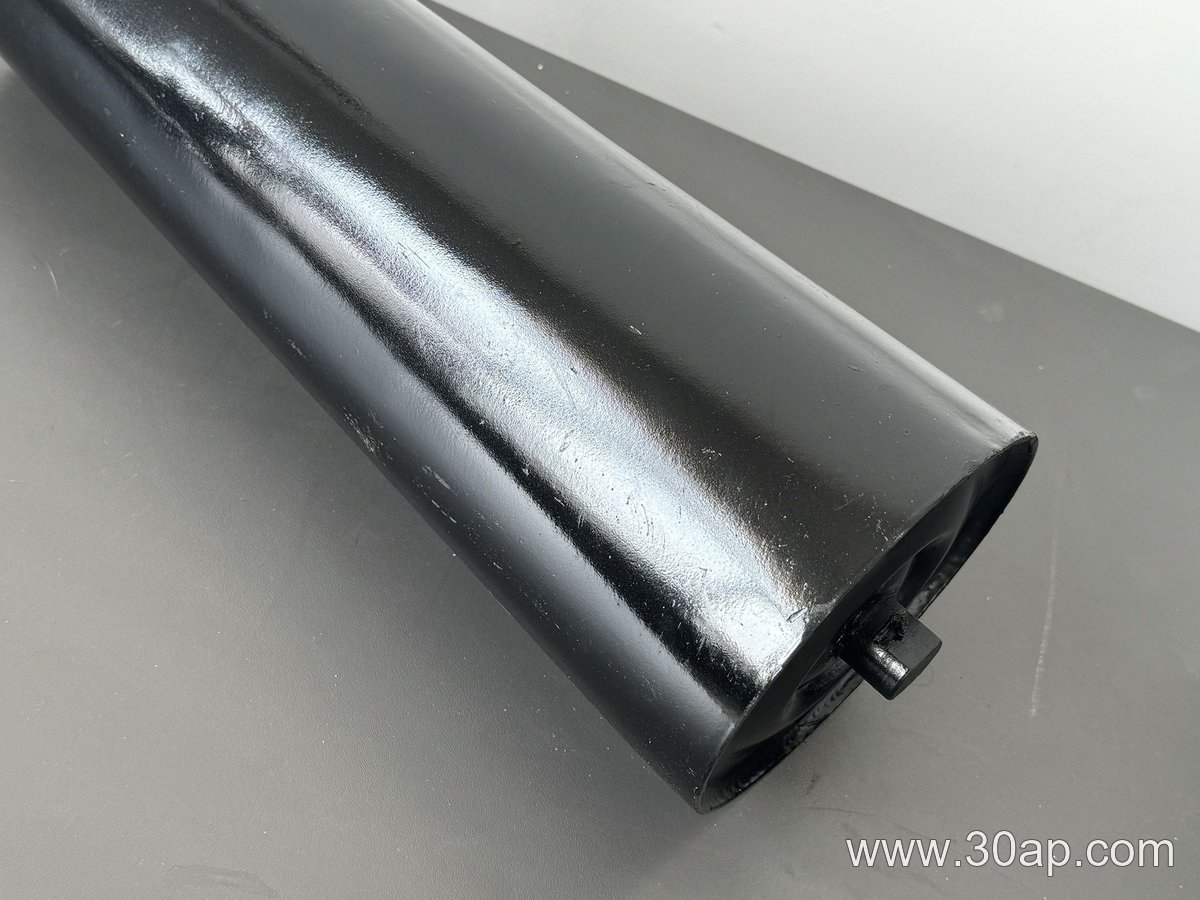
The idler roller is not a passive component—it directly affects belt tracking, energy consumption, and maintenance frequency. Choosing the wrong roller leads to premature belt wear and costly downtime.
Key Factors for Purchasing Idler Rollers
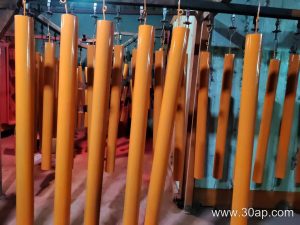
Evaluate your application’s load, belt speed, and environmental conditions before ordering. For abrasive or wet materials, specify sealed bearings and thicker tube walls.
- Trough angle: Standard 20°, 35°, or 45°—match to your belt’s load profile.
- Roller diameter: Larger diameters reduce belt sag and impact stress.
- Bearing type: Choose C3 clearance for high-speed lines; use labyrinth seals for dust.
- Frame material: Galvanized steel for indoor, stainless or composite for corrosive zones.
Practical Buying Advice
Measure the existing idler roller’s shaft length and mounting spacing exactly. Request a load test certificate from suppliers for critical installations. Always stock at least 2% spares per conveyor to avoid unplanned stoppages.
Conveyor Pulley: The Core of Material Handling Performance
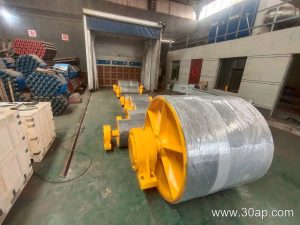
The conveyor pulley is far more than a rotating cylinder. It dictates belt tracking, tension distribution, and overall system efficiency. Selecting the wrong pulley leads to premature belt wear, downtime, and increased maintenance costs.
Key Factors in Pulley Selection
- Face width and diameter: Match the pulley face to belt width (typically 2–4 inches wider) and ensure the diameter meets the belt’s minimum bend radius to prevent stress cracking.
- Shaft and hub design: Verify shaft size against applied torque and load. Use keyed or locking assemblies (e.g., QD or Taper-Lock) for secure, concentric fit.
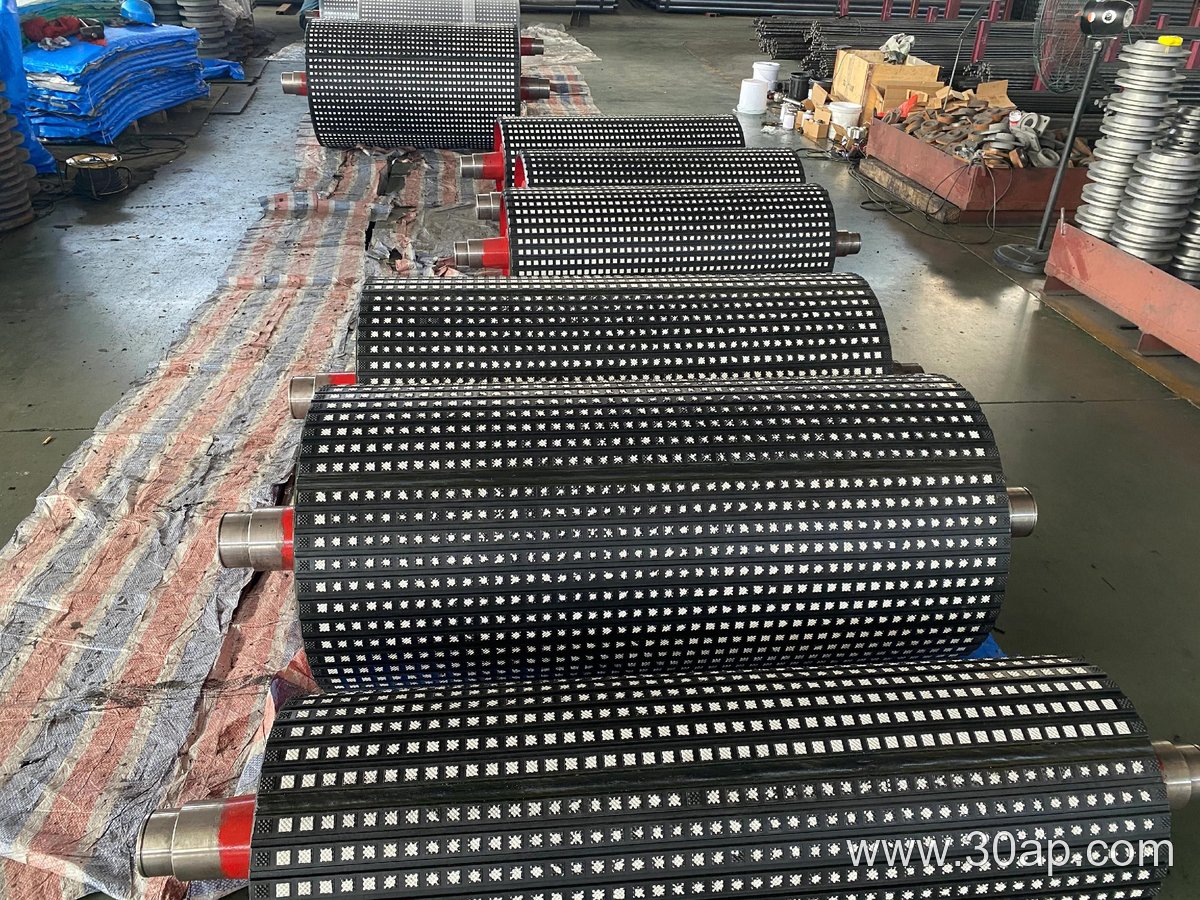
- Lagging type: Rubber lagging (ceramic or diamond groove) improves friction and self-cleaning; choose ceramic for high-grip, wet, or steep incline applications.
- Shell thickness and crown: A crowned face (0.5–1 mm across width) helps centralize the belt. Thicker shells (10–20 mm) resist impact at loading zones.
- Environmental resistance: Specify stainless steel or epoxy coatings for corrosive or washdown environments; use sealed bearings with proper grease fittings.
Purchasing Advice for Longevity
Always request the full engineering datasheet, including dynamic balancing grade (G6.3 or better for high-speed systems). Compare the total cost of ownership—not just initial price—by evaluating pulley life, lagging wear rate, and replacement ease. For critical conveyors, source pulleys with machined, not just rolled, shells to ensure true roundness. Finally, arrange for a trial fit with your existing hubs or bushings to avoid shaft mismatch.