What an Aggregate Conveyor Idler Does on a Belt Line
In a sand and gravel circuit, the belt itself does the carrying, but the idler roller underneath decides how smoothly that work happens. An aggregate conveyor idler is the rotating support that holds the conveyor belt in its running shape, carries the load of crushed stone or sand, and lets the belt travel with low resistance. On a long stacker or a short transfer belt, these idlers are the most numerous rotating parts, so their condition has a direct effect on belt tracking, energy use, and maintenance downtime. The same component is also called a belt conveyor idler or carrying idler, and the names refer to the same product.
Because aggregate is heavy and abrasive, the idler is selected less for appearance and more for load capacity, sealing, and how well it survives dust and fines. A quarry line moving 0 to 300 mm rock has different demands from a concrete batching plant handling fine sand, even when the belt width is similar.
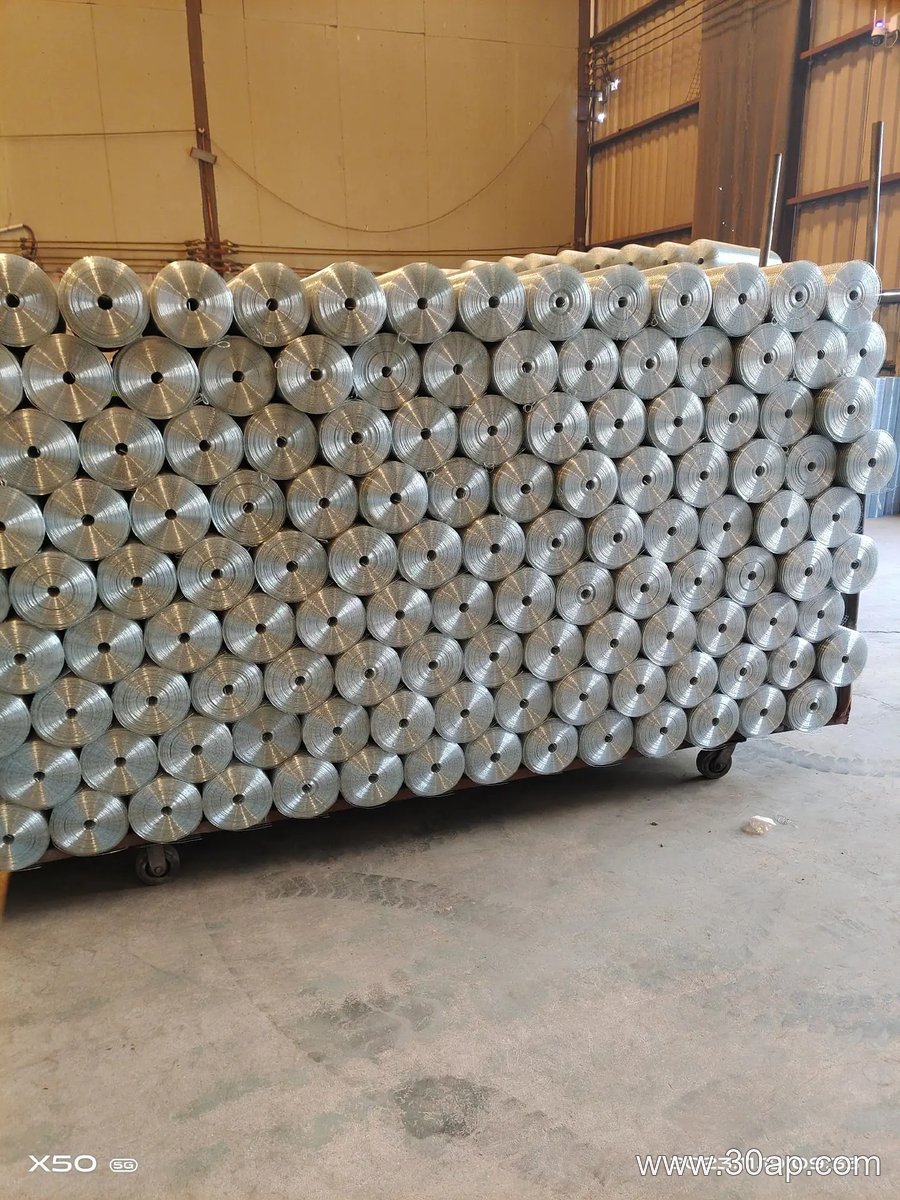
How the Idler Is Built
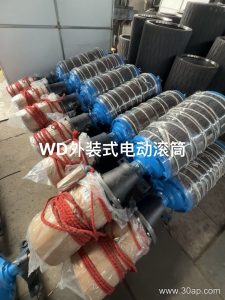
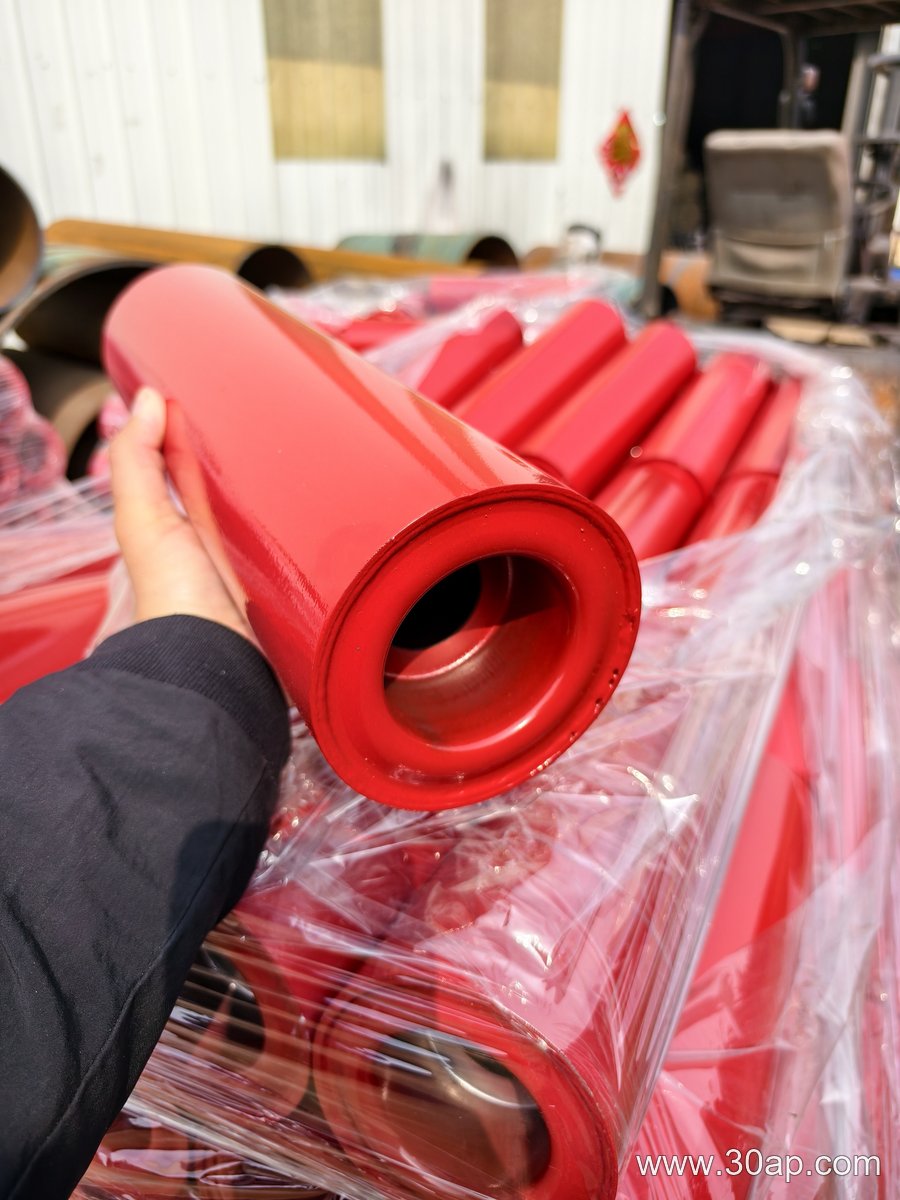
A typical unit is a steel tube with a shaft through the center, a bearing at each end, and a seal package to keep grit out. Roller surfaces are usually steel tube, but other options exist where buildup or wear is a concern:
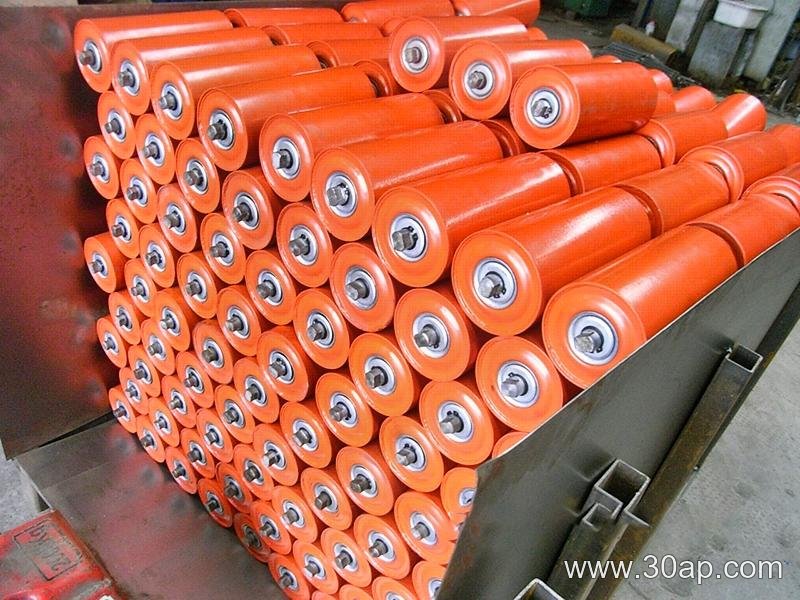
- Steel tube for general aggregate duty
- Rubber rings for impact zones under a crusher discharge
- Nylon or ceramic coatings in special wear situations
Common bearing sizes include 6204, 6205, 6305, 6306, 6308, and 6310. A larger bearing does not automatically follow from a wider belt; the shaft and housing are chosen together with the load and the idler frame. Roller diameter is usually selected from a range such as Ø63, Ø76, Ø89, Ø102, Ø108, Ø127, Ø133, Ø159, Ø178, Ø194, or Ø219, with larger diameters often used on heavy, high-tension belts and smaller ones on lighter lines.
Common Positions and Idler Groups
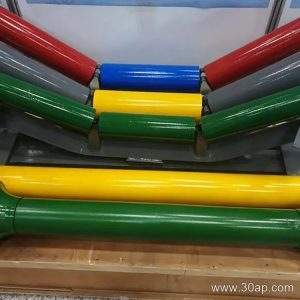
On the carrying side, a three-roll troughing set is the usual arrangement for aggregate, with a trough angle commonly at 20, 30, 35, or 45 degrees. A two-roll set appears on narrower belts or where material is fine. On the return side, a single flat roll, a V-return roll, or a spiral roll helps shed sticky fines. Training idlers, including friction and tapered types, are used where the belt tends to wander. Impact idlers with rubber rings sit below the loading point to absorb the fall of rock.
Roll length changes with belt width, trough angle, and group type, so the side rolls and center roll can differ. As a rough reference, a B800 three-roll troughing set often uses rolls around 315 mm long, while a B1200 set may use rolls near 465 mm. These are examples only; the correct length comes from the frame design, not from a fixed pairing rule.
Where Aggregate Idlers Are Used
You will find them through the whole size-reduction and stockpiling chain. In a limestone quarry, troughing idlers carry run-of-mine rock from the primary crusher to the screen. In a concrete mixing plant, smaller-diameter idlers handle sand and fine aggregate on short belts. A tunnel muck line or a coal yard uses similar hardware, though the sealing and roller surface may differ with the material.
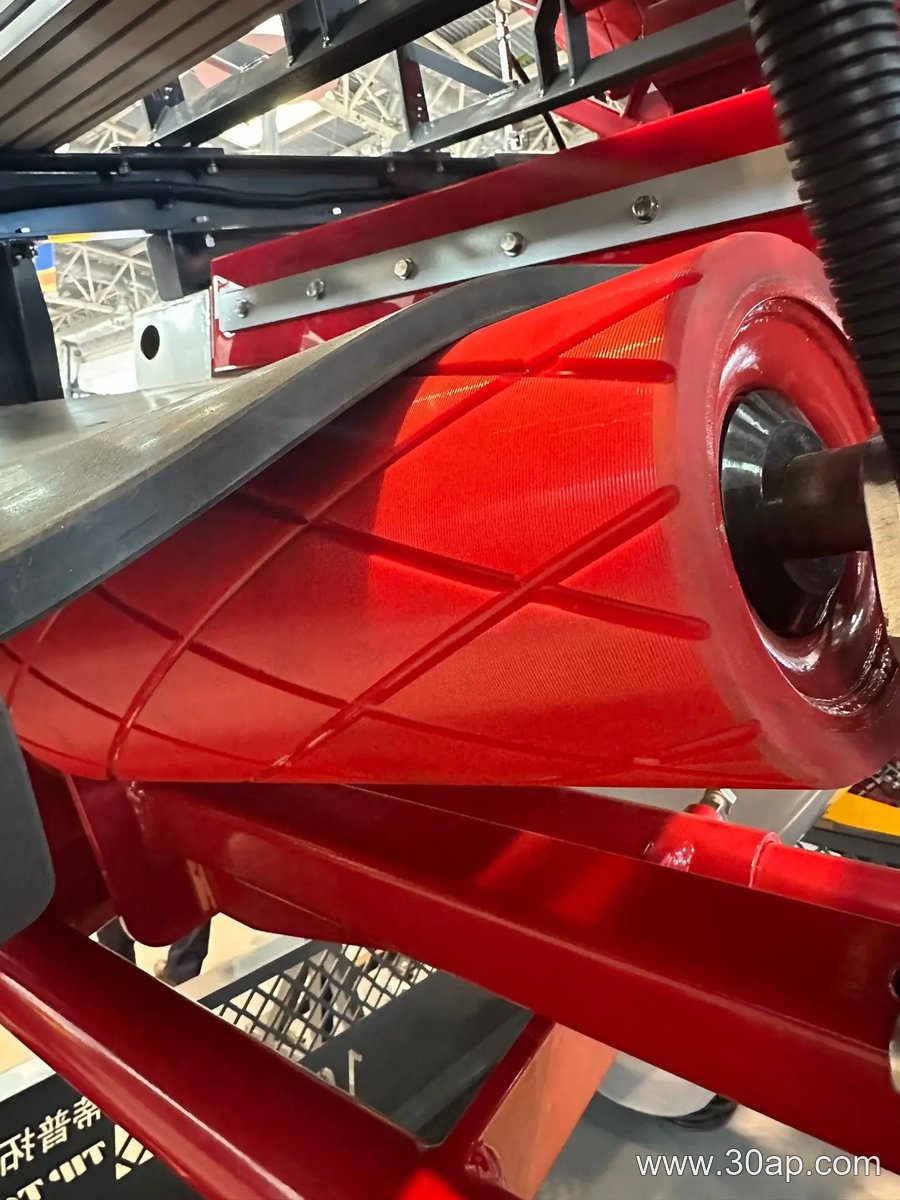
Whatever the site, the idler must match the belt, the frame, and the duty. The idler roller is not the same as the conveyor pulley at the head or tail. Drive, tail, and bend pulleys transmit power and change belt direction, while idlers only support the belt. Conveyor brackets and the idler frame hold the rolls at the chosen angle, and a worn bracket can misalign a good roll.
What to Check Before Buying
Buyers should confirm belt width, trough angle, roll diameter, shaft size, and frame fixing dimensions before ordering. Belt width alone does not fix pulley diameter or shaft diameter, and one belt width can accept more than one idler size depending on load and speed. It also helps to state the material, the tonnage, and whether the position is carrying, return, or impact.
Maintenance matters as much as the initial choice. Seized bearings, damaged seals, and worn tubes are the usual failure points. Keeping the belt centered, replacing damaged rolls early, and checking that brackets are tight will extend service life far more than any single specification. For a busy quarry or sand plant, a small stock of common rollers in the sizes actually used on site is often more useful than a wide catalog of parts that never get fitted.