What a High Temperature Conveyor Belt Does
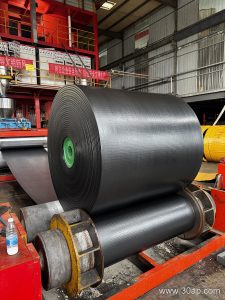
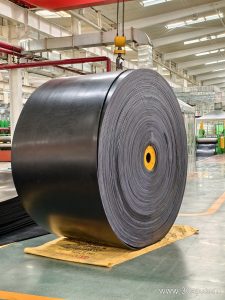
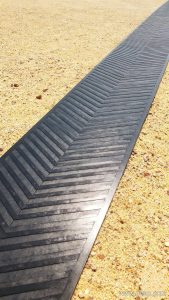
A high temperature conveyor belt is a heat-resistant rubber belt designed to carry hot materials such as cement clinker, sinter, coke, foundry sand, ash and slag. In cement plants, power stations, mines, coal preparation plants and sand and gravel yards, the belt often works directly behind a kiln, cooler or crusher, where surface temperatures stay high for long periods. The belt must resist heat ageing, maintain its tensile strength and keep a stable tracking path on the conveyor pulleys.
The heat-resistant conveyor belt is not the same as a general-purpose EP or NN belt. Its covers and carcass are selected for thermal exposure, and the compound usually differs from oil-resistant, flame-retardant or abrasion-resistant grades.
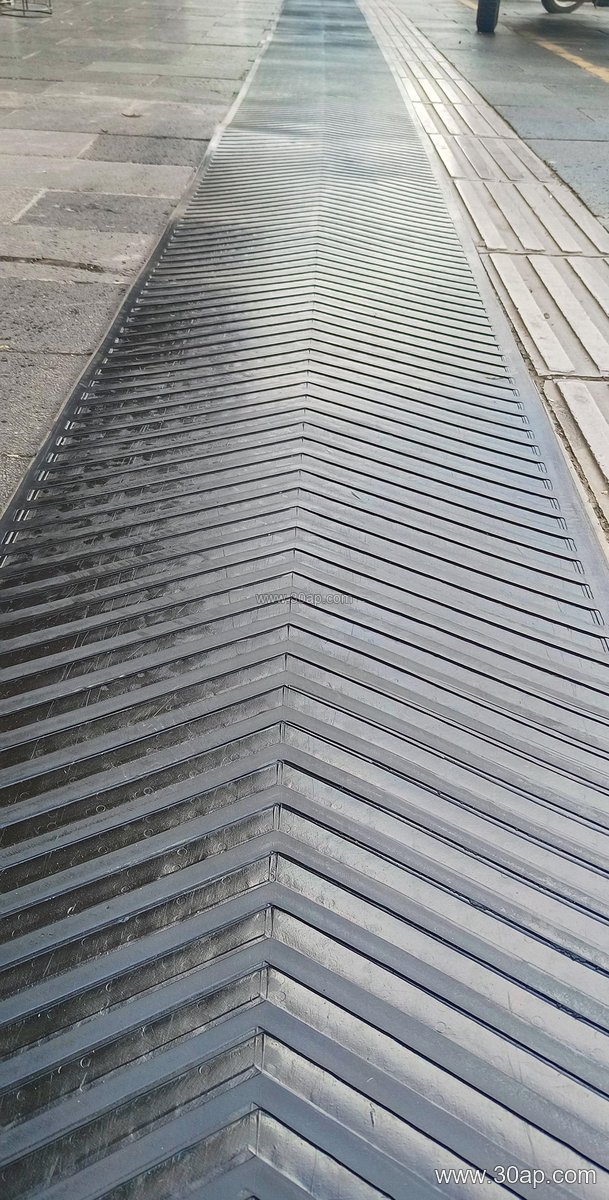
Construction and Heat-Resistant Materials
A typical heat-resistant belt combines a fabric or steel cord carcass with heat-resistant skim and cover compounds. Common carcass options include EP (polyester-cotton) and NN (nylon-nylon) fabric, with 2 to 6 plies depending on the duty, and steel cord construction for very long, high-tension lines. Cover grades for hot service are usually based on EPDM, chlorinated butyl or specially formulated SBR blends.
Cover thickness is often given as a top and bottom pair, for example 4+2 mm, 5+2 mm, 6+2 mm or 8+3 mm. The top cover faces the hot material and is normally the thicker layer. The bottom cover protects the carcass from abrasion against the idler roller and the return run.
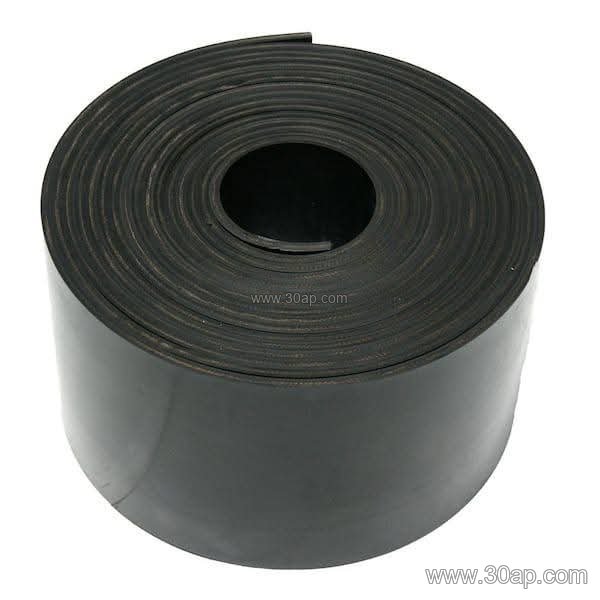
Common Specifications
The table below shows reference values. Actual availability and construction are confirmed by the belt manufacturer or supplier for each project.
| Item | Common range |
|---|---|
| Belt type | Heat-resistant EP, NN, steel cord |
| Tensile strength | EP200, EP315, EP400, EP500, EP630, EP800, EP1000, EP1250, EP1600, EP2000 |
| Belt width | B500, B650, B800, B1000, B1200, B1400, B1600, B1800, B2000 |
| Cover thickness | 3+1.5, 4+2, 5+2, 6+2, 8+3 mm |
| Carcass plies | 2 to 6 plies, or steel cord |
Belt width and pulley diameter are matched through the conveyor design, not by a fixed rule. A wider belt does not by itself dictate one specific pulley size, and a shaft diameter should never be assumed from belt width alone.
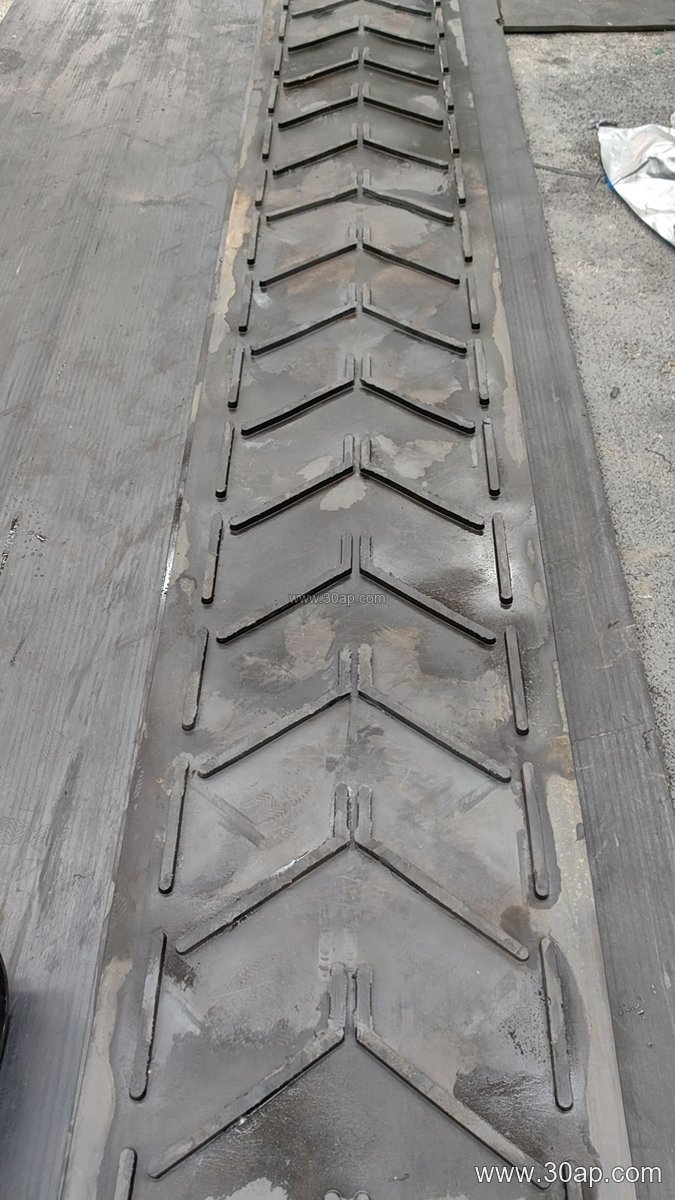
Where It Is Used
- Cement plants: clinker cooler discharge, kiln feed and raw mill lines.
- Power stations: bottom ash, fly ash and coal handling systems.
- Steel and foundry: sinter, coke, moulding sand and slag transfer.
- Mining and coal preparation: hot ore, dried concentrate and coke breeze.
- Sand and gravel yards: dried aggregate and asphalt plant feed.
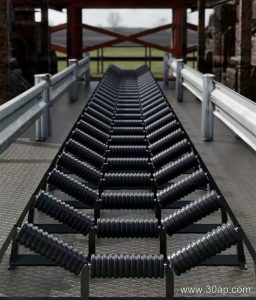
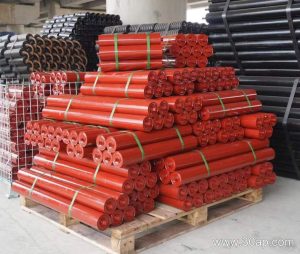
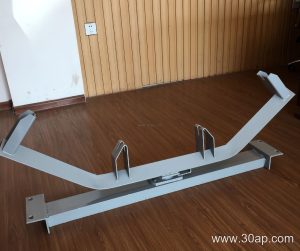
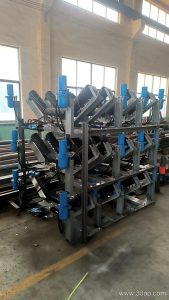
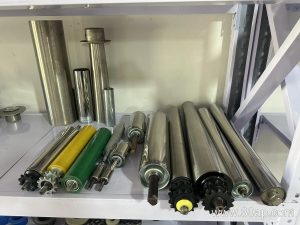
On these lines the belt runs over a drive pulley, tail pulley and bend pulleys, and is supported by idler rollers on the carrying and return sides. Conveyor brackets and the frame hold the idlers and pulleys in alignment. Drive, tail and bend pulleys are separate functions and are not interchangeable. Their diameters and face widths are set by the conveyor designer together with the belt tension, load and speed.
What Buyers Should Check
Before ordering a heat-resistant conveyor belt, confirm the maximum material temperature, the continuous working temperature, the lump size and the drop height at the loading point. Ask how the belt will be spliced, since hot service often calls for a vulcanized joint rather than mechanical fasteners. Check the pulley diameters, the take-up travel and the ambient conditions, because a belt that is correct for a cement clinker line may not suit a cold outdoor coal yard.
Maintenance matters as much as the initial grade. Keep the idler rollers turning freely, avoid material build-up on the return side, and inspect the pulley lagging and the splice regularly. A belt that runs straight and cool at the edges usually lasts longer in hot duty. If the application also involves oil, flame or heavy abrasion, discuss those conditions with the supplier, because a dedicated grade may be needed instead of a standard heat-resistant cover.