What a Thick Conveyor Belt Is
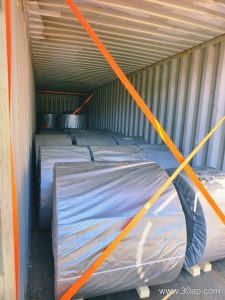
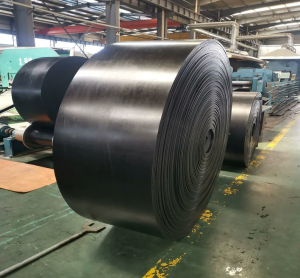
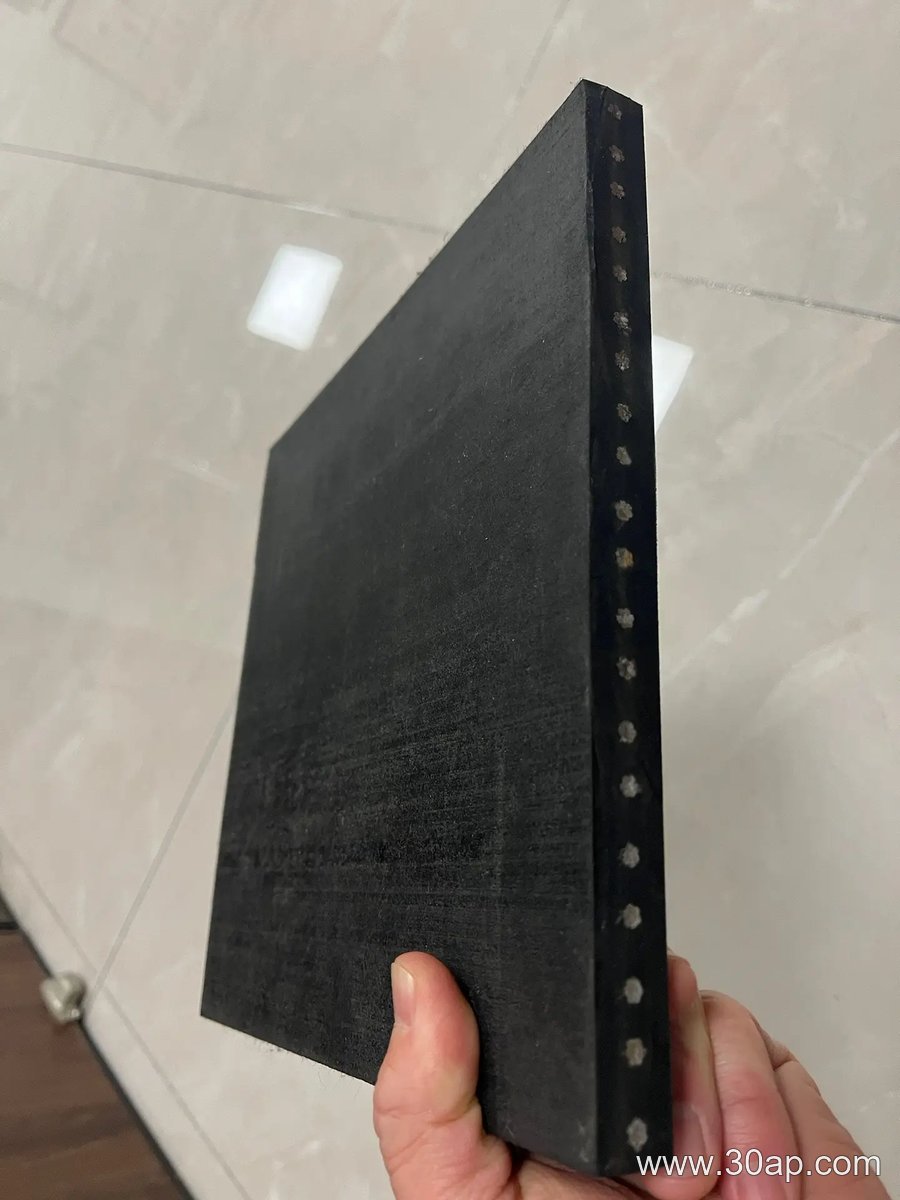
A thick conveyor belt is a heavy duty belt with a larger total thickness than standard stock, usually achieved through a thicker rubber cover, additional fabric plies, or a steel cord carcass. The extra material resists abrasion, impact, and cutting when the belt carries sharp rock, hot clinker, or heavy lump material. Buyers often meet it as an EP conveyor belt or an NN nylon belt with a heavy cover, and in extreme duty as a steel cord belt.
Thickness is not a single number. It combines the top cover, the carcass, and the bottom cover, so two belts with the same strength rating can differ in mass and stiffness. A thick belt also needs more space at the drive pulley, the tail pulley, and every bend pulley, because a stiff carcass resists flexing around small diameters.
How the Belt Is Built
Fabric construction starts with EP or NN plies, usually 2 to 6 layers, bonded under heat and pressure. Rubber covers are applied on both faces. Common cover combinations include 3+1.5 mm, 4+2 mm, 5+2 mm, 6+2 mm, and 8+3 mm. A thick belt typically sits at the upper end of these ranges, and the exact build follows the duty and the design.
Steel cord construction uses brass coated cables instead of fabric plies. It gives very high strength with low stretch, which suits long overland conveyors and high tonnage. Because the cords are stiff, a steel cord belt usually demands larger pulley diameters than a fabric belt of similar width.
| Item | Common options |
|---|---|
| Type | EP, NN nylon, steel cord, PVC, PVG |
| Strength grade | EP200, EP315, EP400, EP500, EP630, EP800, EP1000, EP1250, EP1600, EP2000 |
| Belt width | B500, B650, B800, B1000, B1200, B1400, B1600, B1800, B2000 |
| Cover thickness | 3+1.5, 4+2, 5+2, 6+2, 8+3 mm |
| Carcass plies | 2 to 6 layers for fabric belts |
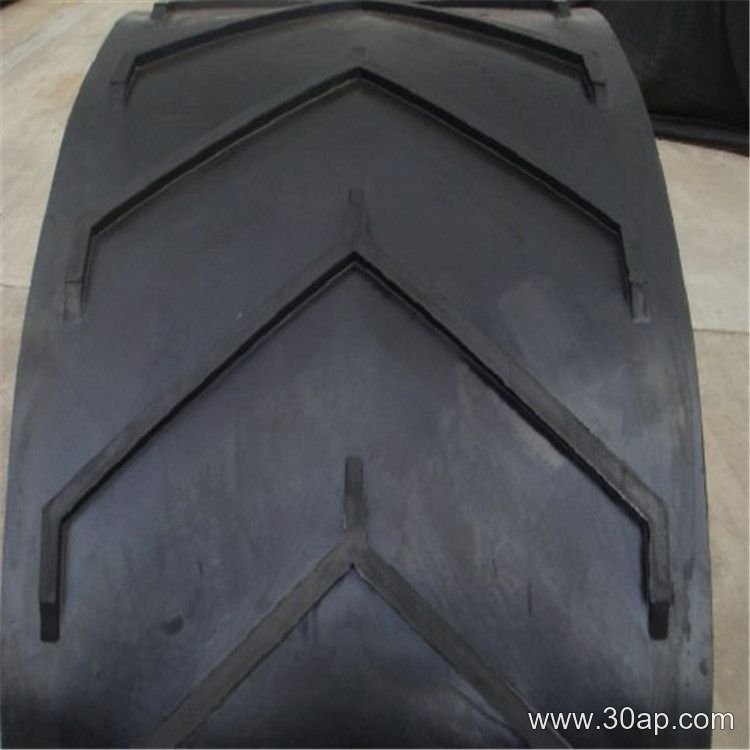
Special grades add resistance to heat, oil, flame, static, cold, acids, or abrasion. Surface forms such as patterned, chevron, and corrugated sidewall belts are separate designs and should not be treated as the same product.
Where Thick Belts Are Used
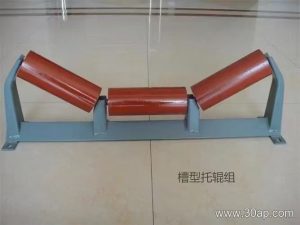
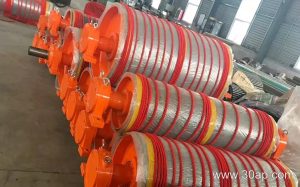
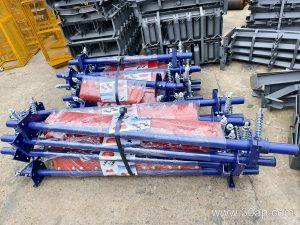
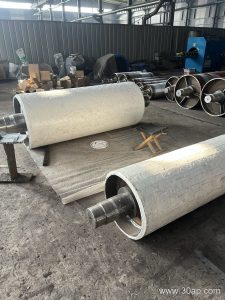
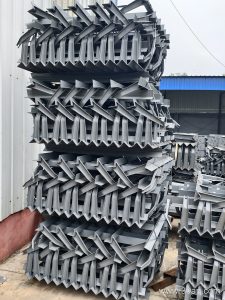
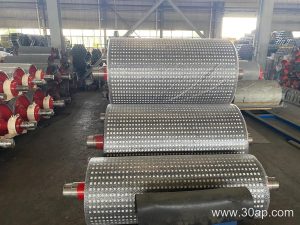
Mining, quarrying, cement, steel, port handling, and bulk terminals rely on thick belts for primary crushing circuits, stackers, reclaimers, and long transfer lines. The belt handles coarse ore, limestone, coal, gravel, and slag. In these lines a conveyor pulley at the head end drives the belt, while a tail pulley and one or more bend pulleys guide the return strand. Idler rollers support the carrying side, and a conveyor bracket holds the idlers and pulleys in alignment.
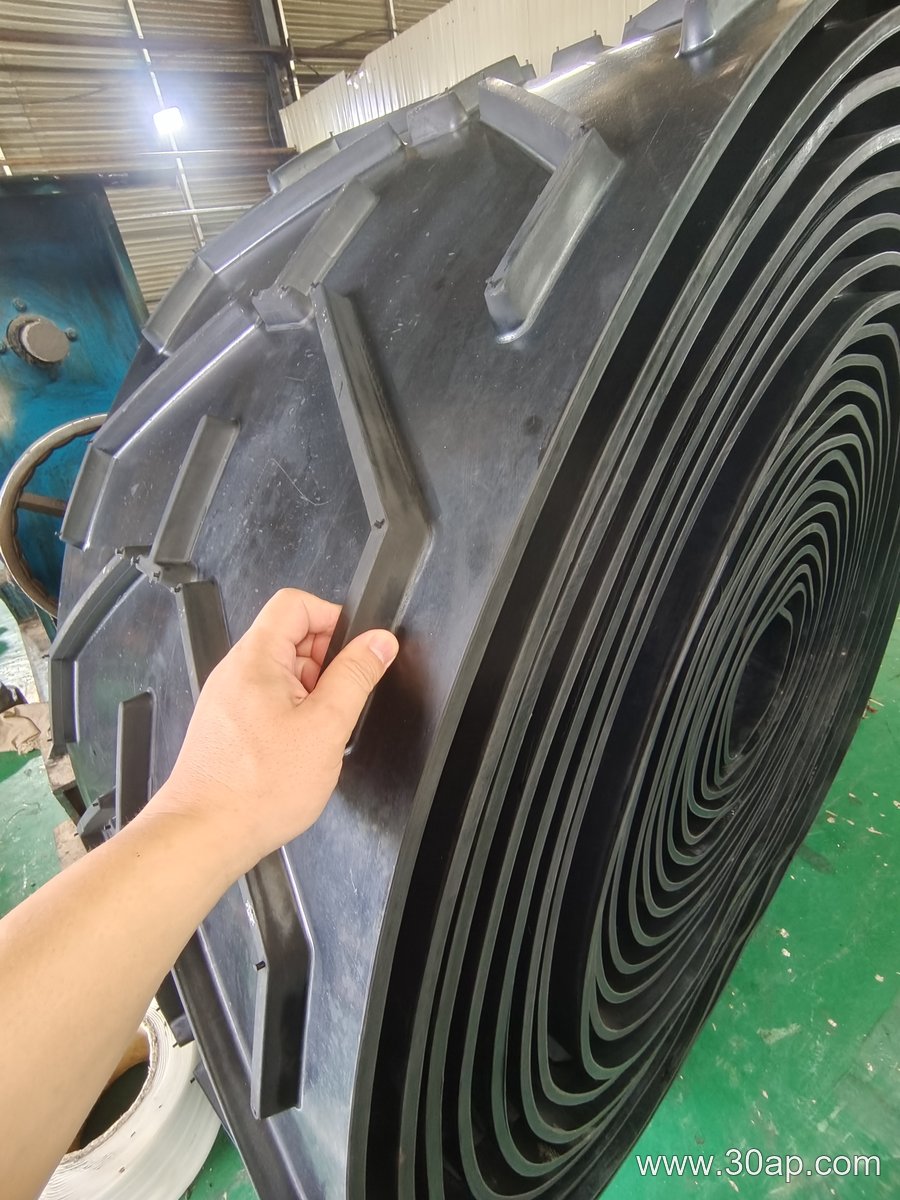
Thick belts also appear in recycling and biomass plants, where sharp metal and glass shorten belt life. In food or packaged goods, a thinner PVC or PVG belt is often a better match, so the heavy belt stays where impact and abrasion justify it.
Selection Points for Buyers
- Match the strength grade to the peak tension, not just the average load.
- Choose cover thickness by material size, drop height, and abrasiveness.
- Confirm the smallest pulley diameter with the belt maker, because a thick carcass limits flexing.
- Check the troughing angle and idler roller spacing; a stiff belt needs support that keeps it tracking.
- State the ambient and material temperature, since heat and cold change rubber behavior.
- Ask for the splice method, because a thick belt is harder to vulcanize and needs a longer joint.
Handling and Maintenance Notes
A thick conveyor belt is heavy, so lifting gear and trained crews are needed at installation. Store it on a dry, shaded surface and avoid sharp bends. During operation, watch the drive pulley for slip, inspect the tail pulley for material build up, and check every bend pulley for seized bearings. Worn idler rollers increase belt drag, and a misaligned conveyor bracket can cause edge damage. Keep the belt cleaner working, because carryback under a thick cover traps grit and wears both faces.
For replacement, record the belt width, strength grade, cover combination, and pulley diameters from the nameplate. That data lets a supplier quote a comparable belt without guessing. The right thick belt is the one that matches the duty, the pulley layout, and the maintenance plan, not simply the heaviest option on the list.