What Is a Parallel Idler Bracket?
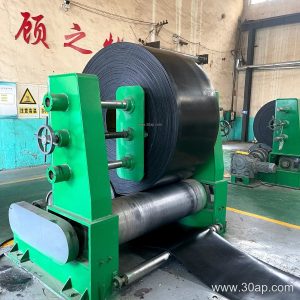
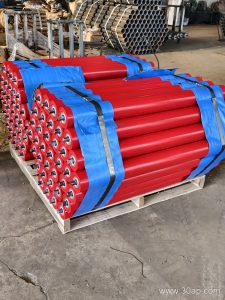
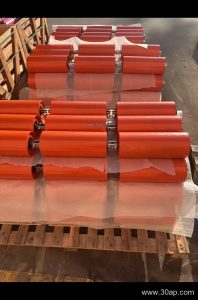
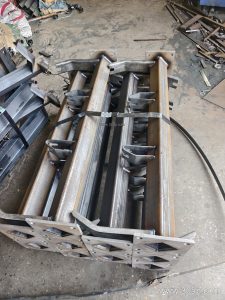
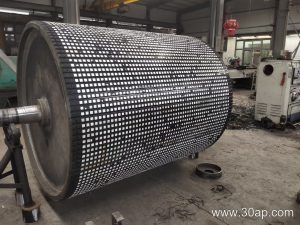
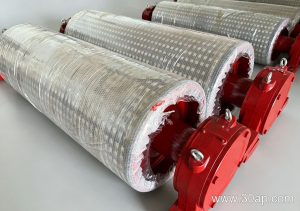
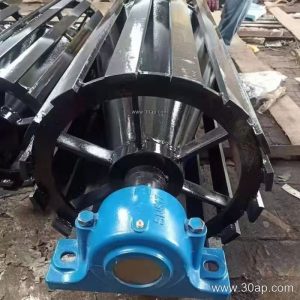
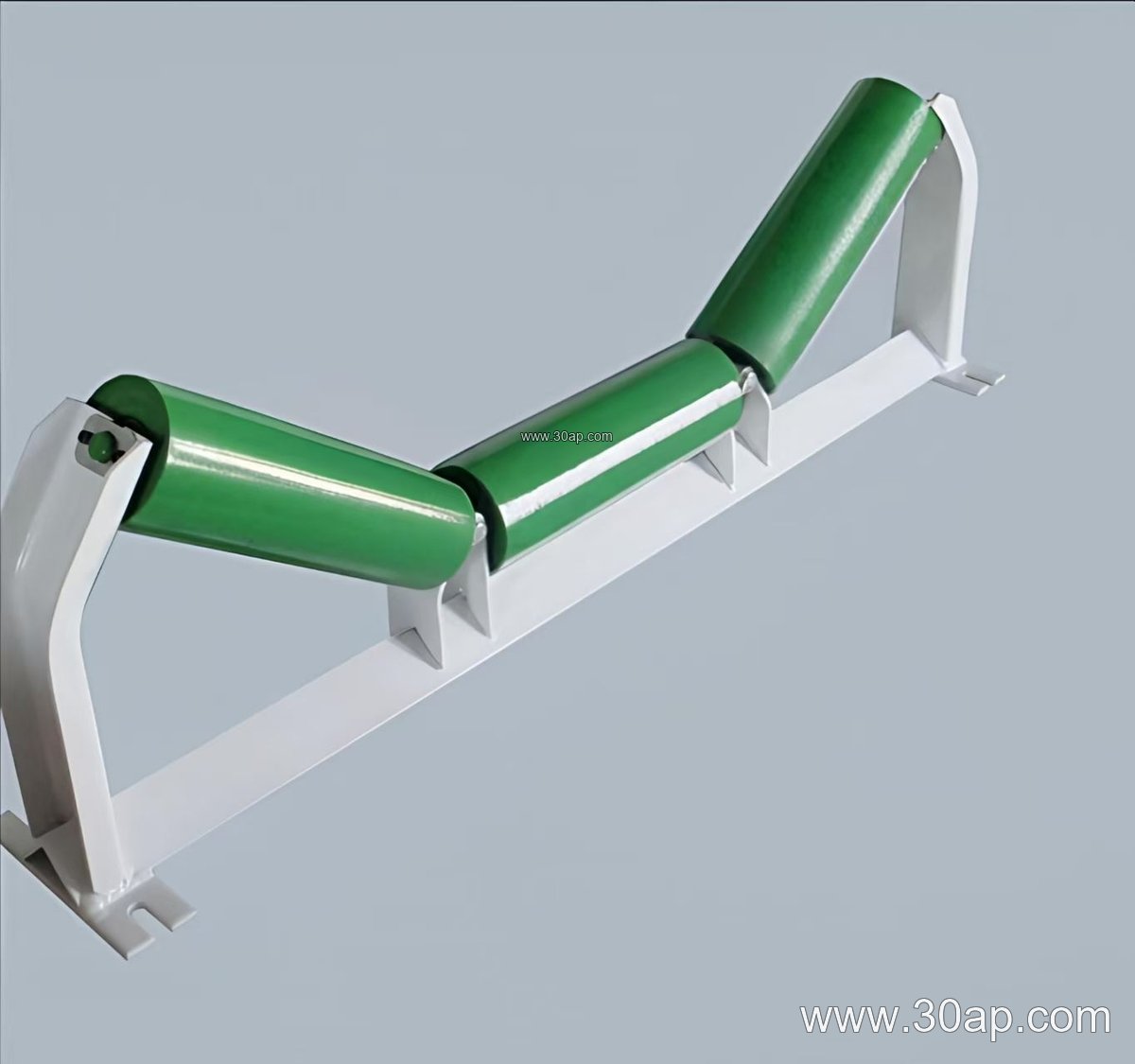
A parallel idler bracket is a mounting component that positions idler rollers in a parallel arrangement relative to the conveyor belt. Unlike angled or V-shaped brackets, this design keeps the rollers level and aligned, providing stable support for the belt’s carrying or return side. In bulk material handling, the bracket works alongside conveyor pulleys and the conveyor belt to maintain proper belt tracking and reduce spillage.
Commonly referred to as a flat idler bracket or parallel roller support, this component is essential in applications where the belt needs a flat profile, such as in transition zones or at loading points. It is often used in quarry conveyor systems, cement plants, and power plant coal handling to ensure smooth operation.
Construction and Materials
Parallel idler brackets are typically fabricated from angle steel, channel steel, or bent steel plate. The choice of material depends on the load and environmental conditions. For heavy-duty mining conveyor belts, thicker steel grades are often specified to withstand impact and abrasion. The bracket design includes mounting holes that align with the conveyor frame, and the hole spacing varies with belt width and idler diameter.
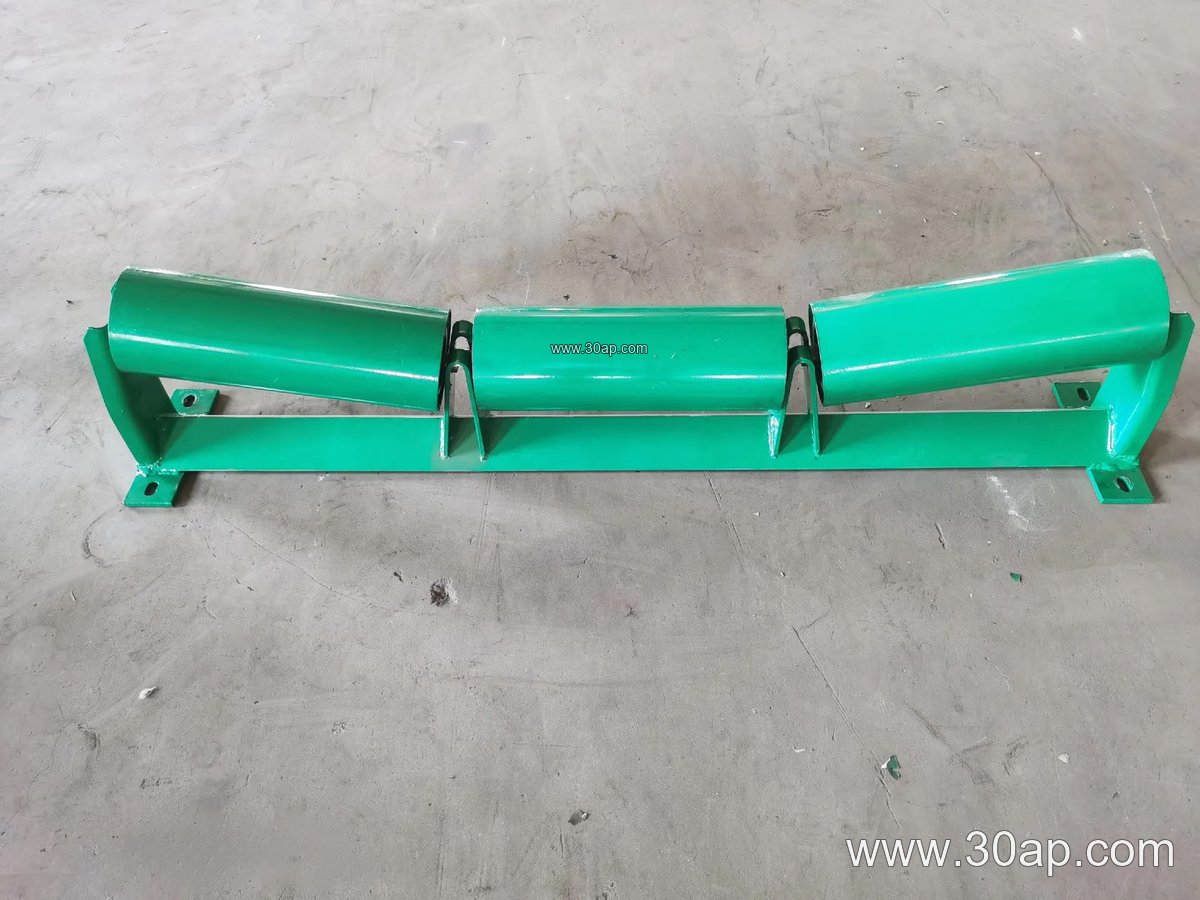
Surface treatment such as painting or galvanizing helps resist corrosion in outdoor or wet environments. The bracket must be robust enough to support the weight of the belt and material, especially in high-capacity operations involving EP conveyor belts or steel cord conveyor belts.
Where It Is Used
You will find parallel idler brackets in a range of industries. In a limestone quarry, they support the belt at transfer points where a flat belt profile is needed. In a coal mining operation, they are used on the return side to keep the belt stable. The bracket also plays a role in cement plants, where dusty conditions demand reliable, low-maintenance components.
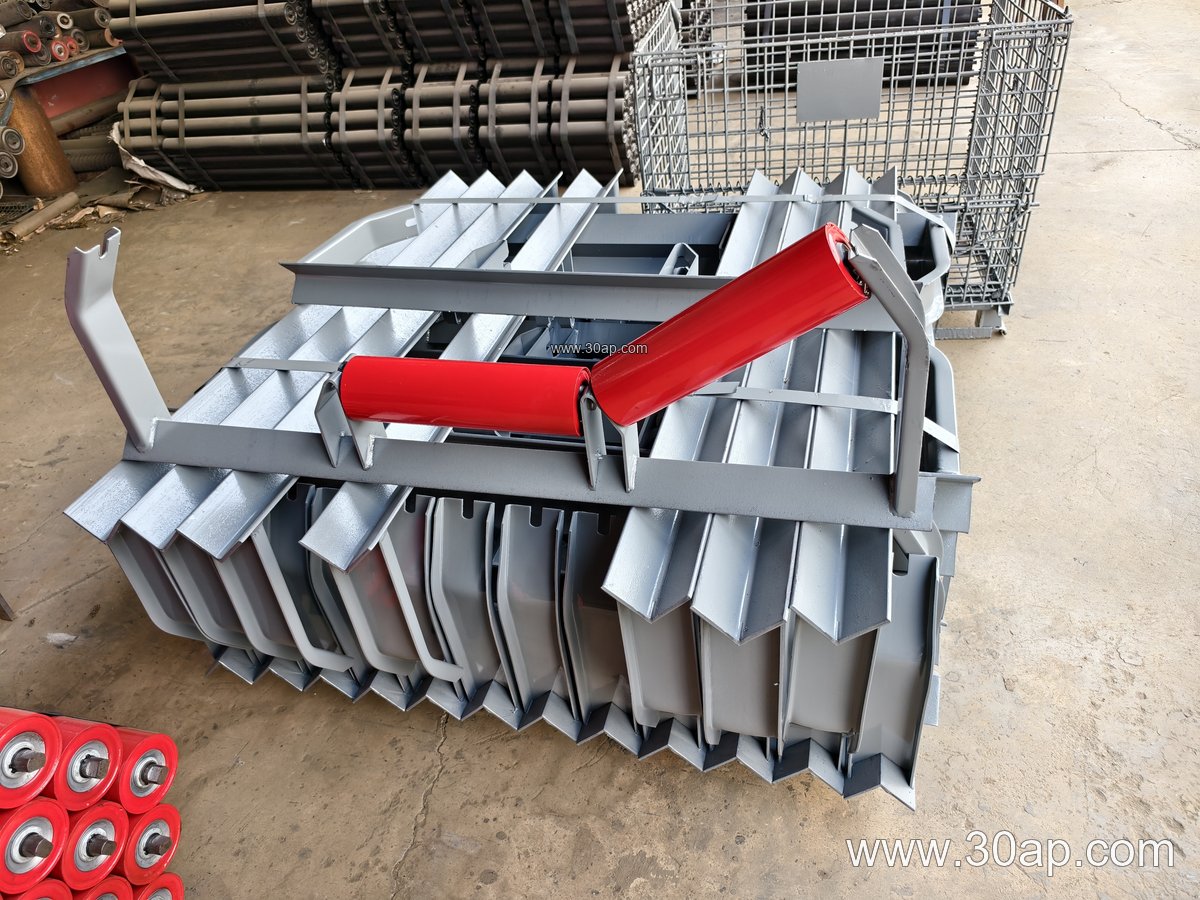
Other applications include sand and gravel lines, port ship loaders, and iron ore handling. In each case, the bracket works with conveyor pulleys and idler rollers to ensure the belt runs smoothly. For example, a B1200 conveyor belt with a 35-degree trough might use parallel brackets in the transition zone to prevent belt edge damage.
Key Selection Factors
When choosing a parallel idler bracket, consider the belt width, idler diameter, and load requirements. The bracket must match the conveyor frame dimensions and the idler shaft size. Common belt widths include B500, B650, B800, B1000, B1200, B1400, B1600, B1800, B2000, and B2200. Idler diameters such as Ø89, Ø108, Ø133, Ø159, and Ø194 are frequently used, but the exact combination depends on the conveyor design.
For abrasive materials, an abrasion resistant conveyor belt may be paired with heavy-duty brackets. In coal mines, flame retardant conveyor belts are often required, and the brackets should be selected to withstand the same environment. The table below lists typical reference combinations, but these are not mandatory for every system.
| Belt Width | Idler Diameter | Typical Application |
|---|---|---|
| B650 | Ø89 | Light-duty aggregate lines |
| B800 | Ø108 | Quarry and sand plants |
| B1000 | Ø133 | Cement and power plants |
| B1200 | Ø159 | Mining and heavy bulk |
| B1400 | Ø194 | Large port conveyors |
Always confirm the installation hole spacing and crossbeam length with the conveyor manufacturer, as these vary with belt width and trough angle.
Installation and Maintenance Tips
Proper installation ensures the bracket aligns with the conveyor frame and supports the idler without wobbling. Use grade 8.8 or higher bolts and check torque regularly. In dusty environments like coal mining or cement plants, inspect for material buildup that could cause misalignment. Lubricate idler bearings as recommended, and replace worn brackets promptly to avoid belt damage.
When replacing a bracket, verify that the new unit matches the existing hole pattern. For conveyors using a pipe conveyor belt or corrugated sidewall belt, special bracket designs may be needed, but always confirm with the original equipment specifications.
Buyer’s Checklist
- Confirm belt width and idler diameter to ensure compatibility.
- Check material thickness and surface treatment for the environment.
- Verify mounting hole spacing and crossbeam length.
- Consider the type of conveyor belt (e.g., EP conveyor belt, steel cord) for load matching.
- Review maintenance access and replacement part availability.
For reliable performance, source brackets from suppliers who understand your industry—whether it is a gold mining conveyor belt system or a fertilizer plant. At www.conveyorbelt.com, we offer a range of conveyor components including idler brackets, conveyor pulleys, and conveyor belts to suit various applications.