What a Trough Idler Set Does on a Conveyor
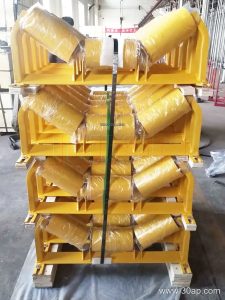
A trough idler set is the group of rollers mounted on a frame that supports the carrying side of a conveyor belt and shapes it into a trough. The angled side rollers lift the belt edges, so bulk material sits in a shallow channel instead of spilling over. This is the assembly most operators mean when they talk about carrying idlers, and it is the part of a conveyor that touches the belt most often. In a quarry, a coal washing plant, or a cement kiln feed line, the trough idler set is what keeps the belt tracking straight and the load centered.
The set is usually supplied as a complete unit: two or three idler rollers, a bracket or frame, and the fixings that hold the rollers at the chosen trough angle. Buyers should treat it as one item, because mixing rollers from different frames can change the belt profile and shorten service life.
How the Set Is Built
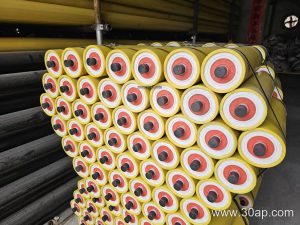
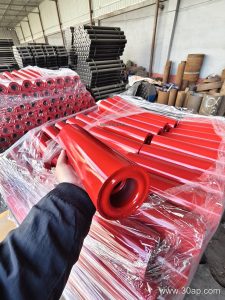
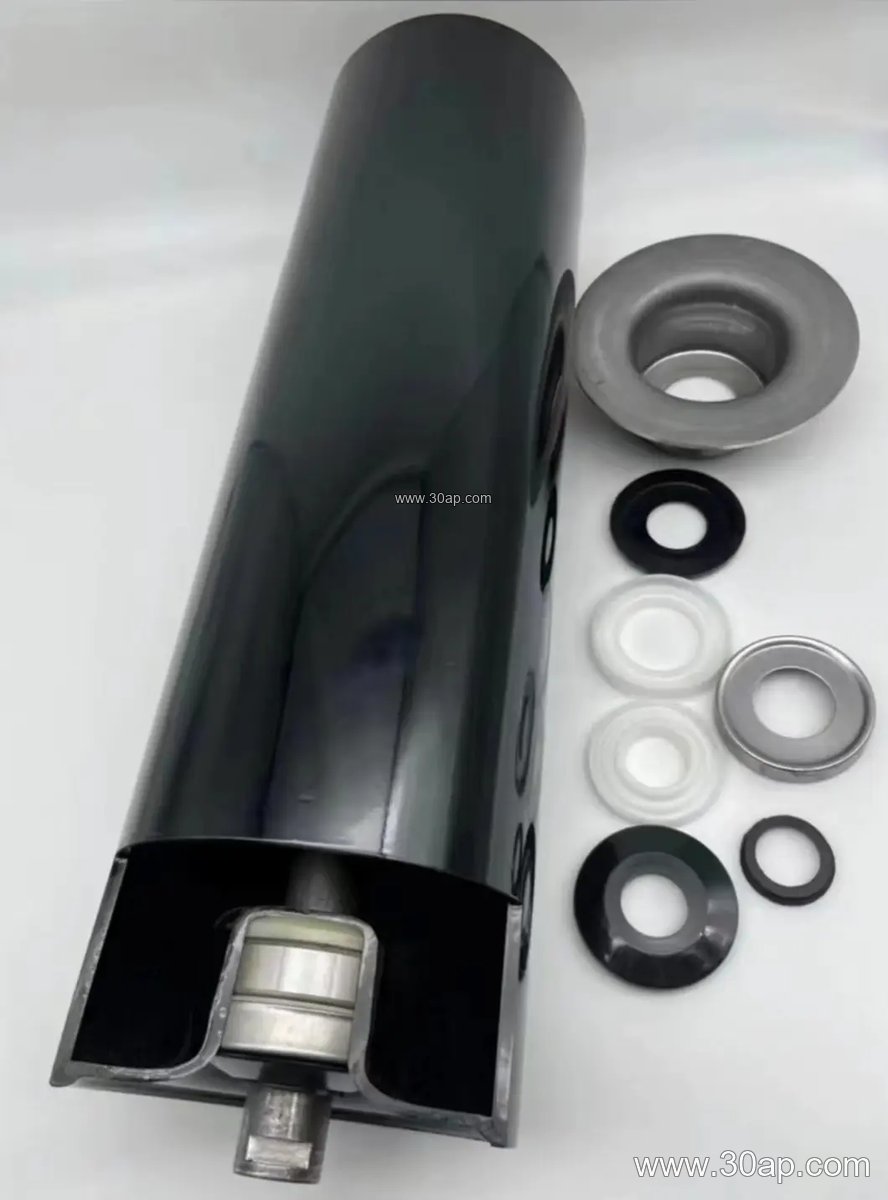
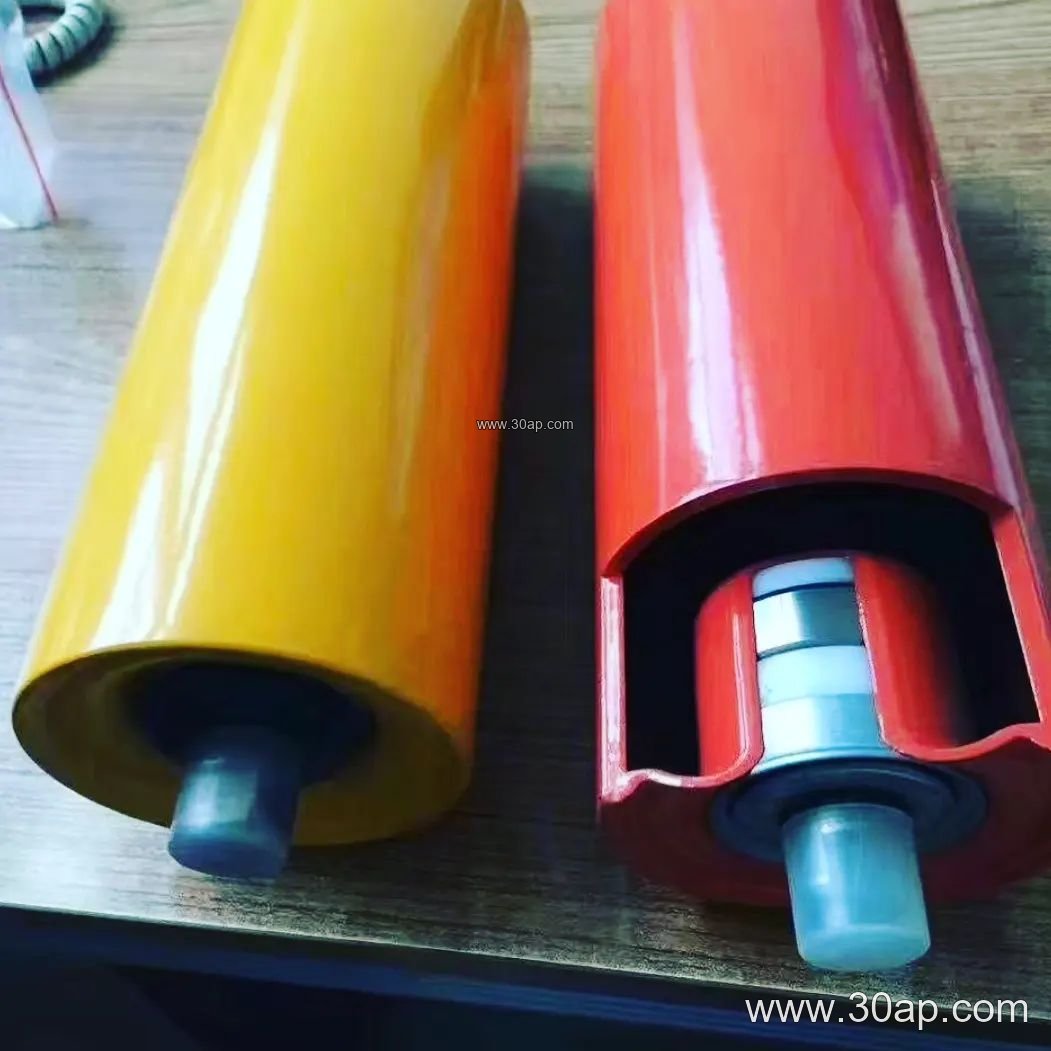
A typical three-roll trough idler set has a center roller and two side rollers set at an angle. The rollers themselves are steel tubes fitted with bearings, sealed at both ends, and often finished with a rubber ring or ceramic surface where impact and abrasion are heavy. The frame is a fabricated steel bracket that holds the roller shafts at the correct angle and bolts to the conveyor stringer.
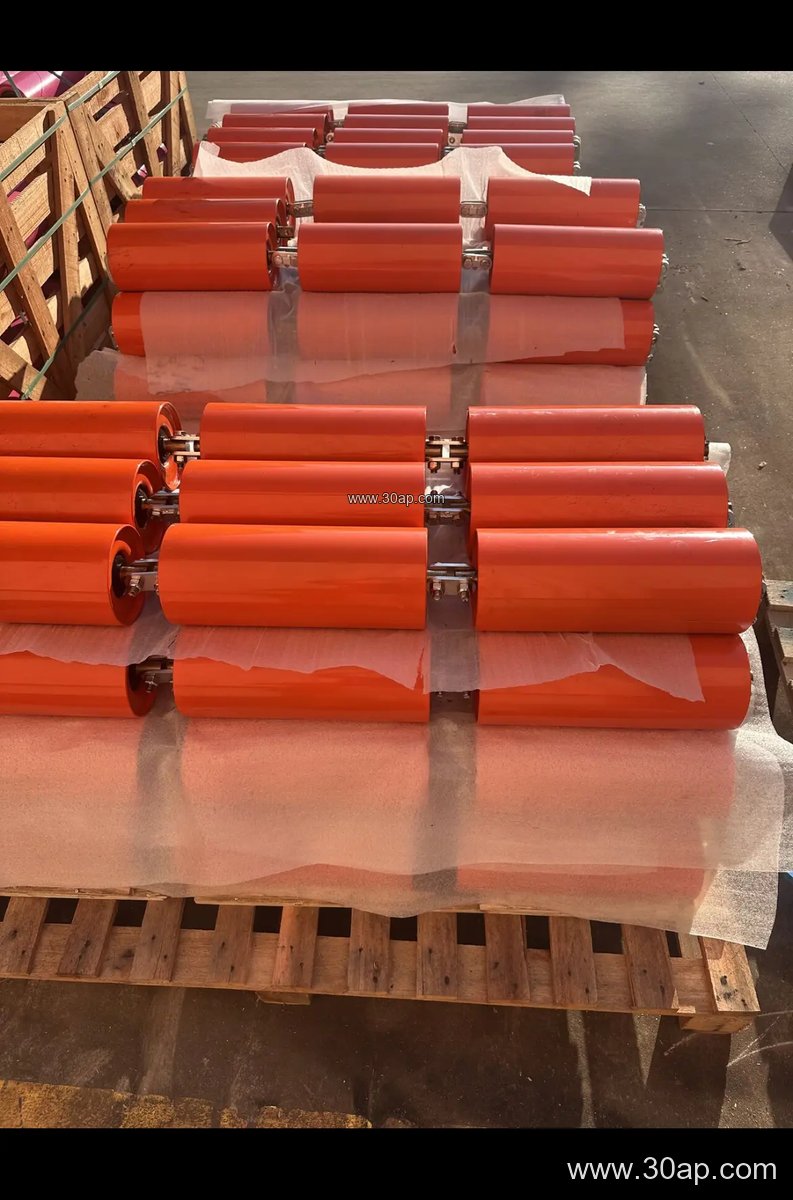
Common roller diameters include Ø89, Ø108, Ø127, Ø133, Ø159, and Ø178, while larger installations may use Ø194 or Ø219. Bearing sizes such as 6204, 6205, 6305, 6306, 6308, and 6310 appear across the range, and the correct bearing is matched to the load and speed by the designer rather than by roller diameter alone. Roller length follows belt width and trough angle; for a three-roll set, common center roller lengths are roughly 200 mm at B500, 250 mm at B650, 315 mm at B800, 380 mm at B1000, 465 mm at B1200, 530 mm at B1400, 600 mm at B1600, 670 mm at B1800, and 750 mm at B2000. These are examples, not fixed pairings.
Trough Angles and Belt Width
The trough angle decides how deep the belt channel sits. A 20 degree set gives a shallow profile for fragile or easily spilled material, while 30 and 35 degrees are common in general bulk handling. A 45 degree set carries more material per meter of belt but puts more stress on the belt edges, so it suits free-flowing cargo such as sand and gravel rather than large lump ore.
Belt width and trough angle work together. A 650mm or 800mm conveyor belt on a three-roll set behaves differently from a 1200mm or 1400mm belt, and the frame must match the belt so the edges are supported without pinching. When the belt is wide, an extra-wide frame and longer rollers keep the load stable; when the belt is narrow, a compact two-roll set may be enough. The right combination is set by the conveyor designer, not by a single rule.
Where These Sets Are Used
Trough idler sets appear wherever a belt carries loose material uphill, downhill, or across a plant. In an iron ore or copper ore operation they support heavy, abrasive rock; in a sand and aggregate line they handle washed stone and grit; in a power plant coal yard they keep fuel moving from stockpile to boiler. A cement plant uses them on clinker and raw meal lines, and a port uses them on ship loading conveyors where the belt runs long distances.
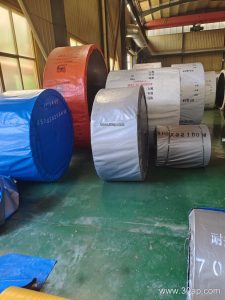
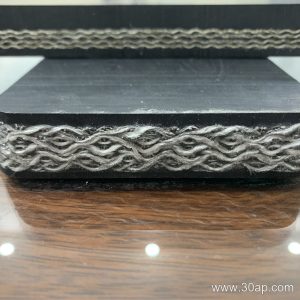
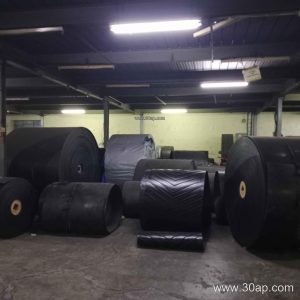
The belt itself matters too. A heavy-duty mining conveyor belt, an abrasion resistant conveyor belt, or a heat resistant conveyor belt all impose different loads on the rollers, and a steel cord conveyor belt on a long overland route needs a set that holds its line under tension. Matching the idler set to the belt and the material is more useful than choosing by price alone.
Selection and Maintenance Notes
Buyers should confirm the belt width, the trough angle, the roller diameter, and the frame mounting dimensions before ordering. A set that fits the bracket but not the belt profile will wear quickly. Sealing quality matters in dusty plants, and rubber ring rollers are often chosen at transfer points where impact is heavy. Alignment idlers are a different subtype and are used to correct belt drift, not to replace the standard carrying set.
Routine checks should cover roller rotation, seal condition, and frame alignment. A seized roller drags on the belt and can damage the cover; a loose bracket lets the belt wander. Spare rollers kept to the same diameter and bearing size simplify repairs. For conveyors in mining, quarrying, and bulk terminals, a well-chosen trough idler set is a low-cost part that protects a much more expensive belt.