What Is a Parallel Idler Bracket
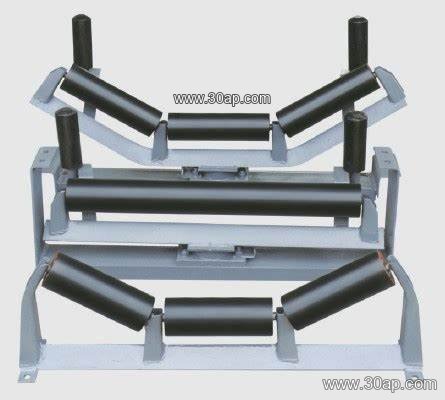
A parallel idler bracket is a structural component that holds conveyor idler rollers in a parallel orientation relative to the belt path. Unlike angled troughing brackets that form a V or U shape, this bracket keeps the idler roller level and straight across the conveyor frame. It is commonly used on the return side of a belt conveyor, where the belt runs flat and needs consistent support. In a quarry, a cement plant, or a coal handling system, you will often see these brackets under the empty strand, keeping the belt from sagging between pulleys. The bracket itself is a simple but critical part of the conveyor structure, and its proper selection helps maintain belt tracking and extend the life of the idler roller.
Construction and Common Materials
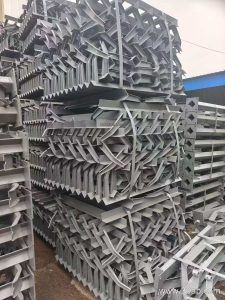
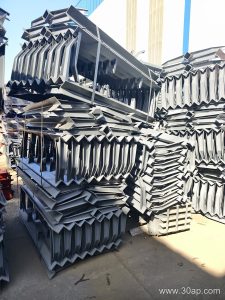
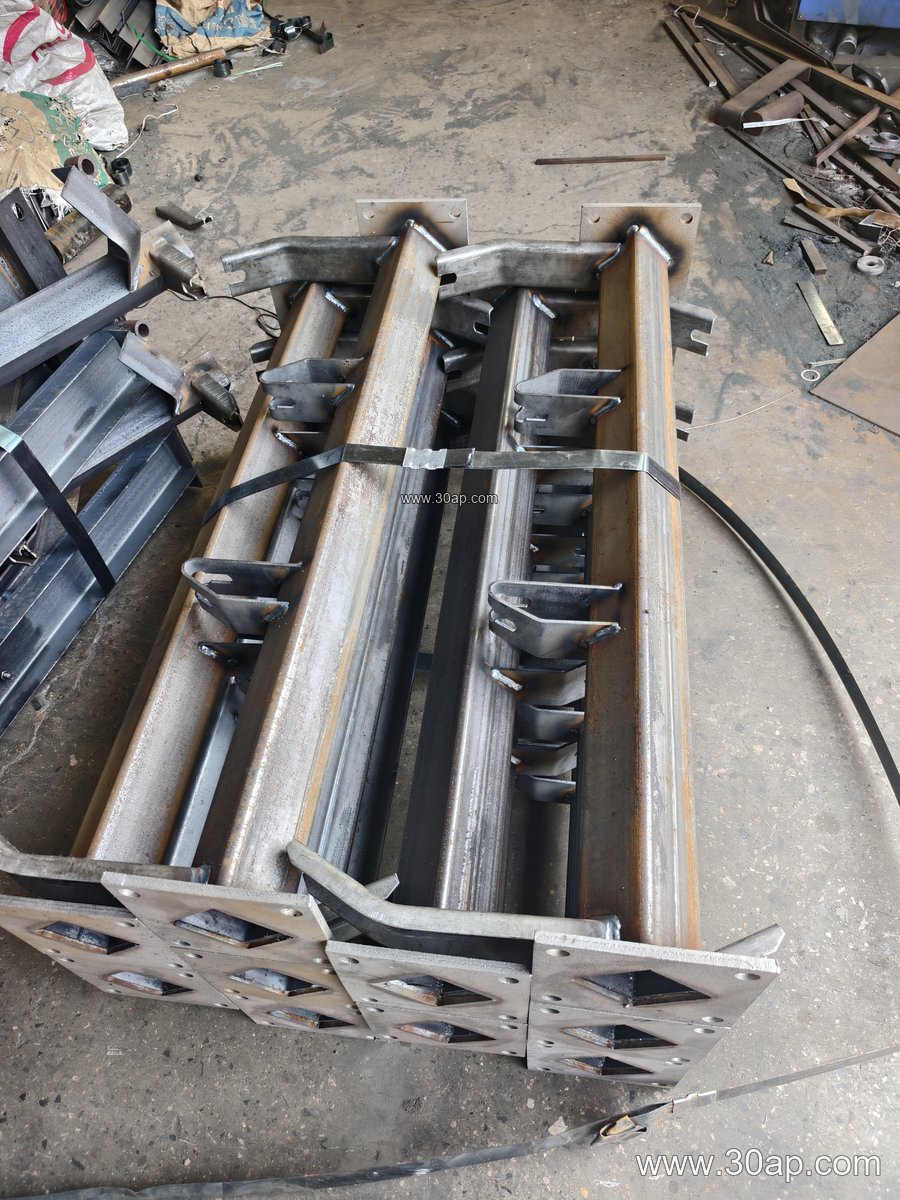
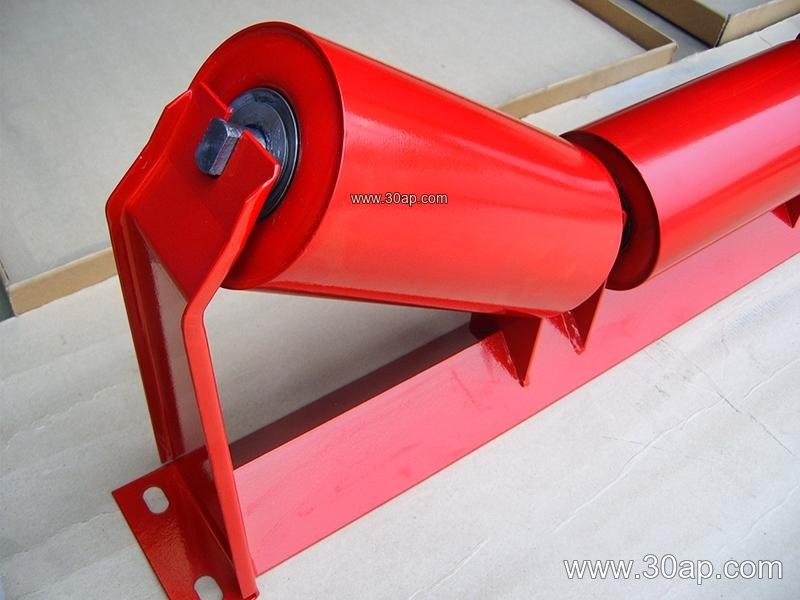
Most parallel idler brackets are fabricated from angle steel, channel steel, or folded steel plate. The design usually includes a base that bolts to the conveyor stringer, and a mounting surface or slot that accepts the idler roller shaft. Some versions are fixed, while adjustable brackets allow minor height or position changes to fine-tune belt contact. The bracket must be rigid enough to resist vibration and loading without bending. In heavy-duty applications, such as a primary crusher discharge or a high-tonnage ore conveyor, the bracket may use thicker steel and reinforced welds. Surface treatment, such as painting or galvanizing, is common to resist corrosion in humid or dusty environments like a port terminal or a wash plant.
Where It Fits in a Conveyor System
A parallel idler bracket is typically installed on the return run, supporting the belt after it leaves the discharge pulley and before it reaches the tail pulley. It can also be found in load zones where a flat belt support is needed, though impact brackets are more common there. In a typical cement plant or power plant coal yard, these brackets work together with troughing idler brackets on the carrying side and return brackets on the bottom. The bracket is bolted to the conveyor frame, and the idler roller sits in the bracket’s cradle or slot. Proper alignment of the bracket is important because a misaligned bracket can cause the belt to drift to one side. For wider belts, such as a 1200mm or 1400mm conveyor belt, the bracket span and mounting hole spacing are designed to match the frame width, but these dimensions are not universal and should be confirmed with the conveyor design.
Key Selection Points for Buyers
When specifying a parallel idler bracket, several factors come into play. First, match the bracket to the belt width and the idler roller diameter. Common belt widths include B500, B650, B800, B1000, B1200, B1400, B1600, and B1800, while typical idler roller diameters are Ø89, Ø108, Ø133, Ø159, and Ø194. A bracket designed for a Ø108 roller will not accept a Ø159 shaft without modification. Second, consider the conveyor’s duty level. In a sand and gravel line, a standard bracket may suffice, but in an iron ore mine or a copper ore concentrator, a heavier bracket may be needed to handle shock loads and abrasive dust. Third, decide between fixed and adjustable brackets. Adjustable brackets are useful during installation and alignment, especially on long conveyors where belt tracking can change with tension. Finally, check the mounting hole pattern and overall height against your conveyor stringer. These dimensions vary by manufacturer and should be taken from the conveyor drawing, not assumed from belt width alone.
Supporting Components and Compatibility
A parallel idler bracket does not work alone. It interfaces with the conveyor bracket system, the idler roller, and the conveyor belt. On the carrying side, you might find troughing brackets with 20, 30, 35, or 45 degree trough angles, but on the return side, the parallel bracket keeps the belt flat. Some operations use a V-return bracket instead, which can help center the belt, but the parallel bracket remains the standard for flat return support. When replacing a bracket, always check the condition of the idler roller and the belt. A worn roller can cause the belt to run off even with a perfectly aligned bracket. In dusty environments, such as a coal mining conveyor or a quarry conveyor, regular inspection of the bracket bolts and welds is recommended to prevent loosening or fatigue.
Maintenance and Inspection Tips
Parallel idler brackets are low-maintenance parts, but they should not be ignored. During routine inspections, check for loose bolts, bent brackets, and corrosion. A bent bracket can tilt the idler roller and cause belt misalignment, leading to edge damage on the conveyor belt. If the bracket is adjustable, verify that the locking mechanism is tight. In a cement plant or a steel plant, where dust and heat are present, clean the bracket area to prevent material buildup that could interfere with the roller. When replacing a bracket, use the same hole pattern and height as the original, or confirm with the conveyor manufacturer that a different bracket will maintain proper belt support. Remember that the bracket is part of a system, and its performance depends on the idler roller, the belt, and the frame working together.