What the Ø89 Conveyor Idler Is
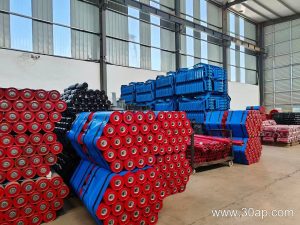
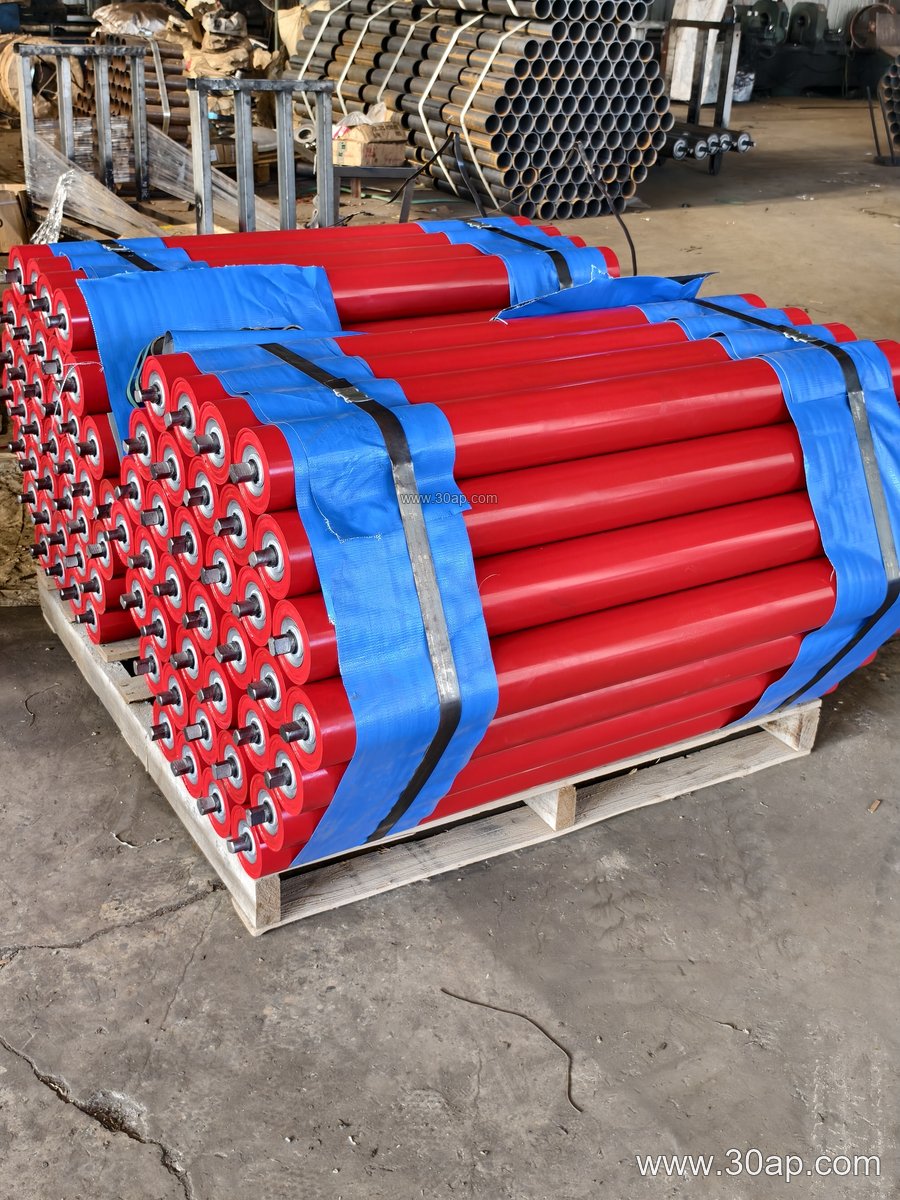
The Ø89 conveyor idler is a 89 mm diameter roller used to support the conveyor belt along its carrying and return runs. In a quarry or cement plant, dozens of these idlers sit under the belt, turning with it and keeping the belt from sagging between the head and tail. The diameter is one of the common sizes in the mid-light range, and it suits belts where the load is moderate and the belt width is not extreme. You will also hear it called an idler roller or carrying roller, and the two terms describe the same product.
Construction Details
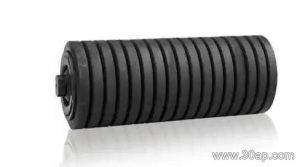
A typical Ø89 conveyor idler is built from a steel tube shell, a shaft, bearing housings, and a sealing arrangement. The shell is often made of welded steel pipe, and the surface may be plain steel, nylon-coated, or fitted with rubber rings for impact absorption. Bearings such as 6204 or 6205 are common in this diameter range, but the exact bearing is selected by the idler manufacturer based on load and speed, not fixed by the diameter alone. Sealing matters in dusty environments like a limestone mine or a coal washing plant, so look for a design with labyrinth seals and adequate grease retention.
Where It Fits in the Conveyor
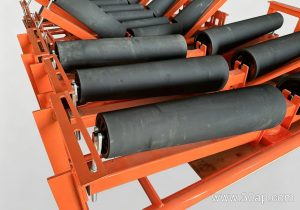
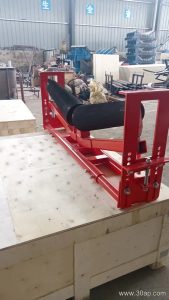
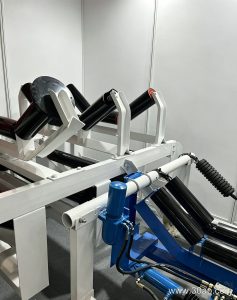
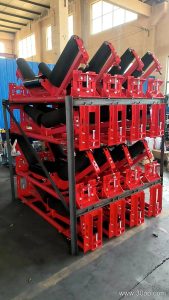
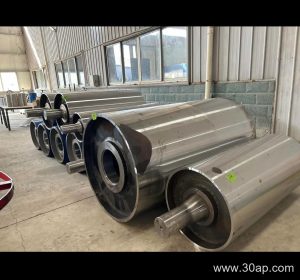
The Ø89 idler appears in several positions. In a three-roll troughing set, it is often the side roll or the center roll, depending on the belt width and trough angle. For a B650 belt, a three-roll troughing set with 30-degree trough angle might use a center roll and two side rolls of different lengths; the 89 mm diameter can be used on all three or on the side rolls only. On the return side, a single flat return idler or a V-return idler of the same diameter can support the empty belt. In a sand and gravel line, the same size may be used in a transition zone where the belt changes from flat to troughed. Do not confuse this idler with a drive pulley, tail pulley, or bend pulley; those are conveyor pulleys that transmit power or change belt direction, and they are not interchangeable with idlers.
Common Applications and Industry Use
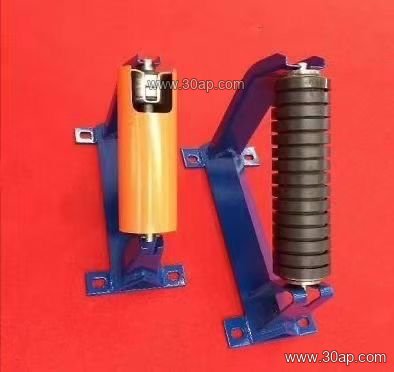
You will find the Ø89 conveyor idler in cement plants feeding clinker to the mill, in power plant coal handling systems, and in aggregate operations moving crushed stone. It is also used in smaller belt conveyors at a concrete mixing station or in a fertilizer plant where the belt width is moderate. The idler roller works together with the conveyor belt and the conveyor bracket that holds the idler frame in place. In a tunnel muck removal line, the dusty and damp conditions put extra demand on the seals, so a well-sealed 89 mm idler is often preferred over an open design.
Size and Selection Notes
The table below gives common reference values for idler diameter, belt width, and typical roll length in three-roll troughing sets. These are examples, not fixed combinations; the final choice depends on belt speed, load, trough angle, and the idler manufacturer’s design.
| Parameter | Common Reference |
|---|---|
| Idler diameter | Ø89 mm |
| Belt width examples | B500, B650, B800, B1000 |
| Typical roll length (three-roll troughing, center roll) | B500 about 200 mm; B650 about 250 mm; B800 about 315 mm; B1000 about 380 mm |
| Trough angle options | 20°, 30°, 35°, 45° |
| Bearing examples | 6204, 6205, 6305 |
| Surface options | Steel, nylon, rubber ring |
When selecting a Ø89 idler, check the shaft diameter and bearing size against the idler frame you plan to use. A 89 mm roller is not automatically matched to one belt width; the same diameter can appear on B650 and B800 conveyors with different roll lengths and frame dimensions. For impact zones, a rubber-ring version of the same diameter may be used, but it is still a Ø89 idler, not a different product type. If the belt is wide and the load is heavy, a larger diameter such as Ø102 or Ø108 may be more appropriate, but that is a separate selection decision.
Buyer Checklist
- Confirm the idler diameter, roll length, and shaft size match the existing frame and bracket.
- Check the sealing design for the site conditions, especially in dusty or wet operations.
- Ask for the bearing designation and grease type, and keep spare idlers of the same specification for maintenance.
- Remember that idlers are not pulleys; do not substitute a drive, tail, or bend pulley for an idler in the conveyor layout.
- Review the trough angle and roll arrangement for the belt width, since side roll and center roll lengths can differ.
In daily maintenance, listen for noisy bearings and check for seized rollers. A worn Ø89 idler can damage the conveyor belt if left in place, so replace failed units promptly and keep the belt tracking steady through the transition and loading zones.