What a Large Drive Pulley Does
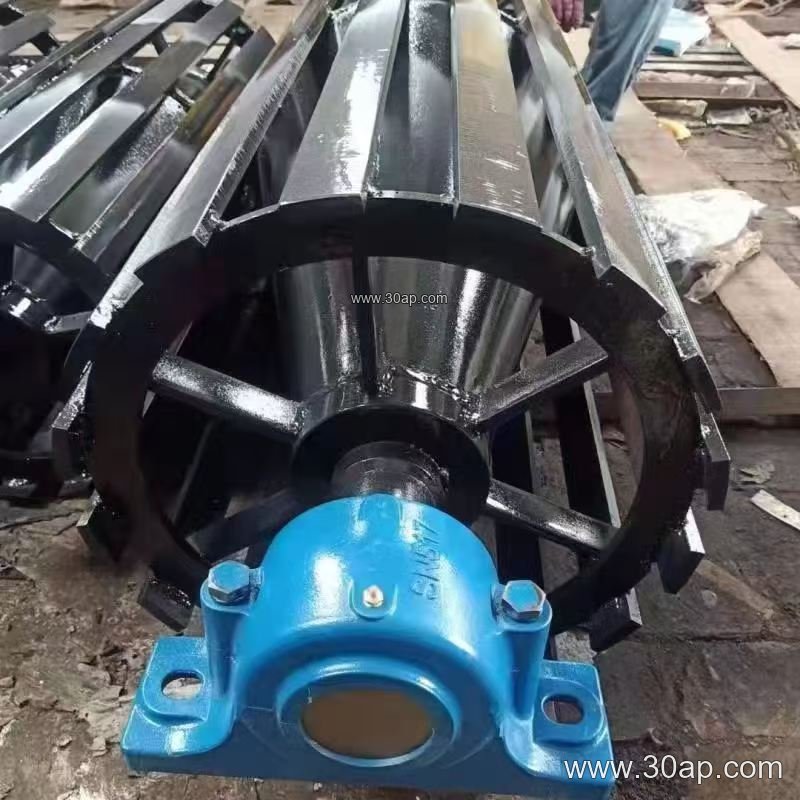
A large drive pulley is the powered drum at the head of a conveyor that grips the belt and pulls the entire load. In a quarry, limestone mine, or aggregate line, this head drum often carries the highest torque in the system, so its diameter, shell thickness, lagging, and shaft are sized together rather than chosen from a single belt width. It is a head or drive drum, not a tail pulley or a bend pulley, and those positions are not interchangeable even when they look similar.
Because the drum must transmit power without slipping, the contact arc and friction surface matter as much as raw size. A large diameter increases wrap angle and reduces belt bending stress, which helps where a heavy-duty mining conveyor belt runs at high tension.
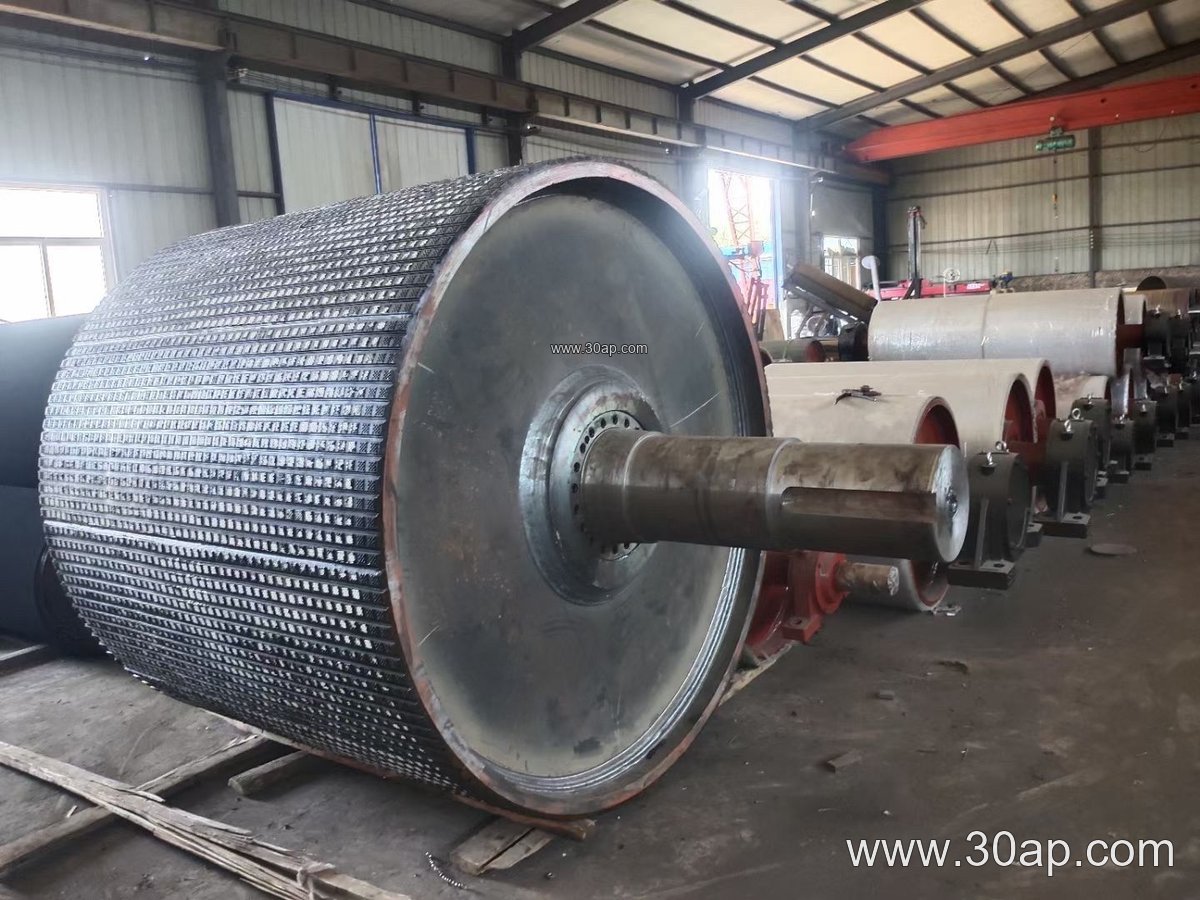
Construction and Surface Options
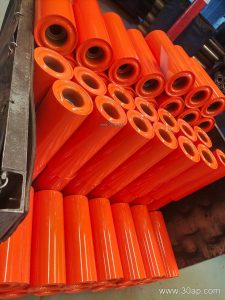
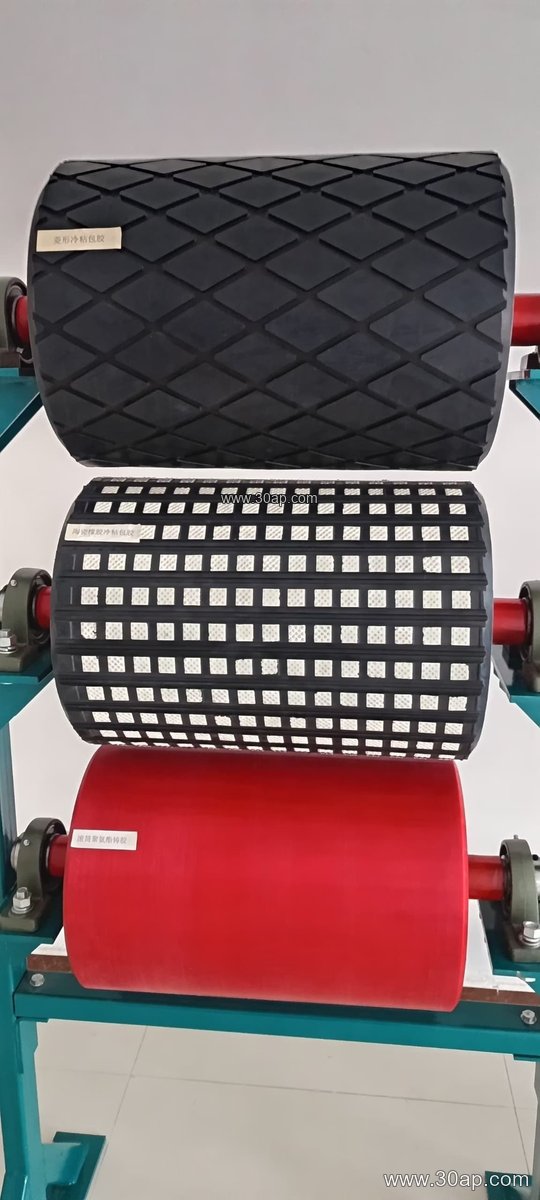
The body is usually a rolled steel shell welded to end discs, with a shaft keyed or shrink-fitted through the hub. Common surface treatments include plain finish, hot vulcanized rubber, cold bonded rubber, diamond lagging, herringbone lagging, and ceramic lagging. Lagging thickness is often 8, 10, 12, 15, or 20 mm depending on grip and wear demands.
Shell width normally exceeds belt width so the belt is fully supported. Reference values below show typical relationships, not fixed pairings.
| Belt width | Typical shell width | Example drum size |
|---|---|---|
| B800 | about 950 mm | B800 x Ø500 |
| B1200 | about 1400 mm | B1200 x Ø1000 |
| B1400 | about 1600 mm | B1400 x Ø800 |
| B1800 | about 2000 mm | B1800 x Ø1250 |
Diameter choices commonly range from Ø200 up to Ø1800, and shaft diameters from Ø50 to Ø200. Shaft size follows torque and bearing load, never belt width alone.
Where It Fits in the Plant
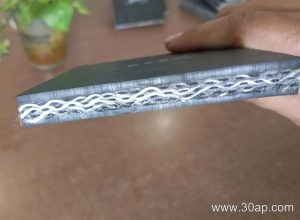
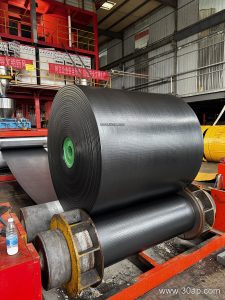
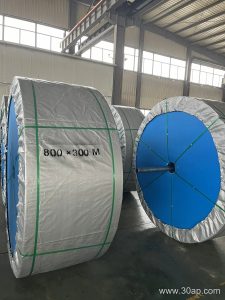
In a coal washing plant or power station coal yard, a large drive pulley at the discharge end works with a flame retardant conveyor belt and anti-static conveyor belt to meet underground and enclosed handling needs. In a copper or iron ore concentrator, the same drum may run with a steel cord conveyor belt or a high abrasion resistant conveyor belt where sharp ore and constant tension shorten cover life. Sand and gravel operations often pair it with an EP conveyor belt or multi-ply fabric core conveyor belt on the main haulage line.
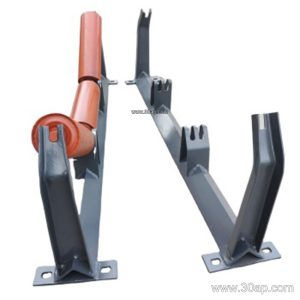
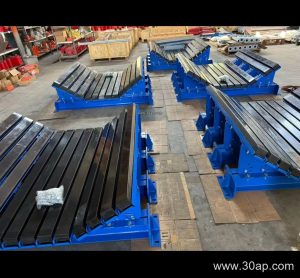
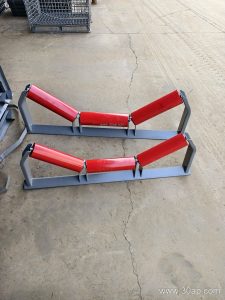
The drum does not work alone. It relies on conveyor pulleys at the tail and take-up, idler rollers along the carry side, and a rigid conveyor bracket to keep alignment. A slipping or misaligned head drum quickly damages the belt edge and the idler roller frames downstream.
Buyer Checklist
- Confirm the actual duty: starting torque, continuous tension, and belt speed.
- Match lagging to material: ceramic or diamond for wet, gritty ore; plain or light rubber where buildup is a concern.
- Check shell width against belt width and confirm the conveyor frame clearance.
- Review shaft diameter, bearing type, and keyway against the drive coupling.
- Ask how the drum balances with the belt, especially on wide or thick belts.
- Plan inspection of lagging wear and bolt torque during scheduled shutdowns.
Whether the line handles cement clinker, sinter, or tunnel spoil, the large drive pulley is the component that converts motor power into belt motion. Selecting it by load case, surface form, and shaft design keeps the whole conveyor stable. For related conveyor components and drum options, see the product pages at https://www.js-conveyor.com/large-drive-pulley and compare specifications before ordering.