Understanding the 1400mm Conveyor Belt
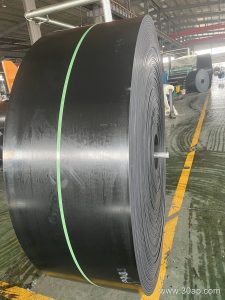
A 1400mm conveyor belt is a wide-width belting product designed for high-capacity bulk material transport. With a nominal width of 1400 millimeters (often designated as B1400), this belt sits in the heavy-duty range, bridging standard widths like 1200mm and larger extra-wide options such as 1600mm. It is commonly specified in mining, coal preparation, cement plants, power stations, and large quarry or aggregate operations where substantial tonnage must move efficiently over long distances.
This width is frequently paired with fabric core constructions such as EP (polyester-nylon) or NN (nylon-nylon) belts, as well as steel cord belts for demanding high-tension applications. The 1400mm conveyor belt is not a one-size-fits-all item; its construction, cover grade, and tensile strength are selected according to the specific conveyor design, material characteristics, and operating environment.
Construction and Common Specifications
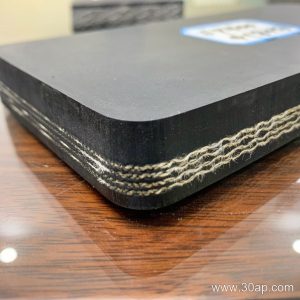
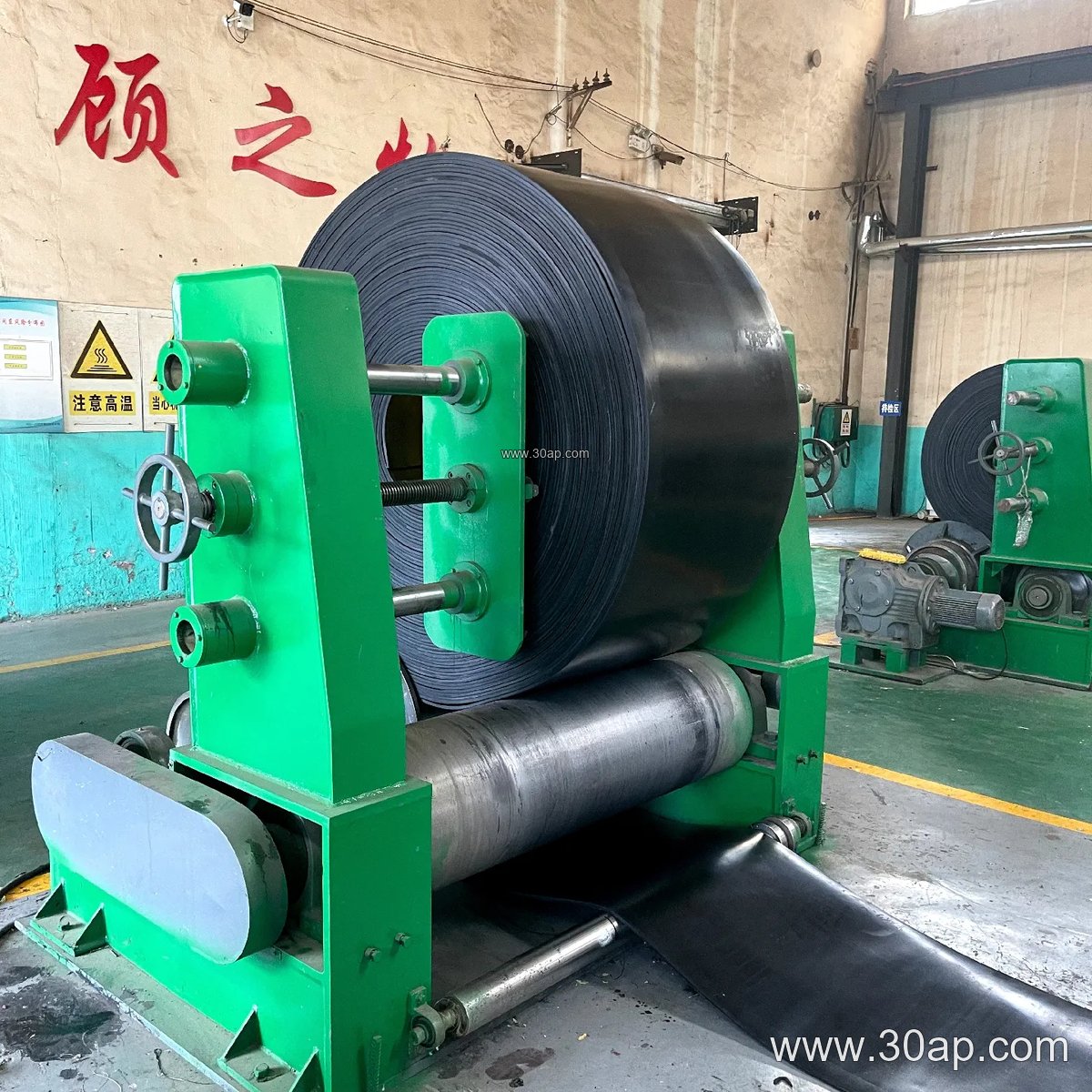
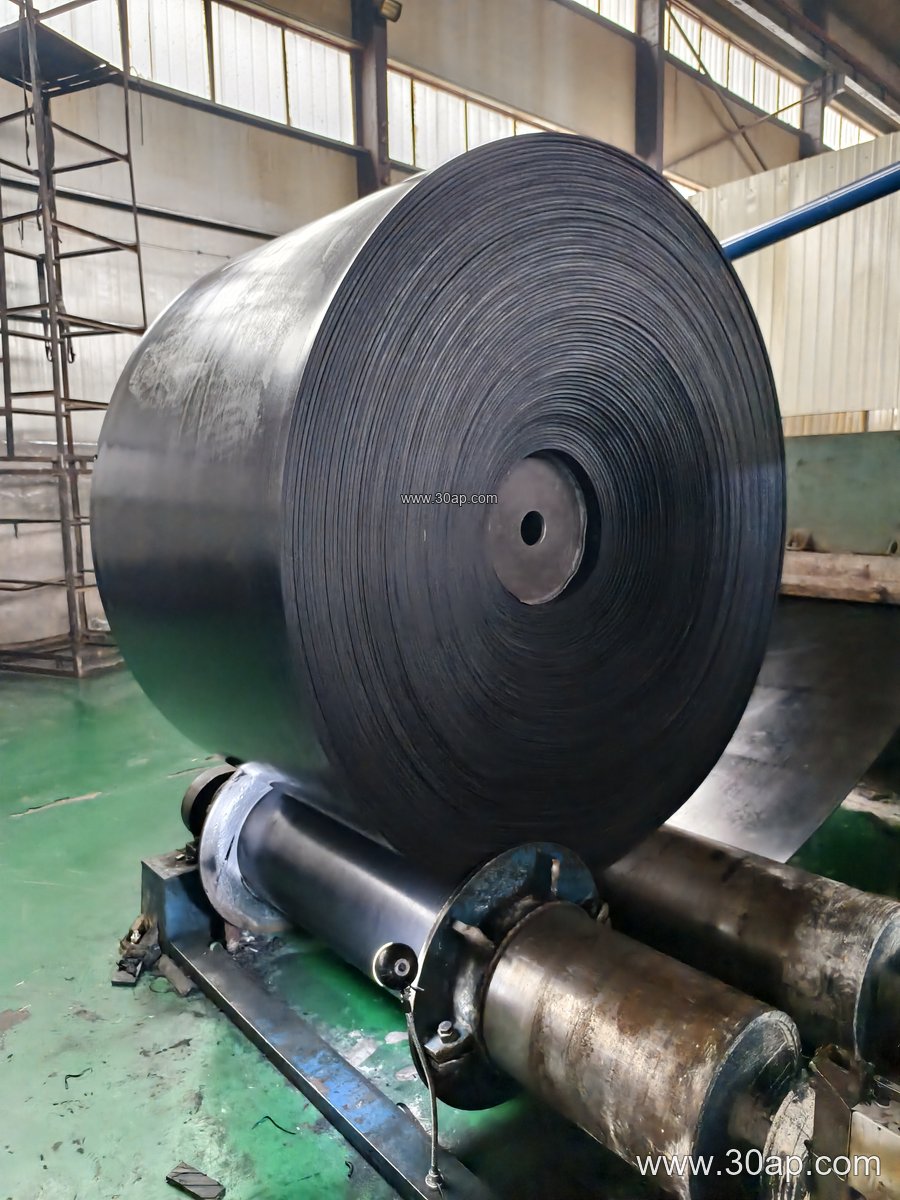
A typical 1400mm conveyor belt comprises a carcass (fabric plies or steel cords) and rubber covers on the top and bottom. The carcass provides tensile strength and resistance to impact, while the covers protect against abrasion, heat, oil, or flames. Buyers should note that the belt width alone does not dictate pulley diameter or shaft size; those are determined by the conveyor engineer based on belt tension, load, and safety factors.
Below are common reference values for 1400mm wide belts. Actual specifications vary by manufacturer and application.
| Parameter | Common Options |
|---|---|
| Belt width | 1400 mm (B1400) |
| Fabric core types | EP (polyester-nylon), NN (nylon-nylon) |
| Fabric strength grades (EP) | EP200, EP315, EP400, EP500, EP630, EP800, EP1000, EP1250, EP1600, EP2000 |
| Steel cord grades | ST1000, ST1250, ST1600, ST2000, ST2500, ST3150 |
| Number of fabric plies | 2 to 6 (typically) |
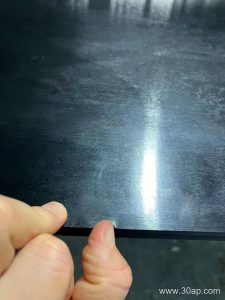
| Top cover thickness | 3 mm to 8 mm (common) |
| Bottom cover thickness | 1.5 mm to 3 mm (common) |
| Cover grades | Abrasion resistant, heat resistant, oil resistant, flame retardant, anti-static, cold resistant |
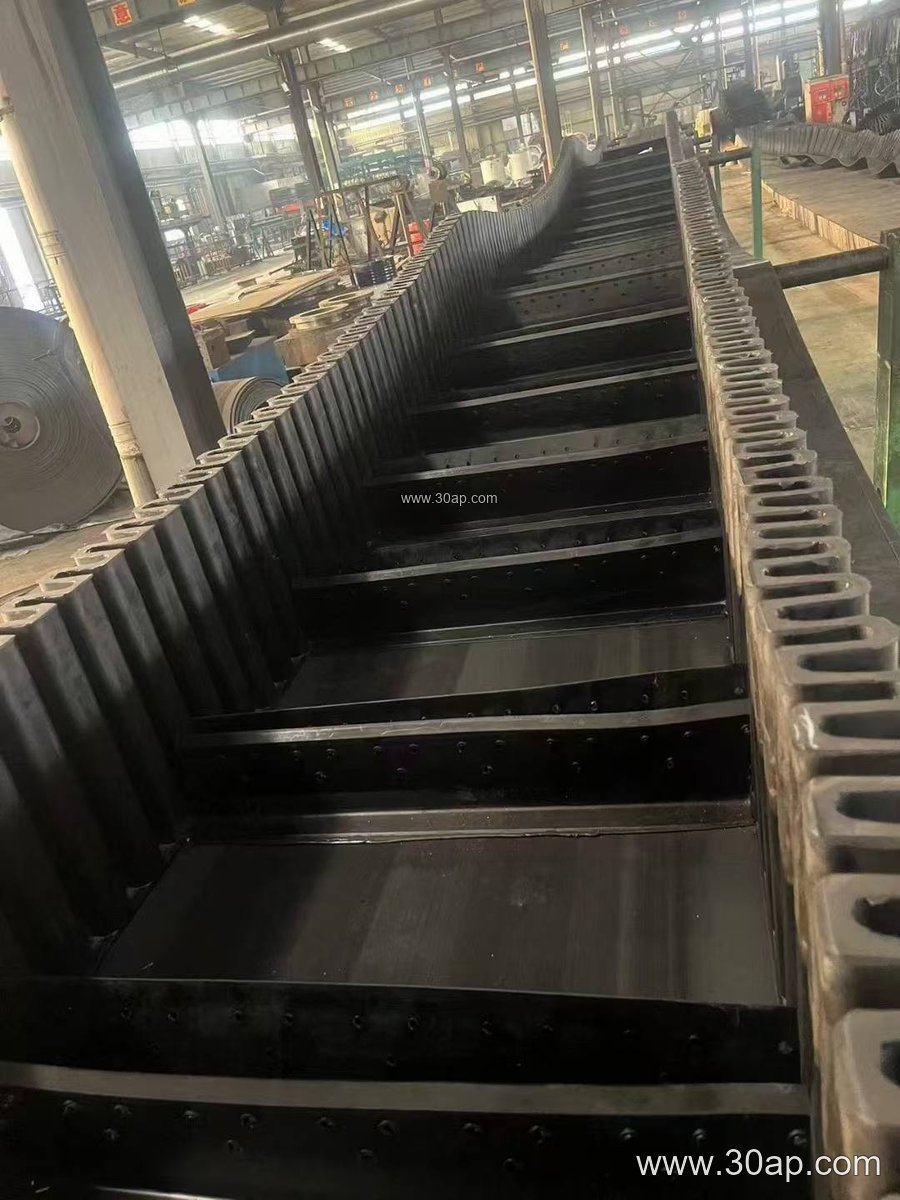
Special constructions such as chevron (patterned) belts, corrugated sidewall belts, and pipe conveyor belts are also available in 1400mm width for specific handling needs, though they represent different subtypes. For instance, a chevron conveyor belt may be chosen to prevent material rollback on an incline, while a pipe conveyor belt encloses the material for dust control. These are distinct from the standard flat 1400mm conveyor belt and should be selected only when the application demands it.
Where a 1400mm Belt Fits
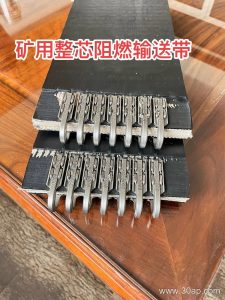
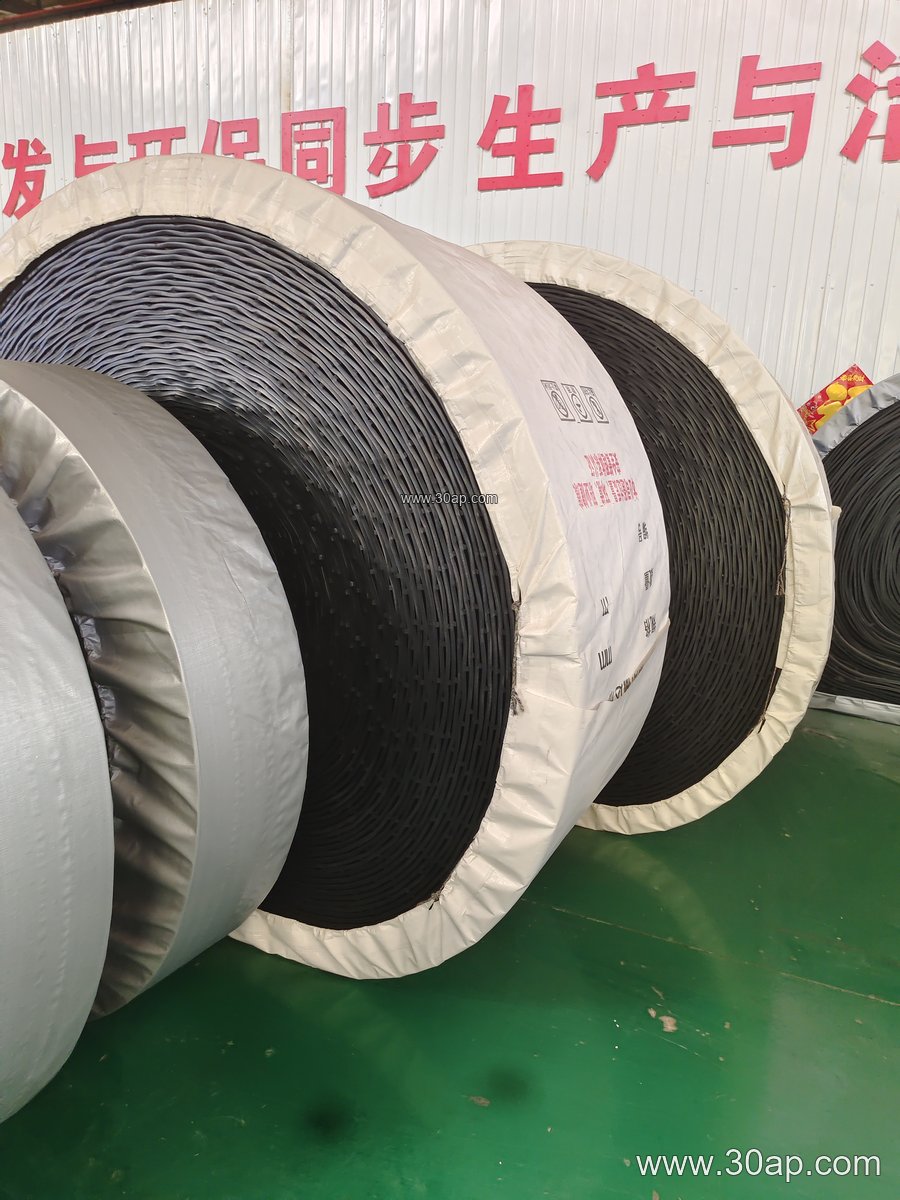
This belt width is often found in primary and secondary crushing circuits, stockyard conveyors, and long overland systems. In coal mining, a 1400mm flame retardant conveyor belt may be required for underground use to meet safety standards. In cement plants, heat resistant belts handle clinker and kiln discharge, while abrasion resistant covers are typical for limestone and aggregate transport. Power plants use wide belts for coal feeding, and ports rely on them for ship loading and unloading.
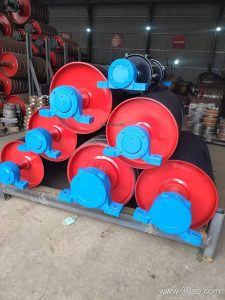
When specifying a 1400mm conveyor belt, consider the material lump size, throughput, incline angle, and environmental conditions. The belt must work in harmony with conveyor pulleys, idler rollers, and brackets to ensure proper tracking and longevity. For example, a heavy-duty mining conveyor belt in this width may need a robust carcass and thick covers to withstand sharp, heavy ore, whereas a 1400mm belt in a recycling facility might prioritize cut and tear resistance.
Selection and Maintenance Tips
- Match the belt strength to the maximum operating tension, not just the width. A 1400mm belt can be built with various strength grades, from EP200 to EP2000 or ST1000 to ST3150.
- Choose cover compounds based on the primary risk: abrasion, heat, oil, or fire. For example, a 1400mm abrasion resistant conveyor belt is common in quarry and aggregate operations.
- Ensure proper transition distances and pulley diameters are calculated by the conveyor designer; do not assume that a given belt width corresponds to a fixed pulley size.
- Regularly inspect idler rollers and pulleys for alignment and wear, as misalignment can cause edge damage on wide belts.
- Store belts in a dry, shaded area and handle with care to avoid carcass damage.
Whether you are upgrading an existing system or designing a new one, the 1400mm conveyor belt offers a balance of capacity and manageability. For further information on compatible components such as conveyor pulleys, idler rollers, and brackets, consult your conveyor equipment supplier. You can also explore related belt types like rubber conveyor belt and EP conveyor belt to match your specific operational needs.