What a Metallurgical Conveyor Pulley Does
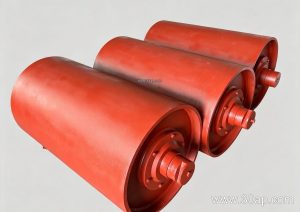
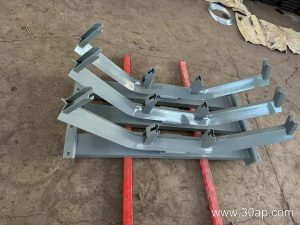
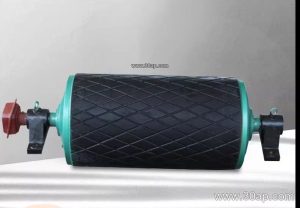
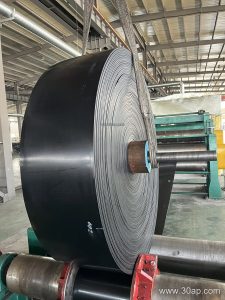
A metallurgical conveyor pulley is the cylindrical drive or direction-changing component that transfers motion and tension to the belt in demanding process environments. In a sinter plant, a copper concentrator, or a cement clinker line, this pulley must survive abrasive dust, high loads, and continuous operation. It is not simply a roller; it is a engineered assembly that includes the shell, shaft, hubs, lagging, and bearing housings. When paired with a heavy-duty conveyor belt and properly supported by conveyor brackets, it forms the backbone of the material handling circuit.
Unlike an idler roller that mainly supports the belt, the pulley transmits torque. The drive pulley, often called the head pulley, pulls the belt; the tail pulley at the loading end redirects it; and bend or take-up pulleys manage tension and path changes. Each position demands different design attention. A drive pulley needs robust lagging for grip, while a bend pulley may prioritize low rotational resistance. These subtypes are not interchangeable, and specifying the wrong one can lead to belt slip or premature wear.
Construction and Surface Options
Most metallurgical pulleys use a welded steel shell with a machined face. The shaft is sized by torque and radial load, not by belt width alone, so a B1200 system might use a Ø160 shaft in one duty and a larger shaft in another. Common shaft diameters include Ø50, Ø80, Ø120, Ø160, and Ø200, but final selection depends on the drive calculation. Lagging protects the shell and improves friction. Options include plain rubber, diamond grooved rubber, ceramic tiles, and hot-vulcanized rubber in thicknesses of 8, 10, 12, 15, or 20 mm. For a coal mining conveyor belt that carries sharp rock, ceramic lagging can extend service life.
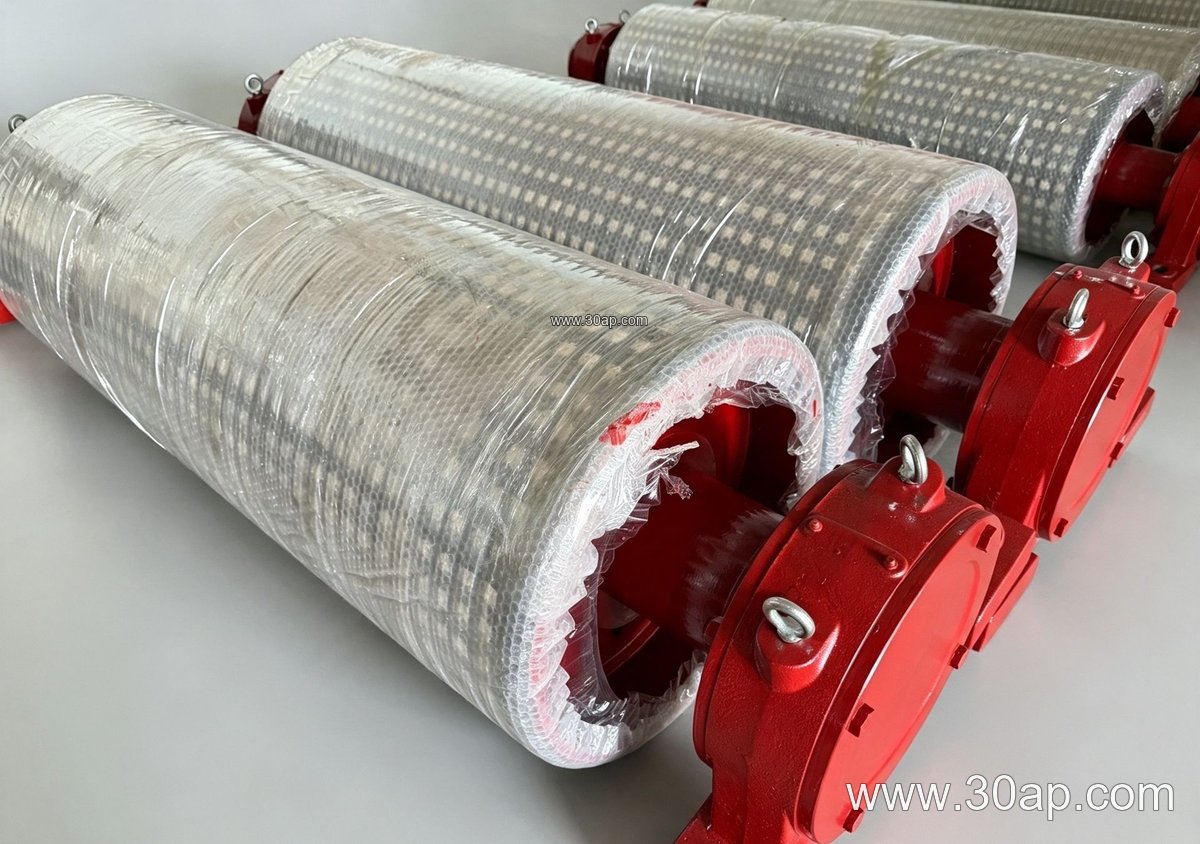
Bearing housings are typically bolted to the conveyor bracket, and the pulley face width usually exceeds the belt width to allow for mistracking. For example, a B800 belt often runs on a pulley with roughly 950 mm face width, while a B1400 belt may use a 1600 mm face. These are typical proportions, not fixed rules. The same pulley may be supplied with a Ø500, Ø630, or Ø800 diameter depending on the required wrap angle and belt tension.
Where It Fits in the Plant
In a limestone quarry or aggregate line, the metallurgical conveyor pulley works alongside an abrasion resistant conveyor belt and a series of idler rollers to move crushed stone. In a power plant coal yard, flame retardant conveyor belt and fire resistant conveyor belt grades are common, and the pulley lagging must resist build-up. A cement plant clinker cooler discharge often uses heat resistant conveyor belt, so the pulley bearings and lagging must tolerate radiant heat. Port bulk terminals handling iron ore or copper ore rely on steel cord conveyor belt for high tension, and the drive pulley must match that strength with a robust shell and shaft.
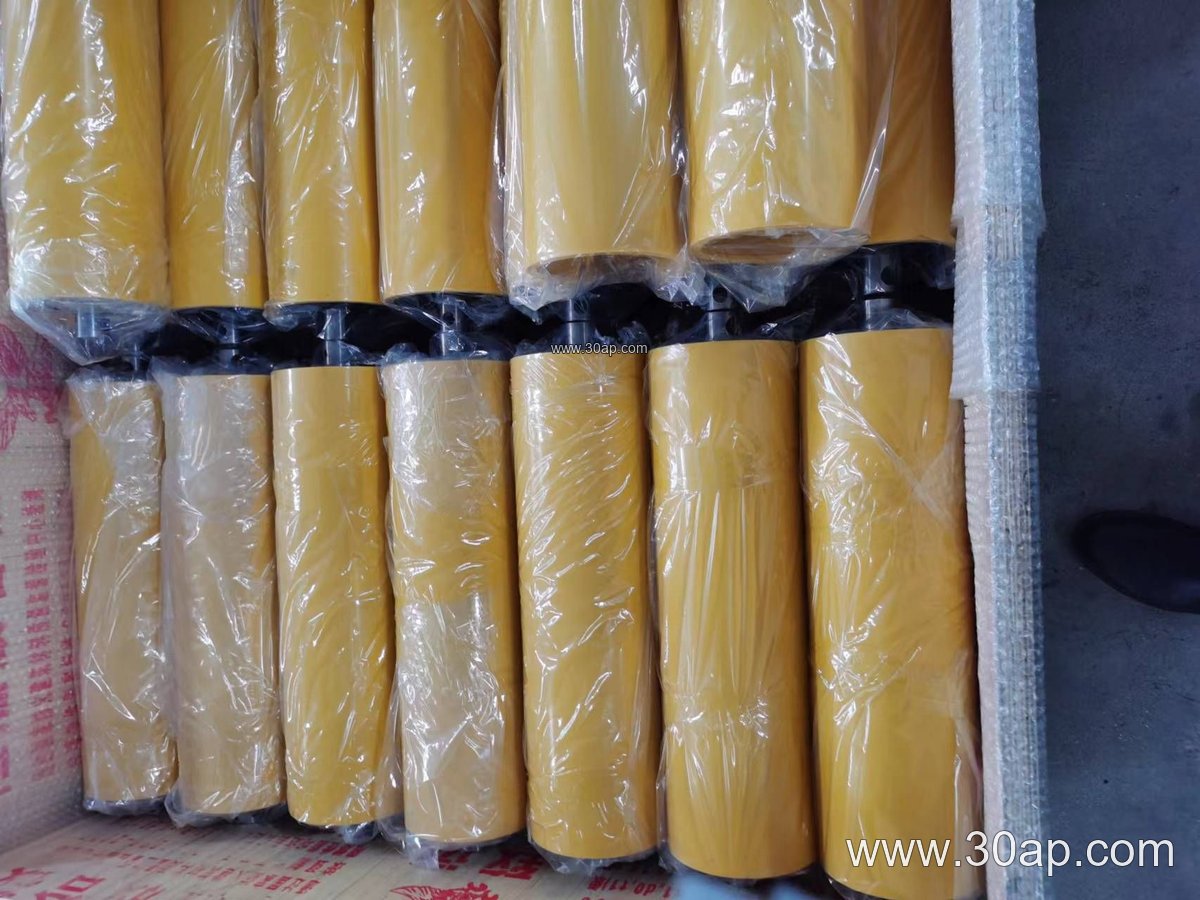
Underground coal mining conveyor belt systems use flame retardant and anti-static belts, and the pulleys are often designed for confined spaces. In a gold mining plant, the ore conveyor belt may carry wet, sticky material, so self-cleaning lagging patterns help. The same principle applies in a fertilizer granulation line or a grain silo, where material build-up on a smooth pulley can cause belt misalignment.
Buyer Checklist for Metallurgical Pulley Sourcing
Before ordering, confirm the belt width, the required pulley diameter, and the shaft diameter based on torque. Check the lagging type and thickness against the material being conveyed. For a conveyor belt that carries oily scrap, an oil resistant conveyor belt may be used, but the pulley lagging should also resist oil swelling. Verify the bearing type and housing fit with the conveyor bracket drawing. Ask for the dynamic balance grade if the pulley will run at higher speeds. Finally, confirm the face width and whether the pulley is for a drive, tail, or bend position. A common mistake is to order a tail pulley with drive-style lagging, which can increase resistance without benefit.
Maintenance matters as much as initial selection. Inspect lagging for wear and glazing, check shaft keyways for fretting, and monitor bearing temperature. In a dusty sinter plant, schedule cleaning around the pulley to prevent material wrap. When replacing a pulley, match the new unit to the existing belt training and tension system rather than assuming any bend pulley will fit. The goal is a pulley that works with the belt, not against it.