What a Discharge Pulley Does
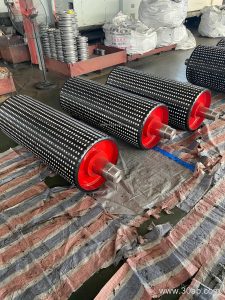
The discharge pulley, also known as the head pulley, is the terminal drum at the delivery end of a belt conveyor. It performs two jobs at once: it drives the conveyor belt and it discharges the carried material into the next process or stockpile. In a quarry conveyor line, for example, the discharge pulley sits at the top of the incline and throws crushed stone onto a transfer chute or a stockpile. In a coal mining conveyor system, it delivers coal to a bunker or a washing plant. The pulley’s diameter, face width, lagging, and shaft size all influence belt tracking, wear life, and the smooth release of material.
Construction and Key Components
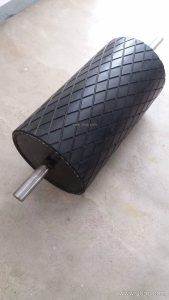
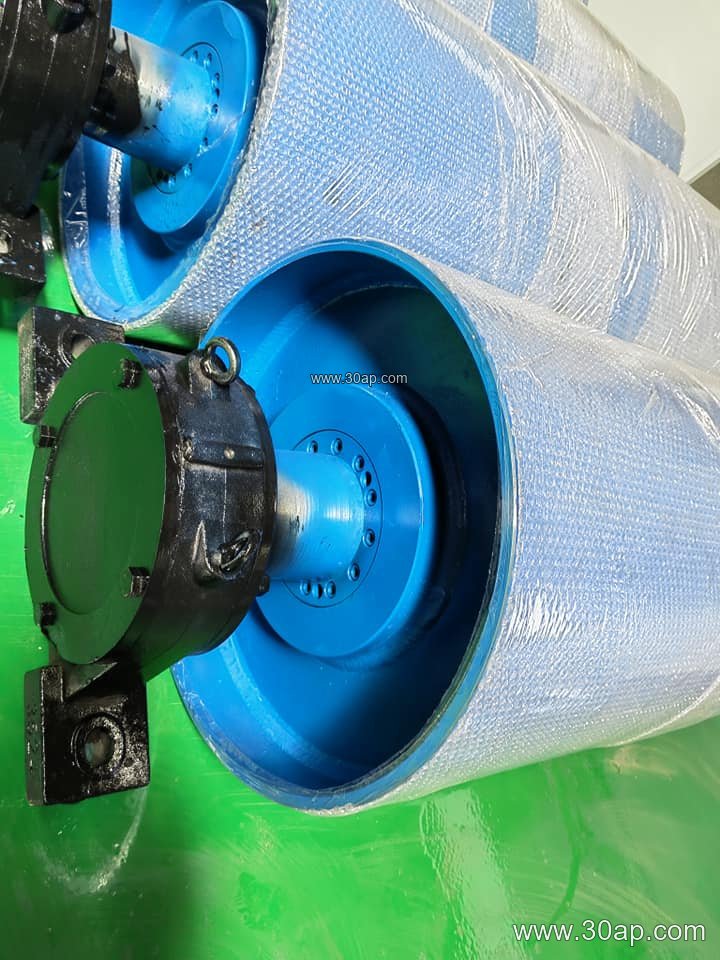
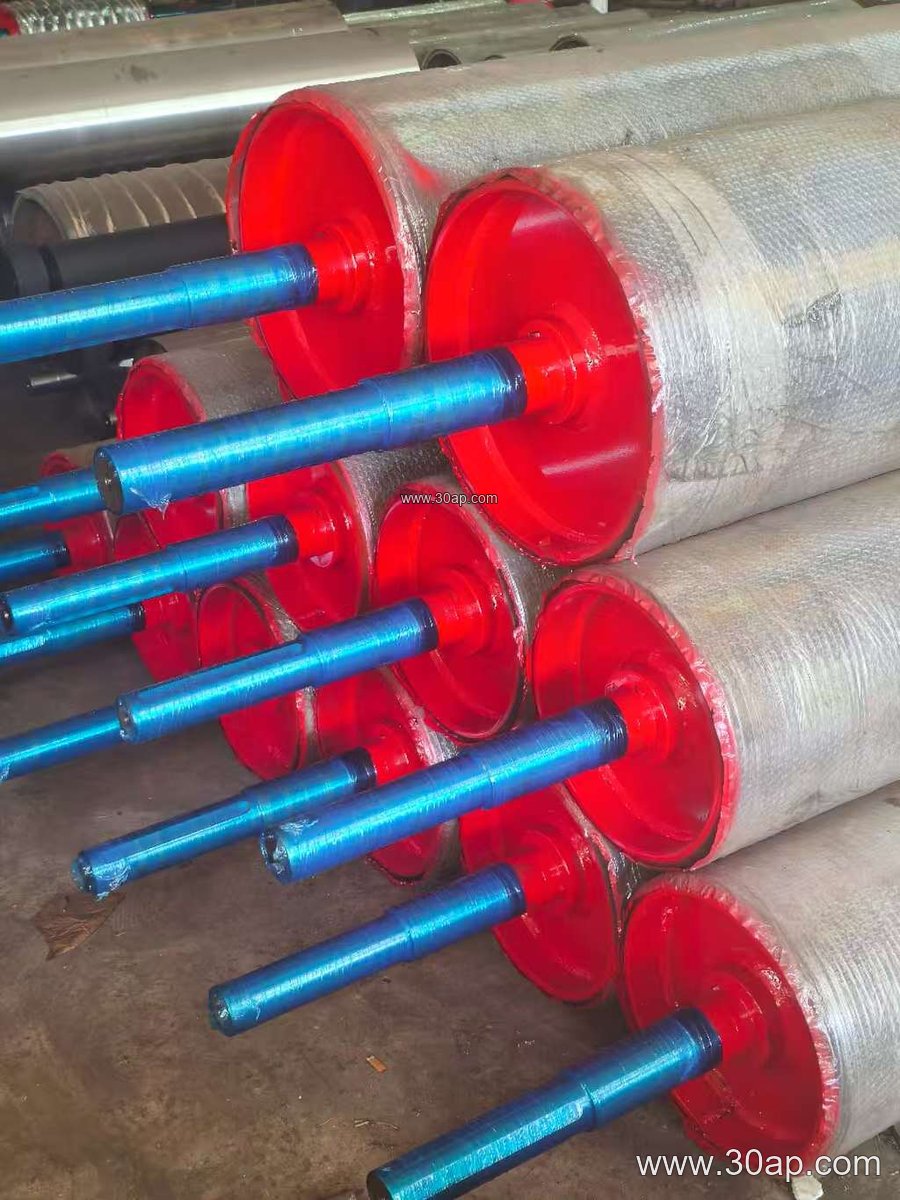
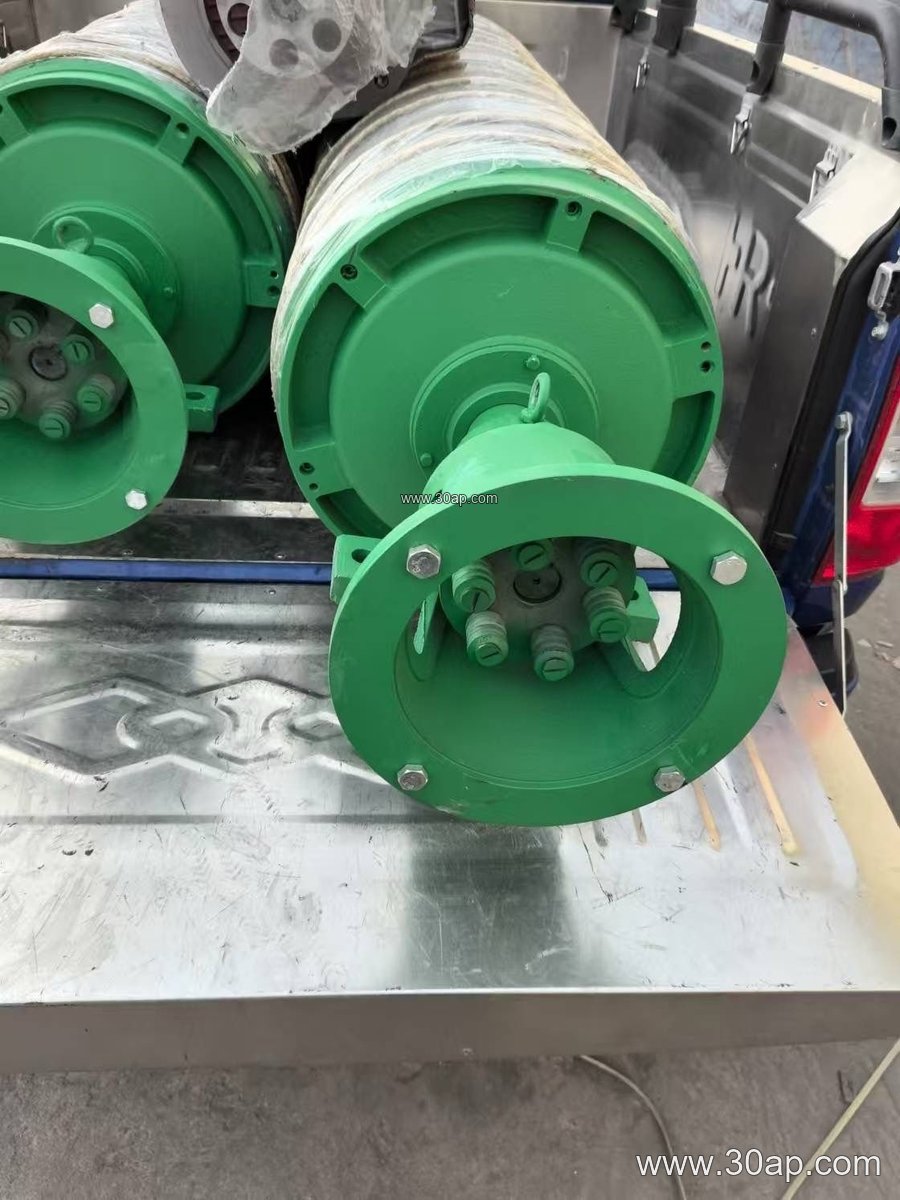
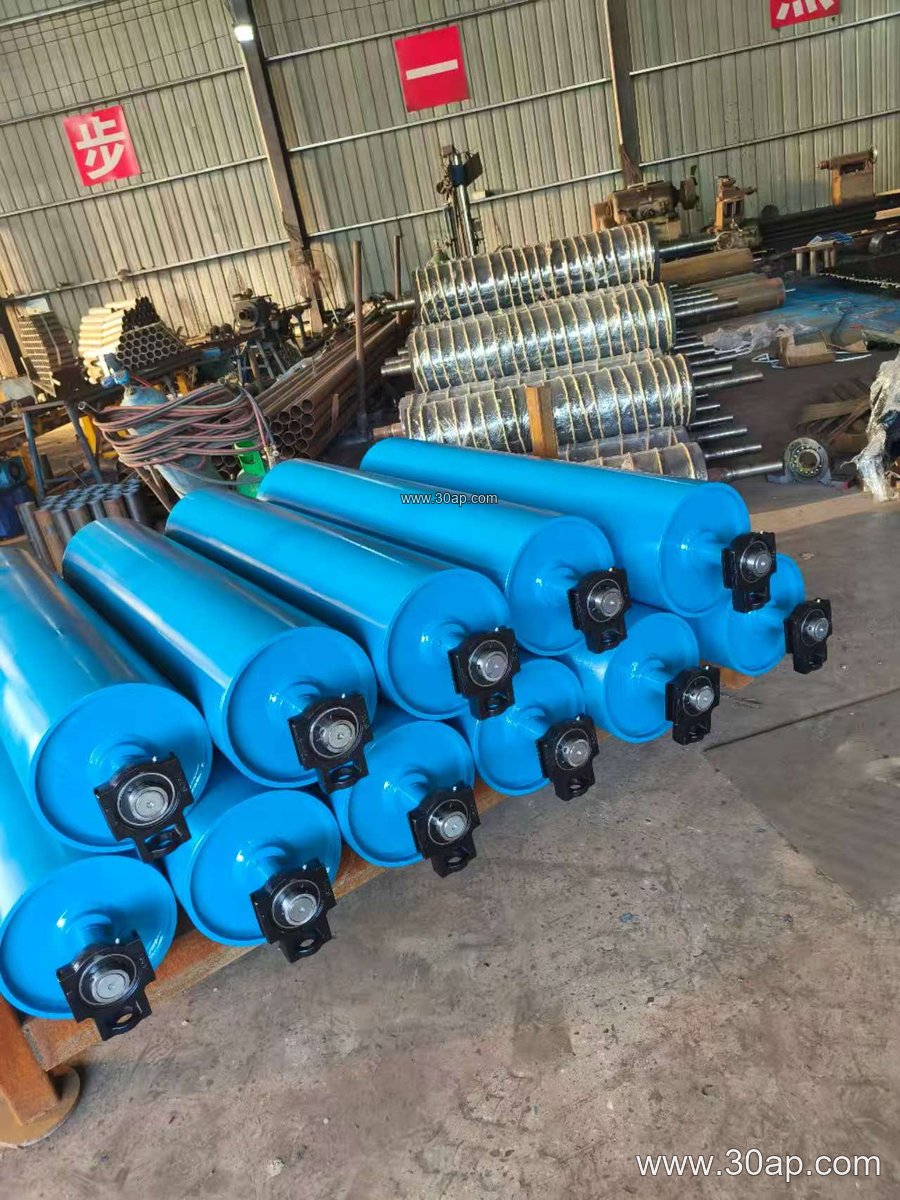
A typical discharge pulley is built around a steel drum with welded end discs and a sturdy shaft. The shell may be plain or covered with rubber, ceramic, or other lagging. The shaft is supported by bearing housings mounted on a conveyor bracket or frame. The pulley is connected to the drive through a coupling, gearbox, or motorized pulley arrangement. Common surface forms include smooth, cast rubber, cold-bonded rubber, hot-vulcanized rubber, diamond groove, herringbone, and ceramic lagging. Lagging thickness often ranges from 8 mm to 20 mm, depending on the duty. The pulley face width is usually slightly wider than the belt to allow for misalignment and edge wear.
Where It Fits in the Conveyor System
The discharge pulley is not interchangeable with a tail pulley or a bend pulley. The tail pulley is located at the loading end and often serves as a tensioning point. A bend pulley changes the belt path without driving or discharging. The discharge pulley is specifically positioned at the head of the conveyor, where it rotates under load and releases material. In a cement plant, it may handle clinker or limestone; in a power plant, it may move coal; in a port terminal, it may transfer bulk cargo to a ship loader. Because it is a drive component, its design must match the starting torque and the belt tension.
Matching the Pulley to the Belt and Duty
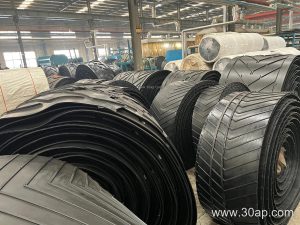
Selecting a discharge pulley involves more than picking a diameter. The belt width, the material being conveyed, and the operating environment all matter. A 1200mm wide conveyor belt carrying abrasive ore may call for a pulley with a face width around 1400 mm and a wear-resistant lagging. A heavy-duty mining conveyor belt with a steel cord construction may require a larger shaft and bearing size to handle higher tensions. The pulley diameter is often chosen to provide sufficient belt wrap and to reduce bending stress in the belt. For instance, a B800 belt might work with a Ø500 pulley in a moderate-duty aggregate line, while a B1400 belt in an iron ore plant could use a Ø800 or larger drum. There is no fixed rule that one belt width matches only one pulley diameter; the final choice depends on belt type, load, and speed.
Common Dimensions and Reference Data
The following table gives typical reference values, not universal specifications. Actual sizes should be confirmed by the conveyor designer.
| Belt Width | Typical Pulley Face Width | Possible Diameter Range (reference) | Typical Shaft Diameter Range |
|---|---|---|---|
| B500 | 600 mm | Ø250–Ø400 | Ø50–Ø80 |
| B650 | 750 mm | Ø315–Ø500 | Ø60–Ø100 |
| B800 | 950 mm | Ø400–Ø630 | Ø70–Ø120 |
| B1000 | 1150 mm | Ø500–Ø800 | Ø80–Ø140 |
| B1200 | 1400 mm | Ø630–Ø1000 | Ø90–Ø160 |
| B1400 | 1600 mm | Ø800–Ø1250 | Ø100–Ø180 |
| B1600 | 1800 mm | Ø1000–Ø1400 | Ø120–Ø200 |
These combinations are common in bulk material handling, but they are not mandatory. For example, a B1200 × Ø1000 discharge pulley may be suitable for a high-tension application, while a B800 × Ø500 unit could serve a lighter aggregate line. Shaft diameter is determined by torque and load, not by belt width alone.
Lagging and Surface Choices
The lagging on a discharge pulley affects grip and wear. Rubber lagging is common in abrasive environments such as a quarry or a copper ore concentrator. Ceramic lagging may be used where slip is a concern and the belt is thick and stiff. Diamond or herringbone grooves help shed water and fines, which is useful in a wash plant or an underground coal mining conveyor. The pulley surface should be matched to the belt cover; a very abrasive conveyor belt may wear a smooth pulley quickly, while a properly selected lagging can extend service life.
Buyer Checklist
- Confirm the belt width and the required face width, allowing for belt wander.
- Specify the pulley diameter based on belt tension, wrap angle, and available space.
- State the lagging type and thickness, for example 10 mm rubber or 15 mm ceramic.
- Provide the shaft diameter required by the torque and bearing load.
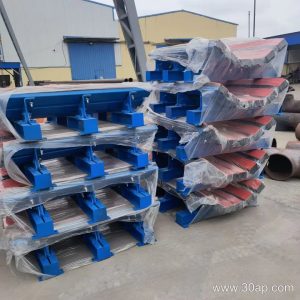
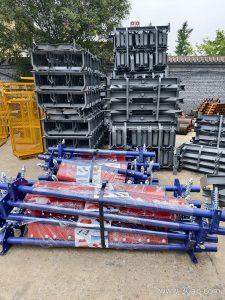
- Describe the mounting arrangement, including the conveyor bracket or bearing housing type.
- Mention the operating environment: dust, water, temperature, or corrosive atmosphere.
- Check compatibility with the conveyor belt, especially at the discharge point where impact and abrasion occur.
For more information on related components such as conveyor idler rollers, conveyor brackets, and various conveyor belts, please visit our site at www.example.com/conveyor-pulley. A well-matched discharge pulley helps keep the belt centered, reduces downtime, and ensures reliable material flow from the mine, plant, or port to the next stage.